When to Do Salt Water Rinse After Extraction – 8 Essential Steps
If you’ve recently had a tooth extraction, you’re probably eager to heal and get back to normal as soon as possible. Many people struggle with knowing the right aftercare steps and worry about complications like infections or delayed healing. You’re not alone—proper care makes all the difference.
You should wait at least 24 hours after your tooth extraction before starting salt water rinses to protect the healing site.
Once bleeding stops, gently rinse with warm, salty water 2-3 times a day, avoiding vigorous swishing or using a straw. Be careful not to rinse too early or rinse excessively, as it can disturb the blood clot.
For detailed steps to guarantee proper rinsing and avoid complications, keep exploring the essential guidelines.
Key Takeaways
- Wait at least 24 hours after extraction before starting salt water rinses.
- Begin gentle rinsing once the bleeding has fully stopped.
Rinse 2-3 times daily with warm salt water, but avoid vigorous swishing.
This helps promote healing and prevent infection.
Don’t overdo it—be gentle with the rinses.
If you notice persistent pain, swelling, or bleeding, contact your dentist.
When Is It Safe to Start Rinsing With Salt Water After Tooth Extraction?
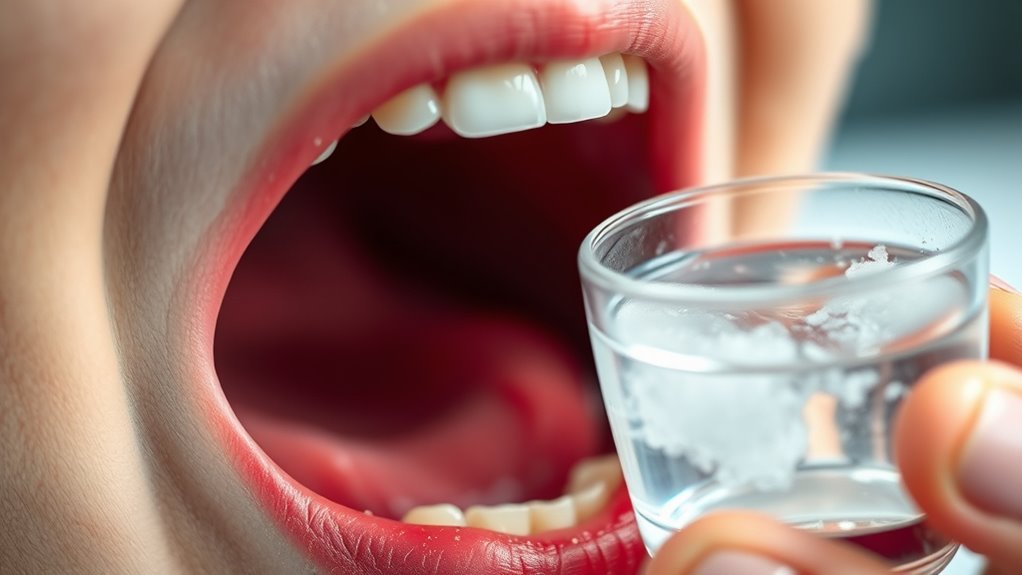
After a tooth extraction, it’s important to wait until the initial healing phase has passed before you start rinsing with salt water. Usually, this means waiting at least 24 hours after the procedure.
During this time, a blood clot forms in the socket, which is vital for proper healing. Rinsing too early can disturb or dislodge this clot, leading to dry socket or infection.
Once you’re past the first day and bleeding has stopped, you can begin gentle rinsing. Just avoid vigorous swishing or using a straw, as these actions can still disrupt healing.
Always follow your dentist’s specific instructions about when to start salt water rinses. And listen to your body’s cues to ensure a safe recovery.
How to Prepare an Effective Salt Water Rinse for Healing
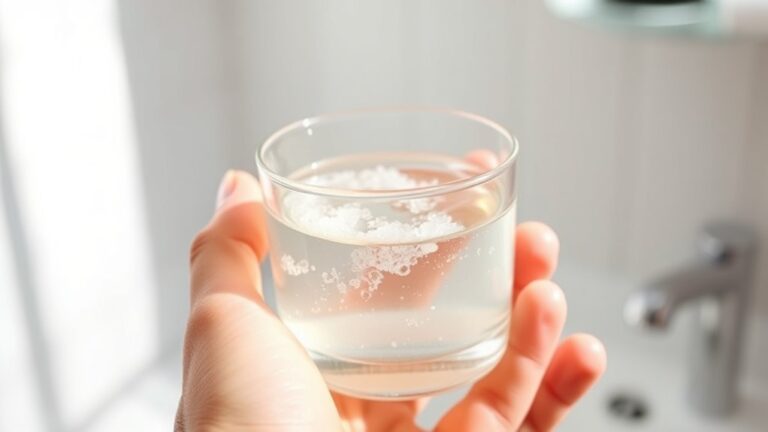
To prepare an effective salt water rinse for healing, start by measuring one teaspoon of salt and adding it to a cup of warm (not hot) water. Stir until the salt dissolves completely.
Make sure the water is warm enough to dissolve the salt but not so hot that it irritates your gums or slows healing. Use a clean glass or cup to prevent bacteria from contaminating the rinse.
Ensure the water is warm enough to dissolve salt but not hot enough to irritate gums or hinder healing.
You may choose to add a pinch of baking soda for extra soothing properties, but this isn’t necessary. Mix thoroughly to combine everything well.
Always prepare fresh batches before rinsing to ensure cleanliness and effectiveness. This simple solution helps reduce bacteria, soothe tissues, and promote faster healing after your tooth extraction.
The Step-by-Step Guide to Rinsing Properly After Extraction
To rinse effectively after an extraction, timing and frequency are important. Start with gentle rinses 24 hours after the procedure, and limit them to a few times a day.
Make sure you use the proper technique by swishing softly. Avoid vigorous movements that could disturb the healing site.
Following these steps helps promote healing and reduces the risk of complications.
Timing and Frequency
Timing and frequency are key to making sure your mouth heals properly without messing with the extraction site. You should wait at least 24 hours before doing your first salt water rinse, so the blood clot has time to stabilize.
After that, rinse gently 2-3 times a day, usually after meals and before bed. Don’t rinse too hard or too often, because that can loosen the clot and slow down healing.
Stick to the schedule to avoid irritating the area or causing bleeding. As you get better, gradually cut back on how often you rinse.
Proper Rinsing Technique
Proper rinsing after an extraction involves a careful and gentle technique to protect the healing site.
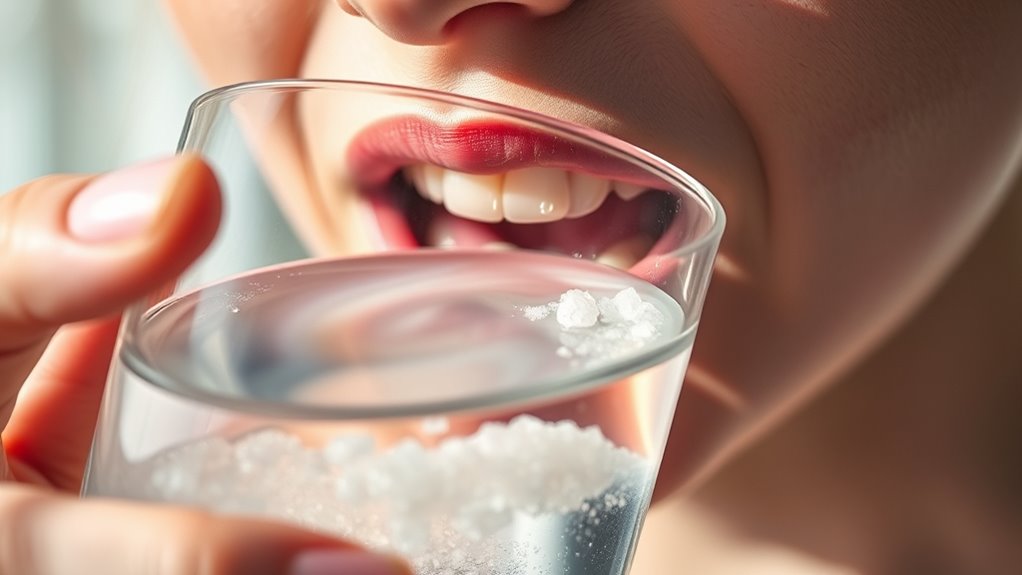
Start by mixing warm water with a teaspoon of salt until it dissolves fully. Take a small sip, then gently swish the solution around your mouth without using force or vigorous movements.
Avoid spitting or rinsing too aggressively, as this can dislodge the blood clot and delay healing. Instead, tilt your head forward slightly and let the rinse flow out naturally.
Repeat this process gently for 30 seconds, then spit out the solution. Be sure to avoid touching the extraction site with your tongue or toothbrush during rinsing.
Gentle, consistent rinsing helps reduce bacteria and promotes healing without causing trauma.
How Often Should You Rinse With Salt Water?
Wondering how often you should rinse with salt water after an extraction? Typically, rinsing two to three times a day is enough, especially during the first few days.
You want to keep the area clean without irritating the healing tissue. Use a warm salt water solution and gently swish for about 30 seconds, then spit it out.
Avoid rinsing immediately after meals to prevent disturbing the blood clot. As your healing progresses, you can gradually reduce the frequency.
Consistent rinsing helps prevent infection and reduces swelling, but overdoing it can interfere with healing. Stick to your dentist’s recommendations and listen to your body.
If you experience pain or discomfort, cut back on rinsing and consult your dentist.
Signs You’re Rinsing Too Early or Too Much
If you rinse too frequently or too soon after extraction, you might notice certain signs that indicate your healing process is being disrupted. You could experience increased bleeding or persistent swelling, which suggests you’re disturbing the blood clot forming in the socket.
Pain might intensify or linger longer than expected, indicating irritation. You may also notice that your gum tissue isn’t healing properly, with redness or signs of infection.
Furthermore, rinsing too often can dislodge the clot, leading to dry socket—a painful condition that delays recovery. If you feel discomfort or see unusual symptoms, it’s a sign to slow down your rinsing and follow your dentist’s instructions carefully.
Avoid rushing the healing process to ensure proper recovery.
Common Mistakes to Avoid When Rinsing
One common mistake people make when rinsing after a tooth extraction is using solutions that are too harsh or salty, which can irritate the healing tissue. Avoid aggressive or vigorous rinsing, as it can dislodge the blood clot and delay healing.
Don’t rinse too frequently—doing so can disturb the clot and increase bleeding risk. Using hot water instead of warm can cause discomfort and slow down recovery.
Also, don’t use store-bought mouthwashes with alcohol or harsh chemicals unless your dentist approves. Be gentle when rinsing, and stick to the recommended solutions and frequency.
Rinsing improperly can cause pain, bleeding, or infection, so always follow your dentist’s instructions carefully. Proper technique helps guarantee a smoother, faster recovery.
Tips to Make Salt Water Rinses More Comfortable
To make salt water rinses more comfortable, start by using warm water. It soothes your mouth and helps reduce any discomfort.
Add just a gentle amount of salt to ensure it dissolves easily and doesn’t irritate your mouth.
When rinsing, do so gently and avoid swishing too hard. This helps protect your healing site and keeps the experience pain-free.
Use Warm Water
Ever wondered how to make salt water rinses more comfortable? Using warm water is the key. Cold water can cause discomfort or even trigger sensitivity, especially after a dental extraction.
Warm water, on the other hand, helps soothe your mouth and encourages blood flow, making rinsing easier and less painful. It also helps the salt dissolve better, creating a more effective rinse.
Before rinsing, check the temperature by dipping your finger or a spoon. Avoid water that’s too hot, which could burn your mouth.
Aim for a comfortably warm temperature that feels soothing, not scalding. This simple step can make your salt water rinse more pleasant, helping you stick to your oral hygiene routine while healing.
Add Gentle Salt
Adding a gentle touch to your salt water rinse can make a noticeable difference in comfort. Use about half a teaspoon of salt per cup of warm water.
Avoid over-salting, which can cause a burning sensation or irritation. Stir until the salt dissolves completely to ensure a smooth, even rinse.
If the salt feels too harsh, try reducing the amount slightly or rinse with plain warm water first. Adding a pinch of baking soda can also help neutralize acidity and make the rinse gentler.
Remember, the goal is to clean the area without causing discomfort. Always listen to your body; if the rinse feels too harsh, adjust the salt level accordingly.
A gentle, properly prepared rinse promotes healing without unnecessary irritation.
Rinse Gently
Gently rinsing with salt water can really help you feel more comfortable while you heal. When you rinse, do it softly to avoid irritating the sensitive tissue around your extraction site.
Use a gentle swish motion instead of vigorous gargling, which can disturb the blood clot and slow down healing. Keep the rinse in your mouth for about 30 seconds, then carefully spit it out.
If you feel any pain or discomfort, try rinsing more gently or stop and wait a bit before trying again. The main goal is to keep the area clean without causing extra trauma.
Rinsing gently helps prevent unnecessary soreness, swelling, or bleeding, making your recovery more comfortable and smoother.
When to Talk to Your Dentist About Rinsing and Healing
You should contact your dentist if you notice persistent pain, swelling, or bleeding beyond the first few days after your extraction. These signs could mean an infection or dry socket that needs professional care. Don’t ignore warning signs that your healing isn’t going well.
Be alert to these concerns:
- Ongoing pain that gets worse instead of better
- Excessive bleeding or clot dislodging
- Unusual or foul odor coming from your mouth
- Swelling that worsens or spreads
Your dentist can check on your healing, prescribe medicines if needed, and give advice on safe rinsing. Acting early can help your recovery go smoothly and prevent complications.
Frequently Asked Questions
Can Salt Water Rinse Cause Any Adverse Effects?
Salt water rinses are generally safe, but they can cause adverse effects if used improperly. You might feel irritation or a burning sensation if your rinse solution is too concentrated or if you rinse too vigorously.
Overdoing it can also delay healing by disrupting blood clots. To avoid problems, follow your dentist’s instructions carefully, use a mild salt solution, and rinse gently to promote healing without irritation or complications.
Is There a Specific Type of Salt to Use for Rinsing?
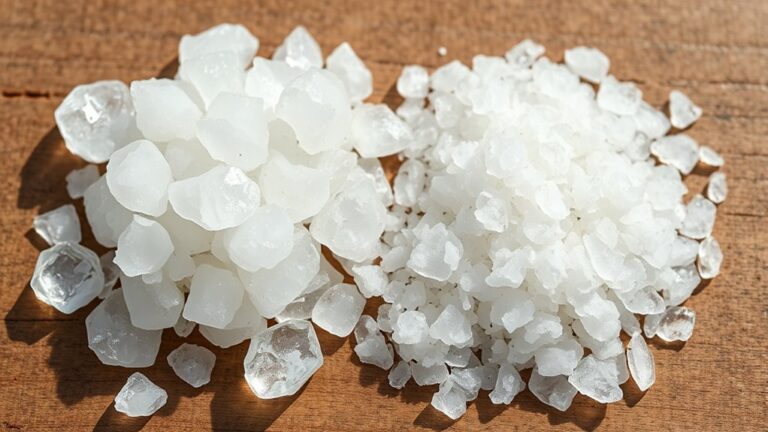
Think of salt as a gentle knight guarding your oral castle. Use plain, uniodized sea salt or regular table salt for rinsing.
These types are pure and free from additives that might irritate your healing gums. Avoid fancy flavored salts or those with added ingredients.
Simply mix a teaspoon of salt in a cup of warm water, and you’re ready for a soothing, effective rinse that promotes healing and fights infection.
How Long Should I Wait Before Starting Salt Water Rinses?
You should wait at least 24 hours after your extraction before starting salt water rinses. This gives the blood clot time to form properly and helps reduce the risk of dry socket.
During this first day, avoid rinsing vigorously. After 24 hours, you can gently rinse with warm salt water several times a day to help healing, reduce swelling, and keep the area clean.
Always follow your dentist’s specific instructions for the best results.
What Should I Do if Salt Water Causes Pain or Irritation?
If salt water causes pain or irritation, think of it as a gentle whisper rather than a shout. Rinse with a weaker solution—dissolve less salt in water—and avoid swishing vigorously.
If discomfort persists, stop rinsing and consult your dentist. They might suggest an alternative rinse or prescribe medication to soothe your gums.
Your comfort is the compass guiding your healing journey, so listen closely and adjust accordingly.
Are There Alternative Rinsing Methods for Sensitive Mouths?
Yes, if salt water irritates your mouth, you can try using a gentle, alcohol-free mouthwash or a diluted baking soda solution. These options can help reduce bacteria and soothe discomfort without causing pain.
Just be sure to rinse softly and avoid vigorous swishing. If your sensitivity continues, it’s a good idea to speak with your dentist for personalized advice and other options that might work better for you.
Conclusion
Remember, timing and technique are crucial when rinsing with salt water after extraction. For example, Sarah waited the recommended 24 hours before her first rinse, which helped prevent complications and sped up her healing.
By following proper steps and listening to your body, you’ll promote healing and avoid setbacks. If you’re unsure or experience unusual pain, don’t hesitate to check in with your dentist.
Your careful care now means a smoother recovery ahead, especially when doing salt water rinses at the right time.