When to Start Salt Water Rinse After Tooth Extraction and How to Do It
Are you worried about the healing process after a tooth extraction? Many people struggle with knowing when and how to care for the site properly. It’s completely normal to feel uncertain, but don’t worry—you’re not alone.
You should wait at least 24 hours after your tooth extraction before starting salt water rinses to protect the healing site.
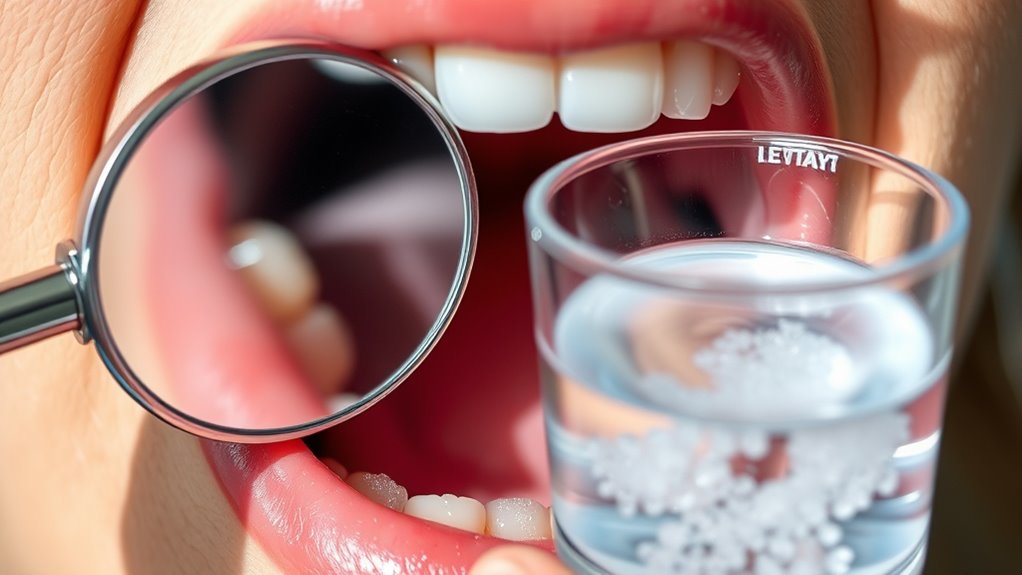
Gently swish with a warm salt water solution—about half a teaspoon in a cup of water—2 to 3 times daily.
Avoid rinsing too early or too vigorously, as it can disturb the blood clot and cause complications.
Keep informed on all the tips to guarantee a smooth recovery as you move forward.
Key Takeaways
- Wait at least 24 hours after your tooth extraction before starting salt water rinses.
- When you’re ready, rinse gently 2-3 times a day with a salt solution. This helps promote healing and lowers the risk of infection.
- Mix half a teaspoon of salt into a cup of warm water. Be sure the water isn’t too hot or too cold.
- Swish softly for about 30 seconds. Don’t apply too much pressure—just let the solution do its work.
- Gently spit out the rinse afterward.
- Be sure to follow your dentist’s specific instructions on when to start rinsing and how often to do it.
When Should You Start Salt Water Rinses After Tooth Extraction?
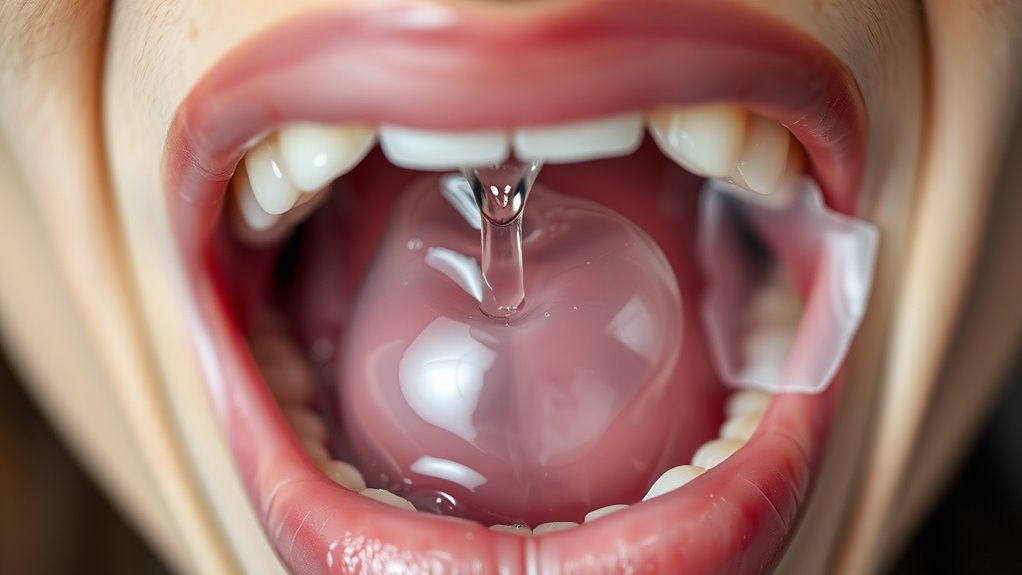
You should wait at least 24 hours after your tooth extraction before starting salt water rinses. During this initial period, your body’s natural clotting process begins to form a protective barrier over the extraction site.
Rinsing too early can disturb this clot, increasing the risk of bleeding or dry socket. After the first day, gentle rinses can help keep the area clean and reduce bacteria.
However, avoid vigorous swishing or using too much force, as this can dislodge the clot. Follow your dentist’s instructions carefully about when to start rinsing and how often.
Waiting at least 24 hours guarantees your healing process starts smoothly and minimizes complications. Always check with your dentist if you’re unsure about the timing.
Why Rinsing With Salt Water Helps Your Healing Process
Rinsing with salt water helps fight bacteria in your mouth, reducing the risk of infection. It also encourages your tissues to heal more quickly by keeping the area clean.
This simple step can make a big difference in your recovery process. It’s a easy, natural way to support healing and prevent complications.
Reduces Bacterial Growth
Salt water rinses help control bacterial growth in the mouth, which is essential for a smooth healing process after tooth extraction. Bacteria can easily invade the empty socket and cause infections, delaying recovery and increasing discomfort.
By rinsing with salt water, you create an environment that makes it harder for bacteria to thrive. Salt has natural antibacterial properties that help reduce the number of harmful microbes in your mouth.
Regular rinsing helps keep the extraction site clean, preventing bacterial buildup that could lead to infections or dry socket. This simple step supports your body’s natural healing defenses, ensuring a healthier, faster recovery.
Incorporating salt water rinses into your routine is a practical way to maintain oral hygiene and decrease the risk of complications.
Promotes Tissue Healing
By keeping the extraction site clean and free of bacteria, salt water rinses create an ideal environment for tissue repair.
When you rinse with salt water, it helps reduce inflammation and encourages blood flow to the area, speeding up healing.
The salt’s natural properties draw out excess fluids and debris, preventing infection and helping new tissue grow more efficiently.
This process not only minimizes discomfort but also supports healthy tissue formation around the extraction site.
Regular rinsing keeps the wound moist, which is essential for cell regeneration.
As a result, your body can rebuild tissue faster, reducing healing time and promoting a smoother recovery.
Using salt water as part of your post-extraction routine plays a key role in supporting your body’s natural healing process.
Risks of Rinsing Too Early or Too Aggressively
Starting to rinse too early or applying too much force can really slow down your healing. Rinsing too soon might disturb the blood clot in the socket, increasing the chance of dry socket, which delays healing and causes pain.
Aggressive rinsing can also dislodge tissue or debris, leading to more irritation or infection. If you rinse too forcefully, you might damage delicate tissue and slow your recovery.
It’s important to be gentle and wait until your dentist says it’s okay to rinse. Using a mild saltwater solution and swirling gently helps protect the healing site.
How Long Should You Wait Before Starting Salt Water Rinses?
Typically, you should wait at least 24 to 48 hours before starting salt water rinses, giving your mouth time to form a protective clot.
Look for signs of healing, like reduced swelling and less pain, to confirm it’s safe to begin rinsing.
Rinsing too early can disturb the healing process and cause more bleeding or infection.
Typical Waiting Period
After your tooth extraction, it’s important to wait until the initial healing phase has progressed enough before you start salt water rinses. Usually, most dentists recommend waiting about 24 to 48 hours after the procedure.
During this time, a blood clot forms in the socket, which is essential for proper healing. Starting rinses too early can disturb this clot and increase the risk of dry socket.
Once you’ve passed the first day or two, gentle rinsing can help reduce bacteria and promote healing. Just avoid vigorous swishing or using too much force.
Follow your dentist’s advice, but generally, waiting at least 24 hours gives your tissue enough time to start healing without risking complications.
Signs of Healing
Monitoring your healing progress helps determine when it’s safe to begin salt water rinses. Look for signs like reduced swelling, less pain, and the formation of healthy, pink gum tissue.
If the extraction site appears to be closing and there’s no ongoing bleeding or severe discomfort, your healing is progressing well. You may notice a slight decrease in sensitivity around the area, and the initial rawness should lessen.
These signs indicate your body is repairing tissue and forming new, protective layers. It’s important to wait until these signs are evident before starting salt water rinses.
Rinsing too early can disrupt the healing process, so patience is key. Once you observe these signs, you can safely begin gentle rinsing as advised by your dentist.
Risks of Premature Rinsing
Rinsing too soon after a tooth extraction can interfere with healing and increase the risk of complications. When you rinse prematurely, you might dislodge the blood clot that’s crucial for healing, which can lead to a painful condition called dry socket.
It can also introduce bacteria into the socket, causing infection. Plus, early rinsing may cause unnecessary bleeding or swelling. To avoid these problems, wait until your dentist gives you the go-ahead.
Remember, patience pays off. Here are some risks of rinsing too early:
- Dislodging the blood clot
- Delaying healing
- Increasing infection risk
- Causing dry socket
- Triggering more pain and swelling
How to Rinse Safely After Tooth Extraction: Step-by-Step
To rinse safely after a tooth extraction, it’s important to follow a gentle, step-by-step process. First, prepare your salt water solution according to your dentist’s instructions or a recommended recipe.
Rinse gently with salt water after extraction to protect your healing site and prevent complications.
Take a small sip, avoiding overfilling your mouth. Close your lips gently and tilt your head back slightly. Swish the solution slowly around the extraction site, making sure not to use vigorous movements that could disturb the blood clot.
Rinse for about 30 seconds, then spit it out softly into the sink. Repeat this process 2-3 times for the first few days, always being careful not to apply pressure.
Always rinse gently to prevent dislodging the blood clot and to promote healing without irritation.
What Are the Best Ingredients for Your Salt Water Rinse?
Choosing the right ingredients for your salt water rinse can make a big difference in helping your mouth heal after a tooth extraction. The main ingredient should be plain salt, which helps reduce bacteria and soothes irritated tissues.
You can also add a pinch of baking soda to neutralize acids and promote healing. Some people include a drop of hydrogen peroxide for extra antiseptic power, but use it sparingly.
For natural options, herbal teas like chamomile or sage can be soothing and have anti-inflammatory properties. Always make sure the ingredients are clean and used in proper proportions.
How Often Should You Rinse During Recovery?
During the initial days of recovery, it’s important to rinse your mouth carefully to avoid disturbing the blood clot and delaying healing.
Typically, you should rinse gently 2 to 3 times a day, especially after meals, to keep the area clean.
Rinse gently 2 to 3 times daily, especially after meals, to maintain oral cleanliness during healing.
Avoid rinsing too frequently, as this can dislodge the clot and cause bleeding or a dry socket.
Wait at least 24 hours after the extraction before starting salt water rinses, and then stick to gentle, controlled rinses.
When rinsing, use a diluted salt water solution and avoid vigorous swishing.
As healing progresses, your dentist might recommend increasing or adjusting rinsing frequency, but in the early days, less is more to protect your healing process.
Signs You’re Rinsing Properly or Overdoing It
Knowing whether you’re rinsing correctly can make a big difference in your healing process. If you rinse gently and at appropriate intervals, you support healing without causing harm.
Signs you’re doing it right include a mild, soothing sensation and no persistent bleeding. You should feel comfort rather than pain or throbbing.
On the other hand, overdoing it can slow recovery. Watch out for these signs:
- Persistent bleeding or increased swelling
- Pain that worsens after rinsing
- Gums feeling raw or tender
- Unusual taste or foul odor
- Dislodging blood clots or stitches
If you notice these, you might be rinsing too vigorously or too often. Adjust your technique accordingly to promote healing without irritating the extraction site.
Common Mistakes to Avoid When Using Salt Water Rinses
Avoid rinsing too soon after your extraction because it can disturb the healing process. It’s best to wait until the appropriate time recommended by your dentist.
Don’t use too much salt in your rinse, since excess salt can irritate your gums and cause discomfort. A small pinch or about half a teaspoon is enough.
Also, steer clear of rinsing too frequently, as it might put unnecessary stress on your mouth and slow down healing.
Rinsing Too Soon
Rinsing your mouth with salt water too soon after a tooth extraction can mess with the healing process and increase the risk of complications. If you rinse too early, you might dislodge the blood clot that’s forming, which can lead to a painful dry socket.
It can also introduce bacteria into the wound before it’s ready, raising the chance of infection. To avoid these problems, wait until your dentist says it’s okay to start rinsing.
Be cautious of these common mistakes:
- Rinsing within the first 24 hours after extraction
- Using a vigorous or forceful rinse
- Swishing too hard or too often
- Using overly hot or cold water
- Not following the recommended timing for rinsing
Using Excess Salt
Using too much salt in your rinse can do more harm than good, so it’s important to stick to the recommended amount. Excess salt can irritate your soft tissues, delay healing, and cause discomfort.
When preparing your rinse, use about half a teaspoon of salt in a cup of warm water. Avoid the temptation to add more, as higher concentrations aren’t more effective and can damage your healing tissue.
Overly salty solutions may also cause a burning sensation, discouraging you from rinsing properly. Remember, the goal is to gently cleanse the area, not to cause additional irritation.
Following the correct salt-to-water ratio helps promote healing without risking unnecessary discomfort or complications.
Overdoing Frequency
While salt water rinses can help with healing, doing them too often can actually slow things down. Overdoing it can irritate your gums, delay tissue recovery, and even cause bleeding.
You might think rinsing more often means faster healing, but that’s not the case. Too much rinsing can disturb the blood clot and open the wound, increasing the chance of infection.
To avoid problems, stick to the recommended number of rinses each day. Be careful not to rinse more than 2 or 3 times daily.
Also, avoid using overly strong salt solutions or rinsing immediately after meals. Rinsing too vigorously can do more harm than good.
Don’t forget to follow your dentist’s instructions—that’s the best way to support your healing process.
Balance is key—gentle rinsing at the right times helps healing without setbacks.
Additional Tips to Accelerate Healing Beyond Rinsing
To boost your healing after a tooth extraction, try gentle salt water rinses along with other supportive practices. Keeping good oral hygiene is important—brush softly and avoid the extraction site initially.
Eat soft, nutritious foods like yogurt, smoothies, and mashed vegetables to help tissue repair. Staying well-hydrated supports healing and reduces the risk of dry socket.
Avoid smoking and alcohol since they slow blood flow and delay recovery. When resting, keep your head elevated to help reduce swelling. Using cold packs during the first 24 hours can help control inflammation.
Prioritize rest and stress reduction because they strengthen your immune system. Combining these tips with rinsing can speed up healing and help prevent complications.
When to Consult Your Dentist About Your Healing Progress
Monitoring your healing progress is key to ensuring a smooth recovery after a tooth extraction.
You should check in with your dentist if you notice any of these signs:
- Increased swelling or pain that doesn’t get better
- Excessive bleeding or blood clots coming loose
- Persistent bad taste or foul smell
- Fever or chills developing
- Any unusual or worsening symptoms
Regular check-ins help catch problems early and keep your healing on track. If you experience any of these, don’t hesitate to reach out to your dentist right away. They can assess your condition, provide treatment, and give reassurance.
Frequently Asked Questions
Can Salt Water Rinses Cause Dry Socket?
Salt water rinses usually don’t cause dry socket if you follow your dentist’s instructions, especially about when to start rinsing.
However, rinsing too early or too vigorously might disturb the blood clot and raise the risk of dry socket.
To avoid this, wait until your dentist says it’s safe, then gently rinse with warm salt water.
Always follow their guidance to promote healing and prevent complications.
Are There Alternative Rinsing Solutions for Tooth Extraction?
Think of alternative rinses as your trusty sidekicks in healing. You can use a gentle hydrogen peroxide solution diluted with water or a prescribed mouthwash recommended by your dentist.
These options help reduce bacteria and soothe your gums, much like salt water does. Just make sure you follow your dentist’s instructions, avoid harsh chemicals, and rinse gently to support your recovery without risking complications.
How Does Salt Water Affect Different Types of Extraction Sites?
Salt water helps reduce bacteria and soothe your extraction site, but its effects vary depending on the site type.
For a simple extraction, it promotes healing and prevents infection.
In cases of surgical or more complex sites, it can help reduce swelling and inflammation more effectively.
Always follow your dentist’s instructions, and avoid rinsing aggressively to prevent dislodging clots or disrupting healing.
Can Children Use Salt Water Rinses Safely?
Yes, children can use salt water rinses safely, but you should wait until the extraction site has started healing and your child’s dentist approves.
Use a mild saltwater solution—about half a teaspoon of salt in a cup of warm water—and supervise your child to ensure they rinse gently without swallowing.
This helps reduce bacteria, soothe the area, and promote healing, making it a safe and effective part of post-extraction care.
What Should I Do if Salt Water Causes Pain or Irritation?
If salt water causes pain or irritation, think of it like a fire burning too bright—don’t ignore it. Rinse with warm water first to soothe your gums, then reduce the salt concentration in your rinse or stop using it temporarily.
You can also try gentle, shorter rinses, and avoid spitting forcefully. If the pain persists, see your dentist promptly to prevent infection and ensure proper healing.
Conclusion
In conclusion, starting salt water rinse after tooth extraction at the right time can really help your healing process.
But rushing or rinsing too aggressively can cause setbacks, so it’s important to be gentle. Follow your dentist’s advice closely.
Avoid common mistakes, and remember that patience is key. Think of it as tending to a delicate garden—you need care and time.
With proper care, you’ll be back to your healthy smile sooner than you might expect.