Does Gargling Salt Water Help Toothache?
Many people struggle with toothaches, and finding quick relief can be a real challenge. If you’re looking for simple, accessible remedies, gargling with salt water might be worth trying.
Gargling with salt water can offer temporary relief for toothache by reducing inflammation and fighting bacteria. It creates a hypertonic environment that helps draw out excess fluid from inflamed tissues, which eases pain.
However, it’s not a cure for underlying issues and works best for mild discomfort. Be cautious not to overuse it, and remember that persistent pain needs professional attention.
Keep going to uncover more about how this simple remedy can help and when to see a dentist.
Key Takeaways
- Salt water gargling can temporarily reduce toothache pain, especially if the discomfort is mild.
- Its antibacterial properties help decrease inflammation and bacterial growth in your mouth.
- Gargling with salt water also promotes healing of minor oral wounds and reduces swelling.
- Keep in mind, it offers short-term relief but isn’t a replacement for professional dental treatment.
- Overdoing it might cause irritation or other issues with your oral tissues, so it’s best to use it in moderation.
Does Gargling With Salt Water Really Help Toothache Pain?
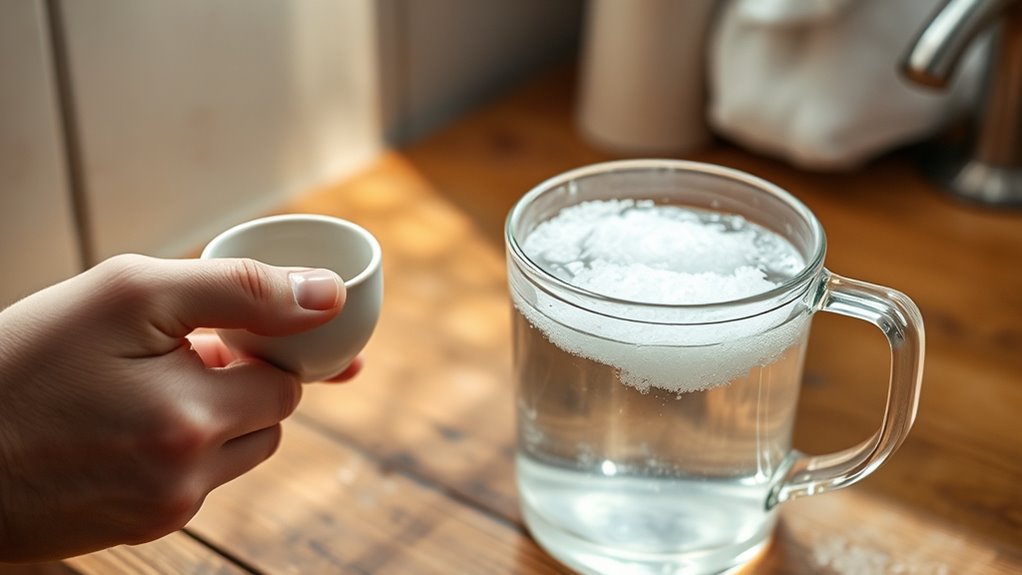
Does gargling with salt water really ease toothache pain? Many people believe it can, and there’s some truth to that. When you gargle, the salt water helps draw out fluid from inflamed tissues, reducing swelling and discomfort temporarily. It also creates an environment that discourages bacteria growth around your infected tooth, which can help prevent the pain from getting worse.
However, it’s important to remember that salt water doesn’t treat the underlying cause of the toothache. It’s more of a soothing remedy to ease symptoms for a short time. If your pain persists or becomes severe, you should see a dentist. Gargling with salt water can provide quick relief, but it’s not a substitute for professional dental care.
How Salt Water Gargling Can Reduce Tooth Pain and Infection
Gargling salt water can help reduce bacteria in your mouth, which lowers the risk of infection. It also soothes your tooth and gums, making the pain feel less intense.
Plus, it encourages faster healing by keeping the area clean and free of harmful germs. This simple step can make a big difference in how quickly you recover.
Reduces Bacterial Growth Effectively
Salt water has natural antibacterial properties that can help fight the bacteria responsible for tooth infections and pain. When you gargle with salt water, it creates an environment that’s hostile to harmful bacteria, preventing their growth and spread. This helps lower the bacterial load in your mouth, reducing the risk of infection and easing discomfort.
To get the most benefit, keep these points in mind:
- Salt draws water out of bacterial cells through osmosis, killing or slowing their growth.
- Regular gargling helps prevent bacteria from forming tough biofilms that are harder to eliminate.
- The salt disrupts bacterial cell membranes, making survival more difficult for bacteria.
- Good oral hygiene with salt water can reduce overall bacteria, supporting healing.
Using salt water consistently helps keep bacterial growth under control and promotes better oral health.
Soothes Tooth and Gums
When you rinse your mouth with salt water, it can provide quick relief by reducing inflammation and soothing irritated tissues in your tooth and gums. The salt helps draw out excess fluid from swollen areas, decreasing swelling and discomfort.
It also acts as a mild anesthetic, numbing nerve endings and calming sharp pain. As you gargle, the salt water reaches hard-to-access areas, easing irritation caused by minor cuts or gum inflammation.
This soothing effect can make it easier to eat, talk, or sleep without constant discomfort. Regular rinsing with salt water creates a calming environment in your mouth, preventing further irritation and helping you feel more comfortable.
It’s a simple, natural way to quickly ease tooth and gum soreness.
Promotes Faster Healing
By reducing inflammation and soothing irritated tissues, salt water rinses not only provide immediate relief but also create an environment conducive to faster healing. When you gargle with salt water, it helps eliminate bacteria and decreases the risk of infection that can delay recovery. This promotes tissue regeneration and speeds up the healing process.
To get the most benefits, keep these key points in mind:
- Reduces bacterial growth to limit infection risk.
- Balances pH levels to make it harder for harmful microbes to thrive.
- Decreases swelling to lessen pain and discomfort.
- Supports tissue repair by encouraging faster regeneration of damaged tissues.
Using salt water regularly can make a noticeable difference in how quickly your tooth and gums recover.
When and How to Use Salt Water Gargles for Tooth Relief
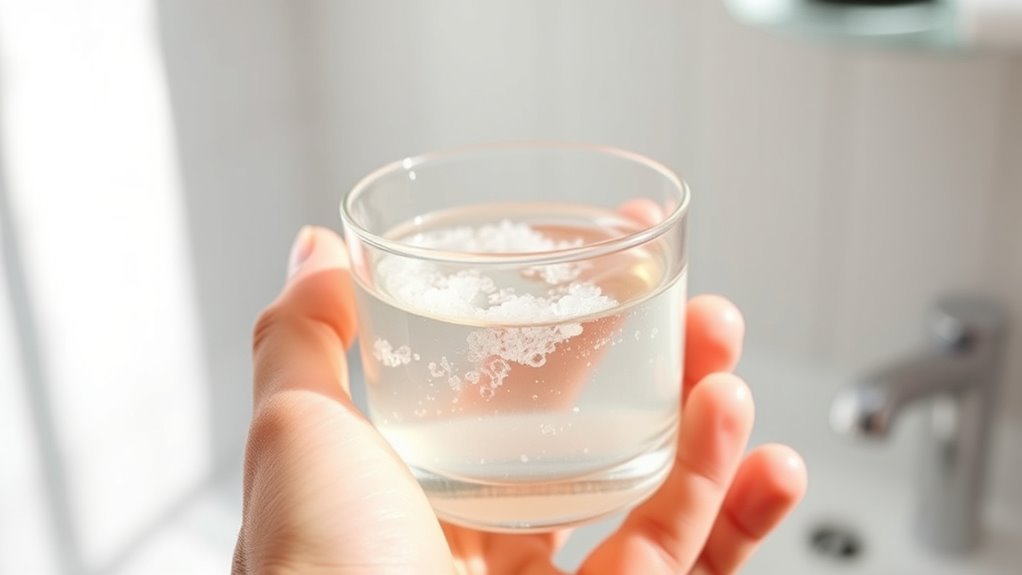
You should gargle with salt water as soon as you notice tooth pain or swelling. To make the solution, mix about half a teaspoon of salt in a glass of warm water until it dissolves.
Make sure to gargle for at least 30 seconds, swishing the solution around your mouth before spitting it out. This simple step can help soothe discomfort and reduce inflammation.
Timing for Gargling
Timing is key to getting the most relief from salt water gargling for a toothache. Knowing when to gargle can really help ease your discomfort.
Try to gargle right after you notice pain or discomfort. Doing it consistently, about 2-3 times a day, can make a difference.
Avoid gargling just before you eat or drink, as it might cause some discomfort. Use the salt water as soon as symptoms flare up for quick relief.
Proper Preparation Method
To prepare an effective salt water gargle, start by mixing half a teaspoon of salt into a cup of warm water until fully dissolved. Make sure the water isn’t too hot to avoid burns, but warm enough to soothe your throat and help the salt dissolve.
Once mixed, take a small sip—just enough to reach the back of your throat comfortably. Tilt your head back slightly and gargle for about 30 seconds, ensuring the solution reaches the affected area.
Avoid swallowing the salt water, and spit it out after gargling. Repeat this process 2-3 times per session. Doing so helps maximize the salt’s antibacterial properties while minimizing discomfort.
Use this method consistently for relief, especially after meals or before bed.
Are There Risks or Limitations to Using Salt Water for Toothaches?
While rinsing with salt water can give you temporary relief from a toothache, there are some risks and limitations to keep in mind.
First, overusing salt water can irritate your gums and oral tissues, which might make your sensitivity or discomfort worse.
Second, salt water isn’t a replacement for professional dental care. It won’t fix underlying issues like infections or cavities.
Third, swallowing large amounts of salt water can cause dehydration or upset your electrolyte balance.
Fourth, if you have high blood pressure or kidney issues, too much salt might make your condition worse.
Overall, salt water rinses are generally safe if used in moderation. But don’t rely on them alone—see a dentist if your pain persists or you notice other symptoms.
Other Home Remedies That Work Well With Salt Water Gargling
Combining salt water gargles with other home remedies can make them more effective in soothing a toothache. For example, applying a cold compress on your cheek helps numb the pain and reduce swelling.
You can also use clove oil, which acts as a natural anesthetic. Rinsing with hydrogen peroxide adds antibacterial action and can help reduce inflammation.
Here’s a simple table to organize these remedies:
| Remedy | Purpose |
|---|---|
| Cold Compress | Numbs pain and reduces swelling |
| Clove Oil | Acts as a natural anesthetic |
| Hydrogen Peroxide | Clears bacteria and reduces inflammation |
| Tea Bag | Contains tannins that soothe pain |
Using these remedies together can give you more relief. Just be careful not to overuse or mix them in a way that might cause irritation.
When to See a Dentist for Your Toothache
Although home remedies like salt water gargles and cold compresses can give you temporary relief, they aren’t a substitute for professional dental care.
You should see a dentist if your toothache lasts or gets worse after a couple of days.
Also, seek dental help if you notice severe pain that doesn’t go away, swelling around your gums or face, fever, or a bad taste in your mouth.
If you’re having trouble swallowing or opening your mouth, don’t wait—these symptoms could mean an infection or abscess that needs urgent treatment.
Ignoring these signs can lead to more serious health problems.
Don’t delay seeing a dentist—they can diagnose the problem and provide the right treatment to prevent complications.
Frequently Asked Questions
Can Salt Water Gargling Help With Tooth Abscess?
Salt water gargling can temporarily soothe a tooth abscess by reducing bacteria and easing discomfort, but it doesn’t treat the infection itself. You should see a dentist promptly for proper diagnosis and treatment, which may include antibiotics or drainage.
Meanwhile, salt water can help keep the area clean and reduce inflammation, but it’s not a substitute for professional care. Don’t delay seeking dental help if the abscess is persistent or getting worse.
How Often Should I Gargle With Salt Water for Tooth Pain?
You should gargle with salt water about two to three times daily for tooth pain. It’s like giving your mouth a mini spa treatment—simple, cheap, and surprisingly effective.
Just mix a teaspoon of salt in warm water, swish around for 30 seconds, then spit. Don’t overdo it; too much salt might irritate your gums further.
Consistency is key, so stick with it for the best relief.
Does Salt Water Gargling Work Instantly for Toothache Relief?
Gargling salt water doesn’t provide instant relief for a toothache, but it can help reduce inflammation and bacteria over time. When you gargle, the saltwater soothes the irritated area, easing discomfort temporarily.
However, for immediate pain relief, you should consider using over-the-counter pain relievers or applying a cold compress. Regular salt water rinses can support healing, but don’t rely on them for instant relief.
If the pain persists, see a dentist to get it checked out.
Are There Any Specific Salt Types Best for Gargling?
You should use plain, uniodized table salt or sea salt for gargling. These types dissolve well in warm water, creating an effective saline solution to reduce inflammation and kill bacteria.
Avoid using specialty salts like Himalayan or Epsom, as they may contain additives or minerals not suitable for gargling. Make sure to mix about half a teaspoon of salt in a glass of warm water for safe, effective relief.
Can Children Safely Use Salt Water Gargles for Toothaches?
Yes, children can safely use salt water gargles for toothaches when done correctly. About 80% of parents find this home remedy effective for minor dental discomfort.
Make sure your child swishes with warm salt water for about 30 seconds, then spits it out—never swallow. Keep the salt concentration mild, about half a teaspoon in a cup of warm water, to avoid irritation or ingestion issues.
Conclusion
While salt water gargles can be a gentle way to ease your tooth discomfort, they’re best seen as a temporary lighthouse rather than the full harbor. If your pain persists or deepens, don’t hesitate to seek professional care.
Your smile deserves more than just a fleeting shadow of relief. Trust your dentist to navigate the true course to comfort. Remember, sometimes the brightest dawn comes after the storm.
Listen to your body’s signals and act accordingly. Gargling salt water can help, but it’s important to get to the root of the problem for lasting relief.