When Should I Start Salt Water Rinse After Tooth Extraction?
Many people struggle with knowing the right steps to take after a tooth extraction. It’s normal to feel unsure about how to care for your mouth during recovery. You’re not alone in wanting to heal quickly and avoid complications.
You should wait about 24 to 48 hours after your tooth extraction before starting salt water rinses. During this time, your bleeding should slow, and the blood clot should be stable enough to handle gentle rinsing.
Avoid vigorous swishing or using hot water, as this can dislodge the clot and cause complications.
To learn more about proper rinsing techniques and essential recovery tips, keep exploring this guide.
Key Takeaways
- Wait 24 to 48 hours after your extraction before you start salt water rinses.
- Only rinse once the bleeding has slowed down and the blood clot looks like it’s still there.
- When you do rinse, be gentle. Hold the rinse in your mouth for about 30 seconds.
- Do this 2 to 3 times a day.
- Be careful not to rinse too early or too vigorously. You don’t want to dislodge the blood clot.
- Make sure to follow your dentist’s specific instructions for your healing process.
When Is the Best Time to Rinse After Tooth Extraction?
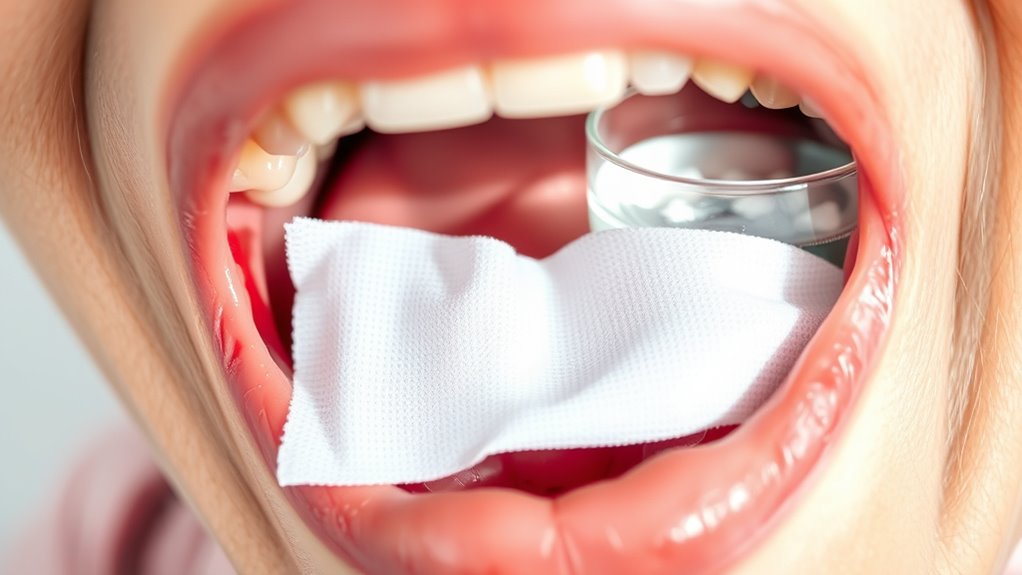
When is the right moment to start rinsing your mouth after a tooth extraction? You should wait until the initial bleeding has slowed considerably, usually about 24 hours after the procedure.
Wait about 24 hours after extraction before gently rinsing your mouth.
During this time, avoid rinsing or spitting vigorously because it can dislodge the blood clot forming in the socket. Gentle rinsing too early can disturb healing and cause complications like dry socket.
Once the bleeding reduces and you’re no longer actively bleeding, you can start rinsing lightly. Start with plain water initially and be gentle. Your dentist might give specific instructions based on your situation, so it’s important to follow their advice.
Rushing to rinse too soon can interfere with healing, so patience is key.
How Long Should You Wait Before Using Salt Water Rinses?
After your initial bleeding has stopped and you can rinse gently without disturbing the blood clot, wait at least 24 to 48 hours before starting salt water rinses.
This waiting period helps the blood clot stabilize, which is key for proper healing and to prevent dry socket. During this time, avoid vigorous rinsing or spitting, as it can dislodge the clot.
Once you’re comfortable rinsing gently without bleeding or pain, you can start using warm salt water. Use about half a teaspoon of salt in a cup of warm water and rinse gently for 30 seconds, twice a day.
Waiting this period gives your mouth time to begin healing and reduces the risk of complications.
Signs You’re Ready to Start Rinsing
You’ll know you’re ready to start rinsing when bleeding and swelling have decreased quite a bit.
Pain should be manageable, and the blood clot in the socket should stay in place without coming out.
If these signs are clear, it’s a good time to start gentle salt water rinses.
Reduced Bleeding and Swelling
Once bleeding and swelling start to go down, it’s a good sign your mouth is healing. Reduced bleeding means your clot is stabilizing, and less swelling shows progress.
At this point, rinsing can help keep the area clean and prevent infection without messing with the healing. You’ll likely notice fewer blood spots on your gauze or saliva, and swelling should look better.
If you’re comfortable and the bleeding has slowed a lot or stopped, it’s safe to gently rinse. Use warm salt water and rinse softly so you don’t dislodge the blood clot.
This step helps promote healing and lowers the risk of complications.
Pain Levels Subsiding
When your pain levels start to decrease noticeably, it’s a good sign that your mouth is ready for rinsing. This means the initial discomfort is easing, and your healing is moving forward.
You should feel less throbbing and tenderness around the extraction site. But don’t rush into rinsing too early because your tissue still needs time to stabilize.
Look for signs like minimal or no sharp pain when opening your mouth, reduced soreness around the area, and no persistent throbbing or swelling getting worse.
If these signs are present, it’s probably safe to start gentle rinsing. Always follow your dentist’s instructions and be cautious to avoid disrupting your healing.
No Dislodgement of Clot
Before starting to rinse, make sure the blood clot is still securely in place. You shouldn’t see any signs of it coming loose, like bleeding or a visible hole in the extraction site.
If the clot looks intact, it’s a good sign you’re ready to gently rinse. Just avoid vigorous swishing, as that can disturb the clot.
You might notice some soreness or light bleeding, but as long as the clot stays put, rinsing helps keep the area clean. If you see the clot loosen, more bleeding, or the socket appearing exposed, wait a little longer before rinsing.
Keeping the clot in place is key for proper healing and avoiding dry socket complications.
How to Do Salt Water Rinses Properly After Your Extraction
To do salt water rinses correctly, start by preparing a solution with warm water and a teaspoon of salt.
Use gentle, circular motions to rinse your mouth, making sure not to disturb the extraction site.
Rinse several times a day, especially after meals, but avoid overdoing it to prevent irritation.
Proper Rinse Preparation
Preparing a salt water rinse correctly is key to helping your healing process and avoiding infections after a tooth extraction. To do this, dissolve half a teaspoon of salt in eight ounces of warm water.
Make sure the water is comfortably warm, not hot, so it doesn’t irritate your tissues. Stir well until the salt is fully dissolved. Before rinsing, wash your hands thoroughly to keep bacteria away.
Use a clean cup each time you rinse to stay hygienic. Remember, getting the right salt concentration is important; too much salt can cause irritation, while too little won’t be effective.
Correct Rinse Technique
Gently swish the salt water around your mouth, making sure it reaches all areas of the extraction site. Use a gentle, circular motion to avoid disturbing the blood clot.
Don’t spit vigorously. Instead, tilt your head to one side and rinse softly. Hold the rinse in your mouth for about 30 seconds before spitting out.
Here’s a quick guide to proper technique:
| Step | Purpose |
|---|---|
| Gentle swishing | Prevents disruption of healing tissue |
| Rinsing duration | Ensures effective cleaning without irritation |
| Spitting carefully | Avoids dislodging the blood clot |
| Frequency awareness | Keeps healing conditions ideal |
Following these steps helps promote healing and reduce complications.
Frequency of Rinsing
After your extraction, it’s important to establish a rinsing routine that supports healing without causing damage. Usually, you should rinse with salt water 2-3 times a day, especially after meals, to keep the area clean.
Avoid over-rinsing, as it can disturb blood clots and slow down healing. Wait at least 24 hours before starting salt water rinses, then stick to the recommended frequency.
Pay attention to these key points:
- Rinse gently to avoid dislodging the clot
- Do not rinse more than 3 times daily
- Wait 24 hours after extraction before starting rinses
Sticking to this routine helps promote healing while minimizing the risk of infection or complications.
Mistakes to Avoid When Rinsing Too Soon
Rinsing too soon after a tooth extraction can interfere with healing and cause unnecessary problems. If you rinse too early, you might dislodge the blood clot that’s forming, which increases the risk of dry socket.
Avoid vigorous swishing or spitting, as these can disturb the surgical site. Don’t use hot water either, since it can irritate tissues and slow down healing.
Stay away from alcohol-based mouthwashes or harsh chemicals because they can irritate the wound and delay recovery. Also, don’t rinse excessively or multiple times in a short period—this can cause irritation and bleeding.
Wait until your dentist tells you it’s okay to start rinsing again. Usually, this is after the initial healing phase, so you can protect the area and promote proper healing.
How Salt Water Rinses Help Prevent Infection and Dry Socket
Salt water rinses are a great way to keep the extraction site clean and help prevent infection. They help flush out bacteria, food particles, and debris that can cause complications.
Regular rinsing promotes healing by reducing bacterial buildup around the wound. Using warm salt water also helps prevent dry socket, a painful condition where the blood clot dissolves or dislodges.
To get the most benefit, make sure your rinse solution is warm and the salt is dissolved thoroughly. Remember:
- Salt water creates an environment that’s tough for bacteria to survive
- It encourages proper blood clot formation
- It helps reduce inflammation and discomfort
Consistent rinsing as directed supports healing and minimizes the risk of infection, helping you recover smoothly.
Recovery Tips and When to See Your Dentist
Maintaining proper recovery habits is key to ensuring your mouth heals smoothly after a tooth extraction. Follow your dentist’s instructions carefully, including how and when to rinse.
Proper recovery habits are essential for a smooth healing process after tooth extraction.
Keep up with gentle brushing and avoid the extraction site to prevent irritation. Stick to a soft diet and avoid hot, spicy, or crunchy foods that could interfere with healing.
Watch out for persistent pain, excessive bleeding, or swelling that gets worse over time. These could be signs of complications. Make sure to schedule follow-up appointments as recommended, even if you feel fine.
If you experience severe pain, fever, or signs of infection, contact your dentist immediately. Quick action helps prevent complications and supports a smooth recovery.
What If You Rinse Too Early?
If you rinse too early after a tooth extraction, you risk disturbing the blood clot that’s forming in the socket. This can lead to a painful condition called dry socket, which delays healing and makes you uncomfortable.
Rinsing too soon can also cause bleeding or re-open the wound, making recovery harder. To avoid this, wait at least 24 hours before starting salt water rinses, as your dentist recommends.
Be mindful of these risks:
- Dislodging the blood clot, leading to dry socket
- Increased pain and discomfort
- Delayed healing process
Waiting the right amount of time helps protect your healing site and reduces complications. Follow your dentist’s advice to ensure a smoother recovery.
Frequently Asked Questions
Can I Use Mouthwash Instead of Salt Water for Rinsing?
You shouldn’t use mouthwash instead of salt water for rinsing after a tooth extraction.
Salt water is gentle, helps reduce bacteria, and promotes healing without irritating the extraction site.
Mouthwash often contains alcohol or other chemicals that can cause discomfort or delay healing.
Stick to salt water rinses as advised by your dentist, usually starting 24 hours after the procedure, to guarantee proper healing and minimize complications.
Are There Any Risks to Rinsing Too Early?
Rinsing too early can disturb the blood clot, leading to dry socket and delayed healing. You shouldn’t rinse vigorously or too soon after your extraction, usually for at least 24 hours.
Gentle rinses with salt water after this period help keep the area clean without risking complications. Always follow your dentist’s instructions to minimize risks and promote proper healing.
If you’re unsure, ask your dentist for personalized advice.
How Often Should I Rinse Daily During Recovery?
You should rinse with salt water about two to three times daily during your recovery.
Start gentle rinsing after the first 24 hours, and avoid swishing too vigorously to prevent disturbing the healing site.
Use a warm salt water solution, about half a teaspoon of salt in a cup of warm water.
Consistently rinsing helps reduce bacteria, soothe discomfort, and promote healing, but don’t overdo it.
What Natural Remedies Can I Use Besides Salt Water?
Sure, why not turn your mouth into a herbal spa? Besides salt water, try rinsing with chamomile tea or a dilute hydrogen peroxide solution.
These natural remedies can soothe inflammation and promote healing. Just make sure you’re not overdoing it—after all, your mouth isn’t a potion-brewing cauldron.
Use gentle, diluted solutions, and always follow your dentist’s advice to avoid turning recovery into a chaotic herbal experiment.
Should I Avoid Rinsing if I Experience Bleeding?
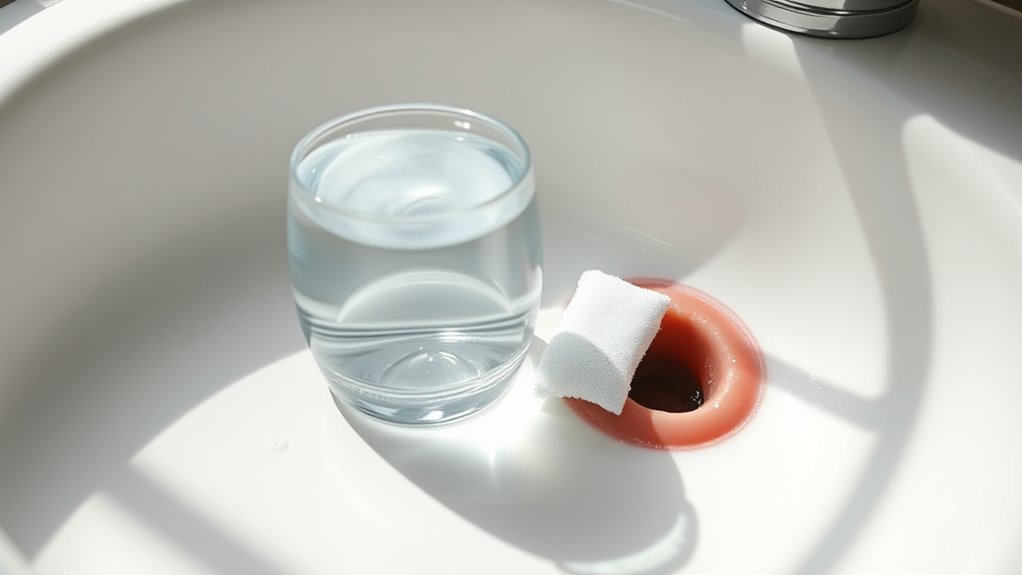
If you experience bleeding, it’s best to avoid rinsing immediately because it can disturb the blood clot and cause more bleeding. Instead, gently bite on a clean gauze pad to help stop the bleeding.
Once the bleeding subsides, you can start rinsing with salt water as recommended by your dentist. Always follow their instructions, and if bleeding continues, contact your dental professional for advice.
Conclusion
Think of your mouth as a delicate garden—you wouldn’t water new seedlings too soon or risk washing away the nutrients. Waiting until your dentist gives the green light to start salt water rinses helps prevent complications like dry socket or infection.
Just like tending a garden, patience and proper care guarantee a healthy, swift recovery. Trust your body’s signals and follow your dentist’s advice.
Soon, you’ll be back to smiling freely, flourishing like that garden in full bloom. Starting salt water rinses at the right time is key to a smooth healing process.