
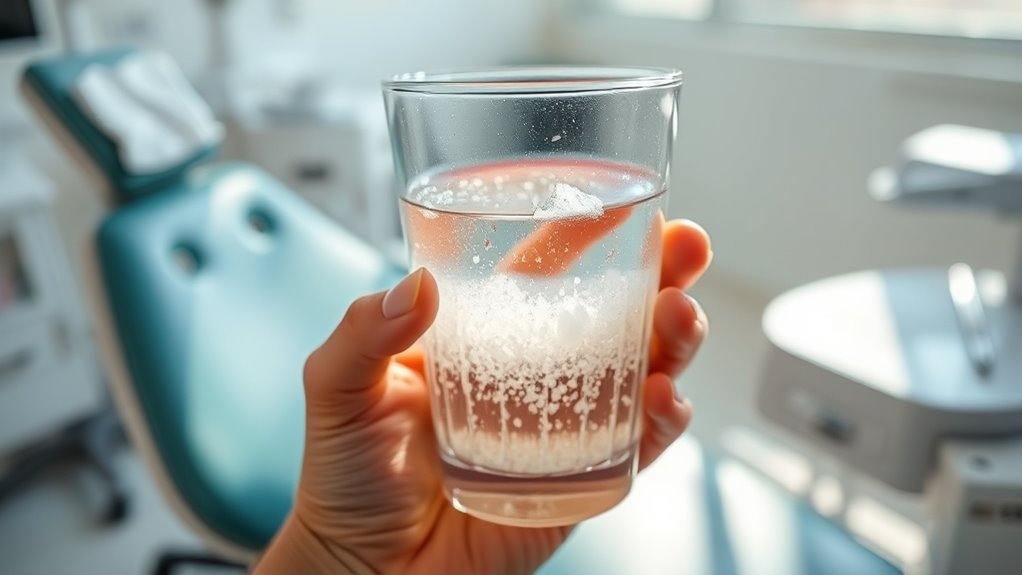
When to Start Salt Water Rinse After Tooth Extraction – A How-To Guide
Many people struggle with the discomfort and healing process after a tooth extraction. It’s completely normal to feel unsure about when to start salt water rinses and how to do it properly.
You’re not alone in wanting to ensure a smooth recovery with less pain and faster healing.
You should wait at least 24 hours after your tooth extraction before starting salt water rinses. Once bleeding has slowed, a blood clot has formed, and your gums look healthy, you can start gentle rinsing with a warm salt water solution.
Avoid vigorous motions to prevent dislodging the clot.
Following proper timing and techniques helps reduce discomfort and speeds healing. To uncover detailed steps and tips for a smooth recovery, keep exploring.
Key Takeaways
- Wait at least 24 hours after tooth extraction before starting gentle salt water rinses.
- Make sure the bleeding has slowed down and a stable blood clot has formed before you begin rinsing.
- After the first day, start rinsing with a mild salt water solution, just as your dentist recommends.
- Rinse 2 to 3 times a day. Be gentle—avoid vigorous swishing so you don’t dislodge the clot.
- Follow your dentist’s instructions carefully and keep an eye on how your healing is progressing.
When Is It Safe to Start Rinsing My Mouth After Tooth Extraction?
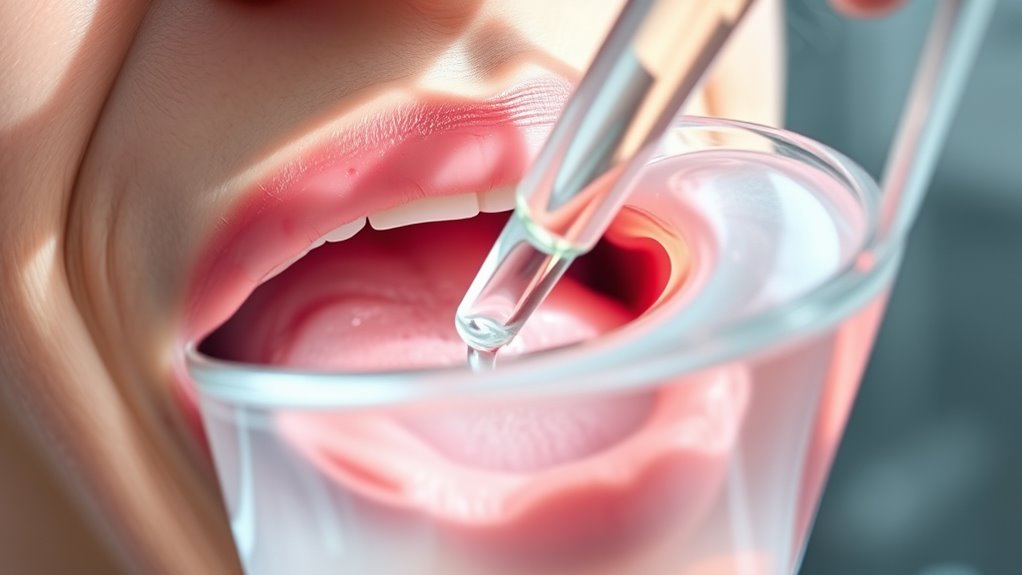
After a tooth extraction, it’s important to wait until the initial bleeding has slowed and a blood clot has formed in the socket before you start rinsing. This blood clot is essential because it protects the underlying bone and nerves, promoting proper healing.
Typically, you should wait at least 24 hours before gently rinsing your mouth. During this period, avoid vigorous swishing or spitting, as these actions can dislodge the clot and cause dry socket.
Wait at least 24 hours before gentle rinsing to protect the blood clot and avoid dry socket.
You can begin rinsing with a mild salt water solution after the first day, but only with gentle, controlled movements. Always follow your dentist’s instructions for timing, and don’t rush the process.
Rushing to rinse too early can delay healing or lead to complications, so be patient and careful.
What Happens During the First Days of Healing?
In the first days after your tooth extraction, you might notice swelling and some discomfort as your body begins to heal.
Bleeding may occur initially but should slow down as a clot forms to protect the site.
During this time, your body is starting the healing process and laying the groundwork for tissue repair.
Swelling and Discomfort
During the first days of healing, swelling and discomfort are common as your body responds to the extraction. You might notice your face looking a bit puffier or feeling tight around the jaw. This swelling is your body’s natural response to protect the area and start healing.
Discomfort, such as aching or throbbing, often comes with it. Over-the-counter pain relievers can help manage this pain. Applying an ice pack for 15-minute intervals reduces swelling and numbs the area.
Keep your head raised, especially when sleeping, to minimize fluid buildup. Remember, some swelling and discomfort are normal, but if they worsen or don’t improve after a few days, contact your dentist.
Staying on top of post-op care supports smoother healing and reduces complications.
Bleeding and Clot Formation
Swelling and discomfort are common in the early days, but bleeding and clot formation are also important parts of healing. When you have a tooth pulled, your body quickly works to form a blood clot at the site.
This clot acts like a protective barrier, stopping bleeding and starting the healing process. It’s normal to see some bleeding at first, but it should slow down within a few hours. You can help by gently biting on gauze to apply pressure.
Try to avoid rinsing or spitting vigorously, as it can dislodge the clot. Keeping the area undisturbed is key to making sure the clot stays in place. This helps ensure proper healing and prevents issues like dry socket.
Initial Healing Process
The first few days after a tooth extraction are really important for healing. Your body works to stabilize the area and keep infection away. During this time, a blood clot forms to protect the bone and nerves underneath.
This clot is crucial for healing and needs to stay undisturbed. As days go by, your body starts creating new tissue to fill the socket. You might notice some swelling, mild discomfort, or slight bleeding, which are all normal.
It’s really important to keep the area clean but avoid disturbing the clot. Don’t rinse vigorously or use straws, because these actions can dislodge the clot and slow down healing. Taking good care during this phase helps your tissue grow healthy and lowers the risk of complications.
Signs That Your Mouth Is Ready for Salt Water Rinses
Once swelling and pain start to lessen, your gums show signs of healing.
If bleeding has stopped and your gums look healthy, it’s a good sign you’re ready for salt water rinses.
When these signs appear, you can safely start rinsing to help your healing process.
Reduced Swelling and Pain
When the discomfort from swelling and pain begins to subside, it signals that your mouth may be ready for salt water rinses. You should notice less throbbing and tenderness around the extraction site.
The swelling should decrease, and the area might feel more comfortable and less tender to touch. If you find that your pain is manageable and the swelling is visibly reduced, it’s a good indicator that your mouth is healing well.
At this stage, gentle rinsing can help prevent infection and promote further healing. Make sure you’re not experiencing sharp pain or excessive swelling before starting salt water rinses.
These signs show your tissues are stabilizing, and rinsing will support your recovery without causing irritation.
Evident Gums Healing
As your gums show clear signs of healing, it’s a good indication that your mouth is ready for salt water rinses. Look for healthy, pink tissue without excessive swelling or redness. You might notice your gums beginning to close around the extraction site, signaling that the initial healing phase is progressing well.
This suggests your tissue can handle gentle rinses to promote cleanliness and prevent infection. The gum tissue appears firm and resilient, with no persistent bleeding or soreness. The wound edges seem to be closing and stabilizing.
Absence of Bleeding
The absence of bleeding is a clear sign that your mouth is ready for salt water rinses. If your gums no longer bleed when you gently touch the extraction site or when you chew, it shows healing is happening.
You shouldn’t see any fresh blood or oozing from the socket. This indicates that the blood clot has stabilized and the tissue is healing properly.
Waiting until the bleeding stops helps prevent disturbing the healing process and lowers the risk of complications. Once you notice no bleeding, you can start rinsing with salt water to keep the area clean and reduce bacteria.
How to Prepare a Salt Water Rinse at Home
To prepare a salt water rinse at home, start by mixing half a teaspoon of salt into eight ounces of warm water. Stir until the salt dissolves completely.
Using warm water helps soothe your gums and encourages proper rinsing. Make sure the solution isn’t too hot, as that could irritate your healing socket.
Warm water soothes gums and promotes effective rinsing—avoid hot solutions to protect your healing socket.
Once it’s ready, take a mouthful and gently swish it around your mouth, focusing on the extraction site. Spit out the rinse afterward, and avoid swallowing.
To ensure it works well, use clean, sterilized containers to mix your solution. You can adjust the salt slightly if needed, but don’t use too much, as that can cause discomfort.
Finally, prepare a fresh rinse each time to prevent bacteria buildup.
Step-by-Step: How to Rinse Without Irritating Your Wound
To rinse your mouth without irritating your wound, use a gentle technique that avoids excessive force.
Make sure your salt water solution has the right ratio—about half a teaspoon of salt in eight ounces of warm water.
This way, you can clean the area effectively without causing discomfort or damage.
Gentle Rinsing Technique
Gently rinsing your mouth after a tooth extraction is important to prevent infection without disturbing your healing site. Use a soft, circular motion and avoid vigorous swishing, which could dislodge the blood clot. Keep the rinse gentle and controlled, focusing on cleaning the surrounding teeth and gums without putting pressure directly on the extraction area.
Use a small amount of rinse—just enough to cover your mouth comfortably. Tilt your head slightly forward so the solution flows away from the wound. Avoid using a straw or swishing vigorously to minimize disruption of the healing tissue.
Proper Salt Solution Ratio
Start by mixing one-half teaspoon of salt into eight ounces of warm water. Stir until the salt dissolves completely. This creates a saline solution that’s gentle enough to clean your mouth without irritating your healing wound.
Using too much salt can cause stinging and dryness, while too little may not reduce bacteria effectively. Make sure the water is warm, not hot, to avoid discomfort and help with rinsing.
If the solution feels too salty or uncomfortable, adjust the salt slightly but keep the ratio consistent. The goal is to make a soothing but effective cleansing solution.
Stick to this ratio for every rinse, and you’ll support healing while minimizing irritation.
How Often Should I Rinse During Recovery?
During your recovery, it’s important to rinse often enough to keep the area clean but not so much that it interferes with healing. Usually, rinsing 2-3 times a day works well, especially during the first few days.
Over-rinsing can loosen the blood clot and slow down healing, so moderation is key. Pay attention to how your mouth feels and adjust your rinsing accordingly, but avoid rinsing excessively.
Over-rinsing can disrupt healing; rinse gently and only as needed to protect the blood clot.
Here are some tips for rinsing properly:
- Wait at least 24 hours after your extraction before starting rinses.
- Use gentle, controlled rinses to prevent dislodging the clot.
- If your dentist advises, gradually increase rinsing, but don’t go overboard.
Common Mistakes to Avoid When Starting Rinses
Rinsing too soon or too aggressively can actually slow down your healing instead of helping it. If you start rinsing too early or use vigorous motions, you might dislodge the blood clot and risk dry socket or bleeding.
To prevent this, wait until your dentist says it’s safe and rinse gently. Follow their instructions carefully to protect your healing process.
Avoid using harsh rinses because they can irritate the tissue. Stick to simple solutions like salt water or mild rinses recommended by your dentist.
Rinsing vigorously can also disrupt healing tissue. Use gentle, circular motions to rinse without causing damage.
Don’t rinse too often. Overdoing it can cause unnecessary irritation, so stick to the schedule your dentist suggests.
And remember, not waiting long enough before rinsing increases the risk of complications. Be patient and cautious to promote proper healing.
Tips for Faster Healing and Comfort
To promote faster healing and greater comfort after a tooth extraction, maintaining good oral hygiene is essential, but it’s just as important to follow gentle practices. Be gentle when brushing near the extraction site, avoiding vigorous scrubbing that can disturb the clot.
Keep your head raised when resting to reduce swelling and bleeding. Staying well-hydrated and eating soft foods helps prevent irritation and supports healing. Moreover, avoid smoking and alcohol, which can delay recovery.
Use ice packs for swelling, applying them in 15-minute intervals. Stick to a soft, nutritious diet to minimize discomfort. Rest adequately and avoid strenuous activity to promote tissue repair.
When to Talk to Your Dentist About Rinsing or Concerns
Wondering when it’s safe to talk to your dentist about rinsing or any concerns after a tooth extraction?
You should contact your dentist if you notice persistent bleeding, severe pain, or swelling that worsens instead of improving.
If you experience a foul taste or odor that doesn’t go away, it could indicate an infection, and you should seek advice.
Also, if you notice any unusual changes in your mouth, such as loose stitches or exposed bone, reach out promptly.
Don’t wait too long if you’re unsure. Early communication helps prevent complications.
Your dentist can give personalized guidance on when and how to rinse safely and address any worries about healing or discomfort.
FAQs About Salt Water Rinses After Tooth Extraction
Understanding common questions about salt water rinses after a tooth extraction can help you feel more confident during your healing process. Many people wonder how often to rinse, when to start, and if it might cause any problems.
Generally, you should wait at least 24 hours before your first rinse. Be gentle when rinsing to avoid disturbing the blood clot. Rinsing too soon or too vigorously can dislodge the clot and slow down healing.
Using warm water, not hot, makes rinsing more comfortable and effective. Salt water rinses are usually recommended 2 to 3 times a day. However, always follow your dentist’s advice for your specific situation.
Frequently Asked Questions
Can Salt Water Rinses Cause Dry Socket?
Salt water rinses generally don’t cause dry socket if you follow your dentist’s instructions. However, if you rinse too aggressively or too soon after extraction, you could dislodge the blood clot, which increases the risk of dry socket.
To avoid this, gently rinse as recommended, usually after a couple of days, and avoid vigorous swishing. Proper care helps promote healing and prevents complications like dry socket.
Is It Safe to Rinse With Warm or Cold Water?
You should rinse with warm water, not cold, after a tooth extraction. Warm water helps soothe your gums and promotes blood flow, which aids healing.
Cold water can constrict blood vessels and slow down the healing process. Always make sure the water isn’t too hot to avoid irritating or damaging your sensitive tissue.
Follow your dentist’s advice, and start rinsing when your extraction site is no longer numb.
How Long Should I Wait Before Starting Salt Water Rinses?
You should wait at least 24 hours after your tooth extraction before starting salt water rinses. This allows your blood clot to stabilize and helps prevent dislodging it.
Dislodging the clot could cause bleeding or dry socket, so it’s important to be gentle during this initial period. Avoid rinsing vigorously during this time.
Once the 24-hour mark has passed, you can start gently rinsing with warm salt water several times a day. This will help promote healing and keep your mouth clean.
Are There Any Special Precautions for Sensitive Gums?
Yes, you should be cautious with sensitive gums. Use a gentle, salt water rinse and avoid harsh or overly concentrated solutions.
Don’t rinse too vigorously, as it can irritate or damage your gums. If you experience pain or discomfort, stop rinsing and consult your dentist.
Always follow their specific instructions, especially if your gums are sensitive, to promote healing without causing further irritation.
Can Salt Water Rinses Help Prevent Infection?
Yes, salt water rinses can help prevent infection after a tooth extraction. They work by reducing bacteria in your mouth and soothing the area, which promotes healing.
You should start rinsing gently with warm salt water 24 hours after the procedure, doing it a few times daily. Just be careful not to rinse too vigorously, as that can disturb the blood clot and delay healing.
Conclusion
Remember, your mouth is a delicate garden that needs gentle tending. Starting salt water rinses too soon can disturb the tender tissue, while waiting too long might allow infections to take hold.
Trust your healing process like a patient gardener, and follow your dentist’s advice on when to begin rinsing. Doing it at the right time is key to a smooth recovery.
When you start salt water rinses properly, each rinse becomes like a revitalizing rain. It nurtures your healing and helps your smile bloom healthy and strong again.