How to Tell If Beef Broth Is Bad
Are you tired of tossing out beef broth that’s gone bad or worrying about whether it’s still safe to use? You’re not alone—many people struggle with knowing when broth is no longer good.
Properly checking your beef broth can save you time, money, and potential health risks.
To tell if beef broth is bad, start by smelling it—an unpleasant sour or rancid odor means it’s spoiled.
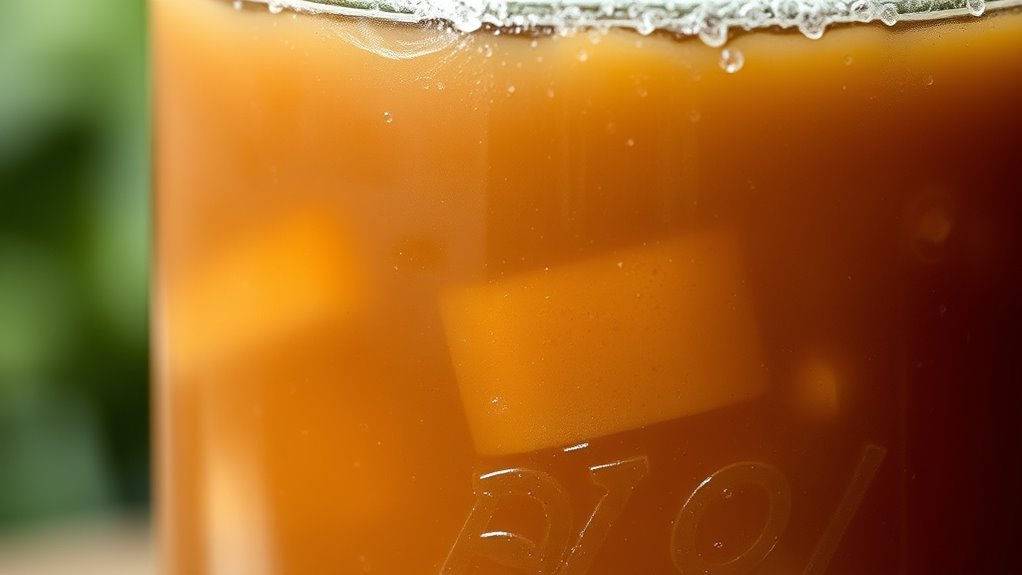
Check its appearance for mold, discoloration, or slimy textures. If it’s cloudy, sticky, or has foam and bubbles, discard it.
Also, consider how long it’s been stored; broth typically lasts 3-5 days in the fridge.
If you want to avoid food poisoning, pay close attention to these signs and uncover more tips below.
Key Takeaways
- Check for a strong, sour, or rancid odor. Fresh broth should smell savory and clean.
- Look for mold, discoloration, or slimy textures on the surface of the broth. These are clear signs it’s gone bad.
- Notice any unusual cloudiness, thickening, or separation. These can also indicate spoilage.
- If your broth has been stored for over 4-5 days in the fridge, it’s best to discard it, especially if you see any signs of spoilage.
- You can taste a small amount, but be careful. Off-flavors like metallic or bitter taste mean it’s no longer safe to eat.
How to Recognize When Beef Broth Has Gone Bad
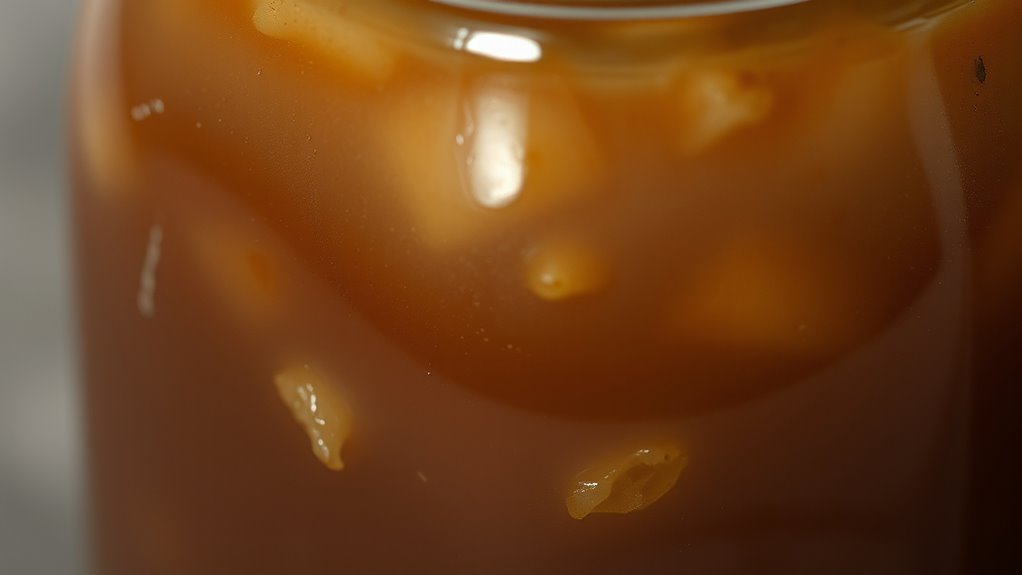
Ever wondered how to tell if your beef broth has spoiled? The first sign is a strong, unpleasant odor. If it smells sour, rancid, or off in any way, don’t take a chance.
Next, check the broth’s appearance. Fresh broth is clear or slightly cloudy, but spoiled broth may look thick, sticky, or slimy. If you notice bubbling or foam that wasn’t there before, it could indicate bacterial growth.
Also, consider how long it’s been stored. If it’s been open for more than 4-5 days in the fridge or past its expiration date in the pantry, it’s safer to discard it.
Always trust your senses. If in doubt, it’s better to throw it out than risk food poisoning.
Spotting Mold or Discoloration on Your Broth
Look closely at your broth for any mold growth. It can look like fuzzy spots or strange patches on the surface.
Also, keep an eye out for unusual color changes, like a dull or murky hue that wasn’t there before.
If you notice either of these signs, it’s best to discard the broth to avoid potential health risks.
Visible Mold Growth
Inspect your beef broth carefully for any signs of mold or discoloration. If you see fuzzy patches, slimy textures, or unusual growths, mold could be present.
These growths might look like spots or clusters, often in shades of green, white, or black. To help visualize, here’s a quick table:
| Mold Appearance | Description |
|---|---|
| Fuzzy patches | Soft, hair-like growths |
| Discolored spots | Green, white, or black patches |
| Slimy texture | Sticky, slippery surface |
| Clusters | Dense, grouped mold areas |
| Uneven growth | Irregular spread patterns |
If you notice any of these signs, discard the broth right away. Mold means spoilage and can be risky for your health. When in doubt, always throw it out.
Unusual Color Changes
Beyond mold growth, keep an eye out for any unusual color changes in your beef broth. If it appears cloudy or murky, that’s a sign it might be spoiled.
Look for discoloration like a yellowish tint, a grayish hue, or dark spots. These changes often mean bacterial growth or chemical reactions, especially if the broth has been stored too long.
Sometimes, you’ll notice a dull or faded color that’s different from when it was fresh. Even if you don’t see mold, these color shifts suggest the broth isn’t safe to eat.
Trust your eyes—if the color looks off or inconsistent, it’s best to discard the broth to avoid foodborne illness.
How to Check If the Broth’s Texture Is Off
How can you tell if the texture of beef broth has gone bad? First, pour some into a clean bowl or spoon. Fresh broth should be smooth and liquid, with a consistent, slightly oily surface.
If it feels slimy or sticky to the touch, that’s a red flag. You might notice a thick, gelatinous consistency, which is normal when cooled but shouldn’t persist at room temperature.
If the broth looks curdled, clumpy, or has separated into solids and liquids unexpectedly, it’s likely spoiled. Also, if the texture feels unusual or viscous when stirred, trust your instincts.
Texture changes like these typically mean bacterial growth or spoilage, so it’s safest to discard the broth to avoid foodborne illness.
How Long Does Beef Broth Last in the Fridge?
Wondering how long beef broth stays safe to enjoy in your fridge? Typically, homemade beef broth lasts about 3 to 4 days when stored in an airtight container.
If you’ve bought it from the store and kept it sealed, it can last up to 5 days after opening. Always check the “use by” date on store-bought broth for guidance.
If you’ve stored it in a shallow container, it may stay fresher longer because it cools quickly. To maximize its shelf life, keep the broth at or below 40°F (4°C).
Signs That Beef Broth Tastes Sour or Off
If your beef broth smells strange or sour, it’s a clear sign it may be spoiled.
Tasting a small amount and noticing an off or metallic flavor also indicates it’s time to discard it.
Trust your senses—any unusual smell or taste usually means the broth isn’t safe to consume.
Unusual Smell Detected
Detecting an unusual smell is one of the easiest ways to tell if beef broth has gone bad. If your broth smells sour, rancid, or just off, it’s a strong sign it’s no longer safe to use.
Fresh beef broth usually has a savory, meaty aroma. So, if you notice any sharp or strange scents, it’s a red flag. Sometimes, the smell might be metallic or moldy, which indicates spoilage.
Trust your nose—if the aroma doesn’t seem right, don’t risk using the broth. Even if it looks okay, a foul smell means it’s time to toss it out.
Altered Taste Noticed
A noticeable change in taste is a clear sign that beef broth has spoiled. If it tastes sour, bitter, or just off compared to its usual savory flavor, don’t ignore it. Spoiled broth often develops an unpleasant tang or metallic aftertaste, indicating bacterial growth or spoilage.
Take a small sip or taste a spoonful—your palate is your best guide. If the flavor is inconsistent or has an unrecognizable, off-putting quality, discard the broth. Don’t rely solely on smell; taste can reveal spoilage even if the aroma isn’t obvious.
Consuming spoiled broth can cause stomach upset or food poisoning, so trust your senses. When in doubt, it’s safer to throw it out and prepare fresh broth.
How to Detect Bacterial Growth in Broth
Wondering whether your beef broth has bacterial growth? Look for visible signs like cloudiness or a slimy film on the surface. If you notice floating particles or a strange film, it’s a red flag.
Smell the broth closely. An off, sour, or rotten odor indicates bacterial activity. Sometimes, bacteria cause bubbles or foam to form on the surface, so keep an eye out for that too.
If the broth has developed an unusual color, like a dull hue or discoloration, bacteria might be growing. Remember, even if you don’t see obvious signs, a bad smell is often a clear indicator.
Always trust your senses. If anything seems off, it’s safest to discard the broth to avoid foodborne illness.
Can Boiling Kill Bacteria in Spoiled Beef Broth?
Boiling can kill many bacteria in beef broth, but it doesn’t guarantee safety if the broth is already spoiled.
Different bacteria types, like spores, can survive high temperatures and cause illness.
If your broth shows signs of spoilage, boiling alone isn’t enough to make it safe to consume.
Bacteria Types in Broth
In beef broth, knowing which bacteria can grow in spoiled liquid is really important. These bacteria differ in how risky they are and what they do.
First, *Salmonella* can cause serious food poisoning and tends to grow in improperly stored broth. Second, *Clostridium perfringens* produces toxins that can lead to foodborne illnesses.
Third, *Listeria monocytogenes* can grow at refrigerator temperatures, which makes it dangerous for vulnerable groups. Fourth, *E. coli* (E. coli) can cause serious stomach problems.
These bacteria can survive under certain conditions and might produce toxins before you even realize the broth is spoiled. Boiling can kill some bacteria, but toxins from others, like *Staphylococcus aureus*, can stay active.
Understanding these bacteria helps you decide if your broth is safe to eat or not.
Boiling Effectiveness Limits
While boiling can kill many bacteria in beef broth, it doesn’t guarantee safety if the broth is already spoiled, especially when toxins are involved. Some bacteria, like certain strains of Staphylococcus, produce heat-resistant toxins that survive boiling temperatures.
Even if you bring the broth to a rolling boil, these toxins stay active and can cause illness if you eat the broth. Boiling won’t fix signs of spoilage like off-odors or sliminess either.
It also doesn’t remove chemical contaminants or spoilage byproducts that develop over time. So, boiling isn’t a foolproof way to make spoiled beef broth safe. If you suspect it’s spoiled, it’s better to discard it rather than rely on boiling to eliminate health risks.
Signs of Spoiled Broth
How can you tell if beef broth has gone bad? Look for these signs of spoiled broth:
1. Bad odor
A sour or foul smell means bacteria are growing.
2. Unusual color
Cloudiness, discoloration, or slime suggest spoilage.
3. Mold or slime
Visible mold or a slimy film shows bacteria or mold are present.
4. Off taste
If it tastes sour or strange, discard it right away.
Boiling can kill bacteria, but it doesn’t remove toxins already produced. If your broth shows any of these signs, don’t rely on boiling alone.
It’s safest to toss spoiled broth to prevent foodborne illness. Always check your broth before using, even if it’s been stored properly.
When Is It Safe to Discard Beef Broth?
Wondering when it’s time to toss out beef broth? You should discard it if it shows signs of spoilage like an off smell, discoloration, or mold.
Typically, broth kept in the fridge for more than 4-5 days should be checked carefully before use. If it’s been stored longer or if you notice any of the conditions listed below, it’s safest to throw it out.
| Condition | How it appears | Action |
|---|---|---|
| Off smell | Sour, rotten, or rancid odor | Discard immediately |
| Discoloration | Cloudy or strange color | Throw away |
| Mold | Visible mold on surface | Do not consume |
| Slimy texture | Excessively slimy or sticky | Safely discard |
| Extended storage time | Over a week in the fridge | Better to discard |
Tips to Store Beef Broth and Extend Its Shelf Life
Proper storage methods can greatly extend the freshness and safety of beef broth. To maximize its shelf life, follow these tips:
Proper storage extends beef broth’s freshness and safety. Follow these tips to keep it flavorful and safe to enjoy.
- Use airtight containers to prevent contamination and keep the flavor intact.
- Refrigerate promptly within two hours of cooking or opening, ideally at 40°F (4°C) or below.
- Freeze in small portions for easy thawing and to prevent waste, using freezer-safe containers or bags.
- Label and date your containers so you can keep track of freshness and discard expired broth.
Avoid leaving beef broth at room temperature for too long. Don’t refreeze broth that has already been thawed. Proper storage keeps your broth safe, flavorful, and ready to use whenever you need it.
Common Mistakes That Lead to Spoiled Beef Broth
One of the most common mistakes that lead to spoiled beef broth is leaving it at room temperature for too long. Bacteria grow quickly in warm environments, so if you forget to refrigerate the broth promptly, it can spoil faster.
Avoid pouring hot broth directly into containers without cooling it first. This can raise the overall temperature and promote bacteria growth. Reusing containers that aren’t thoroughly cleaned can also introduce contaminants, speeding up spoilage.
Not sealing the broth tightly or leaving the lid slightly ajar exposes it to air and bacteria. Finally, freezing the broth in large, unportionized amounts can cause uneven freezing and thawing, increasing the risk of spoilage when not stored properly. Always refrigerate or freeze beef broth promptly after use.
Frequently Asked Questions
Can Unopened Beef Broth Last Longer Than Opened?
Yes, unopened beef broth lasts longer than opened. When it’s still sealed, it can stay good for up to 1-2 years if stored in a cool, dark place, thanks to its sealed environment.
Once you open it, you should refrigerate it and use it within 4-6 days to prevent spoilage. Always check for any off smells or changes in texture before using, whether it’s opened or unopened.
Does a Strong Smell Always Indicate Spoilage?
A strong smell doesn’t always mean the beef broth is spoiled, but it’s a good warning sign to be cautious. If the odor is rancid, sour, or off from its usual aroma, it’s best to discard it.
Trust your senses—if the broth smells unusual or has changed in scent and appearance, like mold or a slimy texture, it’s safer to throw it out. When in doubt, err on the side of caution.
How Can I Tell if Beef Broth Is Contaminated?
Did you know that bacteria can grow quickly in stored broth, doubling every 20 minutes under the right conditions? It’s pretty fast!
To tell if beef broth is contaminated, look out for a sour or off smell, a change in color, or a slimy texture. These are signs it might be spoiled.
If it tastes strange or you see mold or cloudiness, it’s safest to toss it out. When in doubt, trust your senses and throw it away to avoid foodborne illnesses.
Is It Safe to Use Beef Broth After the Expiration Date?
Yes, you can often use beef broth after the expiration date if it looks, smells, and tastes normal.
Check for any off odors, discoloration, or a slimy texture—these are signs it’s gone bad.
If the broth has been stored properly and shows no signs of spoilage, it’s generally safe.
When in doubt, though, it’s better to discard it to avoid any risk of foodborne illness.
Can Freezing Extend the Shelf Life of Beef Broth?
Freezing definitely extends beef broth’s shelf life. Just like tucking away a vintage record, freezing preserves it longer, keeping flavors fresh and safe to use later.
When you freeze beef broth in airtight containers or freezer bags, it can last up to 6 months or more.
Conclusion
Just like watching a pot simmer to prevent it from boiling over, keeping an eye on your beef broth helps ensure it stays fresh.
If you notice mold, discoloration, or a sour smell, it’s time to toss it out—no matter how tempting that homemade flavor is.
Proper storage can extend its life, but always trust your senses.
Think of your broth as a trusted friend: if it shows signs of aging, it’s best to part ways before it spoils.