7 Facts About How Many Calories Are in a Beef Tamale
Many people love indulging in tasty foods like beef tamales but worry about their calorie content. You’re not alone—figuring out how many calories are in your favorite snack can be confusing and frustrating. Keeping track of calories helps you enjoy treats without guilt.
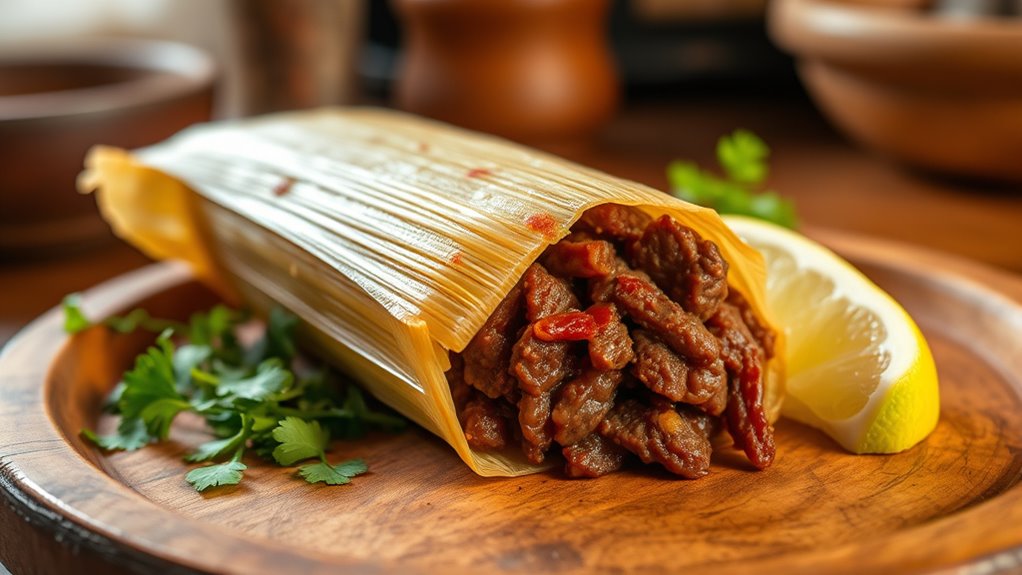
A typical beef tamale has around 250 to 300 calories, depending on its size and ingredients. Larger tamales or those with added fats and cheese can contain more calories.
Steaming keeps calories lower, while frying adds extra fat.
Homemade versions vary based on ingredients, and portion size plays a big role in calorie intake. Beef tamales offer protein and minerals like iron, making them more nutritious than you might think.
Keep exploring to uncover more about enjoying them healthfully.
Key Takeaways
- Beef tamales usually have around 250 to 300 calories per serving.
- If the tamale is larger, over 8 ounces, it’ll have more calories because of the extra masa and filling.
Adding ingredients like cheese or fats can bump up the calorie count quite a bit.
Steaming tamales helps keep the calorie content lower.
Frying or baking with added fats will increase the calorie count more.
Choosing lean beef and healthy ingredients is a good way to control your calorie intake.
And you can still enjoy a tasty tamale without going overboard on calories.
How Many Calories Are in a Beef Tamale?
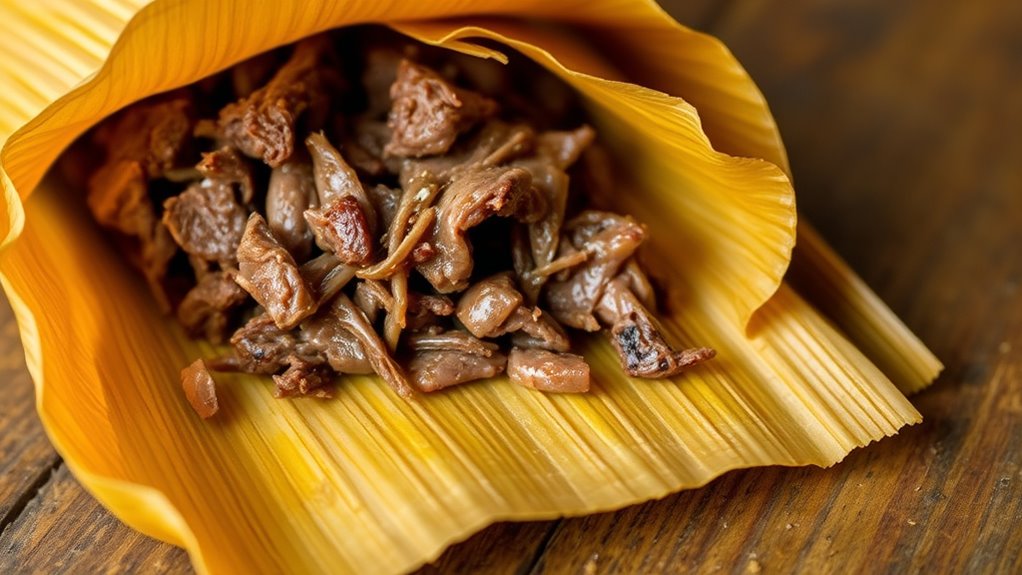
Curious about the calorie count in a beef tamale? On average, a standard beef tamale has about 250 to 300 calories. This can change based on its size and ingredients used.
If the tamale has extra fat or cheese, expect it to be on the higher end of that range. Homemade versions might vary depending on how much fat is in the beef and the type of masa used.
Commercial tamales often contain preservatives or added fats, which can slightly boost the calorie content. Keep in mind, eating multiple tamales will significantly increase your calorie intake.
If you’re watching your calories, consider portion size and ingredients to get a better idea of how a beef tamale fits into your daily diet.
What Factors Influence Beef Tamale Calories?
The size of your tamale can really impact its calorie count, so bigger ones tend to be more calorie-dense.
The ingredients you pick and their quality also matter, with richer meats and fillings adding extra calories.
Plus, how you cook the tamale—whether steaming or frying—can change its overall calorie content.
Tamale Size Variations
Tamale size can vary greatly, and this directly impacts the calorie content of beef tamales. Larger tamales naturally contain more masa and filling, which increases their calorie count.
A small tamale might weigh around 4 ounces, while a larger one can reach 8 ounces or more. The amount of masa used affects calories notably, as it’s mainly carbohydrate-rich.
The quantity of beef filling also plays a role; bigger tamales usually have more meat, adding protein and fat calories. The wrapping material, typically corn husks, contributes negligible calories but affects overall size.
Ingredient Quality Impact
The quality of ingredients really impacts the calorie content of beef tamales. Using higher-fat beef, richer masa, or added oils can boost the overall energy value.
Fattier cuts of beef will increase the calorie count compared to leaner options, so your choice matters. Similarly, masa made with lard or extra fats adds calories, while lighter masa reduces them.
Adding oils or fats during preparation further raises the calorie load. Quality ingredients also influence portion density, making each tamale more calorie-dense when filled with richer fillings and dough.
Opting for lean beef, low-fat masa, and minimal added fats helps you create a lighter tamale. Understanding how ingredient choices affect calorie content can help you manage your intake while still enjoying this traditional dish.
Cooking Method Differences
Cooking methods really impact the calorie content of beef tamales by influencing how much fat and moisture are kept or added during cooking. Steaming keeps more moisture in and usually involves less added fat, making the tamale lower in calories.
On the flip side, frying adds more fat, which can significantly increase the calorie count. Baking can vary depending on whether oils or fats are used, so it can range from moderate to high in calories.
Here’s a quick comparison:
| Cooking Method | Fat Content | Calorie Impact |
|---|---|---|
| Steaming | Low | Lower calories |
| Boiling | Low | Similar to steaming |
| Frying | High | Higher calories |
| Baking | Varies | Moderate to high |
| Grilling | Low to moderate | Slightly higher |
Choosing a healthier method like steaming can help reduce overall calorie intake.
Homemade vs. Store-Bought Beef Tamales: Which Is Healthier?
Have you ever wondered whether homemade beef tamales are healthier than store-bought ones? Generally, homemade tamales let you control the ingredients, so you can cut back on added fats, preservatives, and sodium.
You can opt for leaner beef cuts and healthier oils, making them a more nutritious choice. Store-bought tamales often have preservatives, artificial flavorings, and higher sodium levels to help them last longer.
They might also include unnecessary fillers or additives that add calories without much nutritional value. But, if you choose reputable brands with simple, wholesome ingredients, store-bought tamales can still be a fairly healthy option.
Ultimately, homemade tamales give you more control over their health profile. Still, if you’re careful with labels and ingredients, store-bought ones can also be a reasonable choice.
How Portion Size Affects Calorie Intake in Beef Tamales
Portion size plays an important role in how many calories you get from beef tamales. The bigger the portion, the more calories you’ll consume, which can add up fast if you’re not paying attention.
A small tamale might be around 150 calories, but doubling that size could easily push you to 300 calories or more. If you’re trying to watch your calorie intake, paying attention to portion sizes is really key.
Even healthy ingredients can lead to too many calories if you eat too much. Using smaller portions or sharing a tamale can help you enjoy it without going overboard. Remember, it’s easy to underestimate calories based on size, so keeping portions in check helps you stay on track with your goals.
Are Beef Tamales High or Low in Calories?
Beef tamales can vary in calorie content depending on ingredients and portion sizes. The type of meat, amount of fat, and added fillings all influence their calorie count.
Keep in mind that larger portions will naturally have more calories, which affects whether they’re considered high or low in energy.
Calorie Content Variations
The calorie content of beef tamales can vary a lot depending on the ingredients and how they’re prepared. For instance, tamales made with leaner beef and lighter masa usually have fewer calories.
On the other hand, those with added fats, cheese, or bigger portions tend to be higher in calories. The size of the tamale also matters—larger ones naturally pack more calories.
Cooking methods make a difference, too. Steamed tamales generally have fewer calories compared to fried ones. If you’re keeping an eye on calories, paying attention to these factors can help.
Even small tweaks, like choosing leaner fillings or smaller portions, can really impact the total calorie count of your beef tamale.
Ingredient Impact on Calories
The specific ingredients you choose can really impact whether beef tamales are high or low in calories. For example, using leaner cuts of beef cuts down on fat and calories, making the tamales lighter.
The type of masa you use also matters. Traditional corn masa has a moderate calorie count, but adding fats or sugars can increase the overall calories. The filling’s ingredients are important too—full-fat beef and added oils boost calories, while leaner options keep it lower.
The wrapper, usually corn husk or banana leaf, adds negligible calories. Plus, any added sauces, cheese, or toppings can significantly raise the calorie content.
Portion Size Influence
Portion size really matters when it comes to beef tamales and their calorie content. Bigger portions mean more calories, which can make them feel more indulgent.
For example, a standard 4-ounce tamale has about 200 calories. If you double that size, you’re doubling the calorie count too.
Here’s a quick table to help understand the impact:
| Portion Size | Calories | Impact on Diet |
|---|---|---|
| Small (2 oz) | 100 | Light snack |
| Medium (4 oz) | 200 | Moderate meal |
| Large (6 oz) | 300 | Heavy, calorie-dense |
Smart Tips to Enjoy Beef Tamales Without Excess Calories
To enjoy beef tamales without consuming excess calories, you can make simple swaps and mindful choices. Opt for smaller portions or share a tamale with someone to reduce intake.
Choose tamales made with leaner beef or ask for less fat in the filling. Skip the extra toppings like cheese or sour cream, or use them sparingly.
Instead, add fresh salsa or a squeeze of lime for flavor without extra calories. Consider steaming rather than frying tamales to avoid added fats.
If possible, choose tamales with vegetable-based fillings or whole-grain husks, which can be more filling and lower in calories. Being aware of ingredients and portion sizes helps you enjoy this tasty treat without overdoing it.
Nutritional Benefits of Beef Tamales Beyond Calories
While keeping an eye on your calorie intake is important, beef tamales also pack in valuable nutrients that support your health. They provide a good amount of protein, which helps build and repair tissues and keeps you feeling full longer.
The corn masa adds fiber, aiding digestion and helping maintain steady blood sugar levels. Beef supplies essential minerals like iron and zinc, supporting your immune system and energy production.
Corn masa provides fiber for digestion and steady blood sugar, while beef offers iron and zinc to boost immunity and energy.
Plus, the spices and peppers often used in the filling contain antioxidants that fight free radicals and reduce inflammation. When made with wholesome ingredients, beef tamales can be part of a balanced diet, offering more than just calories.
Enjoying them thoughtfully lets you savor their flavor while gaining essential nutrients that benefit your overall well-being.
Frequently Asked Questions
What Are the Main Ingredients That Affect Calorie Content in Beef Tamales?
The main ingredients affecting calorie content in beef tamales are the beef, masa, and fat used in the preparation. Leaner beef cuts help reduce calories, while fattier options can increase them.
The masa, which is made from corn, adds carbs and calories, especially if it’s enriched or has added fats. Toppings like cheese or sauces can also boost the calorie count.
You can cut down on calories by choosing lean meat, controlling portion sizes, and skipping high-calorie toppings.
How Does the Cooking Method Impact the Calorie Count of Beef Tamales?
Cooking method greatly impacts the calorie count of beef tamales. For example, steaming retains more moisture and nutrients, adding minimal calories, while frying can increase calories by up to 50%.
You’re likely to consume fewer calories when steaming since it doesn’t require added fats. If you want a lighter option, choose steaming over frying, which preserves flavor without adding extra calories from oil or fat.
Are There Low-Calorie Alternatives to Traditional Beef Tamale Fillings?
Yes, you can find low-calorie alternatives to traditional beef tamale fillings. Opt for lean proteins like chicken or turkey, or try plant-based options such as black beans, lentils, or vegetables.
Using lighter ingredients helps reduce calorie content while still delivering flavor and satisfaction. You can also cut back on added fats and oils during preparation.
This makes your tamales healthier without sacrificing taste. It’s a simple way to enjoy a classic dish with fewer calories.
How Do Added Toppings or Sauces Influence the Overall Calorie Content?
Adding toppings or sauces is like putting a cherry on top of a sundae—they can significantly boost the calorie count.
Rich sauces, cheese, or sour cream add extra fat and sugar, turning a modest snack into a calorie-heavy treat.
If you’re watching calories, opt for lighter choices like salsa or fresh herbs.
Every spoonful or sprinkle impacts the overall calorie total, so choose wisely to keep your meal balanced.
Can Portion Control Help Reduce Calorie Intake From Beef Tamales Effectively?
Yes, portion control can effectively reduce your calorie intake from beef tamales. When you limit the size of each serving, you naturally consume fewer calories without sacrificing flavor or satisfaction.
Use smaller plates or wrap leftover tamales to avoid overeating. By being mindful of portion sizes, you can better control your calorie intake.
This makes it easier to enjoy your favorite foods while staying on track with your overall diet and health goals.
Conclusion
Understanding the calorie content of beef tamales helps you enjoy them wisely, like savoring a rich tapestry woven with flavor and tradition.
By considering factors like portion size and preparation methods, you can indulge without tipping the scales.
Remember, moderation is your trusty compass on this culinary journey, guiding you through a feast that’s as nourishing as it is delightful.
So, relish each bite knowing you’re balancing pleasure with mindful choices, especially when it comes to beef tamales.