Are Epsom Salt and Magnesium Flakes the Same?
Many people struggle with finding the right way to relax or support their wellness routines. If you’re considering adding magnesium products to your self-care, you’re not alone.
Understanding the differences can make a big difference in choosing what’s best for you.
Epsom salt and magnesium flakes aren’t the same, though they both provide magnesium benefits. Epsom salt is magnesium sulfate, often used for baths and relaxation, while magnesium flakes are magnesium chloride, usually softer and easier on sensitive skin.
Their manufacturing processes and mineral contents differ, affecting absorption and uses.
Curiosity about these differences can help you choose what’s best for your needs, and if you keep exploring, you’ll uncover more useful details.
Key Takeaways
- Epsom salt is magnesium sulfate, while magnesium flakes are usually magnesium chloride. So, they’re chemically different.
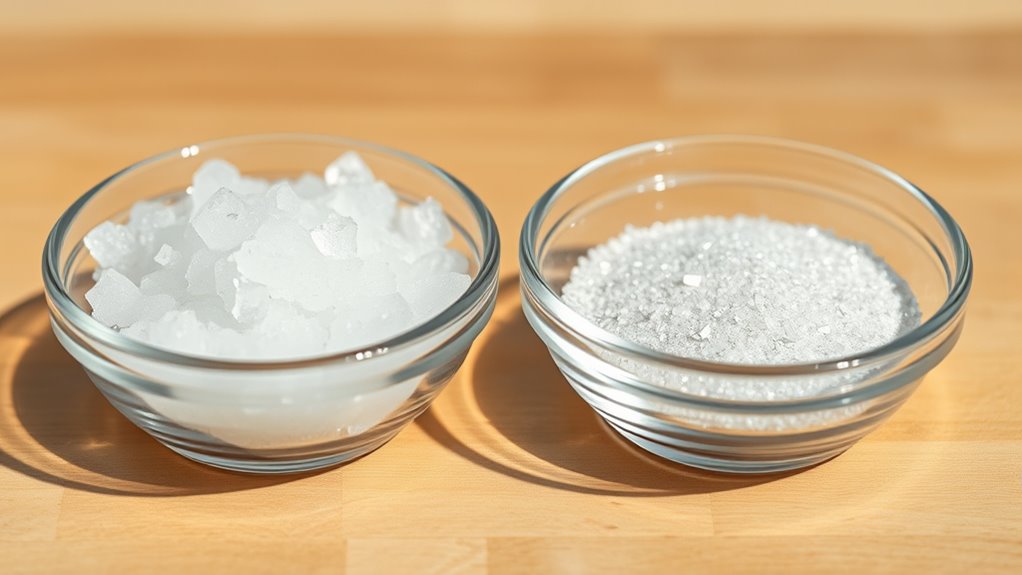
- They also have different textures. Epsom salt looks like coarse, white crystals, whereas magnesium flakes are moist and soft.
- Both are used for health and wellness, but their different mineral compositions mean they work differently. This can affect how well your body absorbs them and the benefits you get.
- The manufacturing process is different too. Epsom salt is made from brines with sulfuric acid, while magnesium flakes are produced by heating magnesium metal.
- They’re not the same thing. Each has its own unique properties and is suited for different uses.
What Are Epsom Salt and Magnesium Flakes?
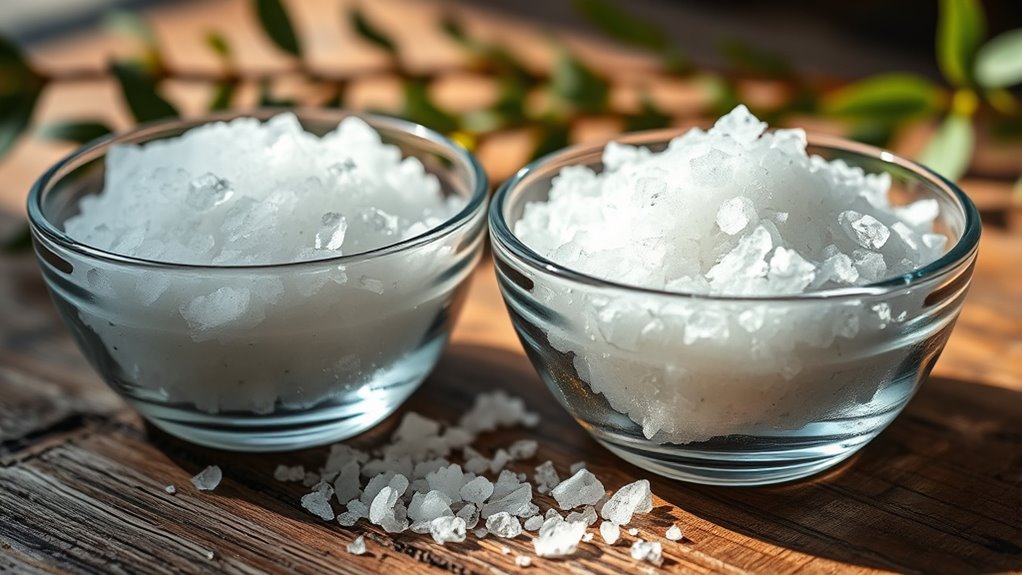
Epsom salt and magnesium flakes are popular mineral products used for health and wellness, but they are not the same. Epsom salt, also called magnesium sulfate, is a crystalline compound made of magnesium, sulfur, and oxygen. You’ll usually find it as a coarse, white, crystalline substance that dissolves easily in water.
Magnesium flakes, on the other hand, are typically magnesium chloride crystals, often harvested from seawater. They tend to feel moist and are softer to the touch. Both products are popular for baths and soaking, but they contain different minerals and chemical structures.
These differences can affect how your body absorbs the magnesium and how you feel after using them. Understanding what each product is helps you pick the right one for your wellness routine.
How Are Epsom Salt and Magnesium Flakes Made?
Both Epsom salt and magnesium flakes are created through different extraction and processing methods that reflect their unique chemical makeup.
Epsom salt, or magnesium sulfate, is usually mined from natural mineral deposits or made by reacting magnesium-rich brines with sulfuric acid. The solution is then evaporated, crystallized, and refined into pure Epsom salt crystals.
Magnesium flakes are produced through a process called thermal reduction. Magnesium metal is combined with seawater or brine and heated to produce magnesium chloride. This magnesium chloride is then dried and turned into flakes.
These manufacturing methods ensure each product keeps its specific chemical structure, which affects how you use and benefit from them.
What Are the Main Uses of Epsom Salt and Magnesium Flakes?
Understanding how these magnesium compounds are made helps clarify their practical uses. You’ll see Epsom salt and magnesium flakes mainly used for health, beauty, and gardening.
In health, they’re popular for relaxing baths that soothe muscles and help reduce stress. Beauty uses include exfoliating skin and promoting softness. Gardening benefits from magnesium’s role in helping plants grow strong and healthy.
Here’s a quick comparison:
| Use Category | Example Applications |
|---|---|
| Health | Muscle relaxation, stress relief |
| Beauty | Skin exfoliation, softening treatments |
| Gardening | Helping plants absorb nutrients effectively |
| Household | Making DIY cleaning solutions |
These uses make magnesium compounds versatile, offering natural solutions for wellness and growth.
How Do Magnesium Levels and Absorption Rates Differ?
Have you ever wondered why your skin or muscles respond differently to magnesium sources? The answer lies in how much magnesium each form provides and how quickly your body absorbs it.
Epsom salt, for example, contains magnesium sulfate, which may not deliver as much magnesium directly into your bloodstream through skin absorption. Magnesium flakes often have a higher concentration of elemental magnesium, making them more efficient for boosting magnesium levels.
Absorption rates vary depending on the form. Magnesium salts are generally absorbed faster when ingested, but skin absorption depends on the compound’s solubility. Your body’s ability to utilize magnesium also depends on factors like skin permeability and existing magnesium levels.
Understanding these differences helps you choose the right supplement for your needs.
What Are the Purity and Quality Differences?
When comparing Epsom salts and magnesium flakes, purity and quality are key to their effectiveness and safety. You want products that are thoroughly tested and free of contaminants.
High-quality magnesium sources usually have minimal impurities, which helps ensure safe absorption. They also tend to have consistent crystal sizes, so they dissolve evenly.
High-quality magnesium sources have minimal impurities and consistent crystal sizes for safe, even absorption.
Look for a clear, residue-free appearance and certifications from reputable testing agencies. These signs indicate a product’s quality and safety.
Poor-quality salts might contain heavy metals, fillers, or additives that can reduce purity. This can affect skin safety and how well your body absorbs magnesium.
Choosing products with transparent sourcing and quality assurance means you get a safe, effective experience—whether you’re soaking or using them in other ways. Always check labels and certifications before buying.
Which Is Better for Muscle Recovery and Relaxation?
Which of these magnesium sources—Epsom salt or magnesium flakes—is better for muscle recovery and relaxation? Both can help soothe sore muscles and reduce tension, but many find magnesium flakes more effective because they have a higher magnesium concentration.
Magnesium flakes often contain a purer form of magnesium, which allows for better absorption through the skin. Epsom salts, while popular, may contain added ingredients or impurities that could limit how well they work.
If you want faster relief, magnesium flakes might be your best choice. They dissolve easily and deliver magnesium directly to tired muscles, helping them relax and reducing inflammation.
Ultimately, your choice depends on how your body responds. Many users notice quicker, more noticeable benefits with magnesium flakes.
Are Magnesium Flakes Safe for Sensitive Skin?
Are magnesium flakes safe for sensitive skin? Generally, yes, but caution is key. Magnesium flakes are usually gentle, but everyone’s skin reacts differently.
To stay safe, consider these points:
- Imagine a soft, cool sprinkle of flakes, gently dissolving into your bathwater.
- Visualize the flakes softly coating your skin without irritation.
- Think of doing a test patch: apply a small amount first to check for redness or itching.
- Picture your skin feeling calm and refreshed after a soak, not inflamed or itchy.
While many with sensitive skin tolerate magnesium flakes well, reactions can vary. Always start with a small amount and watch how your skin responds to ensure safety.
Can You Use Epsom Salt and Magnesium Flakes Interchangeably?
Many people wonder if they can use Epsom salt and magnesium flakes interchangeably in their baths or treatments. While both contain magnesium, they aren’t exactly the same. Epsom salt is magnesium sulfate, while magnesium flakes are usually magnesium chloride.
They dissolve differently and may have slightly different effects on your skin and body. If you’re looking for magnesium absorption, magnesium flakes might be be more effective because they’re more bioavailable.
However, in most cases, you can substitute one for the other without major issues, especially for relaxation or soothing sore muscles. Just keep in mind that the experience and some benefits might vary slightly.
Cost and Availability of Epsom Salt vs. Magnesium Flakes
You’ll notice that Epsom salt generally costs less and is easier to find than magnesium flakes, which can vary in price depending on quality and brand. Accessibility is another factor because Epsom salt is widely available at most stores and online.
Magnesium flakes, on the other hand, may require specialty retailers, making them a bit trickier to find. When choosing between the two, it’s helpful to compare the overall cost-effectiveness to see which fits your budget better.
Price Differences and Variations
When comparing the costs of Epsom salt and magnesium flakes, you’ll notice their prices can vary a lot depending on the brand, quality, and how much you buy.
For example, you might find a small jar of premium magnesium flakes that costs more than a large bag of Epsom salt.
Buying in bulk often gives you a lower price per pound, which can save you money if you need a lot.
Organic or specialty brands tend to be pricier, while store brands or generic options are usually more budget-friendly.
These differences mean you could pay just a few dollars for a small container or much more for larger or specialty products.
Your choice really depends on what you need and how much you’re willing to spend, but understanding these options helps you make smarter decisions.
Accessibility and Purchase Options
Both Epsom salt and magnesium flakes are widely available, but how easy they are to find can depend on where you shop and what brands you pick.
Epsom salt is usually found in most drugstores, supermarkets, and big-box stores, so it’s pretty easy to grab while doing your regular shopping.
Magnesium flakes tend to be more niche and might require visiting specialty health stores, online shops, or wellness stores.
Shopping online offers a bigger selection and often better prices for both, but availability can depend on shipping options and your location.
If convenience is your priority, Epsom salt is generally easier to find. Magnesium flakes might take a bit more effort to track down.
Cost-Effectiveness for Users
Generally, Epsom salt tends to be more cost-effective for most users because it’s widely available and sold in larger quantities at a lower price per unit. You can find it in grocery stores, pharmacies, or online, often in bulk packaging.
Imagine picking up a 4-pound bag for just a few dollars, enough for multiple baths or gardening needs. Meanwhile, magnesium flakes are usually sold in smaller containers that cost more.
When you compare the price per ounce, Epsom salt costs less overall. It’s easy to replenish your supply without spending too much.
This affordability makes Epsom salt a practical choice if you’re on a budget or want a versatile product. Magnesium flakes, while beneficial, tend to be pricier for smaller amounts.
Unique Benefits of Epsom Salt and Magnesium Flakes
Both Epsom salt and magnesium flakes offer unique benefits that can improve your well-being. You’ll notice better muscle relaxation, healthier skin, and relief from stress and tension.
Knowing these advantages helps you pick the right option for your needs.
Enhanced Muscle Relaxation
When you soak in Epsom salt or magnesium flakes, your muscles can absorb magnesium directly through your skin, helping you relax faster and more effectively. As magnesium gets into your muscles, you might notice:
- A soothing warmth spreading from your feet to your calves
- Tension easing in your shoulders and neck
- A gentle loosening of tight muscles after intense activity
- A calming sensation that helps reduce muscle cramps and spasms
This process helps break down lactic acid buildup and eases soreness, so you recover quicker. The skin absorption makes magnesium a powerful tool for targeted muscle relief, leaving you feeling more relaxed and less tense after each soak.
Skin Nourishment Benefits
Epsom salt and magnesium flakes do more than soothe muscles—they also provide unique skin nourishment benefits. When added to your bath, they help hydrate and soften your skin, leaving it feeling smoother and more refreshed. Magnesium absorption through the skin can promote healthier skin cell function, which may reduce dryness and irritation.
| Benefit | Explanation |
|---|---|
| Hydration | Helps lock in moisture, preventing dryness |
| Softening | Smooths rough patches and increases skin suppleness |
| Skin Repair | Supports healing of minor skin irritations |
Both options can improve skin texture, but magnesium flakes tend to be gentler for sensitive skin, offering a nourishing experience without irritation.
Stress and Tension Relief
Many find that soaking in Epsom salt or magnesium flakes can effectively melt away stress and ease tense muscles. As you relax in the warm water, your body absorbs magnesium, which helps calm your nervous system and reduce cortisol levels.
Imagine your shoulders releasing tightness as tension dissolves. Your mind calming with each breath, feeling more centered. Your muscles softening, relieving aches and stiffness. Your heartbeat slowing, promoting a sense of peace.
This soothing experience can help you unwind after a long day, improve sleep quality, and restore mental clarity. The combination of warm water and magnesium’s calming properties makes it a simple but powerful way to combat daily stress and tension.
How to Choose Between Epsom Salt and Magnesium Flakes
Deciding whether to use Epsom salt or magnesium flakes really depends on your needs and preferences. If you’re looking for a traditional and easy-to-find option, Epsom salt is a solid choice. It dissolves quickly in warm water and tends to be more affordable.
Magnesium flakes are usually purer and might have fewer additives. This makes them a good option if you’re sensitive or want a more natural product. Think about how you want to use them—if you want a quick, effective soak, Epsom salt works well.
For a stronger magnesium boost, magnesium flakes might be better. Also consider any skin sensitivities or your preferences for texture and scent. In the end, pick the one that best fits your relaxation goals and personal taste.
Expert Tips for Safe and Effective Use
To make sure you get the most benefits while staying safe, it’s important to follow the right guidelines when using magnesium products. First, always read the instructions on the packaging so you know the correct dosage and how to apply it.
Follow packaging instructions and start with small amounts for safe, effective magnesium use.
Start with a small amount, like a handful of flakes or a cup of Epsom salt, and then increase gradually if needed. Make sure the water is warm but not too hot, because high heat can cause skin irritation.
After soaking, rinse thoroughly to remove any residue. By following these tips, you’ll have a relaxing experience and reduce the risk of skin dryness or irritation. Remember, moderation is key.
Stay mindful and enjoy the benefits safely!
Frequently Asked Questions
Are There Any Health Conditions That Contraindicate Using Epsom Salt or Magnesium Flakes?
Yes, certain health conditions can contraindicate using Epsom salt or magnesium flakes. If you have kidney problems, heart issues, or magnesium sensitivity, it’s best to avoid them or talk to your doctor first.
Pregnant or breastfeeding women should also check with a healthcare provider before use. Always start with a small amount and keep an eye on how your body responds.
If you notice any side effects like dizziness or skin irritation, stop using them right away and seek medical attention.
Can Magnesium Flakes Be Used in Culinary Applications Like Epsom Salt?
Yes, magnesium flakes can be used in culinary applications, but with caution. Unlike Epsom salt, which is mainly for baths, magnesium flakes are food-grade and safe to consume in small amounts.
You might add them to bathwater for relaxation or use food-grade magnesium flakes in recipes like homemade electrolyte drinks. Just make sure you’re using the right type and follow recommended dosages — your health depends on it.
What Environmental Impacts Are Associated With Producing Epsom Salt Versus Magnesium Flakes?
Producing Epsom salt generally has a larger environmental footprint than magnesium flakes because it involves mining and extensive processing. This can disturb ecosystems and uses a lot of energy.
Magnesium flakes are often made from seawater or brine, making their production less invasive and more sustainable. By choosing magnesium flakes, you help reduce environmental impact.
They require less resource extraction and processing compared to the mining and refining needed for Epsom salt.
How Long Does It Take to Notice Benefits After Using Each Product?
You might notice benefits from Epsom salt or magnesium flakes within a few hours to a day, depending on your body and how often you use them.
If you soak in a bath, you could feel relaxed or less sore pretty quickly. Regular use can gradually boost magnesium levels, helping improve sleep, mood, or muscle function.
Keep in mind that everyone responds differently, so some people might see results sooner, while others may notice them later.
Are There Differences in Odor or Scent Between Epsom Salt and Magnesium Flakes?
You’ll notice that Epsom salt and magnesium flakes have subtle scent differences, like whispers rather than shouts.
Epsom salt often has a faint, mineral-like aroma, while magnesium flakes tend to be more neutral or slightly earthy.
If scent matters to you, expect magnesium flakes to be milder or nearly scentless, making them a more discreet choice.
Both are generally mild, but the aroma varies just enough to influence your preference.
Conclusion
Think of Epsom salt and magnesium flakes as two different roads leading to the same destination—your well-being. While they may look alike, each has its own path, purity, and purpose.
Choosing between them is like picking the right key for a lock—trust your needs and preferences. Understanding their differences helps you get the best benefits for your health.
By knowing what sets Epsom salt and magnesium flakes apart, you can turn everyday moments into opportunities for renewal and balance.