7 Simple Steps to Unclog Your Kitchen Drain
Dealing with a clogged kitchen drain is one of those pesky kitchen headaches many of us face. You’re not alone—lots of people struggle with slow drains, especially when grease or food scraps cause blockages.
Fortunately, there are simple, effective ways to get your sink flowing smoothly again.
To unclog your kitchen drain, identify common causes like grease, food scraps, or hair. Start by pouring boiling water to loosen minor blockages, then use a plunger for stubborn clogs.
Natural solutions like baking soda and vinegar can help break down grime, while cleaning the drain trap or using a drain snake tackles tough blockages.
Prevent future issues by avoiding grease and using strainers. Keep going to uncover more helpful tips and tricks.
Key Takeaways
– Use boiling water to loosen minor grease and soap buildup safely and effectively.
Pour the hot water down the drain slowly. This can help melt away greasy deposits and soap scum. It’s a simple, quick fix that often does the trick.
Dislodge the clog with a plunger, applying steady pressure multiple times.
Make sure there’s enough water in the sink to cover the plunger cup. Push and pull firmly to create suction and loosen whatever’s blocking the pipe.
Combine baking soda and vinegar to naturally break down debris and eliminate odors.
Pour half a cup of baking soda into the drain, then follow with half a cup of vinegar. Wait a few minutes as the mixture fizzes. This combo helps clear out grime and freshens things up.
Prevent future clogs by avoiding pouring grease down the drain and using strainers.
Grease tends to solidify and cause blockages, so it’s best to dispose of it properly. Using a strainer in your sink catches food particles and debris before they go down the drain.
Perform routine maintenance with hot water flushes and drain inspections to keep pipes clear.
Regularly pouring hot water can maintain flow and prevent buildup. Also, check your pipes periodically for any signs of slow drainage or blockages.
Identify Common Causes of Kitchen Drain Clogs
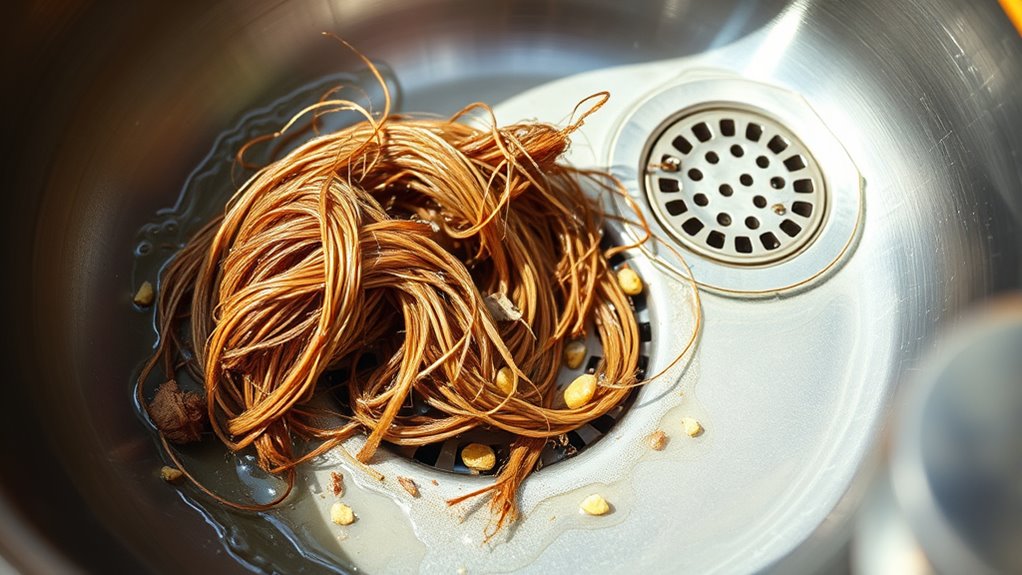
Many kitchen drain clogs happen because of everyday habits and accumulated debris. You might notice the drain slowing down after washing greasy pans or rinsing fibrous vegetables. Over time, grease, fats, and oils stick to pipes, creating a sticky buildup that traps other debris.
Food scraps, especially starchy or fibrous ones like potato peels or celery, tend to get lodged in pipes, causing blockages. Hair, although less common in kitchens, can also contribute if it slips down the drain. Sometimes, soap scum and mineral deposits from hard water build up and restrict water flow.
Being aware of these common culprits helps you prevent clogs. Regularly clearing debris and avoiding pouring fats or fibrous waste down the drain can save you from future plumbing headaches.
Use Boiling Water to Clear Minor Clogs
Using boiling water is a simple, effective way to clear minor clogs by loosening grease and soap buildup.
Be sure to pour it slowly and carefully to avoid splashing or damaging your pipes.
Always handle boiling water with caution to prevent burns or accidents.
Benefits of Boiling Water
Boiling water is a simple but effective way to clear minor clogs in your kitchen drain. It loosens grease, soap scum, and other organic buildup that can block your pipes.
Unlike chemical drain cleaners, boiling water is environmentally friendly and safe for most pipes. It reduces the risk of damage and is inexpensive and easy to use.
Just bring water to a boil and pour it directly into the drain. The heat helps break down stubborn blockages without harsh chemicals, making it a quick solution for everyday clogs.
Regular use of boiling water can prevent future buildup and keep your drain flowing smoothly. Overall, it’s a natural, cost-effective method that minimizes the need for more invasive or harmful interventions.
Proper Pouring Techniques
When pouring boiling water into your drain, proper technique guarantees the best results and minimizes the risk of damage. Begin by slowly pouring the hot water in a steady, controlled stream, avoiding splashing or forceful pours.
Position the spout directly over the drain opening to ensure the water flows straight down, maximizing contact with the clog. If you’re using a kettle, tilt it carefully to prevent splashing.
Pour in small batches if needed, allowing the water to work on the clog before adding more. Keep the flow consistent but gentle, avoiding sudden jostles that could crack pipes.
This careful approach helps dislodge minor blockages efficiently without risking damage to your pipes or fixtures.
Safety Precautions to Take
While pouring boiling water into your drain can work for minor clogs, safety should always come first. Be careful to avoid burns and accidents during the process.
Use oven mitts or a thick cloth to hold the kettle or container, and pour slowly to control the flow. Keep children and pets away to prevent any mishaps.
| Precaution | Explanation | Tip |
|---|---|---|
| Use protective gear | Prevents burns from splashes | Wear gloves and goggles |
| Pour gradually | Avoids splashing hot water | Steady, slow pour |
| Keep surroundings clear | Prevents spills or slips | Clear the area of obstacles |
Following these simple safety tips helps you clear minor drain clogs safely and effectively.
Dislodge the Clog With a Plunger
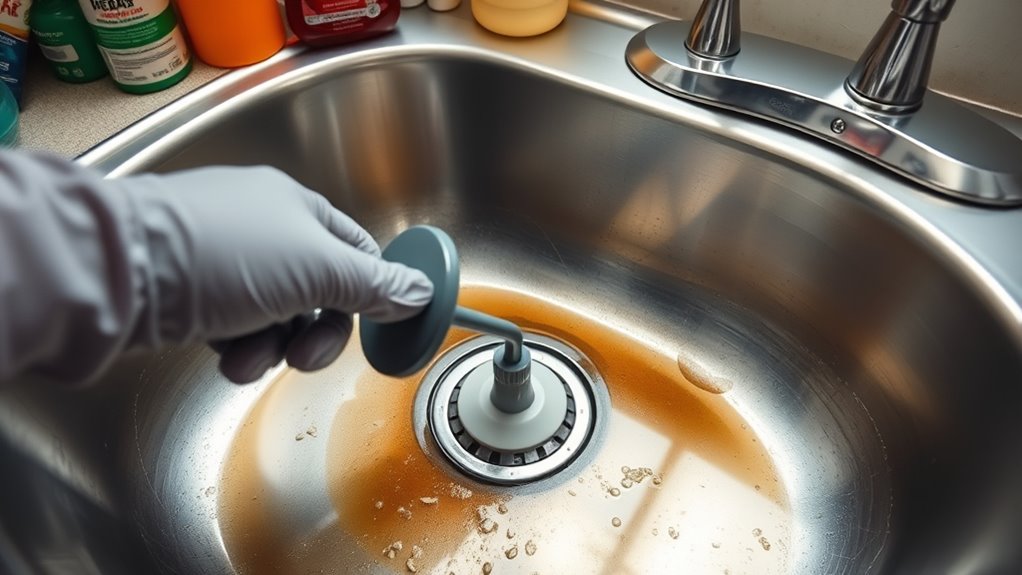
A plunger is often your quickest solution for clearing a clogged kitchen drain. To get started, make sure there’s enough water in the sink to cover the rubber cup of the plunger.
Place the cup over the drain opening, creating a tight seal. Push down firmly and then pull up sharply, keeping the seal intact. Repeat this motion 10 to 15 times, applying steady pressure.
The force helps dislodge the blockage lodged in your pipes. If the water starts to drain, you’ve successfully loosened the clog. Remove the plunger and run water to check if the drain is clear.
If it’s still slow, just repeat the process. Using a plunger is an effective, eco-friendly way to tackle minor blockages without harsh chemicals.
Use Baking Soda and Vinegar to Naturally Clear Your Drain
Using baking soda and vinegar is an effective, natural way to clear your drain. Baking soda helps break down grease and grime, while vinegar creates a fizzing reaction that loosens debris.
Together, they work to freshen and unclog your pipes without harsh chemicals. It’s a simple, eco-friendly method you can try at home.
Baking Soda Benefits
Baking soda is a natural, cost-effective way to help clear your clogged kitchen drain. It’s a gentle abrasive that can break down grease, food particles, and grime causing blockages.
Baking soda also helps neutralize unpleasant odors, leaving your drain smelling fresh. Its alkaline nature can loosen buildup without damaging pipes, making it a safe choice for regular maintenance.
When combined with hot water, baking soda can help flush out debris more effectively. Plus, it’s non-toxic and environmentally friendly, so you don’t need harsh chemicals that could harm your plumbing or the environment.
Using baking soda is simple, affordable, and a reliable first step in maintaining a clear, odor-free drain. It’s a versatile solution for keeping your kitchen drain flowing smoothly.
Vinegar Reaction Process
When you combine baking soda and vinegar in your drain, a fizzy reaction happens that helps break down stubborn grease and debris. The chemical reaction creates carbon dioxide bubbles, which vigorously stir up the clog and loosen buildup.
As the vinegar reacts with the baking soda, it forms foam that pushes through the pipe, carrying away grease, soap scum, and grime. This process not only clears minor blockages but also neutralizes odors.
The fizzing action provides a gentle scrubbing effect inside the pipes, making it easier for debris to dislodge. After about 15 minutes, flushing with hot water helps rinse away loosened debris and residues.
This natural reaction is a simple, effective way to keep your drain clear without harsh chemicals.
Clean the Drain Trap for Persistent Clogs
If your kitchen drain is still clogged despite trying other methods, cleaning the drain trap can often do the trick. First, place a bucket underneath the trap to catch any water and debris that might spill out.
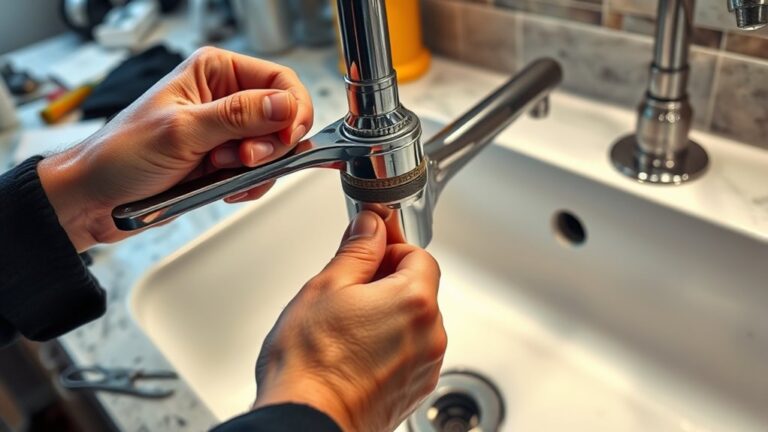
Next, loosen the slip nuts on both ends of the trap using a wrench or pliers. Carefully take out the trap and take a look at what’s inside.
Loosen the slip nuts with a wrench, then carefully remove the trap to inspect and clean inside.
To clean the trap, remove any hair, grease, or gunk using a brush or cloth. Rinse it well with hot water. If needed, use a small brush or an old toothbrush to scrub inside.
Once everything is clean, put the trap back in place and tighten the slip nuts securely. Reattach everything, run water, and see if the clog clears up. This simple step often restores proper drainage without the need for harsh chemicals.
Use a Drain Snake to Clear Tough Blockages
A drain snake is a powerful tool for tackling stubborn clogs that resist traditional methods. To use it, insert the end of the snake into your drain and turn the handle clockwise.
As you push the snake further, it’ll latch onto or break up the blockage. Keep turning until you feel resistance, then slowly pull the snake out, bringing the debris with it.
Be cautious not to force the tool, as this can damage your pipes. If you encounter a tough clog, try rotating the snake more vigorously or repositioning it.
Once the blockage clears, run hot water to flush out any remaining debris. Regular use of a drain snake can help prevent future build-up and keep your kitchen drain flowing freely.
Tips to Prevent Future Kitchen Drain Clogs
To keep your kitchen drain flowing smoothly, adopting simple habits can make a big difference in preventing future clogs. First, avoid pouring grease or oil down the drain; let it cool and throw it in the trash instead.
Second, use a drain strainer regularly to catch food particles, hair, and debris before they go down. This small step can really help prevent buildup.
Finally, run hot water for a few seconds after washing dishes to flush away any residue. Also, try not to overload the sink with large amounts of food scraps or soap scum.
Practicing these habits consistently keeps your pipes clear, reduces the need for chemical cleaners, and helps your plumbing last longer.
Frequently Asked Questions
How Often Should I Clean My Kitchen Drain to Prevent Clogs?
You should clean your kitchen drain at least once a month to prevent clogs. Regular maintenance helps break down grease, food particles, and soap scum before they build up.
Use a mixture of baking soda and vinegar, then follow with hot water to keep the drain clear. If you notice slow draining or odors, it’s a good idea to clean it more often.
Consistent care keeps your kitchen drain flowing smoothly and helps you avoid bigger problems down the line.
Can Hair Be a Major Cause of Kitchen Drain Blockages?
Absolutely, hair can be a major cause of kitchen drain blockages.
Even though you mainly think of hair in bathrooms, it can sneak into kitchen drains too.
It often gets there through your hands or when you’re cleaning hairbrushes.
Once hair starts sticking to grease and soap scum, it’s like adding fuel to a fire—creating stubborn clogs.
To keep things flowing smoothly, use screens and be mindful of what goes down your drain.
Are Chemical Drain Cleaners Safe for My Pipes?
Chemical drain cleaners can be effective, but they aren’t always safe for your pipes. They contain harsh chemicals that might corrode or damage certain types of pipes over time, especially if used frequently.
If you choose to use them, be sure to follow the instructions carefully, wear protective gear, and avoid overusing them.
Consider alternative methods like baking soda and vinegar or mechanical drain snakes, which are safer options that won’t risk your plumbing’s integrity.
What Signs Indicate a Serious or Persistent Drain Clog?
If your sink’s water drains slowly despite regular attempts, or it’s backed up with standing water, you’re probably dealing with a serious clog.
Strange odors or gurgling sounds mean there’s a blockage deep inside.
Persistent clogs that keep coming back after you clear them suggest a bigger problem.
Don’t ignore these signs—they point to a deeper issue that needs a professional’s help.
Acting quickly can prevent further damage and keep your kitchen flowing smoothly.
How Can I Maintain My Plumbing to Avoid Future Clogs?
You can prevent future clogs by regularly flushing your drain with hot water to dissolve grease and debris.
Avoid pouring fats, oils, and large food particles down the sink. Use a drain strainer to catch hair and food scraps.
Schedule periodic maintenance like enzymatic cleaning to break down buildup.
Keep an eye on slow drains and address minor issues promptly to prevent bigger problems later.
Conclusion
Now that you know these simple steps, unclogging your kitchen drain becomes easier than pie. Think of it like untangling a knot — with patience and the right tools, you’ll have your sink flowing smoothly again.
Regular maintenance and quick action can prevent future clogs, saving you time and frustration. Keep these tips in mind, and your kitchen drain will stay clear, just like a well-oiled machine working seamlessly day after day.