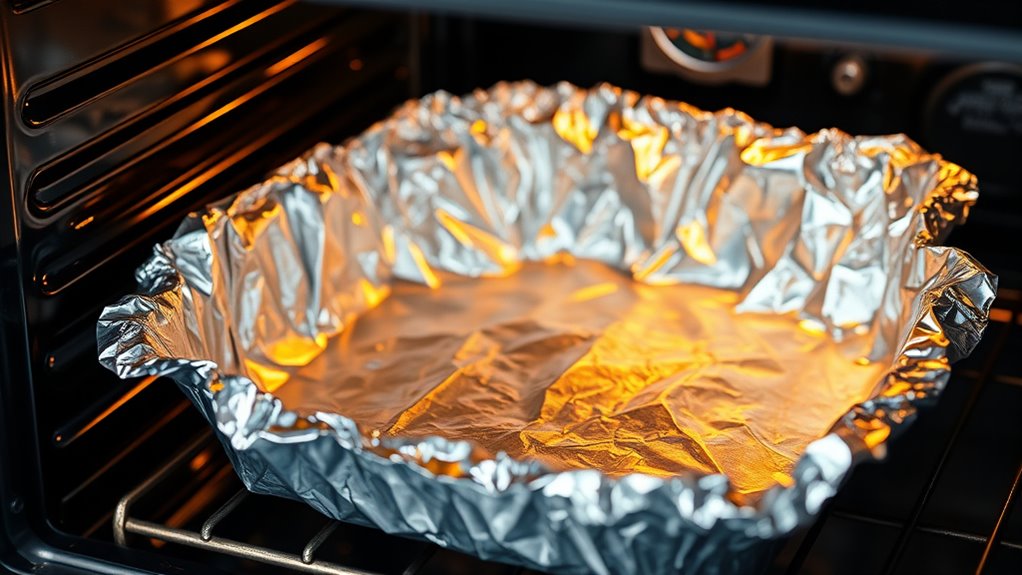
Can You Put a Tin Foil Pan in the Oven?
Cooking with aluminum foil pans can be tricky, especially if you’re worried about safety or uneven results. You’re not alone—many people struggle with knowing what’s safe to put in the oven and how to get the best cooking outcomes.
Yes, you can put a tin foil pan in the oven as long as you follow safety guidelines and stay within temperature limits. Most aluminum foil pans are safe up to 500°F, but avoid direct contact with heating elements or open flames.
Make certain the pan sits flat and use a baking sheet for stability.
If you want to learn how to use them properly and guarantee even cooking, keep exploring the tips ahead.
Key Takeaways
- Yes, tin foil pans are generally safe to use in the oven for baking, roasting, and reheating. Just make sure to stay within the recommended temperature limits.
- Always check the manufacturer’s instructions for specific details. Most foil pans can handle up to 500°F (260°C), but it’s good to double-check.
- Be careful not to expose the foil pan directly to heating elements or open flames. This can cause sparks or melting, which you definitely want to avoid.
- To prevent warping or leaks during high-heat cooking, place a baking sheet underneath the foil pan.
- When handling hot pans, use oven mitts to stay safe and avoid burns.
Are Foil Pans Safe to Use in the Oven?
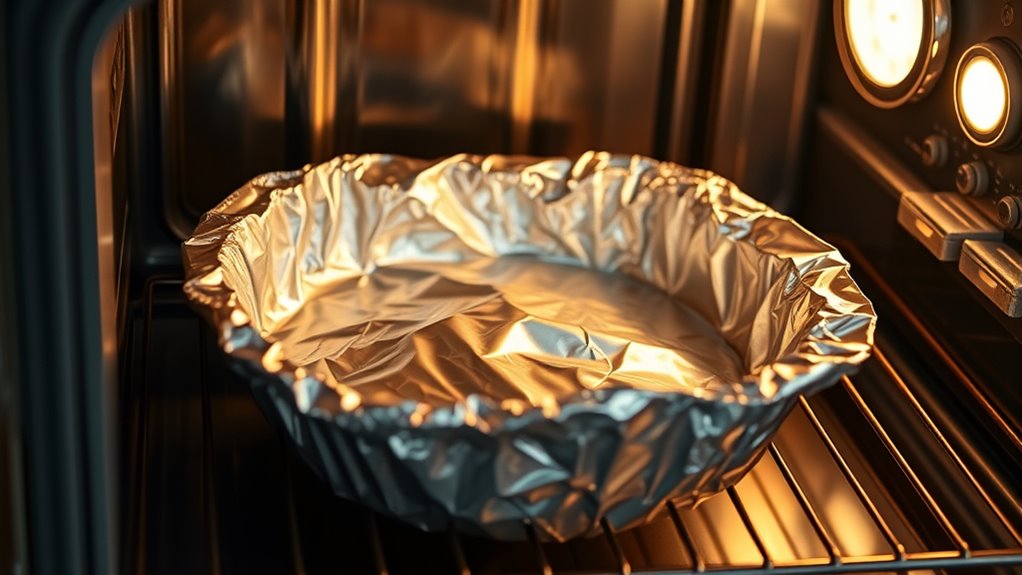
Many people wonder if foil pans are safe for oven use, and the answer is generally yes, but with some important precautions. Foil pans are designed to withstand high temperatures, making them suitable for baking, roasting, and reheating.
However, you should always check the manufacturer’s instructions, as some foil pans may have temperature limits. Avoid using foil pans in microwave ovens unless they’re labeled microwave-safe.
Also, prevent foil from coming into contact with heating elements or open flames, which could cause sparks or fires. Be cautious when handling hot foil pans, as they can become very hot and cause burns.
What Are the Safe Temperature Limits for Aluminum Foil Pans?
You should know that aluminum foil pans typically tolerate temperatures up to 500°F, but going beyond that can cause warping or damage.
It’s important to follow safe cooking practices to prevent any accidents or damage to the pan’s integrity.
Always check the manufacturer’s guidelines for specific temperature limits to ensure you’re using the pan safely.
Temperature Tolerance Limits
Aluminum foil pans are usually safe to use in the oven within certain temperature limits. Going beyond these limits can cause the material to weaken or deform.
Typically, they can handle temperatures up to 500°F (260°C). Exceeding this risks melting or warping the pan, which could spill hot contents and cause damage.
Here’s a quick reference to help you out:
| Temperature Limit | Effect on Pan | Usage Tips |
|---|---|---|
| 400°F (204°C) | Safe for most recipes | Use for baking and roasting |
| 450°F (232°C) | Slight risk of warping | Keep an eye on the pan during high heat |
| 500°F (260°C) | Higher risk of melting | Avoid for very high-temperature cooking |
Stick within these limits for safe and effective oven use.
Safe Cooking Practices
To guarantee safe cooking with aluminum foil pans, it’s essential to stay within their recommended temperature limits. Most foil pans shouldn’t be exposed to temperatures above 500°F (260°C).
Cooking at higher temperatures risks melting the foil and contaminating your food. Always check the manufacturer’s guidelines, as some pans are designed for specific temperature ranges.
Avoid broiling directly in foil pans unless specified, since intense heat can cause warping or melting. Use a baking sheet underneath if you’re using foil pans in high-heat situations.
Moreover, don’t reuse foil pans that have become warped or damaged, as compromised integrity can lead to leaks or unsafe contact with heat. Following these safety practices helps prevent accidents and keeps your food safe to eat.
How to Use Foil Pans Safely in the Oven?
To use foil pans safely, place them properly in the oven, making sure they’re stable and not touching the heating elements. This helps prevent tipping or accidents.
Be mindful of overheating by following the recommended temperature limits on the pan or recipe. Overheating can cause the foil to melt or catch fire.
Always dispose of used pans responsibly. Don’t leave them in the oven for too long after cooking, and avoid reusing damaged or burnt pans.
Staying attentive to these practices helps prevent accidents and keeps your oven safe. Just a little caution goes a long way!
Proper Placement Techniques
When placing a foil pan in the oven, make sure it sits flat and centered on the rack to help with even heat distribution. Check that the pan’s edges aren’t bent or warped, as this can cause uneven cooking or spills.
Keep the pan away from the oven walls and heating elements to prevent direct contact that could lead to melting or fires. Make sure there’s enough space around the pan for air to circulate, which helps keep the temperature consistent.
If you’re baking multiple items, space the foil pans apart to avoid heat transfer issues. Always handle the pan with oven mitts when placing or removing it to prevent burns.
Proper placement is key for safety and ensures your food cooks evenly without accidents.
Avoiding Overheating Risks
Using foil pans safely in the oven means paying attention to overheating risks, which can lead to melting, fires, or damage to your appliance. Never place foil pans directly on the oven’s heating elements or open flames.
Keep foil pans away from the oven’s top heating element, especially during broiling, since too much heat can cause the foil to melt or catch fire. Don’t overload the pan, as overcrowding traps heat and raises the risk of overheating.
Use oven mitts when handling hot foil pans, and make sure they’re placed properly so heat can circulate evenly. Regularly check your food to prevent overheating, and avoid using foil pans in temperatures higher than what the manufacturer recommends.
Safe Disposal Practices
Proper disposal of foil pans is essential for safety and environmental responsibility. After use, let the pan cool completely before handling.
If the pan is recyclable in your area, crumple it and place it in the recycling bin to reduce waste. If recycling isn’t an option, fold or crumple the foil to minimize its size and throw it away in your regular trash.
Avoid leaving foil pans in the oven after cooking, as they can cause fire hazards or damage. Never reuse disposable foil pans for multiple cooking sessions, especially if they’re heavily stained or warped.
Proper disposal helps prevent accidents and reduces environmental impact. It’s all about practicing safe, responsible cooking habits.
How to Get Even Cooking When Using Foil Pans?
Ever wonder how to guarantee your food cooks evenly in a foil pan? To get the best results, avoid overcrowding the pan, which can trap heat and cause uneven cooking.
Place your foil pan on a middle oven rack to promote even heat distribution. Using a baking sheet underneath can also help improve heat flow and catch any drips.
Rotating the pan halfway through cooking is a great way to prevent hot spots. If you’re baking multiple items, stagger them to ensure proper air circulation.
Keep the oven temperature steady because fluctuating heat can lead to uneven results. And don’t forget to use a reliable oven thermometer to make sure your oven’s set at the right temperature.
Following these simple steps will help ensure your food cooks thoroughly and evenly when using foil pans.
When Should You Avoid Using Foil Pans in the Oven?
Are there times when placing a foil pan in the oven isn’t a good idea? Yes. You should avoid using foil pans when baking dishes that need precise heat or browning, as foil can reflect heat unevenly and interfere with proper cooking.
If you’re roasting large, heavy items like whole poultry or big roasts, foil pans might bend or collapse under the weight, risking spills or uneven cooking. Also, avoid foil pans if your recipe involves high heat, since they can melt or release harmful chemicals.
When baking delicate items like soufflés or thin pastries, foil pans can cause uneven heat distribution, which affects the final texture. In these cases, it’s better to use sturdy, oven-safe cookware for better results and safety.
How to Choose the Best Foil Pan for Baking and Roasting?
Choosing the right foil pan starts with considering the size and shape that best fit your recipe and oven. If you’re baking a large roast or a big batch of cookies, go for a bigger, sturdy pan. For smaller dishes or individual servings, smaller pans work better.
Look for pans with sturdy walls that won’t bend or warp under heat. Non-stick or coated pans can make cleanup easier, but make sure they’re oven-safe.
If roasting moist foods, choose a pan with good heat conductivity to prevent sticking or burning. Think about whether you need a disposable pan or something reusable. Disposables are convenient but may not be as durable.
Finally, check for oven-safe labels to avoid melting or warping during baking or roasting.
Frequently Asked Questions
Can Foil Pans Be Used in a Microwave Oven?
No, you shouldn’t put foil pans in a microwave oven. Metal reflects microwave radiation, which can cause sparks, fires, or damage to your microwave.
Always use microwave-safe containers like glass or microwave-safe plastic. If you need to cover food, go for microwave-safe lids or microwave-safe plastic wrap.
Are There Health Concerns With Using Foil Pans?
Using foil pans generally doesn’t pose significant health risks if you follow proper safety guidelines.
Make sure the foil isn’t touching the oven’s heating element to prevent sparks or fires. Avoid using heavily coated or damaged pans, as chemicals could leach into your food.
Always handle hot foil carefully, and don’t reuse pans that have been compromised. When used correctly, foil pans are safe for cooking and baking.
How Do I Prevent Foil Pans From Melting?
To prevent foil pans from melting, treat them like a fragile glass sculpture—you want gentle handling. Always avoid exposing them to direct heat sources or high temperatures, especially above 500°F.
Place them on an oven rack, not directly on flames or heating elements. Using a lower temperature and avoiding overcrowding the oven reduces the risk of melting.
Keep an eye on your pan, and it’ll serve you well without turning into a melting mess.
Can I Reuse Foil Pans Multiple Times?
Yes, you can reuse foil pans multiple times if they’re still in good shape. Just check for any tears, warping, or signs of excessive wear before using them again.
Make sure to clean the pans thoroughly to remove any leftover food. Avoid using them for highly acidic foods, as these can cause damage.
Reusing foil pans can save you money and reduce waste. Just always verify they’re safe and intact to prevent leaks or contamination.
What Are the Alternatives to Foil Pans for Baking?
You can swap foil pans for sturdy glass or metal baking dishes that stand tall like guardians of your culinary creations. Silicone bakeware offers flexibility like a well-practiced dancer, making it easy to remove your baked goods.
Ceramic pans bring rustic charm to your kitchen, adding a warm, homey feel. Disposable aluminum trays are perfect for quick cleanup, especially when you’re short on time.
Each alternative provides durability and even heat distribution, helping your baked goods turn out perfect without relying solely on foil pans.
Conclusion
So, next time you toss a foil pan into the oven, remember—it’s all fun and games until your meal turns into a molten mess or a fire hazard. Ironically, those shiny, disposable trays are more like tiny, unstable volcanoes waiting to erupt if you push the limits.
Play it safe, follow the guidelines, and you’ll enjoy your cooking adventure without the drama of unexpected disasters. After all, who wants to turn dinner into a fiery spectacle?
Can you put a tin foil pan in the oven? Yes, but with some important precautions. Always check if the foil pan is oven-safe and avoid using them at very high temperatures.