
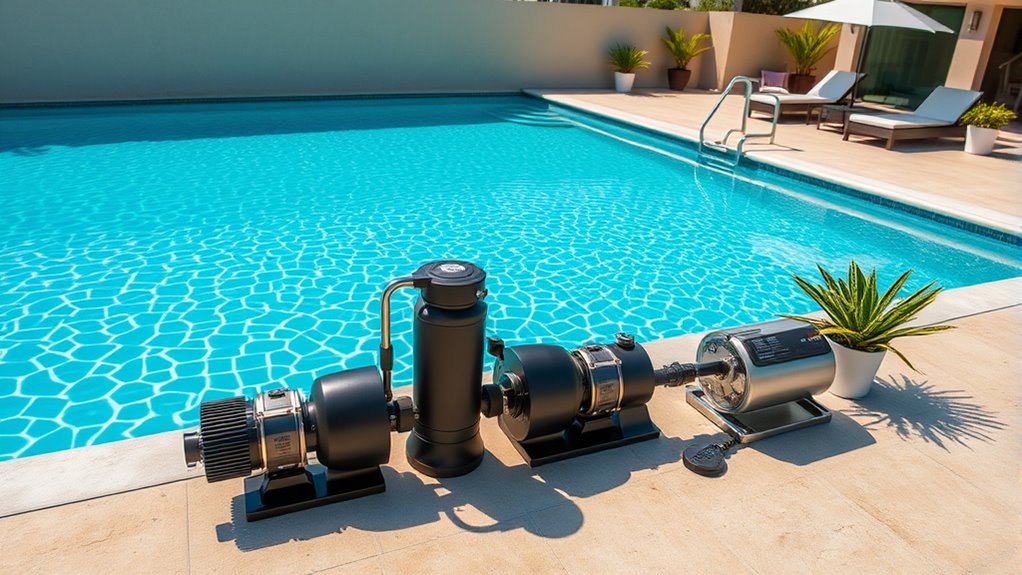
7 Cost Factors That Determine How Much a Salt Water Pool Costs
Thinking about installing a salt water pool? You’re not alone—many people struggle with understanding the true costs involved. It’s a big investment, and figuring out what factors influence the price can feel overwhelming.
Your salt water pool costs depend on several key factors. Larger pools and complex shapes increase material and labor expenses, while high-end equipment like digital controls and automated covers raise prices further.
Site conditions, such as uneven terrain or nearby utilities, can add to installation costs. Choosing DIY installation versus hiring professionals impacts your budget and timeline.
Ongoing maintenance, including chemicals and equipment upkeep, also affects total expenses. Keep exploring to uncover detailed insights that can help you plan your perfect pool.
Key Takeaways
- Pool size and shape really matter when it comes to costs. They influence how much you’ll spend on materials, excavation, and construction.
- The equipment you choose can also make a difference. For example, advanced salt chlorination systems tend to be more expensive.
- Site conditions play a role too. Things like the terrain, soil type, and whether utilities are nearby can affect how much prep and installation will cost.
- How you install the pool matters as well. Doing it yourself might save money on labor, but it could come with more risks and compliance issues.
- Don’t forget about ongoing maintenance. Chemicals, electrical work, and equipment upkeep can add up over time.
How Do Pool Size and Shape Affect Your Salt Water Pool Cost?
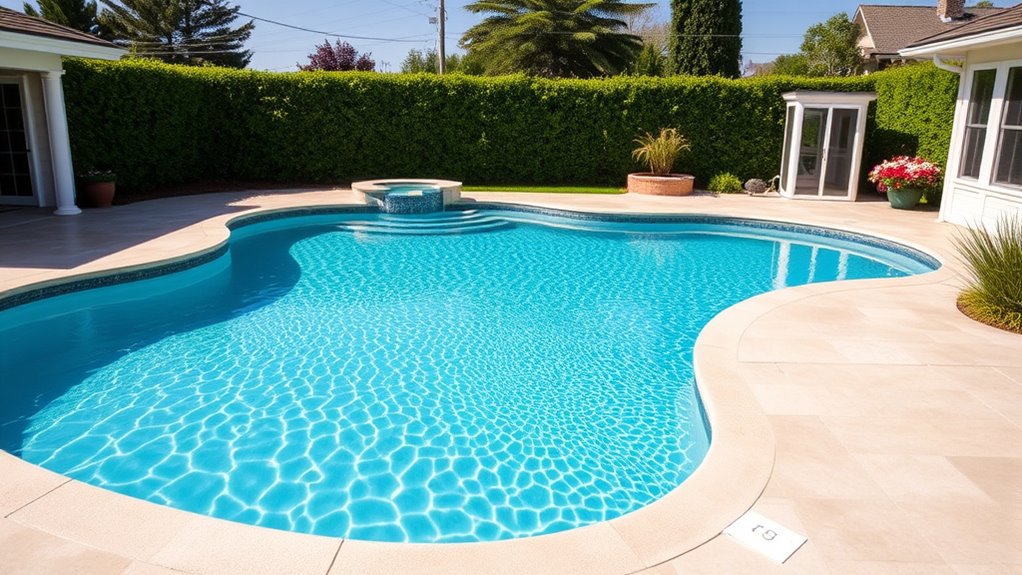
The size and shape of your salt water pool directly influence its overall cost, often more than you might expect. Larger pools need more materials for excavation, lining, and finishing, which drives up expenses.
A rectangular shape is usually simpler to build and tends to be more affordable than complex or irregular designs. These designs often require extra labor and customization, adding to the cost.
The depth of your pool also matters. Deeper pools need more reinforcement and water, which increases costs further.
Unusual shapes like freeform or multi-level pools involve intricate construction techniques that can significantly raise the price.
Keep in mind, the more elaborate your design, the higher your construction and material costs will be.
Your choices in size and shape can really impact your total investment in a salt water pool.
What Equipment and Features Influence Salt Water Pool Pricing?
The equipment you choose, like salt chlorination systems, greatly impacts your pool’s overall cost.
Additional features such as heaters, lighting, or automation systems also raise the price.
Understanding how these options influence expenses helps you plan your budget more effectively.
Salt Chlorination Systems
Salt chlorination systems vary in price based on several key equipment features and options. The size and capacity of the system directly influence costs. Larger pools need more powerful units, which tend to be more expensive.
Advanced models with digital controls and automation features usually cost more but make maintenance easier and provide precise sanitization. Some systems come with built-in salt level monitoring, so you don’t have to test manually all the time.
The quality of the cell plates, which generate chlorine, also impacts the price. Higher-quality materials tend to last longer and work better. Additional features like self-cleaning or compatibility with smart home systems can add to the cost.
While basic models are more budget-friendly, investing in a higher-end system can save you money over time thanks to better durability and efficiency.
Additional Pool Features
Various pool features and equipment choices can significantly impact the overall cost of a salt water pool. If you go for premium options like automatic pool covers, advanced lighting, or high-end waterfalls, expect to pay more.
Additional equipment such as heaters, automated cleaning systems, and salt level monitoring devices also add to the total expense. Upgrading to energy-efficient pumps or adding smart technology for remote control might cost more upfront but could save you money in the long run.
Landscaping, deck upgrades, and safety features like fencing or alarms will also influence your overall budget. Remember, the more luxurious or complex your chosen features, the higher the price tag.
Be sure to consider which options fit your lifestyle and budget. This way, you can avoid unexpected costs and create a pool setup that works for you.
How Location and Site Preparation Impact Installation Costs?
Where you install your saltwater pool can really impact the overall costs, since some locations need more site prep. If your yard has uneven terrain or slopes, you’ll probably need extra grading, leveling, or retaining walls, which can add up.
Soil type plays a role too. Rocky or clay-heavy ground might require special excavation methods or soil removal, increasing your expenses. Plus, if utilities like water, electricity, or drainage are close by, it can lower costs. But if they’re far away or need upgrades, expect to pay more.
If your site needs tree removal, landscaping, or debris clearing, those things will also boost your budget. Doing a proper site assessment before installing helps you plan for these costs and avoid surprises.
Should You Install Your Salt Water Pool Yourself or Hire Professionals?
Deciding whether to install your salt water pool yourself or hire professionals depends on a few key factors. Think about your experience with construction projects and how complex the site prep will be.
If you’re confident with DIY projects and have some skills, you might save money doing it yourself. But keep in mind these points:
- Complexity of Installation: Setting up a pool involves electrical work, plumbing, and building the structure—things that can be tricky if you’re not experienced.
- Time and Effort: Installing a pool takes a lot of time and physical effort. Be honest about how much free time you really have.
- Permitting and Regulations: Professionals know the local codes and can handle permits, helping you avoid legal issues and ensuring everything is up to standard.
If you’re unsure about any of this, hiring experts is usually the safer choice. It guarantees safety, compliance, and makes the whole process easier.
What Are the Ongoing Maintenance Expenses for Salt Water Pools?
Maintaining a salt water pool involves ongoing expenses that can add up over time, but many find them more affordable than traditional chlorinated pools. The primary costs include replacing the salt, which is usually needed every few years, and maintaining the salt cell, which may require cleaning or replacement over time.
You’ll also need to budget for regular water testing and balancing chemicals like pH and alkalinity to keep the water safe and clear. Electricity costs for running the salt chlorinator and circulation pump are ongoing, though typically lower than those for traditional pools.
Furthermore, routine maintenance such as filter cleaning and occasional equipment repairs can add to your expenses. Overall, these costs are predictable and generally less hefty than traditional chemical treatments.
Which Upgrades and Extra Features Can Increase Your Budget?
Upgrading your salt water pool or adding extra features can greatly improve your overall budget. These improvements not only increase the initial cost but may also raise maintenance expenses.
Here are three popular upgrades that impact your budget:
- Heated Pool Systems. Extending your swimming season requires a reliable heater, which can significantly raise costs.
- Automatic Cleaning Systems. Robotic cleaners or automated skimmers add convenience but come with high upfront and replacement costs.
- Lighting and Water Features. LED lighting, waterfalls, or fountains enhance aesthetics but require additional electrical work and equipment.
While these features can elevate your pool experience, they also require ongoing maintenance and energy use, which can increase your total investment. Carefully consider your preferences against your budget before opting for these upgrades.
How Do Pool Size and Design Complexity Affect Installation Time and Cost?
The size and design complexity of your saltwater pool directly affect both how long it takes to install and the total costs. Larger pools need more materials, labor, and time, which drives up expenses.
A simple rectangular shape is quicker and cheaper to set up compared to a fancy freeform design. More elaborate shapes require extra excavation, custom fittings, and specialized equipment, adding to the cost.
Features like waterfalls, spas, or integrated lighting also extend the installation time and increase expenses. These complex features often need more precise engineering and higher-quality materials, which can raise the overall price.
Choosing a smaller, straightforward pool can save you on labor and materials. But if you want a larger or more detailed design, your investment will go up. In the end, though, a more intricate pool can give you a personalized and luxurious backyard retreat.
Frequently Asked Questions
Are There Financing Options Available for Salt Water Pool Installation?
Yes, you can find financing options for salt water pool installation. Many pool companies partner with lenders or offer in-house financing plans, making it easier to afford your dream pool.
You might also consider personal loans or home equity lines of credit if you qualify. Just be sure to compare interest rates and terms.
And don’t forget to check your credit score beforehand so you can get the best deal possible.
How Does Local Labor Availability Affect Installation Costs?
Local labor availability greatly impacts your salt water pool installation costs. When skilled workers are readily available, the process tends to be quicker and more affordable, which helps keep your overall expenses down.
On the other hand, if labor is scarce, prices might go up because wages increase or there could be delays. You might also have to bring in specialists from other areas, adding to your costs.
Hiring experienced professionals nearby can help you stay within your budget and avoid unnecessary expenses.
What Are the Insurance Considerations for Owning a Salt Water Pool?
You need to take into account that owning a salt water pool can impact your insurance premiums. Many insurers see pools as a higher liability risk, so you might face increased coverage costs or need specialized liability policies.
Furthermore, you’ll want to check your policy’s specifics about salt water systems. Some providers might have restrictions or require extra coverage for potential damages or accidents related to pool use.
Can Energy-Efficient Equipment Reduce Overall Salt Water Pool Expenses?
Yes, energy-efficient equipment can significantly lower your salt water pool expenses. Upgrading to LED lights, variable-speed pumps, and energy-efficient heaters helps cut down on electricity use.
These upgrades might cost more upfront but save you money on utility bills over time. Plus, energy-efficient systems improve performance, last longer, and need less maintenance.
In the end, this makes your pool more affordable and environmentally friendly in the long run.
Are There Government Rebates or Incentives for Installing Salt Water Pools?
You might be surprised, but some local government programs and utility companies offer rebates or incentives for installing saltwater pools. This is especially true if the pools promote energy efficiency or environmental benefits.
These incentives vary depending on where you live and can sometimes cover a significant part of your costs. To find out what’s available, check with your local government or utility provider.
Taking advantage of these programs can make your saltwater pool more affordable and eco-friendly.
Conclusion
Understanding these cost factors helps you plan smarter for your salt water pool. Did you know that larger or more complex designs can double installation costs?
By considering your pool’s size, features, and location early on, you can avoid surprises and stay within budget.
With proper planning, you’ll enjoy a rejuvenating oasis without breaking the bank. This makes your investment in a salt water pool both enjoyable and economical in the long run.