
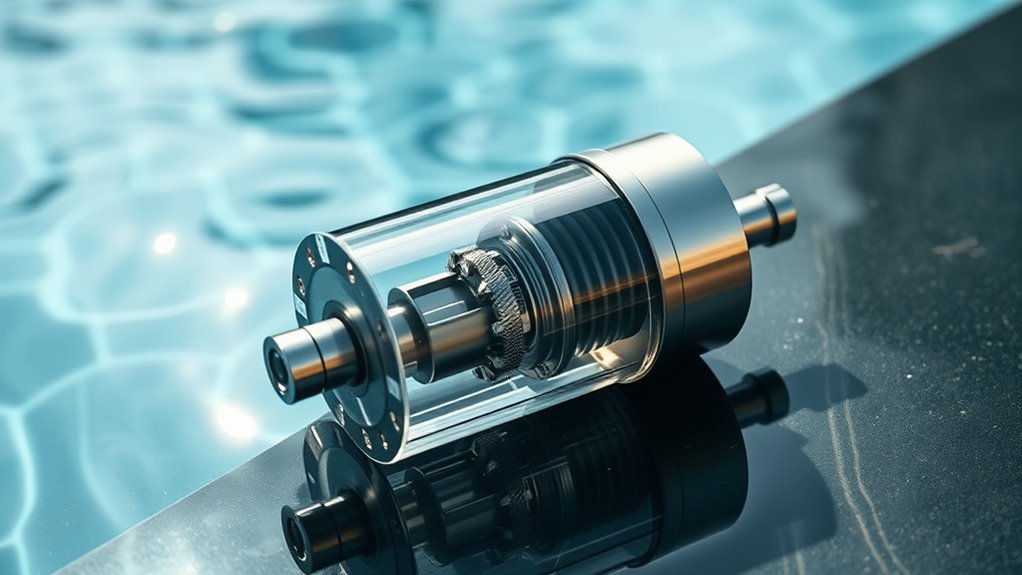
7 Prices You Need to Know for a Salt Cell in Your Pool
Many pool owners feel overwhelmed when it comes to choosing the right salt cell for their pool. You’re not alone—navigating the costs and ongoing expenses can be confusing. Understanding the key price points can help you make smarter decisions.
When considering a salt cell for your pool, you should know the purchase cost, which varies from $400 to $1,200, plus installation fees of $200 to $500.
Ongoing expenses include salt, chemicals, and electricity, totaling around $150 to $300 annually.
Expect to replace the cell every 3 to 7 years, costing $300 to $700.
Be aware of potential hidden costs like repairs or wiring upgrades.
To fully manage your investment, continue exploring these essential price points and tips.
Key Takeaways
- Salt cell purchase prices usually fall between $400 and $1,200. This depends on your pool size and the brand you choose.
- Installation costs can range from $200 to $500. The final price depends on system compatibility and any upgrades needed.
- You’ll spend about $10 to $20 each year on salt, which typically comes in 40-pound bags for regular maintenance.
- Replacement salt cells last around 3 to 7 years. Expect to pay between $300 and $700 when it’s time to replace.
- Don’t forget about additional costs like electricity, which can be $15 to $30 a month.
- There might also be repair costs over the lifespan of the salt cell, depending on how well it holds up.
What Is a Salt Cell and How Does It Work?
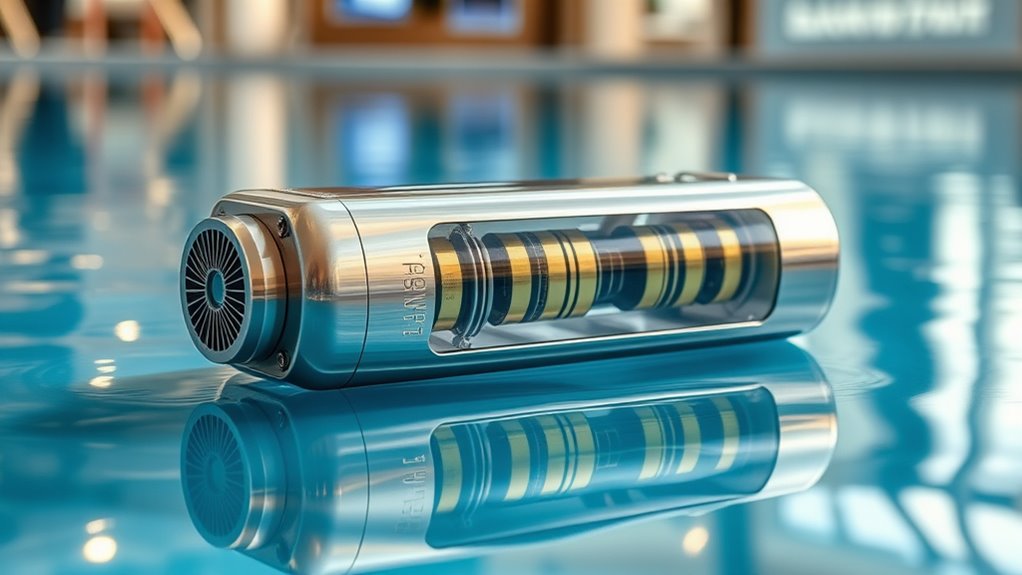
A salt cell is a key part of a saltwater pool system that turns salt into chlorine to keep your pool clean.
It works by passing an electric current through the saltwater as it flows through the cell. This process, called electrolysis, breaks the salt molecules into chlorine and sodium.
The chlorine then sanitizes the water, killing bacteria and algae. As the chlorine does its job, it naturally reverts back into salt, so the cycle keeps going.
You can control how much chlorine is produced by adjusting the cell’s output settings. This system gives you a steady supply of sanitizer, so you don’t need as many traditional chlorine chemicals.
How Much Does a Salt Cell Cost to Buy?
The cost of buying a salt cell depends on a few things like your pool size, the brand you pick, and the features it has. Usually, you’ll pay between $400 and $1,200 for a good quality salt cell.
Smaller, basic models for smaller pools are usually more affordable, while bigger or high-end models with extra features tend to cost more. Brands like Hayward, Pentair, and Zodiac often come with a higher price tag but are known for better durability and performance.
Keep in mind that prices can change depending on where you buy and whether you’re getting a new unit or replacing an old one. It’s a good idea to compare options and think about what offers the best long-term value for your pool.
What Are the Installation and Setup Expenses?
What Are the Installation and Setup Expenses?
Installation and setup costs for a salt cell can vary depending on your pool’s existing electrical system and plumbing. If your setup already has compatible wiring and plumbing, installation may be straightforward and cost around $200 to $500.
However, if upgrades are needed like new wiring, circuit breakers, or plumbing modifications, expenses can go up significantly. These costs might reach $1,000 or more. Labor costs also play a role, especially if you hire a professional pool technician.
Keep in mind that some setups might require additional equipment or modifications, which can add to the overall expense. Planning for these costs ahead of time helps you budget accurately and ensures your salt system is installed correctly for peak performance and safety.
What Are the Ongoing Maintenance Costs for a Salt Cell?
Maintaining your salt cell involves regular cleaning to prevent buildup and keep it working well. You’ll also need to budget for replacement parts as they wear out over time.
Keep in mind that your electricity bills might go up slightly because of the energy the cell uses during operation.
Regular Cleaning Requirements
Regular cleaning is essential to keep your salt cell functioning efficiently and extend its lifespan. Over time, mineral buildup and debris can hinder its performance, so routine maintenance is necessary.
You should regularly inspect and clean the cell to prevent scale deposits that reduce efficiency. Using a mild acid solution or a specialized cleaner helps dissolve mineral buildup without damaging the cell.
Be sure to turn off the system before cleaning to avoid electrical hazards. Consistent cleaning not only maintains water quality but also reduces the risk of costly repairs or replacements down the line.
Check for calcium scale and mineral deposits regularly. Use a soft brush or cloth for cleaning, and follow the manufacturer’s instructions for how often to clean.
Replacement Part Expenses
Replacing a salt cell is an ongoing expense that pool owners should budget for, as these components don’t last forever. Typically, a salt cell lasts between 3 to 7 years, depending on usage and water conditions. When it wears out, you’ll need to buy a replacement, which can cost between $300 and $700. Some models might be more expensive, especially if they include advanced features.
Regular maintenance, like cleaning and monitoring water chemistry, can help extend the life of your salt cell and potentially lower replacement costs. Keep in mind that as your salt cell ages, its efficiency declines, which may lead to more frequent replacements. Planning for these expenses ensures you’re prepared for the ongoing costs of maintaining a healthy, clean pool.
Electricity Consumption Costs
While a salt cell is generally energy-efficient, it still adds to your ongoing electricity costs. The amount you spend depends on your pool size, usage, and local electricity rates.
Typically, salt cells run during peak swimming seasons, which means higher energy use when you’re using the pool the most. On average, you might see an increase of around $15 to $30 per month on your electricity bill.
To keep costs down, run your salt cell during off-peak hours or adjust the output to match your pool’s needs.
- Monitor your electricity usage regularly
- Use a timer to control when the salt cell operates
- Keep your pool’s salt levels balanced for maximum efficiency
How Much Do Salt and Consumables Cost to Maintain Water Chemistry?
Maintaining water chemistry involves ongoing costs for salt and consumables, which can vary based on your pool size and usage.
The price of salt is generally affordable, but factors like brand and quality can influence expenses. Other consumables like shock and stabilizer also add to your budget.
Understanding these costs helps you plan for the regular maintenance needed to keep your pool balanced and crystal clear.
Salt Cost Overview
The cost of salt and consumables is key to keeping your pool’s water chemistry balanced without overspending. Salt is pretty affordable, usually around $10 to $20 for a 40-pound bag, and that lasts several months depending on your pool size.
Ongoing maintenance means you’ll need to add salt periodically to account for dilution and evaporation. You’ll also need to replace or clean salt cell plates now and then, which adds to the overall costs.
Salt costs can vary based on quality and where you buy it. How much salt you use depends on your pool size and how often the water circulates.
Regular water testing is essential to avoid unnecessary salt top-offs and keep your pool balanced efficiently.
Consumables Pricing Factors
Understanding the costs of salt and other consumables is key to keeping your pool’s water chemistry balanced without overspending. The price of salt can vary based on quality and brand, but it’s usually affordable.
Factors like salt purity and grain size affect how much you’ll need and how often you should add more. Besides salt, things like stabilizers, pH adjusters, and algaecides also impact your ongoing costs.
How often you need these depends on your pool’s size, how much you use it, and water evaporation rates. The type of salt you choose—regular table salt or specialized pool salt—can also influence your expenses.
Staying aware of these factors helps you budget better and avoid surprises while maintaining proper water chemistry.
Maintenance Expense Breakdown
On average, you’ll spend around $150 to $300 each year on salt and chemicals to keep your pool balanced. This covers replacing salt, pH adjusters, and other chemicals needed for water chemistry.
Your exact costs depend on your pool size, how often you use it, and your water conditions. Regular testing helps catch imbalances early, so you avoid costly repairs or overusing chemicals.
To keep things simple, think about these key factors: how often you need to replace salt based on your pool size and salt cell efficiency, the use of pH adjusters and chlorine stabilizers, and the cost of testing kits or professional water testing services.
Staying on top of these expenses helps keep your pool water clean, safe, and balanced without breaking the bank.
What Hidden or Unexpected Expenses Might Come Up?
Even with careful planning, unexpected expenses can catch you off guard when installing or maintaining a salt cell in your pool. For example, you might need to replace parts like cell plates sooner than expected, especially if water chemistry isn’t properly balanced.
Extra costs can also come from hiring a professional if you’re not comfortable doing the installation yourself. Sometimes, your pool’s existing equipment isn’t compatible with a salt system, so upgrades or replacements might be necessary.
Unexpected repairs to your pool’s filtration or electrical system could also pop up. Plus, if you live in an area with hard water, you might spend more on water softening or additional chemicals.
Preparing for these surprises helps avoid financial strain down the line.
Are Salt Cells a Cost-Effective Investment Over Time?
Are salt cells a wise investment when considering long-term pool maintenance costs? They can be, especially if you’re looking to cut down on the ongoing expenses of buying and handling traditional chlorine.
Salt cells usually have higher upfront costs, but they help lower chemical costs over time. They also require less manual maintenance and fewer chemical adjustments, saving you effort and money.
But keep in mind a few things: the cell replacement costs can be significant every 3-5 years. You might also see a slight increase in your electricity bills. And if the unit malfunctions, repair costs could add up.
Frequently Asked Questions
How Long Do Salt Cells Typically Last Before Needing Replacement?
Salt cells usually last between 3 to 7 years before needing replacement. The lifespan depends on factors like water chemistry, usage frequency, and maintenance.
You can extend their life by regularly cleaning the cell and monitoring water quality. If you notice reduced chlorine production or the cell appears scaled or corroded, it’s time to consider replacing it.
Proper upkeep helps ensure your salt cell performs efficiently for years.
Are There Any Additional Fees for Professional Installation?
Yes, there are often additional fees for professional installation, but it’s worth the peace of mind. Imagine the precision of a skilled technician carefully installing your salt cell, compared to the uncertainty of doing it yourself.
These fees usually cover labor, testing, and setup to make sure your system runs smoothly. Costs can vary depending on your pool’s size and complexity, so it’s a good idea to get a detailed quote before moving forward.
Can a Salt Cell Affect Your Pool’s Warranty?
Yes, a salt cell can affect your pool’s warranty if it’s not installed or maintained properly.
Some manufacturers require professional installation to keep the warranty valid, and neglecting proper maintenance might void it.
Always check your warranty terms before installing a salt cell, and consider having it installed by a professional to ensure you’re compliant.
Proper installation and maintenance help protect your investment and prevent potential warranty issues down the line.
What Are Common Signs a Salt Cell Needs Repair?
Like a fading lighthouse warning of danger, your salt cell shows signs when it needs repair. You might notice reduced chlorine output, cloudy water, or salt levels fluctuating unexpectedly.
The cell could also be corroded or produce a foul smell. If you see these signs, don’t ignore them. Addressing issues early helps maintain clear, safe water and prevents costly damage.
Keeping your pool shining like a symbol of summer relaxation is easier when you catch problems early.
Do Salt Cells Increase Electricity Bills Significantly?
Salt cells can slightly increase your electricity bills, but not considerably. They operate efficiently, converting salt to chlorine with minimal power usage.
If your salt cell is working properly, you’ll notice a small bump in your energy costs, but it shouldn’t skyrocket. Regular maintenance and proper settings help keep electricity consumption low.
Conclusion
Ultimately, investing in a salt cell can gently brighten your pool experience, turning daily maintenance into a more effortless dance. While there are some costs involved, they’re like small, welcome notes along your pool journey.
With a little planning and care, you’ll find that the smooth, softened water and simplified upkeep make every swim feel like a revitalizing escape. A salt cell can be a game-changer for your pool.
Welcome the process, and your pool will thank you with years of sparkling, inviting waters. Embracing the right prices for a salt cell ensures you enjoy all these benefits without surprises.