7 Cost Breakdown Items: How Much Does Kitchen Renovation Cost?
Planning a kitchen renovation can feel overwhelming, especially when you’re trying to figure out the costs. Many homeowners struggle with budgeting and wonder where their money should go. You’re not alone—knowing what to expect can make the process much smoother.
A kitchen renovation’s cost typically covers seven key areas: cabinets and countertops, appliances and fixtures, plumbing and electrical upgrades, flooring and painting, permits, and professional services.
Expect to spend from a few thousand dollars for basic updates to over $50,000 for high-end changes. Your budget depends on material choices, labor, and project scope.
To get a clear plan, consider each category carefully.
Continue exploring to uncover detailed tips on estimating your total renovation costs.
Key Takeaways
- Cabinets and countertops can really influence the overall cost. Custom options tend to be more expensive than stock choices.
- Appliances come in a wide price range. You might find basic models around $1,000, while high-end options can go over $5,000 each.
- Plumbing and electrical upgrades usually cost between $1,500 and $5,000. The final amount depends on how complex the work is and what’s needed.
- Flooring and painting costs are calculated based on the square footage. This can have a big impact on your total renovation expenses.
- Don’t forget about permits and professional fees. These are essential costs that can add several thousand dollars to your overall budget.
How to Estimate Your Kitchen Renovation Budget
Estimating your kitchen renovation budget is a key first step that lays the groundwork for your entire project. It helps you figure out what you can realistically afford before diving into details.
Start by making a list of your must-haves versus nice-to-haves. Think about your savings, financing options, and any other funding sources you might have.
Identify your essentials versus extras, and consider your financial sources to plan a realistic kitchen renovation budget.
Research the average costs for materials, labor, permits, and unexpected expenses in your area. Setting a clear overall budget will guide your choices but leave room for surprises.
Break down your total budget into categories like cabinets, appliances, fixtures, and finishing touches. This way, you can prioritize spending and avoid overspending on less important items.
What Are the Costs of Cabinets and Countertops
Cabinets and countertops are often the most noticeable expenses in a kitchen renovation. Their costs can vary a lot depending on the materials, size, and design choices you make.
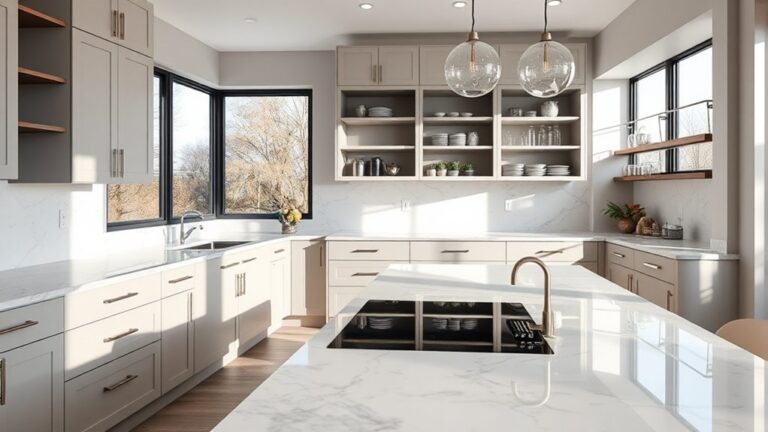
Custom cabinets made from high-end wood can really bump up your budget, while stock cabinets are a more affordable option. Countertop materials range from budget-friendly laminate to luxurious marble or granite.
Here’s what influences the cost:
- Material choice: laminate, wood, quartz, granite, marble
- Size of your kitchen: bigger spaces need more material and labor
- Style and design complexity: custom designs tend to cost more
- Installation and finishing: labor charges can add up quickly
Knowing these factors helps you plan for the most impactful part of your kitchen remodel.
How Much Do Appliances and Fixtures Usually Cost?
Have you wondered how much you’ll spend on appliances and fixtures for your kitchen upgrade? The costs can vary a lot depending on the quality and brand you choose.
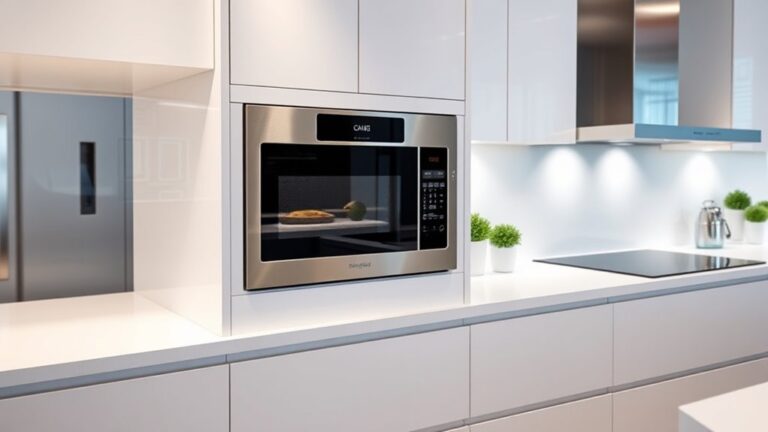
Basic appliances like a refrigerator, stove, and dishwasher usually range from $1,000 to $3,000 each if you go for mid-range models. High-end appliances can cost over $5,000 per item.
Fixtures such as sinks, faucets, and lighting fixtures generally cost between $200 and $1,000 each, depending on style and material. If you prefer luxury finishes or designer brands, be prepared to pay more.
What Are the Expenses for Plumbing and Electrical Upgrades
Upgrading appliances and fixtures often highlights the importance of reliable plumbing and electrical systems. If your kitchen is getting a facelift, expect to spend on necessary upgrades to guarantee safety and functionality.
Plumbing expenses might include replacing pipes, installing new fixtures, or relocating sinks, which can cost between $2,000 and $5,000. Electrical upgrades can involve rewiring, adding outlets, or installing new circuits, typically costing $1,500 to $4,000.
These upgrades are essential for handling modern appliances and avoiding future issues. This may include replacing old pipes or fixing leaks, installing new electrical outlets or circuits, or upgrading the main electrical panel.
It’s also important to confirm code compliance and safety measures to keep everything running smoothly and safely.
How Much Should You Budget for Flooring and Painting
Wondering how much to set aside for flooring and painting in your kitchen renovation? The costs can vary based on the materials you choose and the size of your space.
For flooring, expect to spend anywhere from $3 to $15 per square foot, depending on whether you go with vinyl, laminate, tile, or hardwood. Larger kitchens will naturally need a bigger budget.
Painting costs usually range from $1.50 to $3 per square foot, including labor and materials. If you’re painting walls and ceilings, plan for extra expenses if you want premium paints or custom finishes.
To stay within your budget, compare different options, consider doing some work yourself, and get multiple quotes from professionals. A good rule of thumb is to allocate around 10-15% of your total renovation budget for flooring and painting.
Permits and Professional Services Costs
Permits and professional services costs are a key part of your renovation budget. They can really influence your overall expenses.
Getting permits ensures your project meets local building codes, helping you avoid fines or delays. Professional services include hiring architects, designers, or contractors, which can vary a lot depending on your project.
You’ll need to budget for permits, which can range from a few hundred to several thousand dollars, depending on where you are and how big your project is. Professional fees often make up a large part of your total costs, especially if you’re making major changes.
Expect to pay for building permits and inspections, as well as fees for hiring architects or designers. Contractor consultation and project management fees are also part of the picture.
There may be additional costs for specialized services or permits needed for unique aspects of your project.
Tips for Estimating Your Total Kitchen Renovation Cost
Estimating your total kitchen renovation cost takes some planning and research. Start by listing all possible expenses, like materials, labor, permits, and professional fees.
Use quotes from contractors or look at past projects to set a realistic budget. Break down your costs into categories for better clarity and adjust as needed.
Don’t forget to keep a contingency fund for unexpected expenses. Consider the following:
| Item | Estimated Cost | Priority Level |
|---|---|---|
| Cabinets & Countertops | $8,000 – $15,000 | High |
| Appliances | $2,000 – $5,000 | Medium |
| Plumbing & Electrical | $3,000 – $7,000 | High |
| Flooring | $1,500 – $4,000 | Medium |
| Labor | $7,000 – $15,000 | High |
Having accurate estimates helps avoid surprises and keeps your project on track.
Frequently Asked Questions
How Long Does a Typical Kitchen Renovation Take?
A typical kitchen renovation takes about 6 to 8 weeks, depending on the project’s complexity. You’ll start with planning and permits, then move to demolition, construction, and finishing touches.
If you’re updating appliances or changing the layout quite a bit, it may take longer. Staying flexible and communicating regularly with your contractor can help keep everything on schedule.
Expect some delays, but with proper planning, your kitchen will be ready within this timeframe.
Are There Hidden Costs in Kitchen Remodeling?
Yes, hidden costs in kitchen remodeling can feel like uncovering a secret treasure chest of surprises! Unexpected expenses like permits, plumbing issues, or electrical upgrades often sneak up on you.
You might also find yourself overspending on trendy fixtures or last-minute design changes. To avoid financial shock, always set aside a contingency fund, get detailed estimates, and communicate clearly with your contractor.
Staying prepared keeps your dream kitchen from turning into a budget nightmare!
How Can I Save Money During Renovation?
You can save money during your kitchen renovation by planning carefully, sticking to your budget, and prioritizing essential updates.
Consider doing some DIY projects, like painting or installing backsplash tiles, to cut labor costs. Shop around for materials and appliances, and look for sales or discounts.
Reusing or repurposing existing cabinets and fixtures can also help reduce expenses. Staying flexible with your design choices keeps costs manageable and prevents overspending.
What Is the Average Cost per Square Foot?
The average cost per square foot for a kitchen renovation usually falls between $100 and $250, depending on what you want and the quality of materials.
You’ll pay less for basic upgrades and more for high-end finishes or custom features. To stick to your budget, compare prices from different contractors, choose affordable materials, and focus on the most important updates.
This way, you’ll get the best value for your money.
Do Renovation Costs Vary by Region or City?
Of course, renovation costs vary wildly by region or city—kind of like the weather, but with more surprises!
In big cities, you’ll likely pay a premium for trendy fixtures and skilled labor.
In rural areas, expect more budget-friendly options.
Conclusion
Don’t let the thought of costs hold you back. Knowing where your money goes makes planning much easier.
With a clear breakdown of kitchen renovation costs, you can prioritize what matters most and avoid surprises along the way.
Remember, a well-planned kitchen renovation doesn’t have to break the bank. It’s all about making smart choices and setting realistic expectations.
So, go ahead, start budgeting today. By understanding the main cost breakdown items, you can transform your kitchen into a space you’ll love without stress or overspending!