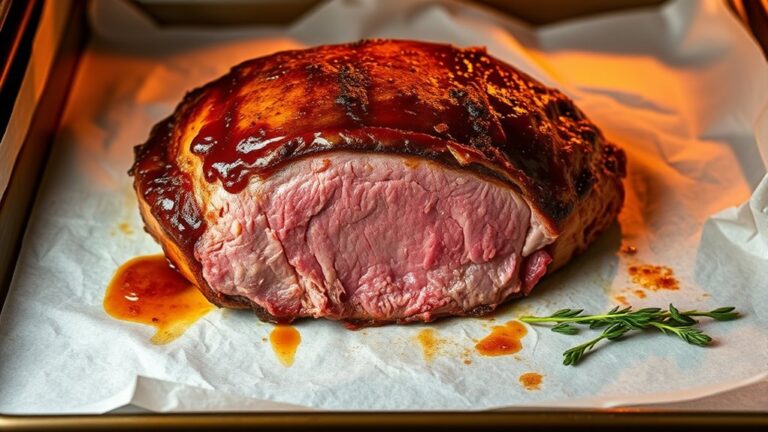
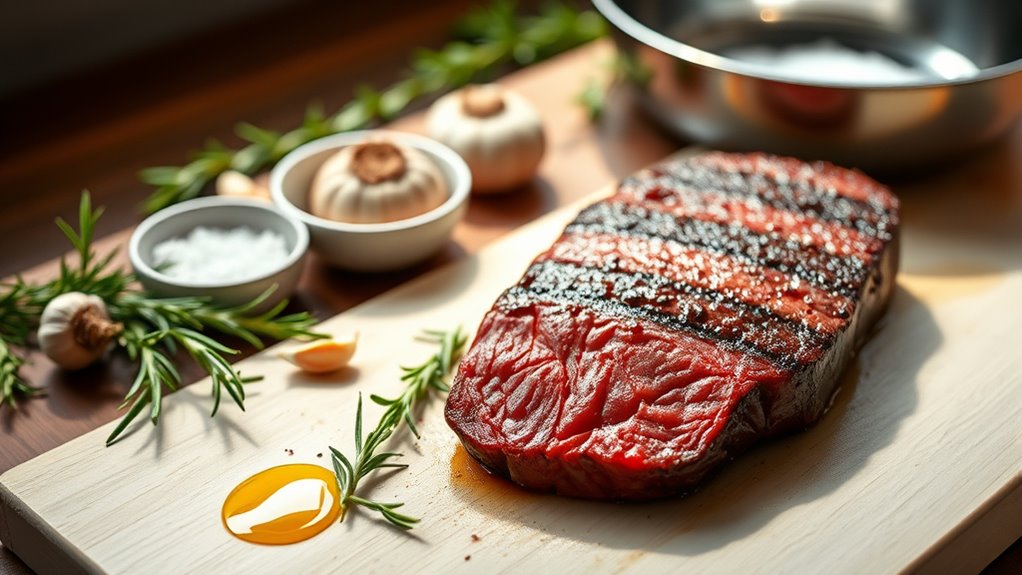
How to Cook Petite Tender Beef Filet in 7 Easy Steps
Cooking a petite tender beef filet can seem intimidating, especially if you’re aiming for that perfect, melt-in-your-mouth texture. You’re not alone—many people struggle with achieving the right balance of flavor and tenderness.
But don’t worry, with a few simple steps, you can master this delicious dish effortlessly.
To cook a petite tender beef filet, start by choosing a fresh, well-marbled cut and trimming excess fat.
Season it simply with salt, pepper, and herbs, then sear it in a hot pan for 2-3 minutes per side to develop a flavorful crust.
Let it rest for 5-10 minutes, then serve with your favorite sides.
For detailed tips on each step, keep exploring how to achieve the perfect, tender filet.
Key Takeaways
- Select a fresh, well-marbled petite tender beef filet, trim any excess fat, and cut it into even portions.
- Season generously with salt, pepper, garlic, and herbs to bring out the natural flavors.
- Preheat a hot pan to 400°F. Sear each side for 2-3 minutes until a nice crust forms.
- Let the cooked filet rest for 5-10 minutes. This helps retain the juices and makes the beef more tender.
- Serve your petite tender with sides like mashed potatoes, roasted vegetables, or a fresh salad for a complete meal.
Choose the Best Petite Tender Beef Filet Cut
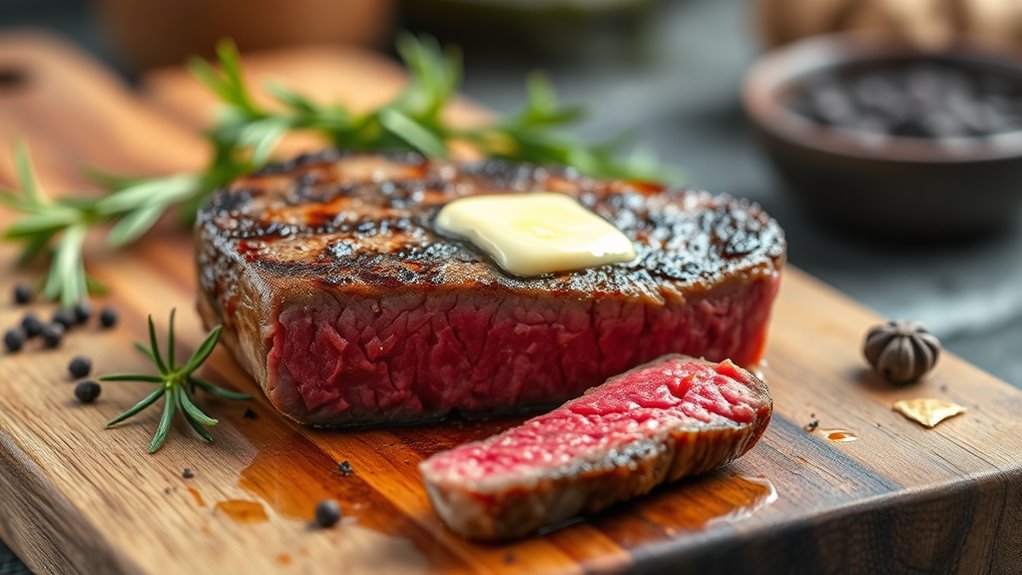
How can you guarantee you’re selecting the highest quality petite tender beef filet? First, look for a cut with a deep, bright red color. This shows freshness and good marbling.
Choose a deep red, well-marbled petite tender for freshness and quality.
The petite tender should feel firm but not hard. That indicates it’s tender and fresh. Check for minimal surface moisture and avoid cuts with a grayish hue or excess blood spots.
It’s best to buy from reputable butchers or sources known for high-quality beef. They often select prime cuts that will give you the best results.
When inspecting the beef, confirm the muscle is uniform in size and shape. Look for little visible connective tissue, which helps ensure tenderness.
Freshness and proper handling are key to getting a tender, flavorful filet. Picking the right cut really sets the foundation for a perfect cooking experience.
Trim and Prepare Your Beef Filet for Cooking
Start by laying your beef filet on a clean cutting board and inspecting it for any excess fat or connective tissue. Removing these ensures a tender, clean bite.
Here’s how to prepare it: Use a sharp knife to carefully trim away any silver skin or thick fat deposits. Check for and cut away any tough connective tissue that might hinder even cooking.
Pat the filet dry with paper towels to promote a good sear and prevent steaming. If needed, cut the filet into evenly sized portions for consistent cooking.
Taking these steps helps guarantee your beef filet cooks evenly and stays tender. Keep your cuts precise to avoid removing too much meat, and always handle the knife carefully for safety.
Season Your Beef Filet for Maximum Flavor
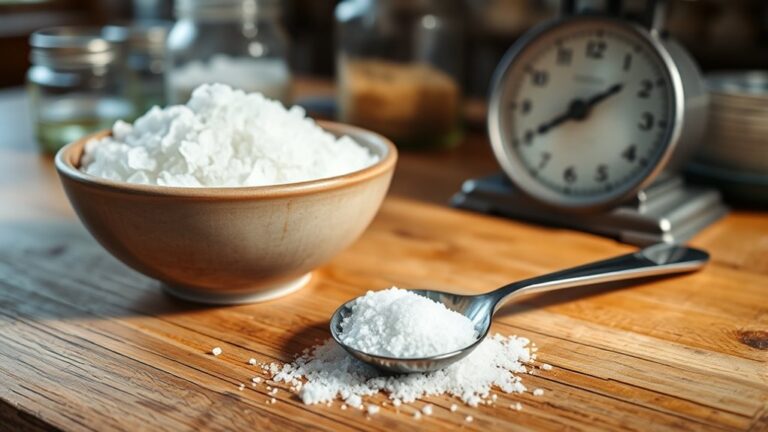
Once your beef filet is trimmed and ready, it’s time to boost its natural flavor with the right seasoning. Start with a generous pinch of salt, which helps tenderize the meat and brings out its richness. Follow with freshly ground black pepper for a subtle kick.
For extra depth, sprinkle garlic powder or minced fresh garlic. You might also add a touch of thyme or rosemary for herbal notes. If you like a bit of spice, paprika or chili powder work really well.
Keep the seasoning simple so the beef can shine. Rub the seasonings evenly all over the filet, pressing gently to make sure they stick. Be careful not to over-season—you’re enhancing, not overpowering, the natural flavor of the beef.
Sear the Beef Filet to Lock in Juices
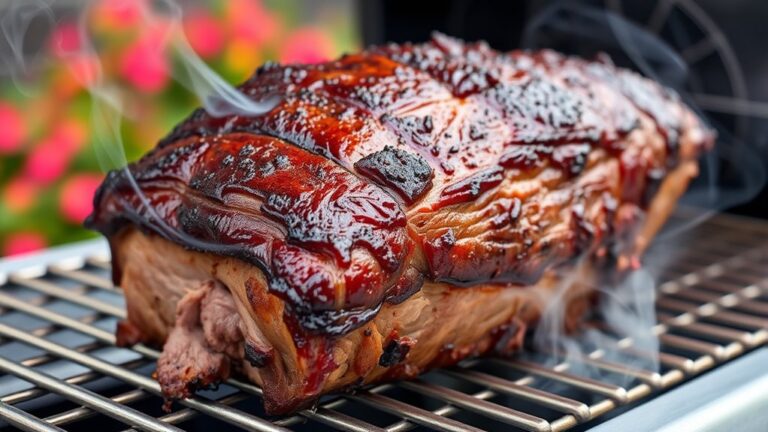
To guarantee your beef filet stays juicy and flavorful, it’s important to sear it properly. This step creates a tasty crust that seals in the juices.
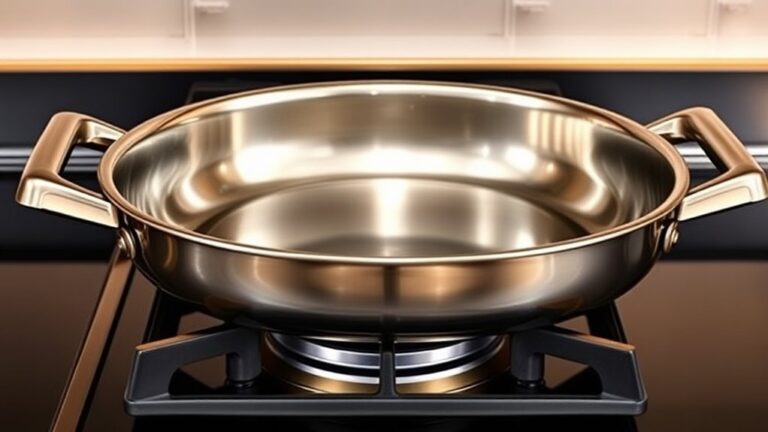
First, make sure your pan is hot—around 400°F (200°C)—before adding the beef. This helps get that perfect sear.
Second, avoid overcrowding the pan. Work in batches if needed so the meat can brown evenly.
Third, don’t move the meat too soon. Let it develop a rich, brown crust for about 2-3 minutes per side.
Fourth, use tongs to flip the filet gently. This ensures even searing and prevents tearing the meat.
This quick, high-heat process locks in moisture and boosts flavor. Proper searing is key to a tender, juicy beef filet that stays delicious through the whole cooking process.
Cook the Beef Filet to Your Perfect Doneness
Achieving your preferred level of doneness depends on monitoring the internal temperature of the beef filet as it cooks. Use a reliable meat thermometer to check the temperature regularly.
For rare, aim for 120-125°F; it will be bright red and cool in the center. For medium-rare, target 130-135°F; the center will be warm and pink.
Medium is 140-145°F, with a slightly firm texture and pink center. For medium-well, cook to 150-155°F; the meat will be mostly brown inside with just a hint of pink.
Well-done reaches 160°F and above, resulting in a firm, fully cooked interior. Remove the filet from heat when it’s a few degrees below your target, as it continues to cook slightly while resting.
Rest and Serve Your Beef Filet for Optimal Juiciness
Allow your beef filet to rest for a few minutes before slicing. This helps it retain its juices. Wrap it loosely with foil to keep it warm without trapping steam.
Following the right resting time guarantees each bite stays tender and flavorful.
Rest Time Importance
Resting your beef filet after cooking is crucial for locking in its juices and making sure every bite is tender and full of flavor. When you let it sit, the juices spread out evenly throughout the meat, so they don’t spill out when you slice it.
This step really makes a difference in how the meat feels and tastes. Here are four reasons why resting is so important:
- Juice Retention: Keeps the moisture inside, making your filet much juicier.
- Even Temperature: Ensures the heat is spread out evenly for consistent doneness.
- Improved Texture: Helps create a tender, melt-in-your-mouth experience.
- Enhanced Flavor: Gives the flavors a chance to settle and intensify.
Skipping this step can leave you with dry, less satisfying meat, so don’t rush it. Resting is key to achieving that perfect petite tender beef filet.
Proper Tent Wrapping
To keep your beef filet juicy and flavorful, proper tent wrapping is essential. After cooking, transfer the meat to a plate and loosely cover it with aluminum foil, creating a tent.
This technique traps heat and moisture, preventing the meat from cooling too quickly and losing its juices. Avoid wrapping the filet tightly, as this can cause excess steam and make the crust soggy.
The goal is to allow the meat to rest while still retaining warmth. By tenting your beef filet, you give the juices a chance to redistribute evenly throughout the meat.
This simple step guarantees your filet stays tender, moist, and flavorful when you’re ready to serve. Proper tent wrapping makes all the difference in enjoying a perfectly cooked beef filet.
Resting Duration Tips
Timing is everything when it comes to resting your beef filet for maximum juiciness. Resting helps the juices redistribute, making each bite tender and flavorful. For petite tender beef filet, aim for a resting time of 5 to 10 minutes.
Here are some tips to perfect your resting process:
- Cover it loosely with foil to keep the heat in without trapping too much moisture.
- Use a warm plate to help keep the meat at the right serving temperature.
- Don’t slice into it right away—resting prevents juice from escaping.
- Check the internal temperature; it should stay about 5°F below your target doneness to finish cooking during resting.
Follow these tips, and you’ll get a juicy, succulent beef filet every time.
Plate and Enjoy Your Delicious Beef Filet
Once your beef filet is rested, it’s time to plate it beautifully. Use simple yet elegant plating techniques to highlight the meat’s appeal.
Choose sides that complement its flavors. The right presentation and pairing can turn your meal into a memorable dining experience.
Perfect Plating Techniques
Regarding presenting your petite tender beef filet, a well-thought-out plating can really elevate the whole dining experience. First, pick a clean, warm plate to keep the beef at the right temperature.
Next, rest the filet slightly off-center for a more inviting look. Add a touch of sauce or jus around the meat, but be careful not to drip on the edges of the plate.
Finish by garnishing with fresh herbs or microgreens for a pop of color and elegance. To make your presentation stand out:
- Use contrasting colors to make the beef pop.
- Keep the plate simple and avoid overcrowding.
- Add height with small stacks or rolled elements.
- Drizzle or smear sauce artistically for flair.
A polished presentation makes your beef filet look as delicious as it tastes.
Pairing Delicious Sides
Complementing your petite tender beef filet with the right sides can turn a simple meal into something memorable. Go for classic options like roasted vegetables, garlic mashed potatoes, or a fresh green salad to balance the rich, tender meat.
For a touch of elegance, add sautéed asparagus or glazed carrots. These bring color and flavor to your plate. If you’re craving something hearty, try a cheesy gratin or crispy polenta.
Frequently Asked Questions
How Long Does It Take to Cook Petite Tender Beef Filet?
You should cook petite tender beef filet for about 2 to 3 minutes per side for a perfect medium-rare, depending on thickness. If you like it more done, add a minute or two per side.
Use a meat thermometer to check for an internal temperature of 135°F for medium-rare or adjust it to your preference.
Let the meat rest for a few minutes before serving to keep it juicy.
What Are Common Mistakes to Avoid When Cooking Petite Tender Beef?
You should avoid overcooking the petite tender beef filet, since it can become tough and lose its tenderness.
Don’t forget to let the meat rest after cooking, which helps keep the juices in.
Using high heat too quickly can burn the outside while leaving the inside underdone, so be careful with your temperature.
Make sure to season the meat properly beforehand to boost the flavor.
Finally, avoid overcrowding the pan, as that can cause uneven cooking.
Can I Cook Petite Tender Beef Filet Using a Different Method?
Yes, you can cook petite tender beef filet using different methods. For example, try grilling it for a smoky flavor and a slightly charred exterior.
Preheat your grill to high, season the meat well, then sear it for a few minutes on each side until it reaches your desired doneness.
This method offers a delicious alternative to pan-searing and adds a unique, flavorful twist to your meal.
What Side Dishes Complement Petite Tender Beef Filet Best?
You should serve petite tender beef filet with classic sides like roasted vegetables, garlic mashed potatoes, or a fresh green salad. These options help highlight the tender, rich flavor of the beef without overpowering it.
You can also add a touch of horseradish sauce or a red wine reduction for extra sophistication. Keep the sides simple and flavorful to make your meal truly enjoyable and well-balanced.
How Do I Store Leftover Petite Tender Beef Filet Properly?
Imagine wrapping the tender, juicy beef in foil, sealing in its warmth and flavor. You store leftovers by placing the beef in an airtight container or wrapping it tightly in aluminum foil or plastic wrap.
Keep it in the refrigerator for up to 3-4 days, and make sure it’s cooled before refrigerating. For longer storage, freeze it, labeling the package with the date for easy tracking.
Conclusion
As you enjoy your perfectly cooked petite tender beef filet, remember that the journey from choosing your meat to plating it reflects life’s small yet meaningful moments.
Sometimes, it’s the simple steps—like seasoning or letting the meat rest—that bring out the true flavor. It’s a lot like unexpected coincidences that make our stories richer.
So, savor this delicious dish and appreciate how each step, much like life’s surprises, makes the experience memorable.
Great meals and moments often come from paying attention to the smallest details, especially when cooking petite tender beef filet.