
7 Factors Influencing How Much Kitchen Cabinets Cost
Are you feeling overwhelmed trying to figure out how much kitchen cabinets will cost? You’re not alone—many people struggle with understanding what influences the price of new cabinets. It’s a common concern, especially when you want quality without breaking the bank.
Your kitchen cabinet costs depend on materials like MDF or plywood that offer durability at lower prices. The style and design, whether simple or intricate, greatly impact costs. Custom features and finishes can add to your budget, especially if they’re complex.
Installation difficulty varies with design complexity and space. The brand and quality also influence pricing, with reputable brands often costing more.
Size and storage options play a role, and extra features can either save or increase your expenses.
Keep exploring for details.
Key Takeaways
- Material choice, such as MDF, plywood, or solid wood, has a big impact on the overall cost of your cabinets.
- The design complexity and any custom features you want can also increase both labor and material expenses.
- Installation can get tricky if you need custom sizes or advanced hardware, which in turn affects the total cost.
- The brand you choose and the quality of materials they use can influence the price as well as the warranty coverage.
- Finally, your finish and hardware selections, like opting for laminate or high-end handles, can change your overall budget.
What Materials Make Kitchen Cabinets Cost-Effective?
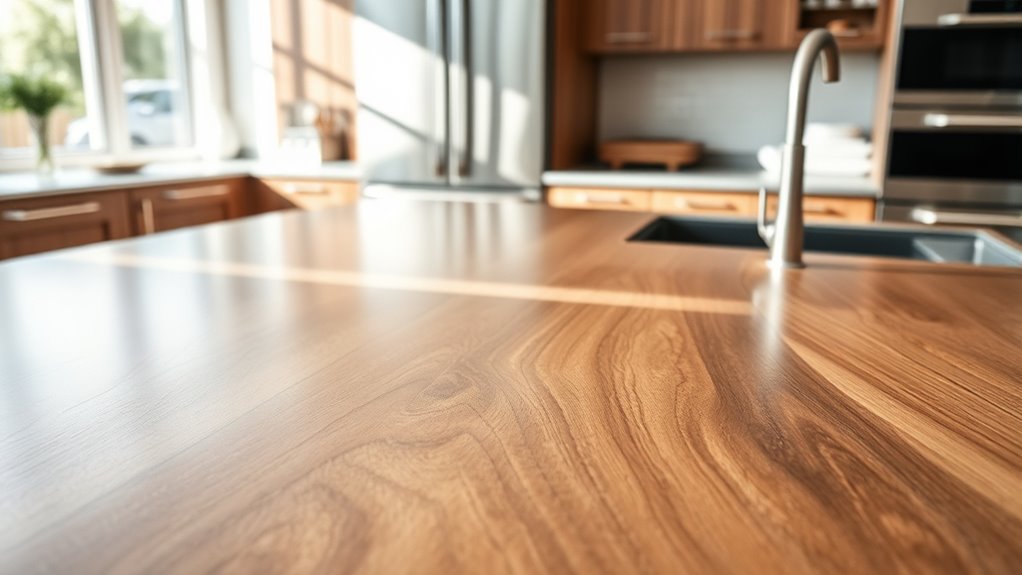
When you’re trying to keep kitchen cabinet costs down, choosing the right materials can make a big difference. Going for affordable options like medium-density fiberboard (MDF) or plywood instead of solid wood helps save money without sacrificing durability.
MDF is smooth, easy to paint, and budget-friendly, making it a popular choice for many homeowners. Plywood offers strength and resists warping at a lower cost than hardwood.
Laminate finishes can mimic the look of pricier materials while keeping costs low. It’s best to avoid rare or exotic woods, which tend to be expensive.
How Style and Design Influence Your Budget?
Your chosen style and design can really impact your budget, since more intricate or custom features tend to cost more.
Complex designs and detailed craftsmanship need extra time and materials, which drive up expenses.
Material Choices Impact Cost
Choosing the right materials for your kitchen cabinets can really impact your overall budget. High-end woods like cherry or maple tend to be more expensive, but they’re durable and give a premium look.
On the flip side, MDF or particleboard options are budget-friendly and still look good, especially with a veneer finish. Solid wood cabinets usually cost more because of both material and craftsmanship.
Laminate or thermofoil surfaces are cheaper options that mimic real wood. The materials you pick also affect maintenance and how long your cabinets last, which can save you money in the long run.
If you want a luxurious feel without spending a fortune, try mixing materials—use high-end fronts with more affordable frames. Your choices directly influence both the initial cost and the long-term value of your kitchen.
Design Complexity Effects
Complex cabinet designs and intricate details can significantly boost your project costs. When you pick ornate styles like raised panels, decorative moldings, or glass inserts, you’re adding both labor and material expenses.
Custom features, such as unique moldings or detailed carvings, need more skilled craftsmanship and time, which raises the overall price. Simpler, flat-panel doors are more budget-friendly, while complex designs need extra precision and steps.
If you choose non-standard shapes or asymmetrical layouts, expect higher costs due to custom fabrication. Decorative finishes like distressing or glazing can also add to your expenses.
Ultimately, the more detailed and elaborate your cabinets are, the more you’ll pay. Be sure to balance your style preferences with your budget to get the look you want without overspending.
Choosing Custom Features That Fit Your Wallet?
While customizing kitchen cabinets can boost their style and usefulness, it’s key to choose features that fit your budget. Focus on the essentials instead of every available upgrade.
For example, investing in soft-close hinges can be worthwhile, but adding elaborate moldings or exotic wood finishes can quickly raise costs. Think about practical features like adjustable shelves and pull-out drawers, which add convenience without breaking the bank.
You can also select finishes and hardware that match your overall design without overspending. Prioritize features that offer the most value and functionality for your needs.
How Installation Complexity Affects Your Costs?
The complexity of your kitchen cabinet installation directly impacts the overall cost, since more intricate setups often require extra labor, time, and specialized tools.
If your space has unusual dimensions, tight corners, or uneven walls, expect to pay more. Installing custom features like decorative moldings or soft-close mechanisms also adds to the complexity and increases labor needs.
Additionally, if your cabinets need modifications or adjustments during installation, it can prolong the process and raise costs.
The type of cabinetry—such as wall-mounted versus floor-standing—can influence how complex the installation is.
The more complicated the process, the higher your labor costs will be.
Thorough planning and choosing simpler designs can help keep installation costs manageable while ensuring a smooth, efficient process.
How Brand and Quality Impact Cabinet Prices?
Brand reputation and overall quality greatly influence the price you’ll pay for kitchen cabinets. Well-known brands often charge more because they guarantee durability, craftsmanship, and better materials. Higher-quality cabinets typically feature solid wood or premium finishes, which drive up costs.
Brand reputation and quality significantly impact kitchen cabinet prices, with well-known brands offering durability and premium materials.
Here are four ways brand and quality impact prices:
- Brand Prestige. Established brands command higher prices due to trust and reputation.
- Material Quality. Premium materials like solid wood or plywood increase costs.
- Craftsmanship. Superior craftsmanship and detailed finishes add to the price.
- Warranty & Support. Better brands often include longer warranties, impacting overall cost.
Knowing how brand and quality influence prices helps you make smarter choices that fit your budget and style.
How Size and Storage Options Change Costs?
The size of your kitchen cabinets and how much storage you need directly affect the overall cost. Larger cabinets use more materials, which naturally raises the price. Full-height cabinets that go up to the ceiling tend to cost more than standard-sized ones.
Adding extra shelves, drawers, or special storage features like wine racks or lazy Susans also increases the cost. If you choose custom sizes to fit a unique space, expect to pay more than for standard measurements.
On the other hand, smaller or simpler cabinets with fewer storage options are usually more affordable. Your choices in size and storage impact both material costs and labor, so it’s important to balance your storage needs with your budget to avoid surprises later.
Extra Factors That Can Save You Money or Add to Your Budget?
Want to maximize your budget when choosing kitchen cabinets? Several extra factors can help you save money or increase costs.
- Material Choices: Choosing MDF or laminate instead of solid wood can lower expenses. On the other hand, premium materials will increase costs.
- Hardware Upgrades: Simple handles are budget-friendly, but designer pulls can add to your overall spend.
- Finish Types: Paint finishes are more affordable than custom stains or glazes, which tend to raise costs.
- Installation Method: Doing it yourself can cut labor costs, but hiring professionals ensures quality—though it may impact your budget.
Being aware of these factors helps you make smarter decisions. Focus on what matters most to you—saving or splurging—while staying within your financial limits.
Frequently Asked Questions
How Do Regional Labor Rates Affect Kitchen Cabinet Costs?
Regional labor rates directly impact your kitchen cabinet costs because higher wages increase installation expenses.
If you’re in an area with a strong economy or high living costs, expect to pay more for skilled labor.
Conversely, regions with lower wages can help reduce your overall costs.
You should consider these differences when budgeting, as they greatly influence the total price you’ll pay for both materials and professional installation.
What Impact Do Current Market Trends Have on Cabinet Prices?
Current market trends can cause kitchen cabinet prices to fluctuate. If there’s high demand for custom or imported cabinets, prices tend to rise.
Conversely, if raw material costs drop or manufacturers increase production, prices can decrease. Supply chain disruptions or shortages also influence costs, making cabinets more expensive.
Staying aware of these trends helps you anticipate price changes, so you can plan your budget and timing for buying cabinets more effectively.
Are There Seasonal Price Fluctuations for Kitchen Cabinets?
Yes, there are seasonal price fluctuations for kitchen cabinets. During peak remodeling seasons like spring and summer, prices tend to go up because of high demand and limited stock.
In the fall and winter, you might find better deals since demand drops. Planning your renovation during these off-peak times can help you save some money.
Keep an eye out for sales and promotions, especially during holiday periods, to get the best prices.
How Does the Choice of Finish Influence Overall Costs?
Choosing a finish can really affect your kitchen cabinet costs. Premium finishes like high-gloss, lacquer, or custom stains tend to be more expensive because of their application process and materials.
Standard finishes, such as basic paint or veneer, usually cost less. If you go for intricate or specialized finishes, you can expect to pay more.
Your choice of finish can add hundreds or even thousands of dollars to your overall cabinetry budget, depending on how complex and high-quality the material is.
What Financing Options Are Available for Expensive Cabinets?
You can explore different financing options for expensive cabinets, like home improvement loans, credit cards with promotional rates, or specialized kitchen remodeling loans.
Many retailers also offer in-house financing or payment plans to help make costs more manageable.
Be sure to compare interest rates and repayment terms so you can find the option that best fits your budget.
This way, you can upgrade your kitchen without stressing over the costs, spreading out payments over time.
Conclusion
Think of your kitchen cabinets as a garden. The materials are your seeds, shaping the growth and cost; the style and features are the plants, adding beauty and value. Installation is tending the garden, sometimes simple, sometimes complex.
The brand and size are like the garden’s layout, influencing overall size and cost. With careful planning and choices, you’ll cultivate a beautiful, budget-friendly kitchen that blooms with style and function.