Can You Put a Ceramic Pan in the Oven?
Many home cooks want to get the most out of their ceramic pans, especially when it comes to versatile cooking tools. You’re not alone if you’ve wondered whether your ceramic pan can go in the oven—that’s a common question!
Knowing the right way to use your cookware can make a big difference in your cooking experience.
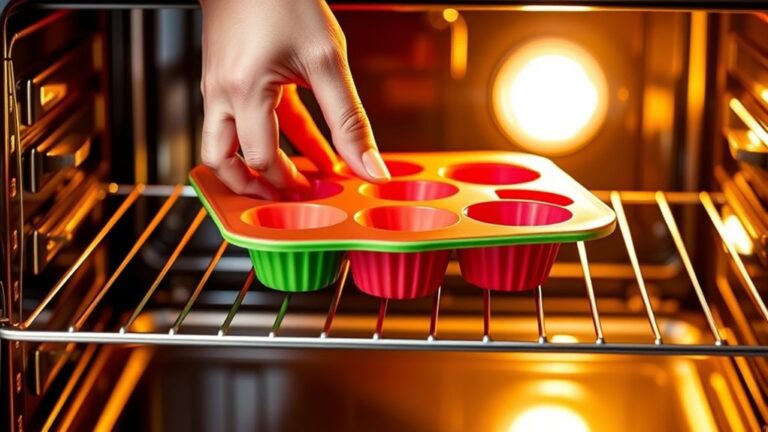
You can put a ceramic pan in the oven if it’s labeled as oven-safe and you follow safety guidelines. Check the manufacturer’s instructions for temperature limits and verify that handles are heat-resistant, usually metal or silicone.
Avoid plastic or wood handles, as they aren’t oven-safe. Preheat gradually, and handle the hot pan carefully.
To guarantee your cookware’s longevity and safety, there’s more you should consider—keep exploring to learn the best practices.
Key Takeaways
- Check the manufacturer’s instructions to see if your ceramic pan is oven-safe. This is the most important step before putting it in the oven.
- Make sure the handles are oven-safe too. If they are made of plastic or silicone, remove or cover them to avoid damage.
- Usually, ceramic pans can handle temperatures between 350°F and 450°F. But it’s always good to double-check.
- Avoid sudden temperature changes, like taking a hot pan and placing it in cold water. This can cause cracking or warping.
- When handling a hot ceramic pan, always use oven mitts. This keeps you safe from burns and accidents.
Can You Put a Ceramic Pan in the Oven?
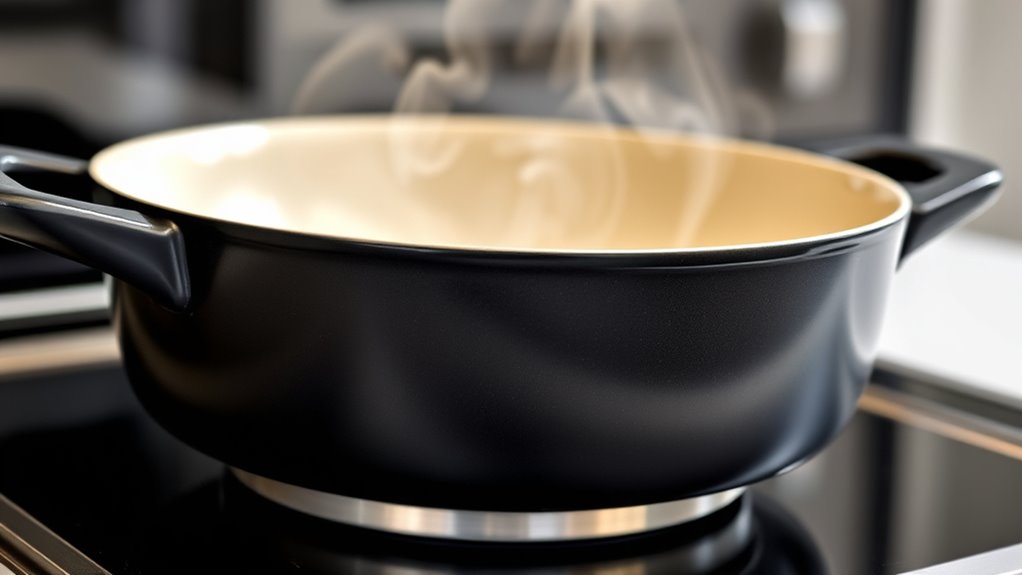
Can you put a ceramic pan in the oven? Yes, in many cases, you can. Most ceramic pans are designed to handle oven temperatures, but it’s important to check the manufacturer’s instructions.
Typically, ceramic pans are oven-safe up to around 350°F to 450°F. Before putting your pan in the oven, make sure to remove any plastic or silicone handles that aren’t oven-safe.
Avoid sudden temperature changes to prevent cracking. If the label or packaging says it’s oven-safe, you’re good to go. Just keep in mind that even oven-safe ceramic pans have limits.
It’s always a good idea to verify the specific details for your cookware. Proper use helps keep it safe and in good shape for a long time.
What Types of Ceramic Pans Are Oven-Safe?
Not all ceramic pans are built to withstand oven heat, so it’s important to check their material and construction. Look for pans with durable ceramic coatings and heat-resistant handles that can handle oven temperatures safely.
Always follow manufacturer labels and recommendations to guarantee safe oven use with your ceramic pan.
Material Composition and Durability
Ceramic pans are made from different materials, each with its own durability and oven safety level. Some use a pure ceramic coating over metal, which can handle high temperatures if the coating is chip-free.
Others are made entirely of solid ceramic, providing great heat resistance and durability. The quality of the ceramic affects how well the pan holds up in the oven; high-quality ceramics resist cracking and warping.
Cheaper options might crack or degrade faster when exposed to high heat. Always check the manufacturer’s specs to confirm if the pan is oven-safe, as some ceramic pans are only for stovetop use.
Properly made ceramic pans with durable materials can often handle oven temperatures safely, making them last longer.
Handle Compatibility and Safety
The handle attached to your ceramic pan is key to knowing if it’s oven-safe. Some handles are made to handle high temperatures, while others aren’t. Metal handles are usually oven-safe, but plastic or silicone ones might melt or warp.
Always check what material your handle is made of before putting your pan in the oven. Here’s a quick guide to help you out:
| Handle Material | Oven Safety | Tips |
|---|---|---|
| Metal | Usually | Confirm with the manufacturer for high temp use |
| Silicone | Sometimes | Make sure it’s heat-resistant silicone |
| Plastic | Rarely | Generally not oven-safe, avoid in oven |
| Bakelite | Usually | Check the manufacturer’s guidelines |
| Wood | No | Never oven-safe, handle with care |
Always verify your handle material first to prevent accidents or damage.
Manufacturer Recommendations and Labels
Ever wonder how to quickly identify if your ceramic pan is oven-safe? The best way is to check the manufacturer’s recommendations and labels. Most ceramic pans have symbols or text showing if they’re oven-safe, along with the maximum temperature they can handle.
Look for labels like “oven safe,” “heat resistant,” or specific temperature limits. Some pans have stickers that can be removed, so always verify in the product manual or packaging.
If you’re unsure, visit the manufacturer’s website for detailed info. Following these guidelines helps you avoid damaging your pan or risking safety. Always prioritize manufacturer instructions—they’re designed for the specific materials and construction of your ceramic cookware.
How to Check If Your Ceramic Pan Is Oven-Safe?
To check if your ceramic pan is oven-safe, start by looking at the material. Find labels or markings that say it’s oven-compatible.
Next, read the manufacturer’s guidelines for any temperature limits or specific usage instructions. If you’re still unsure, reaching out to the manufacturer can give you a clear answer.
Material Composition Verification
Checking if your ceramic pan is oven-safe starts with verifying its material composition. First, examine the bottom or packaging for labels indicating oven safety or temperature limits.
Second, look for specific markings like “oven safe” or symbols showing heat resistance.
Third, research the manufacturer’s website or product details to verify the materials used.
Ceramic pans made with high-quality, heat-resistant clay and glaze are typically oven-safe, but some may contain metal or plastic components that aren’t.
Avoid assuming a pan is oven-safe solely based on appearance.
Validating the materials ensures you won’t damage the pan or cause accidents.
Manufacturer’s Guidelines Check
Reviewing the manufacturer’s guidelines is one of the most reliable ways to determine if your ceramic pan is oven-safe. Check the packaging, label, or manual for specific oven safety instructions.
Manufacturers often include symbols or notes indicating whether the pan can withstand oven temperatures. If you find a temperature limit, make sure your intended oven use stays below that mark.
If there’s no clear information, visit the manufacturer’s website or contact their customer service for clarification. Avoid guessing or assuming based on appearance alone, as some ceramic coatings or handles may not be oven-safe.
Following the official guidelines guarantees you won’t risk damaging the pan or compromising your safety. When in doubt, it’s best to err on the side of caution and seek verified information.
Best Ways to Use Ceramic Pans in the Oven Safely
Using ceramic pans safely in the oven starts with knowing their heat limits. Always check the manufacturer’s recommended temperature to avoid any damage. Here are three tips to keep in mind:
- Preheat the oven slowly to prevent thermal shock that could crack the ceramic.
- Always wear oven mitts when handling the hot pan to avoid burns or dropping it.
- Don’t move a hot ceramic pan directly from the oven to cold water or onto a cold surface. Sudden temperature changes can cause cracks.
Common Mistakes When Baking With Ceramic Cookware
Even though ceramic cookware is durable and versatile, many bakers make common mistakes that can harm its performance and lifespan. One big mistake is exposing the pan to sudden temperature changes, like putting a hot pan into cold water. This can cause cracking and damage.
Overheating the ceramic can also hurt its surface, so try to avoid high heat unless the manufacturer says it’s okay. Using metal utensils can scratch the coating, which over time leads to deterioration.
Neglecting proper cleaning is another mistake. Residue buildup or stains can develop if you don’t follow the manufacturer’s cleaning suggestions. Lastly, ignoring the pan’s maximum oven temperature can cause warping or damage to the cookware.
Being mindful of these common mistakes helps keep your ceramic cookware in good shape and ensures it works well every time you bake.
How to Care for Oven-Safe Ceramic Pans
Proper care extends the lifespan of your oven-safe ceramic pans and keeps them performing their best. To guarantee longevity, follow these key tips:
Proper care ensures your ceramic pans stay non-stick, durable, and oven-ready for years.
- Hand wash with gentle soap and warm water, avoiding abrasive cleaners that can scratch the surface.
- Use non-metal utensils to prevent damaging the ceramic coating.
- Avoid sudden temperature changes. Don’t transfer a hot pan directly into cold water, as this can cause cracking.
Always check the manufacturer’s instructions for specific care guidelines. Store your pans carefully, stacking with padding if needed to prevent scratches.
Regularly inspect for chips or cracks, and replace damaged pans promptly. Proper maintenance helps your ceramic pans stay non-stick, durable, and oven-ready for years to come.
What to Do If Your Ceramic Pan Isn’t Oven-Safe?
If your ceramic pan isn’t oven-safe, avoid putting it in the oven to prevent damage or safety hazards. Use it only on the stovetop or in the microwave if it’s suitable for those uses.
For recipes that need oven finishing, transfer your food to an oven-safe dish beforehand. If you want to bake or roast, consider buying a ceramic pan that’s explicitly labeled oven-safe.
You can try wrapping the ceramic pan with aluminum foil if you’re reheating food, but only do this if it’s safe for that purpose. Always check the manufacturer’s instructions or labels before attempting to use it in the oven.
When in doubt, it’s best to err on the side of caution. This helps protect you and makes your cookware last longer.
Quick Tips for Choosing the Right Ceramic Pan for the Oven
Looking for a ceramic pan that can handle oven use? Here are quick tips to help you choose the right one. First, check the manufacturer’s guidelines—only select pans explicitly labeled oven-safe.
Choose oven-safe ceramic pans with clear guidelines and heat-resistant handles for safe, versatile cooking.
Second, look for handles made of heat-resistant materials like silicone or metal, not plastic, to prevent melting or damage.
Third, consider the pan’s construction; thicker ceramic coatings distribute heat more evenly and resist cracking.
Also, make sure the pan’s size fits your oven and cooking needs.
Avoid pans with non-oven-safe components or decorative finishes that may discolor or peel at high temperatures.
Frequently Asked Questions
Can Ceramic Pans Go From Freezer to Oven Safely?
Yes, you can usually move a ceramic pan from the freezer to the oven safely, but it’s best to check the manufacturer’s instructions first.
Most ceramic pans are made to handle high temperatures and quick temperature changes. Still, sudden shifts can cause cracking or damage.
To be safe, let the pan come to room temperature before putting it in the oven, especially if it’s very cold from the freezer.
Are Ceramic Pans Suitable for Broiling?
Yes, ceramic pans are suitable for broiling, but it’s important to check the manufacturer’s guidelines first. Think of it like a trusted friend—you need to know their limits.
Most ceramic pans can handle high temperatures, but some might crack or discolor if exposed to intense heat. Keep the pan on the middle rack, avoiding direct contact with the heating element.
Never exceed the recommended temperature to ensure safety and prolong the life of your pan. Following these tips will help you get the best results when broiling with ceramic cookware.
How High Can You Set the Oven Temperature With Ceramic Pans?
You can usually set your oven temperature up to 500°F with a ceramic pan, but it’s always best to check the manufacturer’s guidelines first. Most ceramic pans are oven-safe at high temperatures, so they’re pretty versatile for roasting or baking.
Just be careful with sudden temperature changes because that can cause cracking. If you’re unsure about your pan, look at the label or packaging to see if it can handle the oven setting you want to use.
Do Ceramic Pans Emit Harmful Fumes When Heated?
Ceramic pans generally don’t emit harmful fumes when heated properly. But if you overheat or use damaged pans, you might notice a faint smell. That’s more of an annoyance than a danger.
Always follow the manufacturer’s instructions and avoid high temperatures that go beyond their recommendations. Proper use keeps your cookware safe, so you can enjoy cooking without worry.
Think of it as respecting the pan’s comfort zone.
Can Ceramic Pans Be Used on Induction Stovetops?
Yes, you can use ceramic pans on induction stovetops if they have a magnetic base.
Check your pan for compatibility by testing with a magnet—if it sticks, it’s suitable. Not all ceramic pans work with induction because they lack the necessary magnetic material.
Using a compatible ceramic pan guarantees even heating and helps prevent damage to your stovetop. Always verify before cooking to avoid mishaps.
Conclusion
Now, with your ceramic pan ready, you can confidently slide it into the warm welcome of the oven, knowing it’s built to withstand the heat.
Picture the gentle hum of warmth spreading through the ceramic, transforming raw ingredients into a delicious masterpiece.
With proper care and attention, your ceramic pan becomes a trusty partner in your culinary adventures.
And yes, you can put a ceramic pan in the oven—just make sure it’s oven-safe to handle the heat.
This way, your ceramic pan can truly shine in your kitchen, turning everyday cooking into a beautiful symphony of flavors and textures that delight your senses.