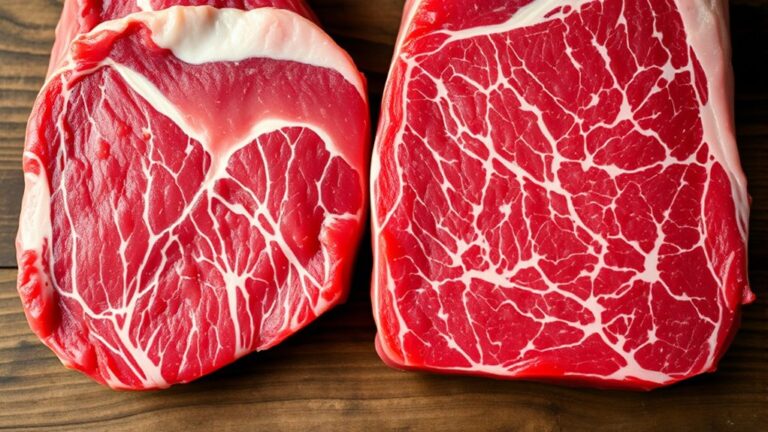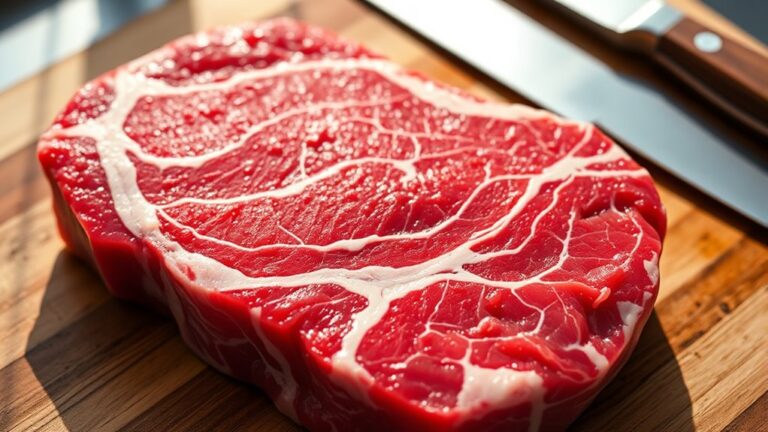
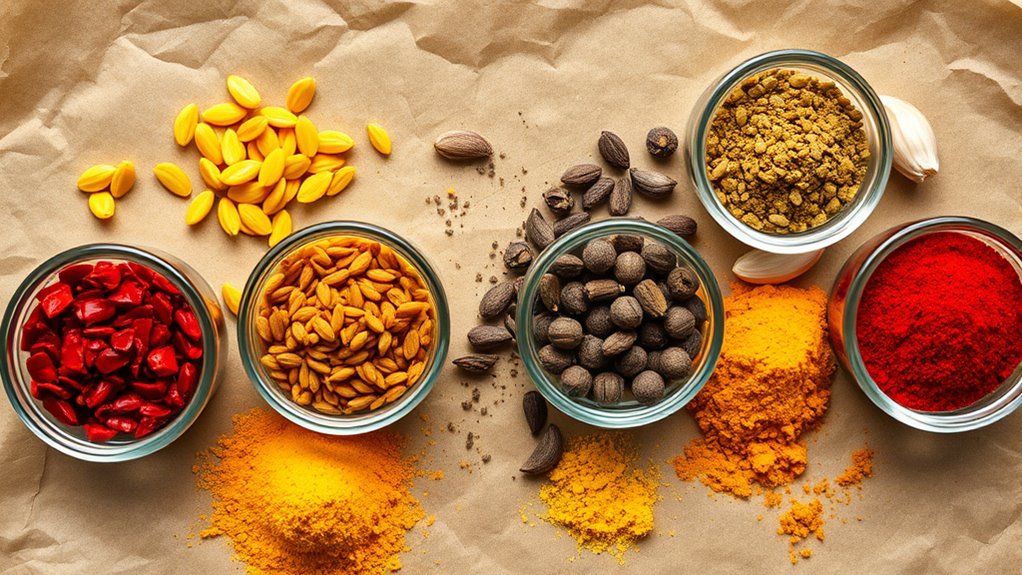
8 Key Spices in Every Corned Beef Packet
Many people struggle with making their corned beef flavorful enough without it tasting bland or dull. If you’re aiming for that perfect, savory dish, you’re not alone. The secret often lies in the spices.
In every corned beef packet, you’ll typically find eight key spices that bring out the rich flavor. These include coriander seeds, which add a citrusy warmth; mustard seeds for a pungent kick; black peppercorns for heat and aroma; cloves for depth; bay leaves for herbal notes; and often juniper berries or allspice for extra warmth.
Understanding how each spice works can help you create a more flavorful dish—stick around to uncover how to customize your spice blend perfectly.
Key Takeaways
- Coriander seeds give off a citrusy aroma and help with digestion. They are a key flavor in corned beef spice packs.
- Mustard seeds add a bit of pungent heat and a mild crunch. They really help boost the dish’s overall depth.
- Black peppercorns bring spicy heat and a rich aroma. This adds complexity to the flavor profile.
- Bay leaves provide herbal, aromatic notes that deepen the overall flavor during cooking.
- Cloves add warm, sweet undertones. They help balance the savory and aromatic qualities of the dish.
Why Spices Matter in Corned Beef Flavor
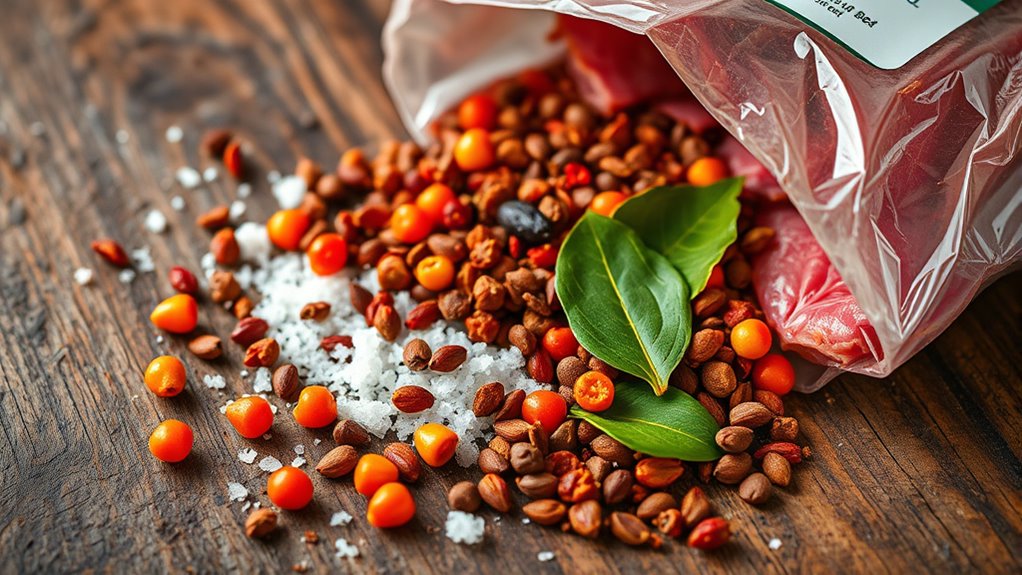
Spices are crucial in giving corned beef its unique flavor, turning simple beef into a rich, savory dish. They add depth and complexity, making it more memorable.
Without spices, corned beef would lack its signature tang and warmth, ending up bland and unremarkable. The right blend enhances natural beef flavors and introduces new layers of taste.
Spices help balance saltiness with aromatic notes and boost the dish’s aroma, making it inviting even before you taste it. Choosing the right spices lets you customize the flavor to suit your preferences.
Ultimately, spices unlock the full potential of corned beef, creating a delicious and satisfying experience that keeps everyone coming back for more.
Common Spices Found in Corned Beef Packets
You’ll notice that many corned beef packets contain classic spice blends like coriander, peppercorns, and mustard seeds. These ingredients create familiar flavor profiles, but regional variations often introduce unique spices or herbs.
Understanding these common and local differences helps you appreciate the diverse flavors in corned beef.
Classic Spice Blends
Classic spice blends are the backbone of traditional corned beef, giving the meat bold, distinctive flavors. These mixes usually include mustard seeds, peppercorns, coriander, and bay leaves, creating a balanced and savory taste.
You’ll often find whole spices that release their aroma during cooking, which enhances the beef’s richness. Some recipes add cloves or allspice for warmth, while others include juniper berries for a subtle pine note.
The spice blend can vary depending on the region or brand, but the goal remains the same: to develop a flavorful crust and infuse the meat with depth. When choosing a blend, look for a harmonious mix that complements the beef without overpowering it.
Common Flavor Profiles
Many commercial corned beef packets feature familiar spice blends that deliver reliably bold and savory flavors. These blends typically create a warm, hearty profile that enhances the meat’s natural richness.
You’ll often notice flavors of peppercorn, which add a subtle heat and depth, and bay leaves that bring a slightly herbal, aromatic note. Coriander seeds add a citrusy, nutty brightness to balance the richness.
Sometimes, you’ll find mustard seeds providing a mild pungency. These spices work together to produce a well-rounded, comforting flavor profile that’s both familiar and inviting.
The combination of aromatic herbs and spices guarantees each bite offers a hearty, savory experience. This makes corned beef a satisfying dish for many.
Regional Variations
Regional variations in corned beef spice packets reflect local tastes and culinary traditions, often resulting in distinctive flavor profiles. In Ireland, you might find a mix that emphasizes simple, hearty flavors with bay leaves and peppercorns.
In the United States, spices like mustard seed, coriander, and allspice are common, giving a more aromatic and slightly sweet taste. In parts of Europe, herbs such as thyme or juniper berries can be included, adding a unique earthy note.
Some regions incorporate chili flakes or paprika for a spicy kick. These variations let you customize your corned beef to match regional preferences or your personal taste, highlighting the dish’s diversity across cultures.
What Do Coriander Seeds Bring to the Table?
Coriander seeds bring a warm, citrusy aroma that enhances the overall flavor of your corned beef. They add a nice depth and complexity to the dish.
Plus, they help with digestion, making your meal easier on your stomach. These qualities make coriander seeds a really valuable spice in your cooking.
Aromatic Flavor Enhancement
Coriander seeds are an essential ingredient that enhances the aroma of corned beef, giving it a warm, citrusy scent that adds complexity. Their fragrant oils release a fresh, slightly spicy aroma that pairs well with the richness of the meat.
This aromatic boost makes each bite more inviting and flavorful. To better understand their role, check out this table:
| Aromatic Qualities | Flavor Notes | When to Use |
|---|---|---|
| Warm, citrusy | Lemon, orange | During initial boiling |
| Slight spiciness | Pepper-like | In spice blend |
| Fresh herbal | Earthy undertones | When balancing flavors |
Coriander seeds are versatile. They improve the aroma without overpowering the dish, making every bite more aromatic and memorable.
Natural Digestive Aid
Because of its natural properties, coriander seeds can help with digestion, making your corned beef more comfortable to eat. These seeds contain compounds that boost enzyme production, supporting your digestive system.
When you include coriander in the cooking process, it helps break down fats and proteins more efficiently. This reduces the chances of bloating or discomfort after your meal.
Coriander seeds also have anti-inflammatory properties that soothe the stomach lining. Their mild, earthy flavor balances the richness of the beef, making each bite easier to digest.
Adding coriander seeds not only improves the taste but also supports overall digestion, especially if you tend to feel uncomfortable after hearty meals. It’s a natural way to enjoy your corned beef with less digestive distress.
Why Mustard Seeds Are Essential for Flavor
Mustard seeds are vital for flavor because they add a distinct, pungent heat that enhances the overall taste of corned beef. Their sharp, spicy notes create a depth that balances the richness of the meat.
When you add mustard seeds, you introduce a subtle heat that awakens your palate without overpowering other spices. The seeds also release a mildly tangy aroma that complements the savory flavors.
Their texture provides a slight crunch, making each bite more interesting. Without mustard seeds, the spice blend would lack the complexity that makes corned beef memorable.
You’ll notice how they tie together the other ingredients, creating a harmonious flavor profile. Simply put, mustard seeds are essential for that bold, vibrant taste that makes corned beef so irresistible.
How Peppercorns Add Heat and Aroma
Peppercorns are an essential spice that bring both heat and a rich aroma to corned beef. When you add whole peppercorns, they release a sharp, spicy kick that enhances the flavor of the dish.
The heat from the peppercorns stimulates your palate, making each bite more lively and flavorful. As they simmer with the beef, they also infuse a warm, pungent aroma that fills your kitchen.
The aromatic oils in peppercorns are released gradually, adding complexity and depth to the dish. You’ll notice the aroma becomes more pronounced as the meat cooks, making your corned beef not only tastier but also more inviting to smell.
Peppercorns truly elevate the sensory experience of your meal.
The Role of Cloves in Deepening Flavor
Cloves add a warm, aromatic depth to corned beef that pairs perfectly with the sharper notes of peppercorns. Their intense, sweet-spicy aroma infuses the meat, creating a layered flavor profile.
As you cook, cloves release essential oils that blend with the beef’s juices, boosting its richness. Imagine a symphony of flavors coming together in every bite.
| Bold & Spicy | Sweet & Fragrant |
|---|---|
| Intense aroma | Subtle sweetness |
| Deep flavor | Warm undertones |
These contrasting qualities deepen the overall taste, making each bite more complex and satisfying. Cloves work subtly but effectively, enriching the dish without overpowering the other spices.
Their role is essential in creating a balanced, aromatic experience that truly elevates traditional corned beef.
Bay Leaves: Enhancing the Taste of Corned Beef
Bay leaves are a simple yet powerful addition that enriches the depth of flavor in corned beef. When you add bay leaves to your cooking, they release subtle, aromatic oils that complement the meat’s savory richness.
Their herbal, slightly floral scent adds a layer of complexity, balancing the saltiness and spices. You don’t need much—just one or two leaves simmered with the beef during cooking.
As they infuse, the leaves impart a mild bitterness that improves the overall taste profile. Before serving, remove the bay leaves to avoid any bitter notes.
Using bay leaves is an easy way to elevate your corned beef, giving it a more sophisticated, well-rounded flavor that’s savory, aromatic, and delightful.
Mixing Your Own Spice Blend: Tips for Customizing Flavor
Creating your own spice blend for corned beef lets you customize the flavor to suit your taste and add a personal touch to your dish. Start by combining spices like coriander, mustard seeds, peppercorns, and bay leaves.
Adjust the quantities based on your preference—more pepper for spice, less for milder flavor. Feel free to use fresh herbs or dried seasonings to make it even more tailored.
Keep tasting as you go to keep your blend balanced. Here’s a simple guide to get you started:
| Spice | Quantity | Notes |
|---|---|---|
| Coriander | 2 tbsp | Adds a citrusy flavor |
| Mustard Seeds | 1 tbsp | Mild heat |
| Black Pepper | 1 tsp | Spicy kick |
| Bay Leaves | 2 leaves | Aromatic |
| Cloves | 1/2 tsp | Warm, sweet undertone |
Frequently Asked Questions
Can You Substitute Fresh Spices for Dried in Corned Beef Recipes?
Yes, you can substitute fresh spices for dried in corned beef recipes. Just keep in mind that fresh herbs are usually more potent, so you should use about three times the amount called for in dried.
Add fresh spices towards the end of cooking to preserve their flavor, and adjust quantities to taste. This way, you get vibrant, fresh flavors that really lift your corned beef dish.
How Long Do Spice Flavors Typically Last in Stored Corned Beef Packets?
Spice flavors in stored corned beef packets usually last about 6 to 12 months if kept in a cool, dark place. Over time, the spices can lose their potency, making the meat less flavorful.
To get the best taste, check the packaging date and try to use the packet within this period. If the spices seem dull or the package smells off, it’s best to discard it.
Are There Regional Variations in Corned Beef Spice Blends?
Yes, regional variations in corned beef spice blends are huge! In Ireland, you might find a delicate touch of mustard seeds and herbs.
Meanwhile, in New Orleans, bold spices like cayenne and paprika take center stage.
These differences can turn a simple dish into a flavor explosion, making each region’s version distinctly memorable.
Do Spice Ratios Affect the Tenderness of Corned Beef?
Yes, spice ratios can influence the tenderness of corned beef. When you use too much salt or spices, it can toughen the meat by drawing out moisture or creating a crust that resists tenderness.
Conversely, balancing spices with the right amount of salt and liquid helps break down connective tissues, ensuring a tender, flavorful result. Adjusting these ratios based on your preferences can make a noticeable difference in texture.
Can Spices Be Added After Cooking for Enhanced Flavor?
Yes, you can add spices after cooking to boost flavor. Once your corned beef is cooked, sprinkle fresh herbs, pepper, or a dash of spice blends directly onto the meat.
Let it sit for a few minutes so the flavors meld. This way, you have more control over the seasoning, and you can customize the taste to your liking.
It also makes the dish more aromatic and flavorful without overpowering the original taste.
Conclusion
Think of your corned beef spice packet as a treasure chest, with each spice a shimmering gem that adds depth and character. When you blend these flavors with care, you’re creating a culinary masterpiece that’s uniquely yours.
Just like a skilled navigator uses a map to find hidden treasures, you can use these spices to guide your dish to savory greatness. They’re the secret to elevating your corned beef to the next level.
Welcome the journey of flavor, and let your kitchen become your treasure island. With the right spices, your corned beef will truly shine as a delicious, memorable meal.