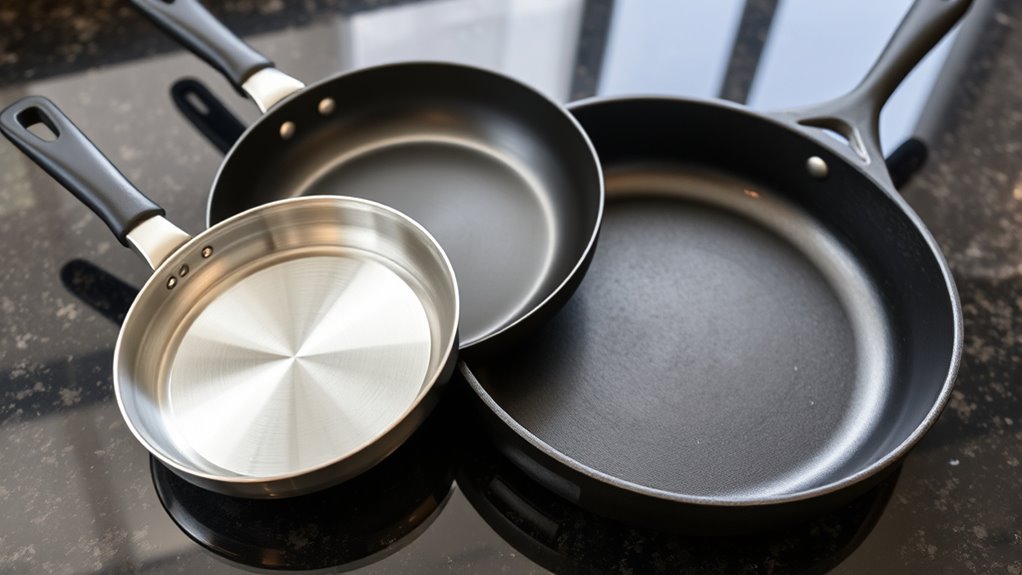
What Size Frying Pan Do I Need?
Are you tired of cluttered kitchens and trying to find the perfect frying pan for your cooking needs? You’re not alone—many people struggle with choosing the right size that fits their lifestyle and space.
Finding the right frying pan can make cooking easier and more enjoyable.
The size of frying pan you need depends on your cooking habits and kitchen space. For solo breakfasts or quick tasks, an 8-inch pan is perfect.
If you cook for a family or prepare larger meals, a 10- or 12-inch pan offers more surface area. Larger pans are great for batch cooking, while smaller ones are easier to handle.
Want to find the best fit for your kitchen? Keep going for more tips and advice.
Key Takeaways
- Choose an 8-inch pan for single servings or quick tasks like eggs and pancakes.
- A 10- or 12-inch pan works well for everyday cooking, stir-fries, and family meals.
- Larger pans, like 14 inches or more, are great for batch cooking and searing bigger cuts of meat.
- When selecting a pan, also think about the material and handle design. These factors affect safety, durability, and how easy the pan is to use.
- To save space, consider stacking or hanging your pans. This helps you keep your kitchen organized and makes it easier to find the right size when you need it.
What Size Frying Pan Do I Need for My Cooking?
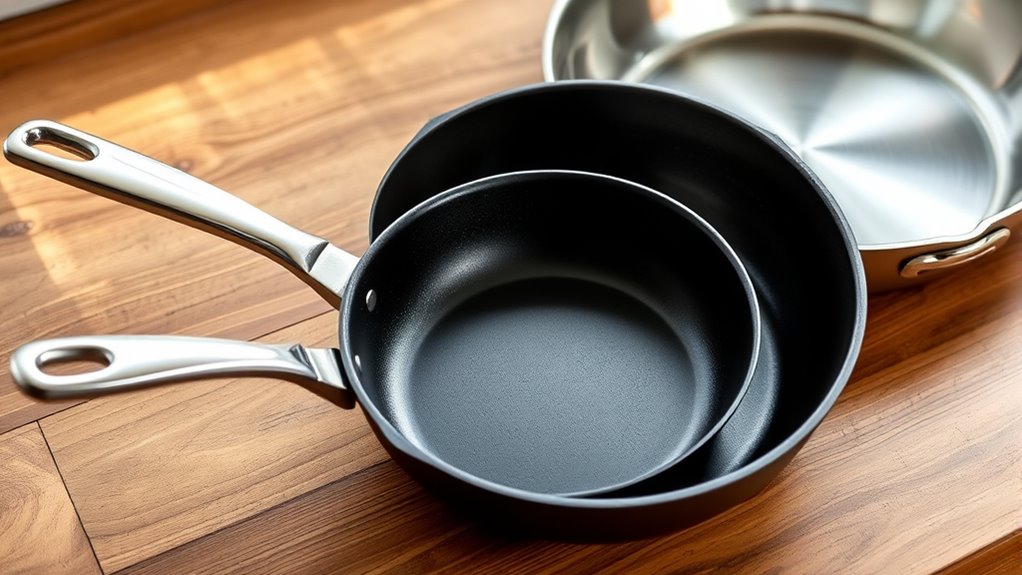
Have you ever wondered what size frying pan is best for your cooking needs? The right size depends on what you typically cook and how many people you serve.
If you often prepare breakfast for one or two, an 8-inch pan might be perfect for eggs or pancakes. For larger meals like stir-fries or chicken breasts, a 10- or 12-inch pan gives you more space to work with.
Think about how much room you need for flipping and stirring ingredients comfortably. If you cook for a family, bigger pans can save time and help prevent overcrowding.
Consider your space needs for flipping and stirring; larger pans are great for family-sized cooking.
On the other hand, smaller pans are easier to store and heat up quickly. Consider your usual recipes and portion sizes to find the ideal frying pan size for your kitchen.
Getting to Know Common Frying Pan Sizes and Uses
Understanding the common sizes of frying pans can help you pick the right one for your cooking style. A 8-inch pan is great for single servings or small tasks like frying an egg or sautéing vegetables.
A 10-inch pan is versatile for everyday use, like making pancakes or stir-fries for a few people. If you’re cooking for larger groups or need more space, a 12-inch pan offers plenty of room for searing meats or preparing family-sized meals.
Smaller pans are lightweight and easy to handle, making them ideal for quick tasks. Larger pans are better for batch cooking or when you need more cooking surface. Knowing these standard sizes and their typical uses can help you choose a pan that fits your cooking habits and kitchen space.
Choosing the Right Small Frying Pan for Singles and Breakfasts
When choosing a small frying pan for singles and breakfast dishes, size and ease of handling matter most. An 8-inch pan is perfect for breakfast favorites like eggs, pancakes, or a single serving of bacon. It gives enough space to cook without feeling crowded, which helps with even heating.
Look for a lightweight pan with a comfortable handle so you can easily maneuver it. Non-stick coatings are great for quick cleanup and prevent sticking, especially with delicate foods. If you often cook multiple ingredients at once, a slightly larger 9-inch pan might give you more room without being bulky.
Ultimately, pick a pan that feels good in your hand and works well with your usual breakfast recipes. That way, cooking stays fun and hassle-free.
When to Use a Medium Frying Pan for Daily Cooking
A medium frying pan, usually 10 to 12 inches, is perfect for everyday cooking when you need more space than a small pan offers. It’s great for making multiple servings of vegetables, stir-fries, or fried eggs for breakfast.
Use it when you want to sauté ingredients evenly without crowding the pan. It’s ideal for cooking for one or two people and avoiding batch cooking.
Perfect for sautéing ingredients evenly and cooking for one or two without crowding.
It also works well for pan-frying chicken breasts or making quesadillas. Plus, it’s fantastic for simmering sauces or sautéing garlic and onions for recipes.
A medium pan strikes a good balance between capacity and control, making it versatile for many daily meals. It’s your go-to choice for most everyday cooking needs.
Why a Large Frying Pan Is Perfect for Family Meals
A large frying pan lets you cook bigger portions, making meal prep more efficient for everyone. It guarantees food cooks evenly, so every bite is just right.
Plus, it makes serving family-style meals simple and hassle-free.
Handles Larger Food Quantities
Large frying pans are great for cooking bigger meals because they can hold a lot of food at once. When you’re cooking for family or friends, a larger pan makes it easy to prepare everything together.
Here are some benefits:
- Cook more food at once: Save time by making large batches in one go. No need for multiple rounds.
- Reduce overcrowding: Overcrowding can lead to uneven cooking, so a bigger pan helps avoid that.
- Simplify meal prep: Toss in ingredients easily without juggling several pans.
- Perfect for batch cooking: Make extra for leftovers or meal prep on busy days.
Having a large frying pan helps you cook faster, makes cleanup simpler, and ensures everyone gets hot, fresh food. It’s a practical choice for handling bigger quantities with ease.
Promotes Even Cooking
Because a bigger surface area allows heat to distribute more evenly, larger frying pans promote consistent cooking across all your ingredients. When you cook in a spacious pan, heat reaches every part more uniformly, reducing hot spots that can burn or undercook food.
This guarantees your vegetables, meats, and sauces cook at the same pace, making meal prep easier and more reliable. A larger pan also gives you room to spread out ingredients, preventing overcrowding that can cause steaming instead of browning.
As a result, your dishes develop better flavor and texture. Whether you’re sautéing vegetables or frying chicken, a bigger pan helps you achieve professional-quality results at home. It makes your cooking more efficient, consistent, and enjoyable.
Facilitates Family-Style Serving
With more surface area, a bigger frying pan makes it easier to serve entire family-sized portions straight from the stovetop. You can cook large quantities at once, which means fewer batches and less hassle.
To get the most out of it, try these tips:
- Prepare meals in one go to save time and effort.
- Serve everyone at once to keep meals warm and fresh.
- Use just one pan to cut down on dishwashing.
- Toss and mix ingredients easily for family-sized salads or stir-fries.
A large frying pan makes family dinners simpler by streamlining serving and cutting down prep time. Its spacious surface helps you cook and serve generous portions effortlessly, making mealtime smoother and more efficient for everyone.
Key Factors to Consider Beyond Size: Material, Handle, and Compatibility
Choosing the right frying pan isn’t just about size; you’ll also want to consider the material it’s made from, as this impacts heat distribution and durability.
Cast iron offers great heat retention and lasts a long time but does need some maintenance. Non-stick coatings make cooking and cleaning easier, especially for delicate foods like eggs, though they may wear out over time.
Stainless steel pans are versatile and durable, responding quickly to temperature changes. They’re perfect for searing and sautéing.
Handle design is important too. Look for sturdy, heat-resistant handles to ensure safety and comfort during use.
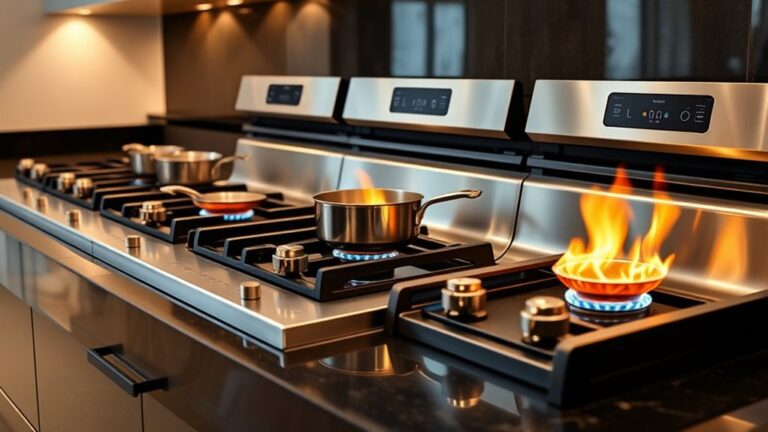
Compatibility with your stove is key, whether it’s induction, gas, or electric. Some materials work better with certain cooktops, so double-check if your chosen pan suits your stove.
How to Measure Your Kitchen Space for the Perfect Frying Pan
Once you’ve considered the material, handle, and stove compatibility, the next step is to make sure your new frying pan will fit comfortably in your kitchen. To do this, measure your available space carefully. Follow these simple steps:
Ensure your new frying pan fits perfectly by measuring your space before purchasing.
- Clear the area where you plan to store or use the pan so you have a clean workspace.
- Use a tape measure to find the width and depth of the storage shelf or cabinet where you’ll keep the pan.
- Note the maximum diameter your storage space can hold.
- Compare those measurements to the size of the frying pan, including the handle length if you plan to store it vertically.
This ensures your chosen pan fits easily without crowding your kitchen or storage areas. Accurate measurements help prevent buying a pan that’s too big or small, making your cooking space more functional and efficient.
Tips for Storing and Managing Multiple Frying Pans in Small Kitchens
In small kitchens, maximizing space is key, so try using stackable storage solutions to keep your pans organized.
Group your frying pans by size and type to make finding the right one quick and easy. With a smart system, you’ll free up valuable space and keep your kitchen clutter-free.
Efficient Stackable Storage Solutions
When space is tight in your small kitchen, finding smart ways to store your frying pans is key. Stackable storage options can help make the most of vertical space and keep your cookware within easy reach.
Try a vertical pot rack, hanging pans by their handles for quick access. Installing a pull-out shelf or drawer with dividers can keep pans organized and prevent scratching.
Stacking pan racks inside cabinets are great for nesting pans securely without slipping. You can also hang a pegboard on the wall to display and store pans, saving cabinet space.
These ideas help you stay organized, protect your pans’ surfaces, and free up valuable cabinet or counter space. Pick the method that best suits your kitchen layout and cookware collection.
Organizing by Size and Type
Ever wondered how to efficiently manage multiple frying pans of different sizes and types in a small kitchen? The key is organizing by size and type. Group similar pans together, like small with small and non-stick with non-stick, to keep things tidy.
Use vertical storage options like pan racks or stacking dividers to keep them accessible without stacking directly on top of each other. Hanging pans on hooks or rails can also free up cabinet space and make grabbing them easier.
Label your storage areas so you always know where each pan belongs, especially if you have different types like cast iron or ceramic. Regularly reassess your collection to get rid of duplicates or unused pans.
This organized approach saves space, reduces damage, and makes cooking more efficient—even in tight kitchens.
Benefits of Having a Range of Frying Pan Sizes
Having a variety of frying pan sizes on hand lets you handle different cooking tasks more easily. Picking the right size saves you time and helps you get better results. Here are some benefits:
- Versatility: Small pans are great for sauces or single servings, while larger ones work for family-sized meals.
- Efficiency: Using the right size cuts down on cooking time and makes cleanup easier.
- Precision: Smaller pans give you better control for delicate dishes like eggs or crepes.
- Adaptability: You can switch between pans depending on how much of an ingredient you have, avoiding overcrowding or thin layers.
Having a range of sizes means you’re ready for any recipe, making cooking more fun and less stressful. Plus, it helps your pans last longer since you’re using each one for its intended purpose.
How to Care for Your Frying Pans to Maintain Their Size and Shape
Proper care of your frying pans guarantees they stay in good shape and maintain their size and shape over time. Always clean your pans promptly after use, avoiding abrasive scrubbers that can damage the surface.
Proper pan care keeps them in top shape and preserves their size and performance over time.
For non-stick pans, use soft sponges and mild detergents to preserve the coating. Avoid thermal shock by not plunging hot pans into cold water, which can warp their shape.
Store pans carefully, stacking with protective layers or hanging them to prevent dents. Regularly check handles and rivets for looseness, tightening or repairing as needed.
Season cast iron pans periodically to maintain their surface and prevent rust. Proper cleaning, gentle handling, and storage help your pans keep their original size and shape, ensuring they last longer and perform better.
Expert Tips for Choosing the Best Frying Pan Size for Your Cooking Style
Choosing the right frying pan size depends on your typical cooking tasks and how many servings you need. To pick the best size, keep these expert tips in mind:
For everyday use and small meals, an 8-inch pan works great for 1-2 servings. If you cook for family or do batch cooking, go for a 10-inch pan to handle larger quantities easily.
When frying multiple items at once, like pancakes or chicken breasts, a 12-inch pan gives you plenty of space. For large dishes or stir-fries, a 14-inch or bigger pan offers room to toss ingredients without crowding.
Matching your pan size to your cooking style helps ensure efficient, comfortable cooking and better results.
Frequently Asked Questions
Can I Use a Smaller Pan for Larger Recipes?
Yes, you can use a smaller pan for larger recipes, but it might not be the best choice. When you do this, ingredients can get overcrowded, which can lead to uneven cooking or sticking.
To avoid that, try cooking in batches or adjusting the ingredient quantities. Keep in mind that a smaller pan can also increase cooking time and make stirring more difficult.
Using the right size pan helps ensure even heat distribution and better overall results.
How Do I Determine the Right Pan Size for My Stove?
You figure out the right pan size for your stove by measuring the burner’s diameter and matching it to the pan’s base.
Don’t worry if the sizes don’t match exactly; just use a ruler or tape measure to be accurate.
Make sure the pan sits flat on the burner without hanging over the edges.
This helps with better heat distribution and even cooking.
It also reduces the risk of accidents.
Always pick a pan that fits well on your stove for the best performance.
Is a Non-Stick Pan Size Different From Stainless Steel?
Yes, a non-stick pan size can differ from stainless steel pans, but the size measurement is the same. The main difference is in the material and coating, which affect how they cook and their weight.
Non-stick pans are usually lighter and easier to clean, while stainless steel pans tend to retain heat better. When choosing, think about your cooking needs and the size that fits your stove and storage space best, no matter the material.
How Does Pan Size Affect Cooking Times and Food Quality?
Choosing the right pan size can turn your cooking from a disaster to a masterpiece. If your pan’s too small, your food overcrowds and cooks unevenly, taking forever.
Too big, and things might dry out or burn. The size directly influences cooking times and food quality. A perfect fit guarantees even heat, quicker cooking, and better flavor.
Think of your pan as your culinary best friend; size really matters!
Can I Substitute a Different Size Pan if I Don’T Have the Exact One?
Yes, you can substitute a different size pan if you don’t have the exact one. Just keep in mind that larger pans spread food out more, which can decrease cooking time and affect browning.
Smaller pans might crowd the food, leading to uneven cooking. Adjust your heat and cooking time accordingly, and be mindful of whether your ingredients need more space or less.
Always monitor your food closely when using a different pan size.
Conclusion
Choosing the right frying pan size is key to making your cooking as smooth as a well-polished armor. Whether you’re crafting a single sunny-side-up or preparing a feast fit for a medieval banquet, selecting the proper pan guarantees efficiency and enjoyment.
Keep a collection of sizes, like a knight’s arsenal, ready for any culinary quest. Having a small pan for eggs, a medium for stir-fries, and a large for family-sized meals makes all the difference.
With the right care and choices, your pans will serve you well. Picking the perfect frying pan size helps you conquer every kitchen challenge with the ease of a Robin Hood arrow.