Is It Good to Put Salt on a Canker Sore?
If you’ve ever had a canker sore, you know how painful and annoying they can be. Many people struggle with finding relief and wonder if simple remedies like salt can help. You’re not alone—dealing with mouth sores is a common issue that can really disrupt your day.
Putting salt directly on a canker sore isn’t recommended, as it can cause irritation and increase discomfort. However, rinsing your mouth with a diluted saltwater solution may temporarily soothe pain and help reduce bacteria. It’s safe when done properly, but avoid applying salt straight to the sore.
If you want to learn more about safe and effective ways to manage canker sores, continue exploring these tips.
Key Takeaways
- Salt has antiseptic properties that may help reduce bacteria around the sore.
- However, applying salt directly on canker sores can cause irritation and discomfort.
- That’s why many people prefer to use saltwater rinses instead.
- Properly diluted saltwater can soothe pain and promote healing.
- Be careful not to use too much salt or apply it directly, as this can make things worse.
- Excessive or improper salt use might irritate the sore more or delay healing.
- Dentists generally recommend gentle saltwater rinses rather than putting salt directly on the sore.
- This method is safer and effective for helping your canker sore heal faster.
Does Salt Help or Hurt Canker Sores?
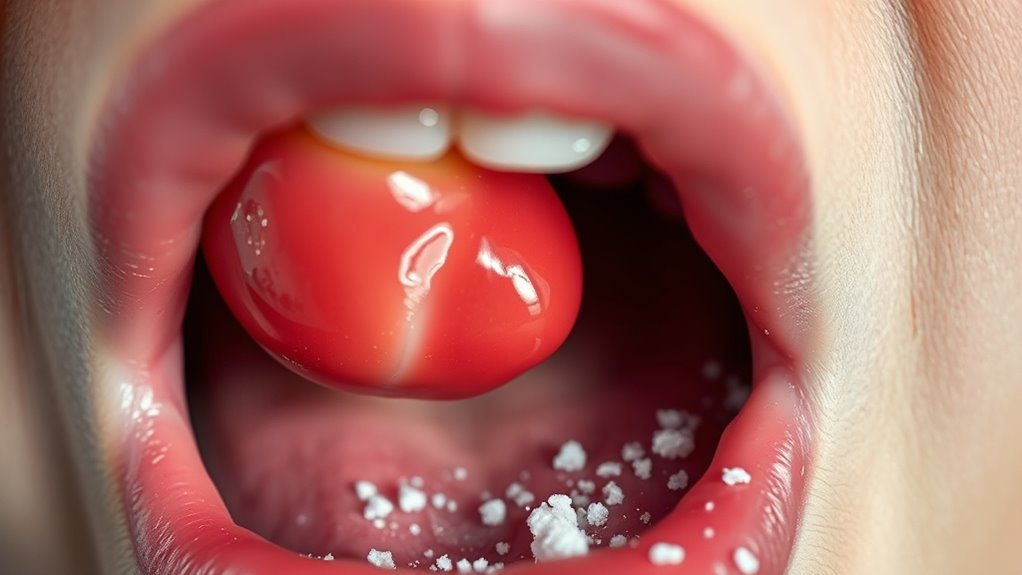
Regarding treating canker sores, many people wonder whether salt can provide relief or make the problem worse. Salt has natural antiseptic properties, so some believe it can help clean the sore and reduce bacteria.
Rinsing with a saltwater solution may soothe pain temporarily and promote healing by drawing out fluid and decreasing inflammation. However, salt can also irritate sensitive tissue if used excessively or too strongly, causing increased discomfort.
Saltwater rinses can temporarily soothe pain and promote healing, but excessive use may increase irritation.
The key is moderation; a mild saltwater rinse might be beneficial, but harsh or frequent use could worsen the soreness. It’s important to listen to your body.
If salt seems to cause more pain or irritation, it’s best to stop and try alternative remedies.
Are Salt Remedies Safe for Canker Sores?
Are salt remedies safe for treating canker sores? Generally, using salt as a remedy is safe for most people when done properly. Salt helps reduce bacteria and can promote healing, but it can also cause irritation if applied too aggressively or too often.
You might feel some stinging or discomfort, especially if your sore is already tender. It’s best to dilute salt in water and rinse gently instead of applying salt directly to the sore.
Avoid using too much salt, as it can make the pain worse or slow down healing. If you notice increased irritation, redness, or discomfort, stop using salt and talk to a healthcare professional.
How to Safely Use Salt on a Canker Sore
To use salt safely on a canker sore, start by dissolving a small amount in water to make a gentle rinse.
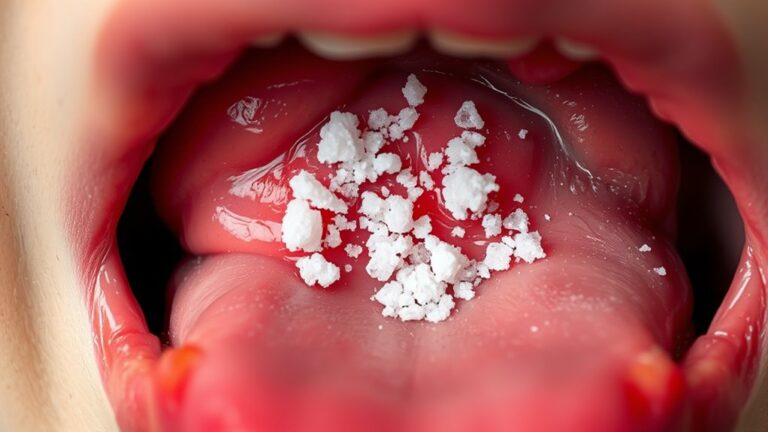
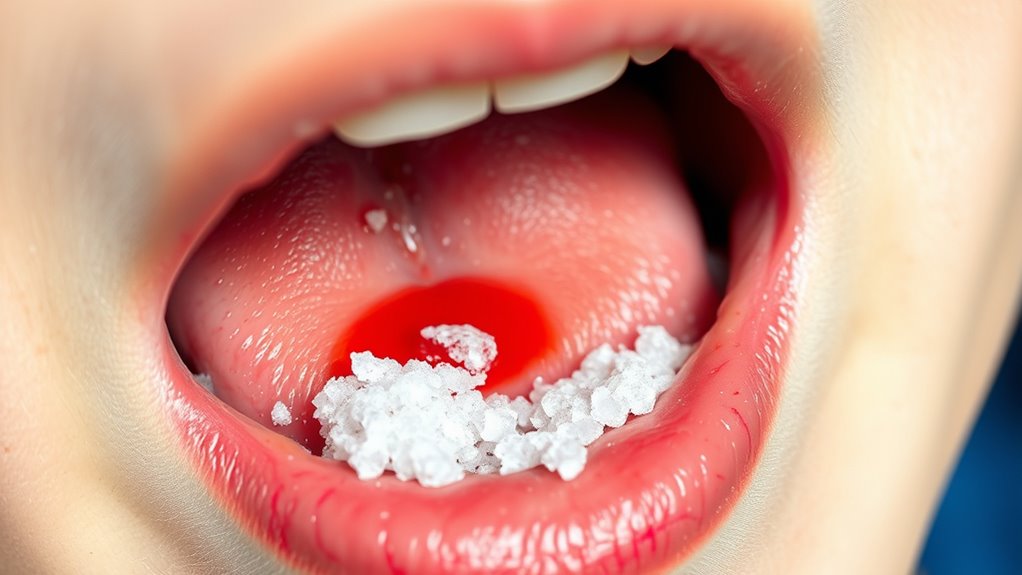
Be careful not to put undiluted salt directly on the sore, as it can cause irritation or a burning feeling.
Always watch how your mouth reacts and avoid using salt treatments too often to prevent any risks.
Proper Salt Application Techniques
Using salt on a canker sore needs to be done carefully to avoid irritation or further damage. To do this safely, follow the proper application techniques.
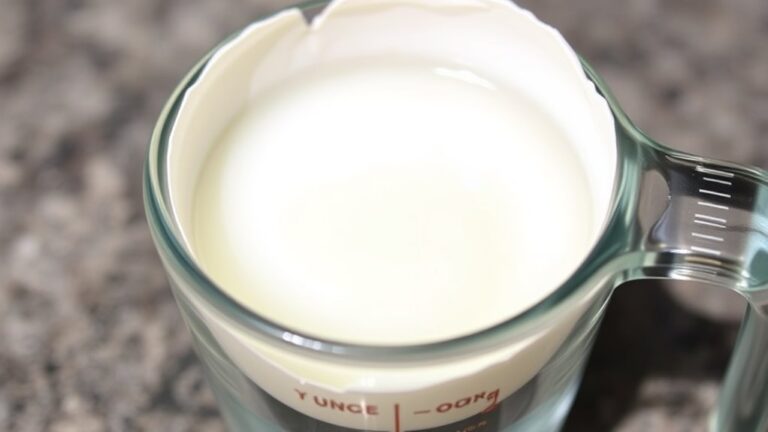
Start by dissolving a small amount of salt in warm water to make a saline rinse. Swish the solution gently around your mouth for about 15 seconds, then spit it out.
Avoid applying salt directly to the sore with a finger or swab, as this can cause more irritation. Instead, use the saline rinse regularly, about 2-3 times a day.
Here’s a quick guide:
| Step | Method | Duration |
|---|---|---|
| 1 | Prepare saline solution | 30 seconds |
| 2 | Swish gently in your mouth | 15 seconds |
| 3 | Spit out | – |
| 4 | Repeat as needed | 2-3 times daily |
This method helps reduce discomfort without causing harm.
Potential Risks and Precautions
While salt can help soothe canker sores, improper use may lead to increased irritation or even make the sore worse. To avoid this, don’t apply salt directly or use too much.
Salt’s abrasive nature can damage delicate tissue, causing more pain or slowing down healing. If you feel burning, redness, or more discomfort, stop using it right away.
Avoid using salt on large or open sores, as it can delay healing. It’s also best not to rinse with salt if you have other mouth injuries or infections.
Always dilute salt properly and limit how often you use it to prevent unnecessary irritation. If you’re unsure or have sensitive tissues, talk to a healthcare professional before trying salt treatment.
Proper caution helps you get the benefits without risking further harm.
Are There Better Ways to Soothe Canker Sores?
Are there more effective ways to soothe canker sores than applying salt? Yes, there are several options that can provide faster relief. Rinsing your mouth with a saltwater solution can help reduce inflammation and promote healing, but it might be a bit uncomfortable.
Over-the-counter gels and pastes that contain benzocaine or other numbing agents can quickly numb the area and ease pain. Using a mouth rinse with hydrogen peroxide or antimicrobial properties can also help prevent infection and reduce irritation.
Applying a protective dental wax or soothing gel directly on the sore can shield it from further irritation. Additionally, maintaining good oral hygiene and avoiding spicy or acidic foods can help prevent the sore from getting worse.
These methods are often more comfortable and effective than salt, helping you heal faster and reducing discomfort.
What Do Dentists Say About Putting Salt on Canker Sores?
What do dentists say about putting salt on canker sores? Most dentists advise caution with salt. They know it might help dry out the sore and temporarily cut down bacteria, but it can also irritate the tissue. That irritation can cause discomfort or even slow down healing.
Dentists usually suggest gentler treatments like saltwater rinses. These are less abrasive and safer to use. If you do decide to use salt, they recommend dissolving it well and being careful. Avoid excessive application or scrubbing.
They warn against direct contact with salt or aggressive scrubbing. Doing so can make pain and inflammation worse. Overall, dentists see salt as a short-term fix, not a main treatment.
Avoid direct salt contact and aggressive scrubbing to prevent worsening pain and inflammation.
They emphasize talking to a dental professional if your sore lasts or gets worse. This helps rule out infections or other underlying issues.
Things to Consider Before Using Salt on Your Canker Sore
Before trying salt on your canker sore, think about the risk of irritation and whether it might make your pain worse.
You should also consider the right timing and method to make sure it’s effective without causing harm.
Getting the application right is important to avoid complications and to see any potential benefits.
Potential Irritation Risks
While salt can help dry out a canker sore and promote healing, it also has the potential to cause irritation if not used carefully. Applying salt directly to an open sore can sting and worsen discomfort, especially if your mouth is sensitive or the sore is particularly inflamed.
Using too much salt or leaving it on too long increases the risk of damaging healthy tissue. This can delay healing or cause more pain. If you have cuts, sores, or other oral issues, salt might make irritation worse instead of helping.
Plus, overuse could lead to dryness or soreness in the surrounding tissues. To reduce these risks, start with a small amount of salt and rinse thoroughly afterward. Pay close attention to how your mouth reacts.
Effectiveness and Timing
Salt can be effective in helping a canker sore heal faster, but timing is key. Using salt too early, when the sore is raw and inflamed, might cause more pain or irritation.
It’s best to wait until the initial pain subs subsides a bit before applying salt. Applying salt too often or aggressively can make discomfort worse or slow down healing.
Usually, a gentle rinse or small salt application should be done only when the sore feels less sensitive. If you notice more pain or no improvement after a few days, consider stopping salt use or talking to a healthcare professional.
Getting the timing right ensures that salt’s antiseptic properties help healing without making things worse or prolonging pain.
Proper Salt Application
To apply salt safely on a canker sore, be gentle and cautious. Rushing or pressing too hard can make things worse or cause more pain. Use a clean, damp cotton swab or a small piece of gauze to carefully place the salt directly on the sore.
Avoid putting salt on the healthy tissue around the sore, as this can cause unnecessary discomfort. Remember, salt is abrasive, so don’t overdo it—less is more. Before trying, keep these tips in mind:
- Use just a small pinch of salt, not a large amount
- Dissolve salt in a little water if you want to rinse with it
- Limit application to 1-2 times a day
- Don’t apply salt if the sore is bleeding or very inflamed
- Stop immediately if you feel excessive pain or burning
Frequently Asked Questions
Can Salt Cure a Canker Sore Completely?
No, salt can’t cure a canker sore completely, but it can help reduce pain and promote healing.
When you rinse your mouth with a saltwater solution, it keeps the sore clean and helps prevent infection.
But remember, the sore still needs time to heal naturally.
You might also want to try other remedies and see a healthcare professional if it lasts or gets worse.
How Often Should I Apply Salt to a Sore?
You should apply salt to a sore no more than once or twice daily. Think of it as watering a delicate plant—you don’t want to drown it, just nurture it gently.
Use a small amount of salt dissolved in water, swish it around your mouth, then spit it out. Overdoing it can cause irritation and delay healing.
Listen to your body and stop if you feel discomfort. Keeping it gentle helps your sore heal faster without unnecessary irritation.
Does Salt Worsen the Pain of a Canker Sore?
Yes, salt can worsen the pain of a canker sore. When you apply salt directly to the sore, its abrasive nature and tendency to draw out moisture can cause a burning sensation. This often makes the discomfort feel worse.
While some people think salt might help with healing, it usually irritates the sensitive tissue. As a result, the pain can become more intense temporarily. If you notice increased pain, try using other soothing remedies instead of salt.
Are There Any Long-Term Risks of Using Salt?
Using salt on a canker sore doesn’t pose any significant long-term risks when done properly. You might experience temporary irritation or discomfort, but it won’t cause lasting damage if you avoid overdoing it.
Salt can help speed healing by reducing bacteria, but overuse could irritate your tissues. Stick to gentle rinses and don’t rely solely on salt to treat your sore, or you might prolong your discomfort.
Is Salt Effective for All Types of Canker Sores?
Salt isn’t effective for all types of canker sores. It can help reduce pain and speed healing for minor ulcers when used as a rinse, but it might irritate sensitive or larger sores.
If your sore is particularly painful or persistent, it’s best to see a healthcare professional for proper treatment.
Avoid using salt on severe or infected sores, as it could worsen discomfort or delay healing.
Conclusion
So, next time you’re tempted to sprinkle salt on your canker sore, remember—sometimes the simplest remedies aren’t the safest. Ironically, what’s meant to heal might just irritate further.
Instead, consider gentler options that actually soothe rather than sting. A little extra time and care can save you from unnecessary pain.
Who knew that in the quest for quick relief, patience might just be the most sophisticated solution? Putting salt on a canker sore might do more harm than good.