
Is It Bad to Put Salt on a Canker Sore?
Dealing with a canker sore can be really uncomfortable and frustrating. Many people struggle with finding ways to soothe the pain without making things worse.
If you’ve ever wondered whether putting salt on a canker sore is helpful, you’re not alone.
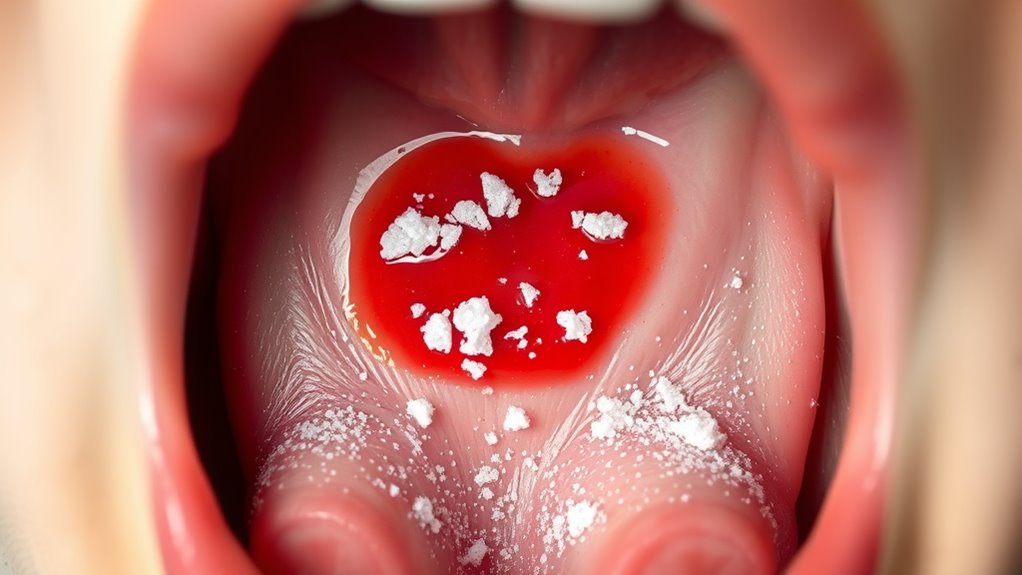
Putting salt directly on a canker sore can cause irritation, increased pain, and even tissue damage, which may prolong healing.
Salt’s antiseptic properties might help in theory, but the harsh contact often worsens discomfort and inflames sensitive tissue.
Instead, a diluted saltwater rinse is safer and gentler.
If you want to learn effective ways to soothe your sore and avoid risks, keep exploring more tips and alternatives.
Key Takeaways
- Applying salt directly to a canker sore can cause tissue irritation and increase pain.
- Diluted salt rinses are safer but may still cause discomfort if not used carefully.
- Salt can help dry out the sore but might also prolong healing if it irritates the tissue.
- Signs of irritation include increased burning, redness, swelling, or rawness in the mouth.
- If you notice these symptoms, it’s a good idea to stop using salt and try other remedies.
- Always talk to a dentist if the sore is large, deep, or shows signs of infection or worsening symptoms.
Does Applying Salt Help or Hurt Canker Sore Healing?
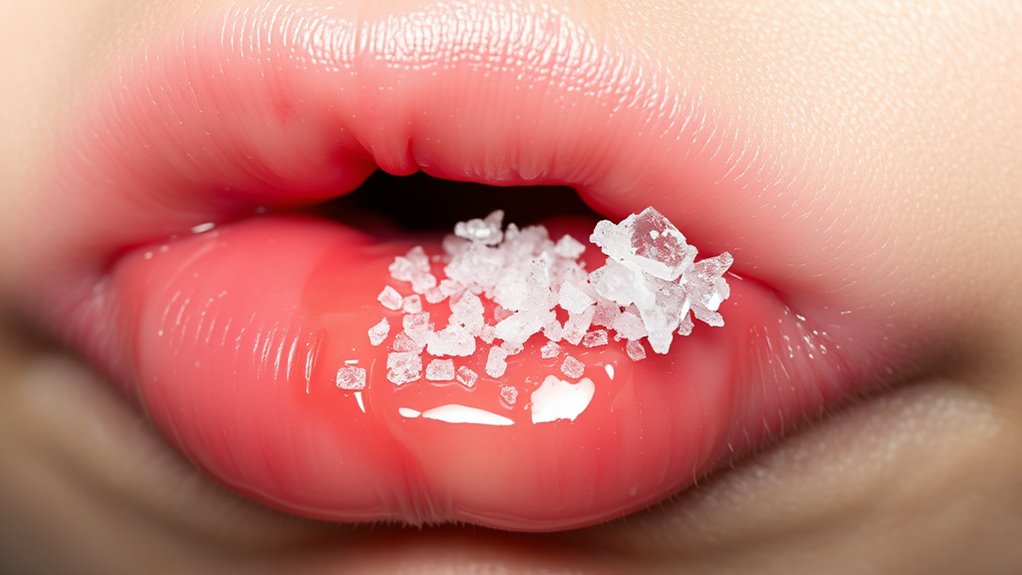
Many people wonder whether applying salt to a canker sore will help or hinder the healing process.
Salt has natural antiseptic properties, which might seem useful for cleaning the sore and preventing infection.
But salt can also irritate the sensitive tissue of the sore, causing discomfort or even slowing down healing.
When you put salt directly on the sore, it may sting and cause pain initially.
Some believe it helps dry out the sore and reduce inflammation.
However, this discomfort can make the process unpleasant and might make irritation worse if you’re not careful.
Overall, while salt can help clean the sore, it also risks increasing irritation and pain.
How Does Salt Affect Canker Sore Pain and Healing?
Applying salt to a canker sore can cause a burning sensation, which might make you feel more uncomfortable for a little while.
While salt’s antiseptic properties could help prevent infection, it might also slow down healing if it irritates the sore.
Knowing how salt impacts pain and healing can help you decide whether to use it or try other remedies.
Salt’s Impact on Pain
When salt touches a canker sore, it can cause a sharp, burning feeling that temporarily worsens the pain. This quick sting can be pretty overwhelming, especially if you’re already uncomfortable. You might notice:
- Sudden, intense pain that catches you off guard
- A raw, tender feeling that gets worse with each touch
- Increased sensitivity to hot, cold, or spicy foods
- Frustration from the brief spike in discomfort
Some people think salt can help, but it often makes the pain worse before anything gets better. That initial burn can be almost unbearable, making you wonder if it’s worth putting your sore through it. Remember, this sharp pain usually doesn’t last long, but it can feel pretty intense.
Healing Process Influence
While the initial burning sensation from salt can be intense, its effect on the healing process is even more concerning. Salt’s drying properties may temporarily reduce inflammation, but they can also damage healthy tissue around the sore, slowing healing.
The harsh salt crystals can irritate the delicate mucosa, which delays tissue regeneration. This irritation prolongs discomfort and can lead to more inflammation, making it harder for your canker sore to heal fully.
Frequent salt application may cause ongoing soreness and slow down recovery. Instead of helping, salt can create a hostile environment that hampers tissue repair.
To promote faster healing, it’s better to avoid salt and choose soothing, less invasive remedies that support natural tissue regeneration.
What Are the Risks of Putting Salt on a Canker Sore?
Applying salt directly to a canker sore can cause tissue damage and worsen your discomfort. It might also slow down your healing process, leading to longer-lasting pain.
Knowing these risks helps you decide if using salt is worth the potential side effects. It’s always good to explore safer options for soothing your sore.
Potential Tissue Damage Risks
Putting salt directly on a canker sore can cause tissue irritation and damage. The harsh salt can painfully scald the delicate tissue, risking more severe injury. Here’s what you might face:
- Increased inflammation, making the sore worse and prolonging healing.
- Deeper tissue damage, which can lead to bleeding and open wounds.
- Delayed recovery, as the tissue struggles to repair itself.
- Potential infection risk, since damaged tissue is vulnerable to bacteria.
These risks aren’t just discomforting—they can make healing harder and worsen your sore. Using salt this way can turn a small irritation into a more serious problem, complicating your recovery and causing unnecessary pain.
Pain and Discomfort Increase
Using salt directly on a canker sore can really increase pain and discomfort. The salt’s abrasive nature irritates the sensitive tissue, causing a burning feeling that can be quite intense.
You might notice an immediate spike in pain, making it uncomfortable to eat, drink, or talk. This heightened discomfort can last for several minutes after you apply it, disrupting your normal activities.
The soreness might also make you hesitant to touch the sore again, which can be frustrating. Some people think salt helps by drying out the sore, but the initial pain usually outweighs any potential benefit.
Delayed Healing Possibility
Although salt might seem like a quick way to dry out a canker sore, it can actually slow down the healing process. When you apply salt, you risk irritating the sore even more, which can make recovery take longer.
Here are some potential consequences:
Prolonged pain – You might feel discomfort for a longer time, making it harder to eat and speak.
Increased inflammation – Salt can irritate the tissue, delaying your body’s natural healing.
Risk of infection – Damage from salt irritation can create open wounds that invite bacteria.
Extended healing time – Overall, your sore could take days or even weeks longer to heal.
Instead of helping you recover faster, salt could be unintentionally making things worse and prolonging your discomfort.
How Can Salt Relieve Canker Sore Pain Safely?
Salt can provide relief for canker sore pain when used carefully, as it helps reduce inflammation and bacteria in the mouth.
To do this safely, dilute salt in warm water to create a gentle rinse. Swish the solution around your mouth for about 30 seconds, making sure it touches the sore directly.
This can help decrease swelling and kill bacteria that might cause infection or make the pain worse. It’s important not to overdo it or make the solution too salty, as that could irritate the sore more.
Use this rinse a couple of times a day, especially after meals, to help soothe the pain and promote healing.
Always pay attention to how your body responds; if you feel more discomfort, stop using salt rinses and talk to a healthcare professional.
How to Use Salt on Canker Sores Without Irritation
To avoid irritation when applying salt to a canker sore, it’s important to use it properly and in moderation. First, dilute the salt in warm water to create a gentle rinse. This helps reduce harshness.
Second, don’t hold the solution on the sore for too long. About 10-15 seconds is enough to get relief without causing irritation. Third, avoid using too much salt. A small pinch or teaspoon is all you need.
Fourth, rinse your mouth thoroughly afterward and avoid eating spicy or acidic foods right away. By following these steps, you can enjoy the benefits of salt without making your discomfort worse. Remember, gentle and controlled use helps protect your mouth’s delicate tissue while easing pain.
Signs That Salt Is Causing Mouth Irritation
Ever notice your mouth feeling more sore or uncomfortable after using salt on a canker sore? That’s a sign salt might be causing irritation. You could feel more burning or stinging right after applying salt.
If your mouth feels raw, tender, or inflamed, it’s probably due to salt’s harshness. Swelling around the sore or along the gums can also be a sign of irritation.
You might see redness or small cuts develop in the area, making things more painful or increasing the risk of infection. Sometimes, your saliva may seem more foamy or thick, and eating or drinking can become uncomfortable.
If you notice these signs, it’s a clear sign that salt isn’t helping and might actually be making things worse.
Natural Remedies as Alternatives to Salt for Canker Sore Relief
If salt irritates your mouth or makes your canker sore worse, there are gentle, natural options you can try. These remedies can soothe pain and help healing without causing more discomfort.
Salt Water Rinse Mix warm water with a pinch of salt for a gentle rinse that cleans your mouth and reduces inflammation.
Honey Apply raw honey directly to the sore; its antibacterial properties can speed up healing.
Aloe Vera Gel Use pure aloe vera to soothe your mouth and reduce irritation, helping you recover faster.
Coconut Oil Dab a small amount onto the sore. It has anti-inflammatory and antimicrobial benefits that support healing.
These natural options can give you relief while being gentle on sensitive tissues.
When Should You Avoid Salt and Consult a Dentist?
While natural remedies like honey and aloe vera can soothe canker sores, there are times when salt might do more harm than good. If your sore is very painful, large, or deep, applying salt could make it worse or cause more tissue irritation.
If you notice signs of infection—such as increased redness, swelling, pus, or persistent pain—it’s best to avoid salt and see your dentist right away. Also, if you have a weakened immune system or health conditions like diabetes, salt might irritate the area or slow down healing.
Don’t use salt if the sore has become ulcerated or broken open, as it can increase pain or cause bleeding. When you’re unsure, it’s always a good idea to consult a dentist for the right diagnosis and treatment advice.
What Does Science Say About Salt and Mouth Ulcers?
Science indicates that salt has antiseptic properties that may help reduce bacteria in mouth ulcers. However, applying salt can also cause pain or irritation, especially if the sore is sensitive.
Salt’s Antiseptic Properties
Salt has long been recognized for its antiseptic qualities, which can help inhibit bacterial growth and reduce infection in wounds. When applied to a canker sore, salt may help create an environment less friendly to bacteria, potentially preventing further infection.
Here are some reasons why salt’s antiseptic properties matter:
- It kills bacteria, lowering the risk of worsening the sore.
- It helps keep the area clean, promoting faster healing.
- It may reduce the chance of secondary infections.
- It serves as a natural, accessible remedy that can give you a sense of control.
While salt’s antiseptic nature can be beneficial, keep in mind that it also might irritate sensitive tissue. Always use it cautiously, especially on open sores.
Impact on Pain Levels
Applying salt to a canker sore can cause a burning sensation that many people find uncomfortable, especially since mouth tissues are highly sensitive. This sensation happens because salt draws out moisture and irritates nerve endings in the sore.
You might feel immediate pain or increased discomfort, which can last for several minutes. For some, this sharp pain discourages repeated salt application, while others tolerate it for potential antiseptic benefits.
Salt’s osmotic effect can temporarily make the pain worse before helping to dry out the sore. Overall, how much it impacts your pain levels depends on your sensitivity and the salt concentration used.
If you experience significant discomfort, it’s best to reduce contact with salt or consider gentler remedies.
Scientific Evidence Summary
Does the scientific evidence support the idea that salt can help or harm mouth ulcers? Research is limited, but studies suggest salt may have both benefits and risks.
Salt’s antibacterial properties might reduce bacteria, which could help speed up healing.
However, salt’s abrasive nature can irritate sensitive tissues and make the pain worse.
Some studies show that salt rinses can promote healing if used carefully.
On the other hand, aggressive salt application might prolong discomfort or cause more damage.
Tips for Managing Canker Sore Pain Effectively
Managing the pain from a canker sore can feel overwhelming, but there are effective strategies to ease discomfort quickly. First, rinse your mouth with warm salt water a few times daily to reduce inflammation and promote healing.
Over-the-counter topical gels or patches can numb the area and provide relief. Avoid spicy, acidic, or rough foods that can irritate the sore further.
Using a soft-bristled toothbrush minimizes irritation during brushing. Applying a cold compress or sucking on ice chips can numb the area temporarily.
Staying well-hydrated and maintaining good oral hygiene also support healing. If pain persists or worsens, consider consulting a healthcare professional for additional treatment options.
These simple tips can help you manage pain effectively and speed up recovery.
Frequently Asked Questions
Can Salt Worsen an Existing Mouth Infection?
Yes, putting salt on a mouth infection can make it worse.
Salt can irritate the sore, leading to more pain and swelling. It might also slow down healing by hurting the delicate tissue.
If you have an infection, it’s best to avoid salt or harsh remedies. Instead, rinse with a mild saltwater solution or try over-the-counter treatments recommended by your healthcare provider.
These options can help promote healing and reduce discomfort.
How Long Should I Wait Before Reapplying Salt to a Canker Sore?
You should wait at least 30 minutes before reapplying salt to your canker sore, giving your mouth time to settle like a calm lake after a storm.
Rushing back too soon can cause irritation or delay healing. Think of it as giving your body a moment to breathe and recover, allowing the salt’s healing properties to work without aggravating the sore.
Patience now means comfort later.
Is Salt More Effective Than Commercial Mouth Rinses?
Salt can be effective in reducing inflammation and fighting bacteria on a canker sore. However, commercial mouth rinses often contain proven ingredients like antiseptics or numbing agents that offer quicker relief and better protection.
While salt is natural and inexpensive, it might not be as consistently effective or comfortable. For the best results, consider using a commercial rinse, but salt can also be a helpful supplement to your oral hygiene routine if you like.
Does Salt Affect the Healing Time of Canker Sores?
Salt can help speed up the healing of canker sores by reducing bacteria and soothing irritation. When you rinse with a saltwater solution, it creates a cleaner environment in your mouth, which may help the sore heal faster.
However, if the salt causes pain or irritation, it’s best to reduce the concentration or try other remedies. Consistent saltwater rinses can support your body’s natural healing process, but don’t overdo it.
Are There Specific Types of Salt That Are Safer for This Purpose?
Are There Specific Types of Salt That Are Safer for This Purpose?
You should avoid using types of salt that contain additives or anti-caking agents, as these can irritate your canker sore. Plain, pure sea salt or table salt without added ingredients are safer options for rinsing or applying.
Always dilute the salt in water before use, and don’t hold it in your mouth for too long. If you experience increased pain or irritation, stop immediately and consult a healthcare professional.
Conclusion
While salt might seem like a quick fix, it’s like pouring gasoline on a small flame—you risk making your canker sore burn brighter and longer.
Instead, treat it gently, like tending to a delicate garden. Your mouth’s comfort is a fragile bloom, and with the right care—gentle rinses and soothing remedies—you can help it heal naturally.
Listen to your body, and don’t let stubbornness turn a minor storm into a hurricane.
Putting salt on a canker sore isn’t recommended because it can cause more pain and irritation.
Instead, opt for milder remedies that promote healing without causing additional discomfort.