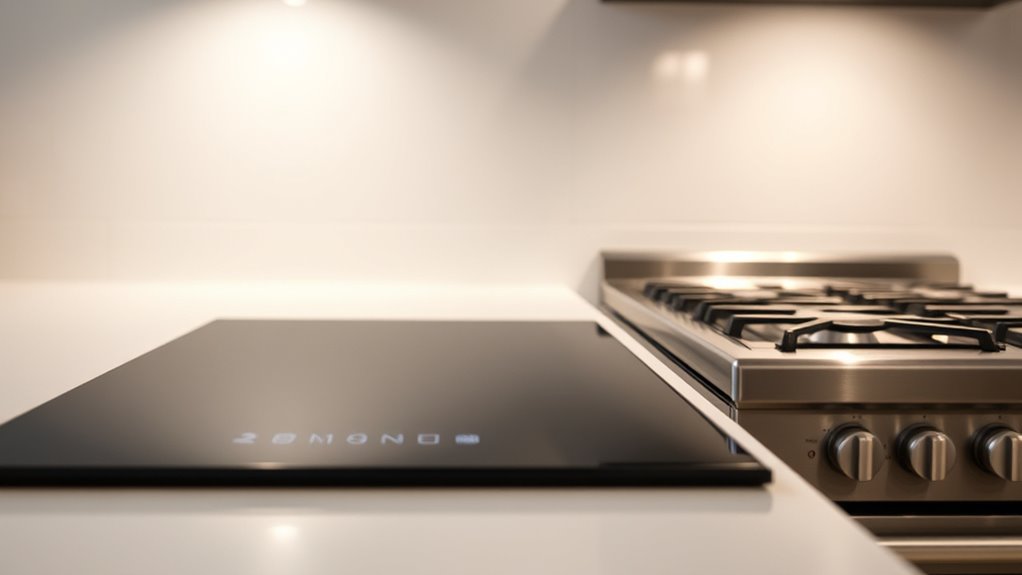
Induction Range Vs Electric Range – 7 Key Differences to Know
Are you tired of guessing how your stove will heat up or struggling with uneven cooking? Many people find choosing the right range confusing because of all the options out there.
If you’re debating between an induction range and an electric range, you’re not alone — it’s a common dilemma.
Induction ranges heat cookware quickly and precisely with electromagnetic fields, offering instant temperature adjustments.
Electric ranges use metal coils or ceramic surfaces that take longer to heat.
Induction is more energy-efficient, safer, and easier to clean, but may require special pots and a higher upfront cost.
Electric ranges are generally cheaper initially and easier to install.
If you want to understand more about these differences, keep going to find out which fits your kitchen best.
Key Takeaways
- Induction ranges heat cookware directly through electromagnetic fields. This makes them faster and gives you more precise temperature control compared to electric ranges.
- Electric ranges use heating coils or ceramic surfaces. That usually means they take longer to heat up and aren’t as quick to adjust temperatures.
- Induction cooktops stay cooler during use. They shut off automatically when you remove the cookware, making them safer. Electric cooktops, on the other hand, tend to stay hot longer even after you turn them off.
- Induction ranges usually cost more upfront. But they’re more energy-efficient, which can save you money in the long run. Electric ranges are cheaper initially but might lead to higher energy bills over time.
- Style and installation also differ. Induction models tend to be sleek and compact with specific wiring needs. Electric ranges are often bulkier and easier to set up.
How Do Induction and Electric Ranges Work?
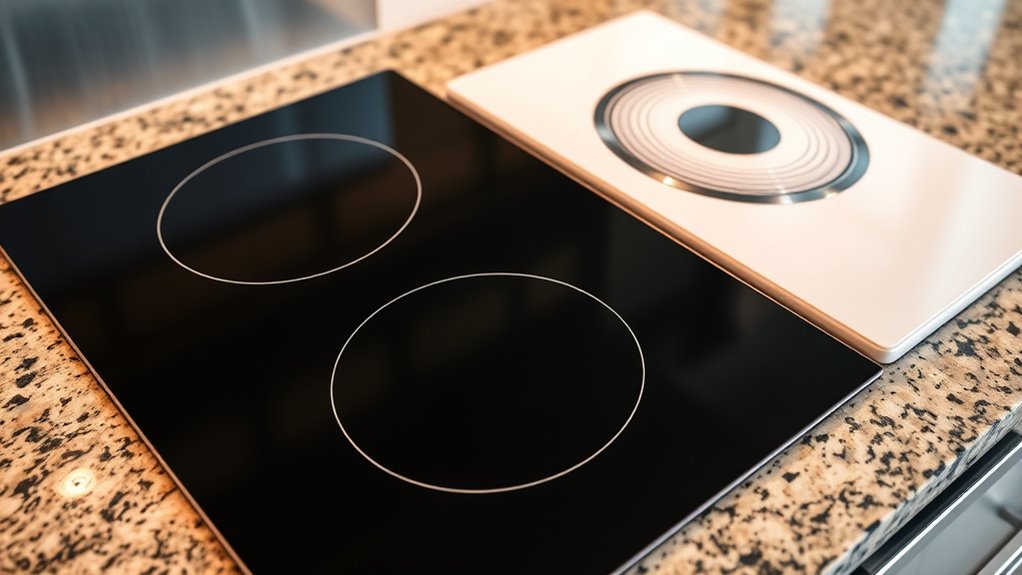
While both induction and electric ranges use electricity to generate heat, they do it in different ways. Electric ranges have heating elements, often made of metal coils or smooth ceramic surfaces, which heat up and transfer warmth to your cookware.
The heat is produced directly in the element, making the surface hot to touch. In contrast, induction ranges generate electromagnetic fields beneath the cooktop surface.
When you place ferrous cookware on the surface, these fields induce electric currents that cause the cookware itself to heat up quickly. This means heat is created directly in the pan, not the cooktop.
As a result, induction ranges heat faster and respond more quickly to adjustments compared to traditional electric models.
Speed and Efficiency: Which Range Cooks Faster?
Induction ranges heat up and respond to temperature changes almost instantly, making them much faster than traditional electric ranges. When you turn on an induction cooktop, energy transfers directly to the cookware, producing rapid heating.
This direct transfer cuts down cooking times for boiling, simmering, and frying. Electric ranges, on the other hand, rely on heating elements that take longer to reach the desired temperature and lose heat more easily.
As a result, induction cooktops can significantly speed up your cooking. You’ll notice quicker boil times and more immediate adjustments to temperature.
This efficiency not only speeds up meal prep but also conserves energy. If quick responsiveness matters to you, induction ranges clearly outperform electric options.
How Precise Is Temperature Control on Induction vs. Electric Ranges?
You can expect more precise temperature control with induction ranges because they respond almost instantly to adjustments, giving you greater accuracy during cooking. When you turn the knob or tap the control panel, the heat level changes immediately, so you can fine-tune the temperature in real-time.
This quick response helps prevent overheating or undercooking, especially for delicate dishes like sauces or melting chocolate. Electric ranges tend to lag behind since their heating elements take time to warm up or cool down.
That delay can make it harder to maintain a steady temperature, which might lead to less consistent results. Overall, induction cooktops give you superior control and make it easier to execute precise cooking techniques.
Safety Features of Induction and Electric Cooktops
Safety features are a key consideration when choosing between induction and electric cooktops, as both are designed to minimize hazards in the kitchen. Induction cooktops automatically shut off when no cookware is detected, reducing fire risk. Electric cooktops often have hot surface indicators that alert you to residual heat.
Induction surfaces stay cool during cooking, helping prevent burns. Electric elements, on the other hand, remain hot longer after cooking. Both cooktops include child locks for added safety.
Here’s a quick comparison:
| Feature | Induction Cooktop | Electric Cooktop |
|---|---|---|
| Auto shut-off | Yes | Sometimes (depends) |
| Residual heat indicator | No | Yes |
| Surface temperature | Keeps cool during use | Can stay hot after use |
Cost and Maintenance: What Are the Expenses?
Understanding the costs and maintenance requirements of induction and electric cooktops can help you make a more informed decision.
Induction ranges usually come with a higher upfront price, but they tend to be more energy-efficient, which can save you money over time. Electric ranges are generally less expensive initially but might lead to higher electricity bills.
Induction ranges cost more initially but save money through energy efficiency; electric ranges are cheaper upfront but may increase bills.
Maintenance for both types is pretty straightforward; you’ll need to clean the surface regularly to prevent buildup. Induction cooktops have fewer parts that wear out, so they often require less repair.
Electric ranges may need occasional element replacements or repairs. Overall, induction ranges might cost more at first but can offer savings through energy efficiency and durability.
Electric ranges are more budget-friendly upfront but could cost more in the long run.
Factors to Consider When Choosing Between Induction and Electric Ranges
When choosing between an induction and electric range, think about how quickly and efficiently each cooks. It’s also important to consider your budget for installation and upkeep.
Safety features and ease of use are big factors too. Knowing these things helps you pick the appliance that’s right for your needs.
Cooking Efficiency and Speed
If you’re looking for faster cooking times and greater energy efficiency, induction ranges generally outperform electric ranges. They heat up quickly because they transfer energy directly to the cookware through electromagnetic fields, which reduces wait times and heat loss.
This precise control lets you adjust temperatures instantly, making your cooking more consistent. Electric ranges, on the other hand, rely on heating elements that take longer to warm up and cool down, which can slow down your cooking process.
Induction also minimizes wasted heat, saving energy and making your cooking more efficient. Overall, if speed and efficiency matter to you, induction ranges offer a clear advantage.
They enable quicker, more controlled cooking, helping you prepare meals faster while using less energy.
Cost and Installation Needs
Choosing between an induction and an electric range often comes down to cost and installation needs, which can vary a lot. Induction ranges tend to be more expensive upfront, both for the unit itself and for installation, since they often need specialized wiring and a compatible power supply.
Electric ranges are usually cheaper initially and easier to install, often fitting into standard electrical outlets. If you’re upgrading from an old stove, check if your current electrical system can handle an induction range’s higher power needs.
Keep in mind, installation might require a professional to ensure safety and compliance. While induction ranges cost more at first, they could save you money over time through increased energy efficiency.
Safety and Ease of Use
Safety and ease of use are essential factors to consider, especially since your kitchen can be a busy and sometimes risky space.
Induction ranges are generally safer because they heat only the cookware, which lowers the chance of burns from a hot surface. They also come with built-in safety features like automatic shut-off if no cookware is detected.
Electric ranges, on the other hand, have visible heating elements that stay hot longer, making burns more likely.
When it comes to ease of use, induction cooktops respond quickly to temperature changes, giving you more control.
Electric ranges may require more effort to clean, especially around coil elements.
Overall, if safety and quick responses are most important, induction ranges have advantages.
But electric ranges are still straightforward and familiar for many users.
Which Range Is Better for Your Cooking Style and Budget?
Choosing the right range depends on your budget, cooking style, and space constraints.
You’ll want to consider initial costs versus long-term performance and features.
Think about how each option fits your kitchen setup and your everyday cooking needs.
Cost Considerations and Budget
When comparing an induction range and an electric range, cost is a big factor in choosing what fits your budget. Induction ranges usually cost more upfront but can save money over time because they’re more energy-efficient.
Electric ranges tend to be less expensive initially but might lead to higher electricity bills later on. Your overall budget depends on installation costs, long-term energy savings, and maintenance needs.
Keep in mind that induction ranges might require specialized cookware, which can add to the initial cost. Electric ranges are generally easier and cheaper to install.
Energy efficiency with induction can help lower your monthly utility bills. But long-term costs might add up depending on how often you use the stove.
Weighing the upfront costs against ongoing expenses will help you find the best option for your financial situation.
Cooking Performance and Style
If you prioritize precise temperature control and quick heating, an induction range might be a better fit for your cooking style. It heats up faster and responds instantly to adjustments.
Induction offers rapid, precise heat, making it great for delicate sauces or precise simmering. Electric ranges, on the other hand, provide steady, consistent heat, which some people prefer for baking and slow cooking.
Your choice really depends on your cooking habits and aesthetic preferences. Think about what features matter most to you.
Here’s a quick comparison:
| Feature | Induction Range | Electric Range |
|---|---|---|
| Heat Response | Instant, precise | Slight delay, steady |
| Cooking Control | Highly responsive | Less responsive |
| Style & Appearance | Modern, sleek | Traditional, classic |
Choose based on your style and budget for the best cooking performance.
Installation and Space Needs
Since installation requirements and space considerations vary between induction and electric ranges, it’s important to evaluate your kitchen layout and available space before making a decision. Induction ranges are often more compact and fit easily into existing countertops, but they may need special wiring.
Electric ranges tend to be bulkier, especially if they come with a storage drawer or extra features. Consider factors like clearance space for ventilation and heat dissipation, wiring and electrical outlet compatibility, and the dimensions for your countertop cutout.
You should also think about any additional space needed for accessories or future upgrades. Assessing these aspects ensures a smooth installation and helps you avoid surprises later. Choosing the right range depends on your kitchen layout, budget, and cooking needs.
Frequently Asked Questions
Are Induction Ranges Compatible With All Types of Cookware?
No, induction ranges aren’t compatible with all types of cookware. You need ferromagnetic pots and pans, like those made of cast iron or magnetic stainless steel.
To check if your cookware works, see if a magnet sticks to the bottom. If it does, it’s compatible. Non-magnetic materials like glass, aluminum, or copper won’t work unless they have a magnetic layer.
Can Electric Ranges Be Used With Induction-Compatible Pots?
No, electric ranges can’t be used with induction-compatible pots because they rely on different heating methods. Imagine trying to use a flashlight in a blackout—your electric range and induction-compatible pots just don’t connect the same way.
Electric ranges heat via heating elements, while induction requires magnetic cookware. If you want efficiency, use cookware designed for induction, but with electric ranges, standard pots will do just fine.
Do Induction Ranges Produce More Heat Than Electric Ranges?
Yes, induction ranges generally produce more immediate and intense heat compared to electric ranges. When you turn on an induction cooktop, the magnetic field directly heats your cookware, which means you get rapid temperature changes and higher heat levels.
Electric ranges rely on heating elements that warm up more slowly and often don’t reach the same high temperatures as induction. So, induction is usually more efficient for quick, high-heat cooking tasks.
Are Electric Ranges More Durable Than Induction Models?
Think of electric ranges as the sturdy oak tree in your kitchen, built for durability. They generally last longer and can handle daily use better than induction models, which are like delicate orchids—requiring careful handling.
If you’re after longevity and resilience, electric ranges are your best bet. Induction units are great for speed and energy efficiency but might face more wear and tear over time.
How Energy-Efficient Are Induction Ranges Compared to Electric Ones?
Induction ranges are generally more energy-efficient than electric ranges because they heat cookware directly through magnetic fields, which reduces heat loss. You’ll notice faster cooking times and less energy wasted.
Electric ranges heat the cooktop and oven through resistive elements, making them less efficient. If saving energy is important to you, induction offers a more eco-friendly option.
Over time, using induction can save you money on utility bills while being better for the environment.
Conclusion
Choosing between induction and electric ranges is like picking a trusted compass for your cooking adventures. Both can lead you to delicious destinations, but one might fit your style or budget better.
Think of induction as your quick, precise guide, while electric offers steady, reliable support. Both have their perks, so it’s about finding the right fit for your kitchen.
Whichever you choose, remember it’s about finding the right tool to make your cooking smooth and confident. Whether it’s induction range or electric range, the goal is turning everyday meals into special moments.