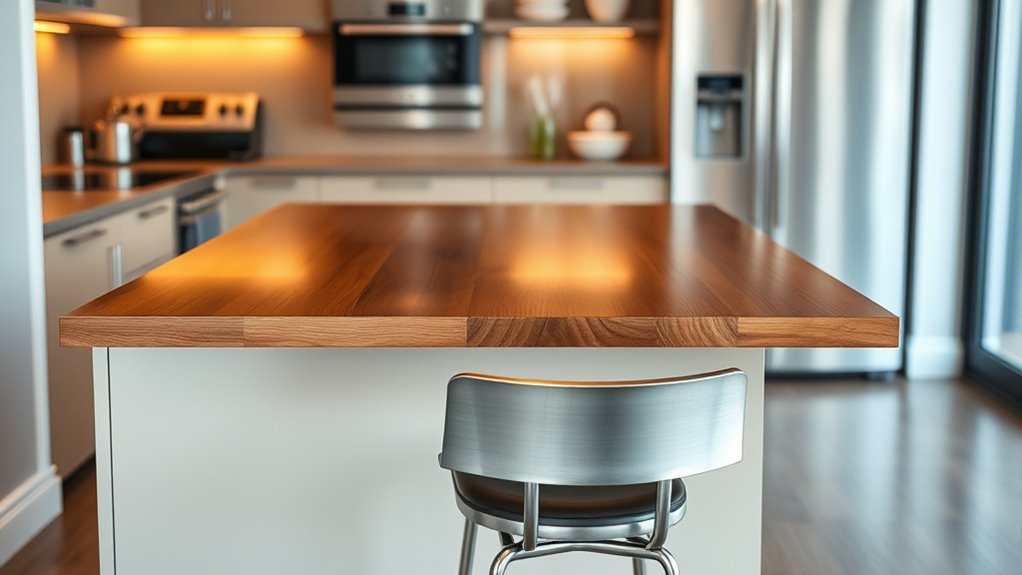
What Is the Standard Tall Kitchen Counter Height?
Many people struggle with finding the perfect kitchen counter height that feels comfortable and functional. You’re not alone—getting it just right can be tricky, especially with so many options out there.
A standard tall kitchen counter height is typically 36 inches from the floor to the countertop surface. This height provides a comfortable work level for most adults, especially for food prep, cooking, and other kitchen activities.
Taller counters, sometimes reaching 42 inches or more, can offer extra comfort for taller users. Knowing this measurement helps guarantee your kitchen is both functional and ergonomic.
Keep exploring further for more tips on choosing the right counter height for you.
Key Takeaways
- The standard tall kitchen counter height is usually around 36 inches from the floor to the surface.
- Some taller counters can go up to 42 inches or more, providing extra comfort.
- This height is designed to be comfortable for most adults when preparing food and cooking.
- Having the right counter height helps reduce strain and makes kitchen tasks easier.
- If needed, custom heights can be made to suit individual preferences, typically ranging from 36 to 42 inches.
What Is the Standard Tall Kitchen Counter Height?
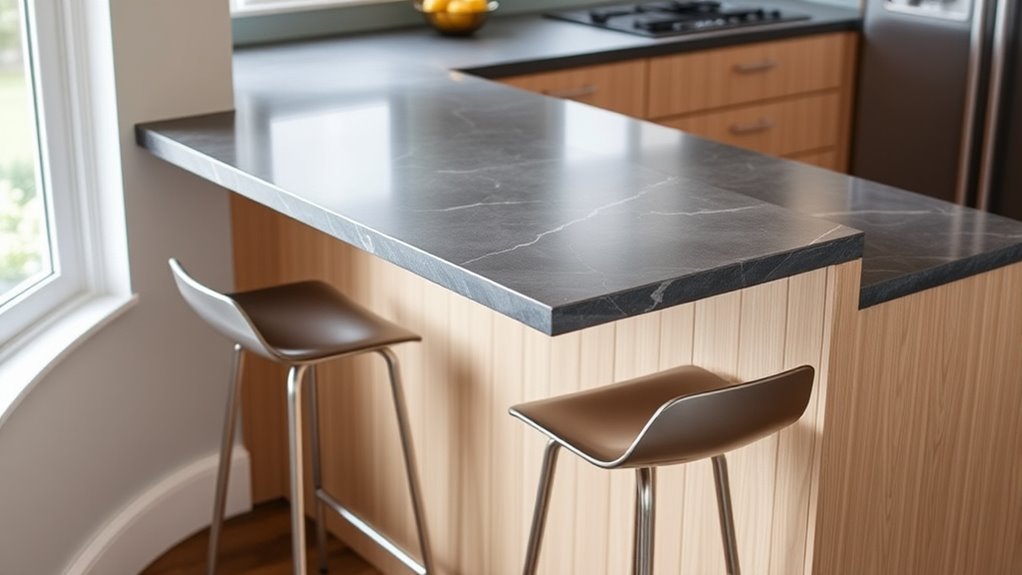
The standard tall kitchen counter height usually measures 36 inches from the floor to the countertop surface. This height is great for tasks like food prep, cooking, and other kitchen activities, providing a comfortable working level for most adults.
Tall counters are often used in kitchens with bar stools or seating areas, making them perfect for socializing while cooking. They can also help maximize space and give your kitchen a modern, sleek look.
While 36 inches is the typical height, some taller counters can reach 42 inches or more. These are ideal for taller individuals, offering even more comfort. Overall, this height strikes a good balance between functionality and comfort, making it a popular choice in many kitchens.
How Is Tall Kitchen Counter Height Measured?
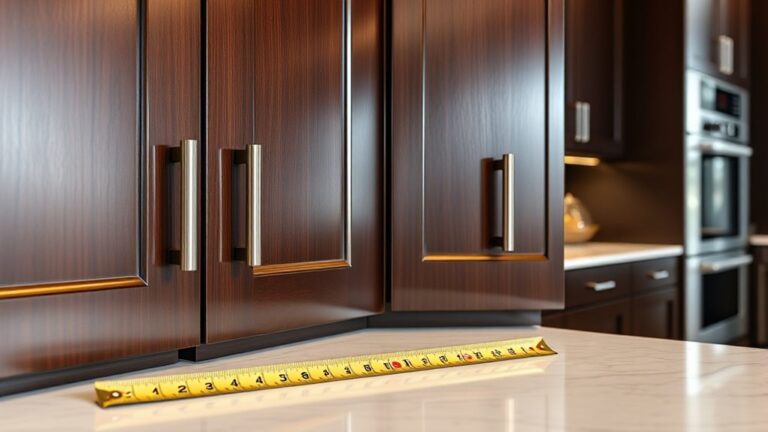
To measure tall kitchen counter height accurately, start by using a tape measure or ruler to find the distance from the floor to the top surface of the countertop.
Make sure the tape is straight and flat against the surface. It’s best to measure at the front center of the countertop for consistency.
Record the measurement in inches or centimeters. It’s important to measure multiple spots around the counter’s perimeter to account for any unevenness.
Use the table below to compare standard tall counter heights:
| Measurement Point | Height (inches) |
|---|---|
| Front center | |
| Front edge | |
| Back edge |
This ensures you get an accurate reading, especially if your countertop isn’t perfectly level.
Why Does Counter Height Matter for Kitchen Comfort?
Choosing the right counter height directly impacts your comfort and efficiency in the kitchen. When your counters are the correct height, you’ll reduce strain on your back and arms, making cooking and prep work easier. Here are four reasons why counter height matters:
Choosing the right counter height enhances comfort and efficiency, reducing strain and making kitchen tasks easier.
- Reduces fatigue: Proper height minimizes muscle strain during prolonged tasks.
- Improves posture: Keeps your spine aligned, preventing discomfort.
- Enhances safety: Less fatigue means less chance of accidents or slips.
- Boosts productivity: Comfort allows you to work faster and more efficiently.
When counters are too high or low, you may find yourself hunching or overstretching, leading to discomfort and slower work. Picking the right height makes your kitchen a more pleasant and functional space.
Who Should Consider Tall Kitchen Counters?
If you enjoy cooking or spend a lot of time at your counter, taller surfaces might suit you better. They can make your prep work more comfortable and efficient.
People with specific comfort needs or those who want more space for prep work can benefit from increased height. It’s worth thinking about how much room you need to work comfortably.
Consider your space and accessibility requirements to see if tall counters are the right fit for you. They might be perfect if you’re looking for a bit more height and room to move.
Height Preferences for Cooking
Tall kitchen counters can be a great option if you’re taller or cook a lot. If you spend hours chopping, stirring, or kneading, a higher counter can help reduce strain on your back and shoulders.
Think about these factors when choosing your countertop height:
- Cooking Duration: Longer cooking sessions are easier with taller counters to prevent fatigue.
- Posture Comfort: Find a height that lets you work with a straight back to avoid discomfort.
- Knife Skills: Precision chopping is simpler at a height that matches your waist or chest.
- Countertop Tasks: Baking, kneading, or rolling dough often need more space and a comfortable height.
Adjusting your counter height based on your cooking habits can make your time in the kitchen more efficient and comfortable.
Physical Comfort Needs
People who are taller or have mobility issues often find taller kitchen counters more comfortable because they don’t have to hunch or stretch too much.
If you often experience back or neck pain when working at standard-height counters, a taller counter can help you keep better posture.
This is especially helpful if you spend a lot of time cooking, chopping, or preparing food.
Tall counters help reduce strain on your shoulders and back, making kitchen tasks less tiring.
If you have joint or mobility concerns, a higher surface can make reaching and working much easier.
Choosing a counter height that fits your needs can make cooking more comfortable and ergonomic, reducing the risk of discomfort or injury.
Space and Accessibility
For people with limited mobility or shorter stature, standard counter heights can be tricky. Tasks like cooking and prep work become more difficult. Taller kitchen counters can improve space and accessibility by offering a more comfortable working height.
Here are some benefits:
- Reduces strain on your back and shoulders during meal prep.
- Easier access for wheelchair users or those with mobility aids.
- Promotes better ergonomic positioning, helping to reduce fatigue.
- Increases workspace efficiency by making the environment more comfortable.
If you often find yourself bending or reaching, a taller counter could be the solution. It makes kitchen tasks easier and safer. Choosing the right height can enhance both comfort and accessibility, especially if space or mobility are concerns.
How Do Tall Counters Differ From Standard Kitchen Counters?
While standard kitchen counters are usually about 36 inches high, taller counters typically range from 42 to 48 inches. This difference in height can really change how you work in your kitchen.
Taller counters put less strain on your back and shoulders, making tasks like chopping or preparing food more comfortable. They’re especially great if you’re taller or want a more ergonomic workspace.
However, taller counters might be less convenient for sitting activities or for kids, who could find them too high. You might also need different appliances or accessories, like taller stools or specialized sinks.
What Are the Best Uses for Tall Kitchen Counters?
Tall kitchen counters are great for tasks that need more space and comfort, making them perfect for food prep, baking, and heavy chopping. Their extra height lets you work more comfortably for longer without bending over, which helps reduce strain.
You’ll find these counters especially useful for rolling out dough smoothly and steadily, prepping large amounts of ingredients quickly, and using standing mixers comfortably for baking projects. They’re also great for chopping and slicing vegetables or meats without feeling cramped.
These counters make your cooking experience better by giving you plenty of space and helping to cut down on fatigue. They’re ideal for anyone who spends a lot of time in the kitchen or prefers a more ergonomic setup. Overall, tall counters make your culinary tasks more enjoyable and less physically tiring.
What Materials Are Common for Tall Counters?
When choosing materials for tall counters, you’ll find options that balance style and function.
Popular choices like granite, quartz, and wood offer different levels of durability and maintenance.
Thinking about how each material looks and holds up over time can help you pick the best fit for your space.
Popular Countertop Materials
Choosing the right materials for your taller kitchen counters can really change how durable and stylish they are. Popular options include:
- Granite. Known for its strength and natural beauty, it resists heat and scratches.
- Quartz. Engineered for durability, it’s non-porous and low-maintenance.
- Butcher Block. Offers warmth and a rustic look, perfect for chopping and prep.
- Marble. Elegant and timeless, but needs more care against stains and scratches.
These materials are popular because they strike a good balance between looks and functionality. Whether you prefer a sleek modern style or a cozy rustic vibe, the right surface can really boost your kitchen’s appeal and usability.
Think about your lifestyle and design preferences to find the best match for your space.
Durability and Maintenance
Since durability and ease of maintenance are key for long-lasting kitchen counters, choosing the right materials really makes a difference in your daily routine. Different materials vary in how tough they are and how much upkeep they need.
Quartz is super durable and low-maintenance, resisting stains and scratches easily. Granite has a natural beauty but requires sealing to prevent damage. Stainless steel handles heat well and is simple to clean, though it can show fingerprints.
Here’s a quick comparison:
| Material | Durability | Maintenance |
|---|---|---|
| Quartz | Very high, scratch resistant | Easy, soap and water |
| Granite | High, needs sealing | Moderate, reseal periodically |
| Stainless Steel | High, stain resistant | Easy, wipes clean |
Style and Aesthetics
Tall kitchen counters often feature materials that balance both style and functionality, enhancing the overall look of your space. Choosing the right material can significantly impact your kitchen’s aesthetic.
Common options include granite, which offers a timeless, elegant appearance with natural patterns. Quartz provides a sleek, modern look with high durability and low maintenance.
Wood adds warmth and texture, making it perfect for rustic or traditional styles. Concrete creates an industrial vibe and can be customized with different finishes.
Each material has its unique charm and practical benefits, so you can personalize your space. Your choice depends on your style preferences, maintenance needs, and how well it fits with your overall kitchen design.
How Can You Incorporate Tall Counters Into Your Kitchen Design?
Incorporating tall counters into your kitchen design can add both style and functionality, especially if you have high ceilings or want more storage space. To do this, consider extending your cabinetry or installing custom tall cabinets that reach the ceiling.
These not only maximize storage but also create a sleek, modern look. You can also mix different heights by pairing tall counters with standard-height ones to add visual interest.
Open shelving above tall counters can be a great way to keep frequently used items or decorative pieces within easy reach. Just be sure to integrate tall counters with your existing layout so they don’t block pathways or natural light.
Using complementary materials and finishes can help these taller elements blend seamlessly into your overall kitchen design.
What Are the Pros and Cons of Tall Kitchen Counters?
Tall kitchen counters can make cooking more comfortable and easier, especially if you’re taller or have specific ergonomic needs. They can help reduce strain and make prep work smoother.
But, they might also cause space and accessibility issues. Reaching for items or performing certain tasks can become more difficult with higher counters.
Thinking about these pros and cons can help you decide if tall counters fit your kitchen layout and lifestyle. It’s all about finding the right balance for your needs.
Enhanced Ergonomics and Comfort
While taller kitchen counters can boost ergonomics and comfort for some users, they also come with potential drawbacks. If you’re taller or have longer arms, a higher counter can reduce strain and help you avoid hunching or reaching awkwardly. This can lead to less fatigue during prolonged cooking or prep work.
However, there are downsides. You might find it uncomfortable to chop, knead, or do detailed tasks if the height feels unnatural. Standard tools and appliances may not line up properly, causing awkward postures. Reaching into cabinets or drawers can become more challenging.
If you’re sharing your kitchen with shorter people, it could create usability issues for them. Ultimately, while improved ergonomics benefit some, it’s important to consider your height and workflow when choosing counter height.
Space and Accessibility Challenges
Higher kitchen counters can maximize storage and workspace, but they also pose challenges for accessibility and space management. If you’re shorter or have mobility issues, reaching the top surfaces might be difficult, causing discomfort or safety concerns.
Taller counters can make it harder to see or access items stored on the back or lower shelves. They may also limit movement around the kitchen, especially in smaller spaces, leading to cramped conditions.
You might find it harder to perform tasks comfortably or quickly, which can impact efficiency. If your kitchen isn’t designed with taller counters in mind, you may need step stools or other aids.
Carefully consider your height, mobility, and available space to guarantee tall counters improve your kitchen experience without causing unnecessary barriers.
How to Choose the Right Tall Counter Height for Your Needs?
Are you unsure how to pick the right tall counter height for your space? First, think about who will use it most—adults, kids, or both.
Next, consider what you’ll mainly do there—cooking, working, or dining. Then, measure your space to make sure the counter fits comfortably without crowding other areas.
Finally, think about what feels best for you ergonomically. Do you want a higher surface to reduce bending? Or a slightly lower one for more comfort?
To sum up:
- Identify who will use it most
- Decide on primary activities
- Measure your available space
- Think about your ergonomic preferences
Can You Customize Tall Counters for Better Ergonomics?
Absolutely, customizing tall counters can really improve their ergonomics and make your workspace more comfortable. You can tweak the height, materials, and features to better suit your needs, which helps reduce strain and boost efficiency.
For example, adding a pull-out shelf or ergonomic edge can make a big difference in comfort. Here’s a quick guide to some customization options:
| Customization Option | Benefit |
|---|---|
| Adjustable height | Ensures a perfect fit for different tasks or users |
| Ergonomic edges | Helps reduce wrist strain |
| Specialized surfaces | Improves grip and lessens fatigue |
| Built-in accessories | Adds functionality and convenience |
How to Maintain and Clean Tall Kitchen Counters?
To keep your tall kitchen counters looking their best, regular cleaning and maintenance are key. First, wipe down the surface daily with a soft cloth and mild dish soap to remove dust and spills.
Second, avoid abrasive cleaners that can scratch or damage the finish. Third, disinfect periodically with a mixture of water and vinegar or a gentle disinfectant spray.
Fourth, check for any signs of damage or stains and handle them promptly. For stubborn spots, use a non-abrasive sponge or a baking soda paste.
Keep the counters dry after cleaning to prevent water damage. Regular upkeep not only looks great but also helps your counters last longer, keeping them functional and beautiful for years to come.
Frequently Asked Questions
Are There Standard Height Variations for Different Kitchen Styles?
Yes, there are standard height variations for different kitchen styles. For example, traditional counters are usually about 36 inches tall. Bar heights tend to be around 42 inches.
You might also find kitchen islands or snack bars at heights ranging from 36 to 42 inches, depending on their purpose. When choosing, think about your needs and comfort.
Keep in mind that custom heights can be made to fit your specific kitchen style and what feels best for you.
How Does Tall Counter Height Impact Children or Elderly Users?
Imagine walking into a kitchen where the counters are a bit higher. This can make things tricky for children and elderly users. Tall counter heights, usually around 36 inches or more, can cause discomfort or strain for those with mobility issues or shorter stature.
You might find yourself bending or reaching too much, which can lead to safety risks or fatigue. Adjusting the counter height or adding step stools can make the space more accessible and comfortable for everyone.
Can Tall Counters Be Installed in Small or Compact Kitchens?
Yes, tall counters can be installed in small kitchens, but you need to plan carefully. Measure your space to make sure there’s enough room for movement and appliances, and think about the overall layout.
Choosing multi-functional or compact appliances can help make the most of your space. You might also want to add vertical storage solutions to keep everything organized and functional without making the kitchen feel cramped.
What Are Common Accessories or Features for Tall Kitchen Counters?
Common accessories for tall kitchen counters include pull-out shelves, built-in cutting boards, and under-counter lighting. You might also add power outlets for small appliances or a wine rack for extra storage.
Installing a backsplash can protect the wall, while adding organizers keeps utensils and tools easily accessible. These features make your tall counters more functional, convenient, and personalized to your cooking style.
How Do Tall Counters Influence Overall Kitchen Workflow and Ergonomics?
Tall counters make your kitchen workflow smoother by cutting down on bending and reaching. This means food prep feels more comfortable and less tiring.
They also boost ergonomics by matching your natural posture, helping you stay comfortable during long cooking sessions. Plus, it’s easier to stay organized since tools and ingredients are within easy reach at a good height, making everything more functional and less strainful.
Conclusion
Choosing the right tall kitchen counter height transforms your cooking space into a seamless extension of your daily routine. Picture yourself effortlessly gliding through prep work, your arms comfortably at your sides, amidst sleek surfaces that invite both style and function.
By understanding measurements, considering your comfort, and customizing your counters, you craft a kitchen that feels like a personal sanctuary. With the standard tall kitchen counter height, every task becomes easier and more enjoyable, making your kitchen truly work for you.