How to Use Salt Water to Tighten the Vagina Safely
Many women understand the desire for greater confidence and comfort in their bodies, especially when it comes to intimate areas.
You’re not alone—many people struggle with concerns about vaginal tightness and are exploring natural, safe options to feel more secure.
To use salt water safely for vaginal tightening, prepare a solution with one teaspoon of non-iodized sea salt in two cups of lukewarm distilled or boiled water.
Wash your hands and clean the area first, then gently insert a sterilized applicator or tampon dipped in the solution for a few minutes.
Rinse well with warm water afterward.
Stick to once or twice weekly, and pay attention to your body’s signals.
If you want tips on how to do it safely and effectively, keep going.
Key Takeaways
- Use a sterilized container to mix one teaspoon of non-iodized salt with two cups of lukewarm, distilled or boiled water.
- Wash your hands and clean the vaginal area before inserting a sterilized applicator dipped in the salt water.
- Gently insert the applicator, and limit the application time to just a few minutes. Afterwards, rinse the area with warm water.
- You can do this salt water vaginal tightening once or twice a week. Keep an eye out for any irritation or discomfort.
- If you notice any irritation, burning, or pain, stop immediately. It’s best to consult a healthcare professional for guidance.
Is Salt Water Safe for Vaginal Tightening? Benefits and Risks Explained
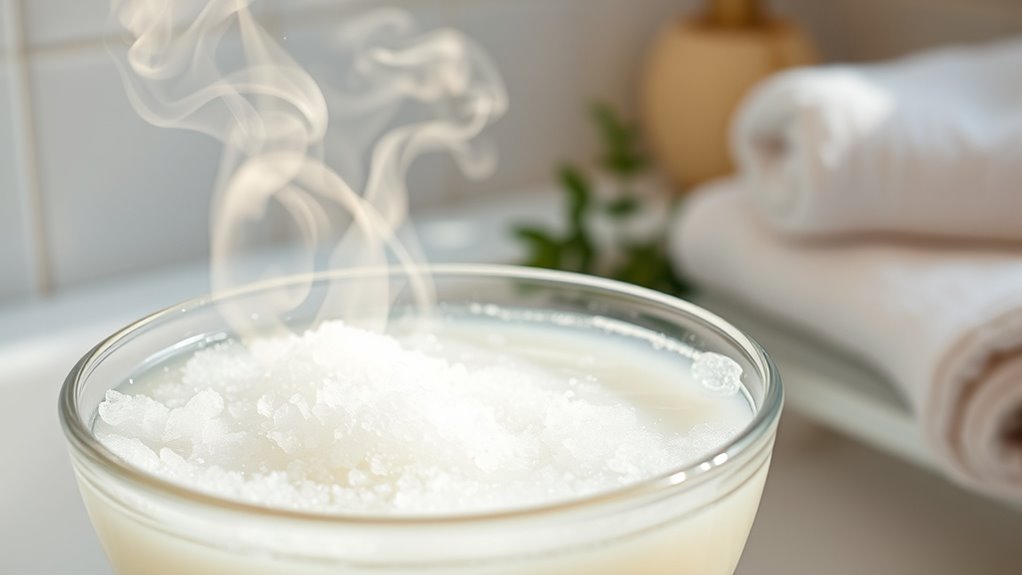
Is salt water safe for vaginal tightening? The answer isn’t straightforward. While salt water has natural cleansing properties, it can also cause irritation or disrupt your vaginal pH if not used properly.
Salt water may cleanse but can irritate delicate vaginal tissues—use with caution and consult a healthcare professional.
Some believe it can help tone the vaginal muscles, but scientific evidence supporting this is limited. Risks include dryness, itching, burning, or infections if the solution is too concentrated or used excessively.
Your delicate vaginal tissues require gentle care, and harsh solutions may do more harm than good. Before trying salt water as a tightening method, it’s essential to understand these potential risks.
Consulting a healthcare professional is the safest way to determine if this approach is right for you, rather than relying solely on anecdotal remedies.
How to Prepare a Safe Salt Water Solution at Home
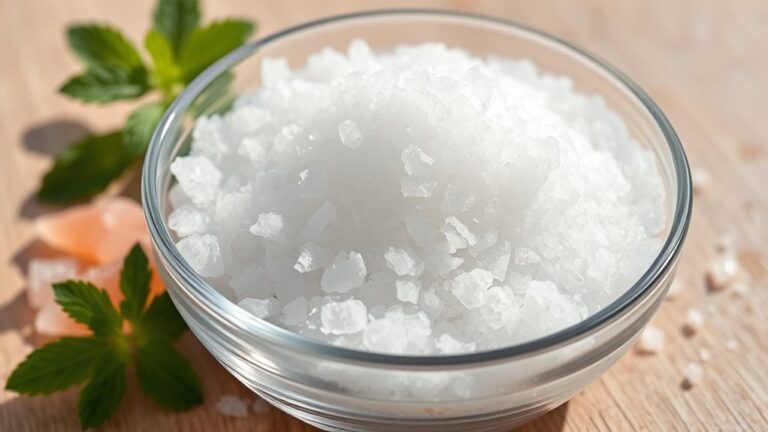
To prepare a safe salt water solution at home, start by gathering clean, non-iodized sea salt or plain table salt. These are the safest options for sensitive areas.
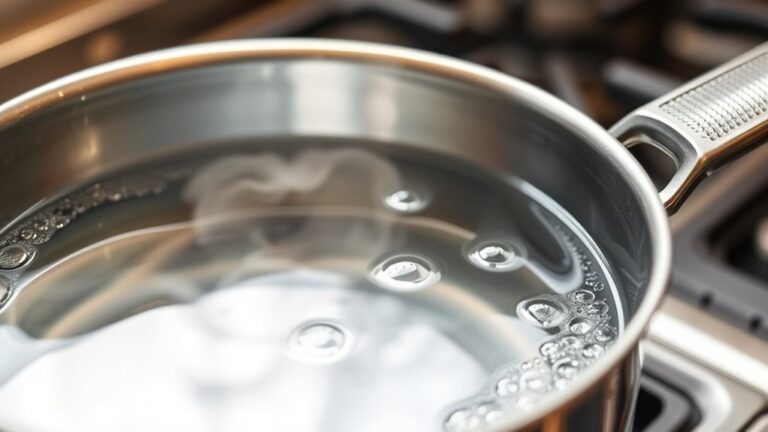
Use about one teaspoon of salt per two cups (16 ounces) of warm, distilled, or boiled water. Make sure the water is at a comfortable, lukewarm temperature—not hot—to avoid burns or irritation.
Stir the mixture well until the salt dissolves completely. Avoid using iodized salt or any additives like fragrances or artificial substances, as they can cause irritation.
Always use sterilized containers to store your solution. Prepare fresh batches regularly to prevent contamination and keep the solution safe and effective for vaginal use.
How to Use Salt Water for Vaginal Tightening Safely
To use salt water for vaginal tightening safely, you need to prepare the right solution with the correct concentration.
Make sure to follow safe application procedures to avoid irritation or injury.
Always prioritize hygiene and talk to a healthcare professional before trying this method.
Proper Salt Water Preparation
Preparing salt water safely starts with choosing the right salt—preferably pure sea salt or non-iodized salt—and making sure it’s free of additives. You want a clean, natural salt that won’t irritate sensitive tissues.
Next, measure the salt carefully—about one to two teaspoons per liter of warm, distilled water. Stir well until the salt dissolves completely, creating a clear solution. You might see the water turn slightly cloudy or shimmering as the salt dissolves evenly.
Use sterile containers to mix and store your solution, avoiding contamination. Think of a glass jar with a tight lid filled with shimmering salt water ready for use. Always prepare fresh solutions each time and never reuse leftover salt water to stay safe and effective.
Safe Application Procedures
When applying salt water for vaginal tightening, it’s important to follow proper techniques to ensure safety and effectiveness. First, make sure the salt solution is prepared correctly with the right concentration.
Before inserting, wash your hands well and clean the vaginal area with mild soap and water. Use a sterilized applicator or a clean, disposable tampon dipped in the salt water.
Insert the applicator gently, avoiding any force or discomfort. Keep the solution in for only a few minutes and don’t leave it in longer than recommended.
Afterward, rinse the area with warm water and dry gently. Never use solutions that are too salty or insert anything if you experience pain, burning, or irritation.
Always follow the guidelines, and consult a healthcare professional if you’re unsure about the process.
How Often Should You Use Salt Water for Best Results?
Wondering how often you should use salt water for the best results? It’s important to find the right balance to avoid irritation. Typically, using salt water once or twice a week is enough for tightening effects without causing discomfort.
Overdoing it can lead to dryness or irritation, so moderation is key. Pay attention to your body’s response and adjust accordingly. If you notice redness, itching, or burning, reduce frequency immediately.
Consistency is important, but so is listening to your body’s signals. Remember, this isn’t a daily routine but a gentle treatment to support your goals.
By maintaining a cautious approach, you’ll maximize benefits while minimizing risks. Imagine a soothing rinse that leaves you feeling refreshed and confident. Visualize gentle tightening that gradually improves your comfort.
Picture a routine that respects your body’s natural balance.
Precautions to Prevent Irritation or Infection When Using Salt Water
To prevent irritation or infection, make sure you’re using salt water with the right salt concentration and keep your equipment clean.
It’s also important not to use salt water too often, so you don’t overdo it. Following these tips helps ensure safe and effective use.
Proper Salt Concentration
Using the correct salt concentration is essential to prevent irritation or infection when rinsing with salt water. Too much salt can cause burning and dryness, while too little won’t be effective.
Typically, a saline solution of about 0.9% salt is recommended, similar to body fluids. To achieve this, dissolve approximately one teaspoon of salt in one cup of warm water. Always stir thoroughly to guarantee the salt is fully dissolved.
Visualize a gentle, clear rinse that mimics natural moisture levels, avoiding overly salty or diluted solutions. This balance helps maintain comfort and safety during use.
Maintain Hygiene Standards
While salt water rinses can be helpful, it’s really important to keep good hygiene to avoid irritation or infection. Always wash your hands thoroughly before preparing or applying the rinse to prevent bacteria from getting in.
Use clean, sterilized containers and equipment when making your salt water solution. Don’t share towels, washcloths, or other personal items that could spread germs.
After rinsing, gently pat the area dry with a clean towel instead of rubbing, which might cause irritation. Make sure your genital area is clean and dry before applying the salt water.
If you notice redness, itching, or unusual discharge, stop using the rinse and talk to a healthcare professional. Good hygiene helps keep the area healthy and reduces the risk of problems.
Limit Frequency of Use
Applying salt water rinses too often can lead to irritation or disrupt the natural balance of your skin. To prevent this, limit how frequently you use salt water for vaginal tightening.
Overdoing it can cause dryness, soreness, or even infections. Stick to a schedule, like once or twice a week, so your body has time to recover and stay moisturized.
Think of your skin as a delicate garden that needs careful watering. Too much water can drown the plants. Be alert for signs like redness, itching, or burning, which mean you should stop.
Keep your routine gentle and pay attention to how your body responds to avoid unnecessary discomfort or harm.
Signs That Salt Water Tightening Is Working or Causing Problems
When salt water tightening starts to work, you’ll see some signs that tell you if it’s doing its job or causing problems.
If you feel a gentle, firm sensation without pain or discomfort, chances are it’s working as it should. You might also notice things getting tighter over time.
But be careful—if you experience burning, itching, or irritation, those are warning signs that the salt water might be irritating your sensitive tissues.
Persistent redness, swelling, or unusual discharge are also signs something’s not right.
Feeling dizzy or uncomfortable during or after treatment could mean you’re overdoing it or having an adverse reaction.
Listen to your body—if you notice irritation or pain, stop immediately and get professional advice.
When monitored properly, salt water tightening should feel safe and manageable.
Alternatives to Salt Water for Vaginal Tightening
If you’re exploring options beyond salt water for vaginal tightening, there are several alternatives that might work for you. These methods tend to focus on natural or minimally invasive techniques to improve tone and elasticity.
Pelvic floor exercises like Kegels are a popular choice. They strengthen your muscles and help boost tightness naturally, almost like lifting a weight with each contraction.
Another option includes topical creams or suppositories designed to improve vaginal elasticity and moisture. They can help create a smoother, more toned surface.
Some women opt for non-surgical treatments like laser therapy or radiofrequency. These procedures use heat and light to stimulate collagen production and restore elasticity.
Think of these options as different tools in your toolkit: exercises that strengthen from within, creams that soothe and tighten, and treatments that rejuvenate the tissue.
When Should You Talk to a Healthcare Professional Before Trying Salt Water?
Before trying salt water as a remedy or treatment, it’s important to talk to a healthcare professional, especially if you have any underlying health conditions or concerns.
You should seek advice if you notice symptoms like itching, burning, unusual discharge, or pain. These could be signs of infections or other issues that need medical attention.
Talking to a doctor helps ensure you’re using safe practices and can prevent potential complications. Use this table to know when professional guidance is necessary:
| Symptom or Condition | Why Consult a Professional | When to Seek Immediate Help |
|---|---|---|
| Unusual vaginal discharge | To rule out infections or allergies | If discharge is foul-smelling or bloody |
| Persistent irritation | To prevent symptoms from worsening | If irritation doesn’t go away in 24 hours |
| Underlying health issues | To ensure safe treatment options | If you’re unsure about safety or effects |
Always prioritize professional advice for safe and effective care.
Tips for Maintaining Vaginal Health After Using Salt Water
After using salt water for vaginal care, it’s important to maintain your vaginal health to prevent irritation and keep your natural balance. Focus on gentle routines and steer clear of harsh products that can upset your pH.
Keep the area clean and dry, and wear breathable underwear to help reduce moisture buildup. Drinking plenty of water and eating a balanced diet will also support your overall health.
You can include soothing practices like rinsing with plain water after salt water treatments to help restore natural moisture. Pay attention to any discomfort or unusual discharge, and see a healthcare professional if needed.
Frequently Asked Questions
Can Salt Water Cause Long-Term Damage to Vaginal Tissue?
Yes, salt water can cause long-term damage to vaginal tissue if used improperly. It may irritate or dry out the delicate mucous membranes, leading to inflammation or infections.
Regular or excessive use can disturb the natural pH balance and harm healthy tissue. To avoid these risks, it’s best to talk to a healthcare professional before trying any salt water treatments.
Also, try to avoid prolonged or high-concentration applications to keep your vaginal tissue safe.
Are There Any Natural Alternatives to Salt Water for Tightening?
Yes, there are natural alternatives like Kegel exercises, herbal remedies, or vaginal tightening creams that can help improve elasticity.
Kegel exercises strengthen pelvic muscles, which can lead to a tighter feeling over time. Herbal options like witch hazel or aloe vera are believed to tone tissue naturally, but scientific support is limited.
Always talk to a healthcare professional before trying any of these methods, since their effectiveness and safety can vary.
How Quickly Can Results From Salt Water Tightening Be Noticed?
You might notice some tightening effects within a few days to a week after using salt water treatments, but results can vary. Keep in mind, salt water may provide temporary improvements rather than permanent changes.
For lasting results, consistent application is often necessary, and you should consult a healthcare professional to guarantee safety. Remember, individual responses differ, so patience and caution are key.
Does Salt Water Affect Vaginal pH Levels or Flora?
Salt water can disrupt your vaginal pH balance and flora if used excessively or improperly. It may cause irritation, dryness, or imbalance, making infections more likely.
You might notice discomfort or unusual discharge afterward. To protect your health, avoid overusing salt water and talk to a healthcare professional before trying any home remedies.
Maintaining a natural pH level is essential for your vaginal health and overall well-being.
Is Salt Water Safe for Women With Existing Vaginal Infections?
If you have a vaginal infection, salt water isn’t safe. For example, a woman with bacterial vaginosis found her symptoms worsened after using salt water, which disrupted her natural flora.
Salt water can irritate inflamed tissue, increase discomfort, and delay healing. Instead, it’s best to consult a healthcare professional for proper treatment.
Avoid home remedies like salt water, especially when infection is involved, to prevent complications.
Conclusion
Remember, treating your body with gentle care is like tending a delicate garden—nurture it wisely. While salt water can be a soothing wave, it’s important to listen to your body’s signals and avoid harsh tides.
Keep your vaginal health a safe harbor by consulting professionals and maintaining good hygiene. Trust your instincts, stay informed, and let your confidence blossom like a radiant garden, thriving in the harmony of safety and care.
Using salt water to tighten the vagina can be helpful if done correctly, but always prioritize safety and professional advice.