7 Key Factors That Determine How Much to Redo Your Kitchen
Are you feeling overwhelmed about how much to redo your kitchen? You’re not alone—many people struggle with figuring out where to start or how much effort is needed. Making the right choices can feel daunting, but understanding a few key factors can help you make confident decisions.
When deciding how much to redo your kitchen, consider its current condition such as outdated appliances or worn countertops, and how that impacts daily use.
Think about your lifestyle — can you handle disruption and unique needs?
Define your design goals and desired style, then factor in costs including materials and labor.
Timing also matters to maximize value and minimize inconvenience.
If you’re curious about making the best choices for your space, continue exploring these key factors.
Key Takeaways
- Assess the current condition of appliances, countertops, and fixtures. This will help you identify what needs fixing or replacing. Take a close look at everything to see what’s still in good shape and what’s not.
- Determine your budget and consider all cost factors. Think about materials, the scope of the renovation, and labor expenses. Knowing your limits will help you plan better.
- Consider your lifestyle and how the renovation might affect your daily routines. Timing is important — you want to minimize disruptions and make the process smoother.
- Define your design goals. Decide on the style, functionality, and look you want to achieve. This will keep your project focused and ensure everything matches your vision.
- Evaluate how the renovation could boost your home’s value and appeal. Think about the scope and quality of work needed to get the best return on investment.
Does Your Kitchen Need a Remodel?
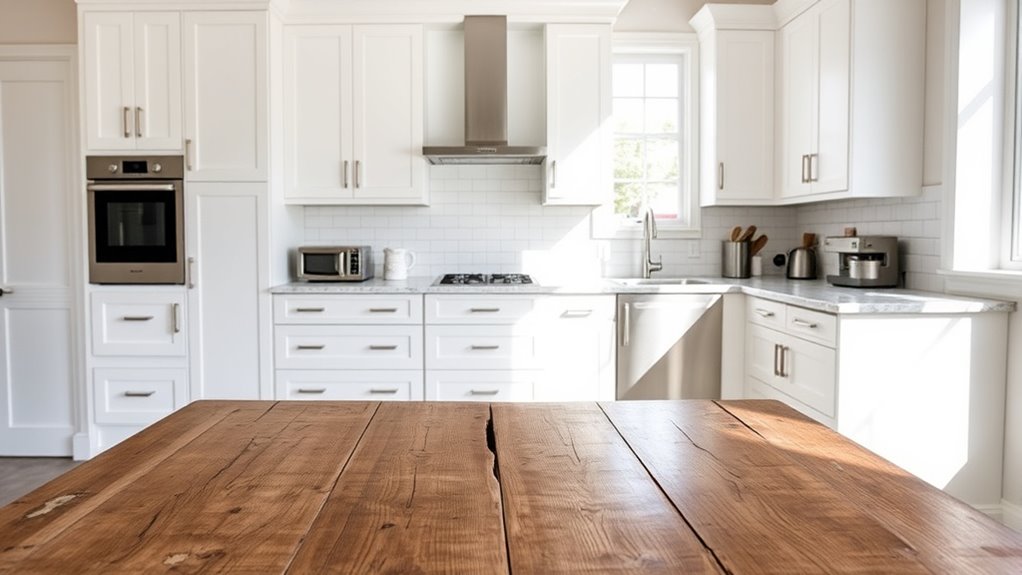
Wondering if your kitchen needs a remodel? You might notice outdated appliances, worn countertops, or cabinets that no longer match your style.
If your kitchen feels cramped, inefficient, or hard to clean, it’s a clear sign that changes are needed.
Think about how often you cook and entertain. If your space doesn’t support your lifestyle, it’s time to reconsider its design.
If your kitchen doesn’t match your cooking and entertaining needs, it’s time for a redesign.
Pay attention to leaks, poor lighting, or broken fixtures, as these can impact safety and comfort.
Also, if your kitchen no longer fits your home’s overall look, a remodel can boost your property’s value.
Ultimately, if your kitchen makes daily routines harder or takes away from your enjoyment, it’s probably time to plan a makeover.
How to Assess Your Kitchen’s Condition
Evaluating your kitchen’s condition starts with a close look at its functionality and condition. Check if appliances are outdated or malfunctioning and note any persistent repairs needed. Examine cabinet and drawer operation—are they sturdy and smooth?
Assess the countertops for cracks, stains, or wear. Look at the flooring for damage or unevenness. Consider the lighting—does it adequately illuminate work areas? Finally, identify any signs of water damage, mold, or pests.
Here are key points to focus on:
- Appliance performance and age
- Cabinet stability and wear
- Countertop condition and durability
- Flooring integrity and safety
- Signs of water damage or pests
This thorough assessment helps you determine what needs fixing or replacing.
Is Your Lifestyle Ready for a Renovation?
Is your current lifestyle compatible with a kitchen renovation? If you have a busy schedule, a large family, or frequent gatherings, a renovation might temporarily disrupt your routines. Think about whether you can handle the noise, dust, and limited kitchen access during the project.
Assess if your busy lifestyle can manage the noise, dust, and disruptions of a kitchen renovation.
If you work from home or have young children, you’ll need to plan around potential disruptions. It’s important to consider if you have the time and energy to manage the renovation process or coordinate with contractors.
Renovations require patience and flexibility, especially if unexpected issues come up. If your lifestyle is hectic or unpredictable, you might want to delay the project or choose a smaller, less intrusive upgrade.
Being honest about your daily commitments will help you prepare for the renovation journey. Making sure you’re ready will make the process smoother and less stressful.
What Are Your Design Goals for the Kitchen?
Thinking about your kitchen redesign, start by defining your style—do you prefer modern, rustic, or something else? Next, consider what functionality needs are most important, like ample storage or a spacious island.
Clarifying these goals helps guarantee your new kitchen reflects your taste and works seamlessly for your daily routines.
Define Your Style
Before diving into specific design choices, it’s important to clarify your style and vision for the kitchen. Knowing what you prefer helps guide your decisions on materials, colors, and layout.
Are you into sleek modern lines, cozy farmhouse charm, or bold industrial vibes? Defining your style keeps everything cohesive and true to your personality.
Think about these key elements:
- The overall look and feel you want to create
- Colors and finishes that appeal to you
- Materials like wood, metal, or stone
- The mood or ambiance you’re aiming for
- How your style reflects your lifestyle and taste
Prioritize Functionality Needs
Once you’ve chosen your preferred style, focus on functionality to make sure your kitchen works as well as it looks. Think about how you use your space daily—do you need a large island for meal prep or a small spot for quick snacks?
Prioritize your must-have features like plenty of storage, efficient appliances, or a layout that feels comfortable. Consider your cooking habits—do you entertain often or mainly cook for yourself?
Make sure your design supports these needs without disrupting flow or easy access. Remember, a beautiful kitchen is great, but it’s gotta work well for you.
Knowing your key functionality needs early on can save you money and help you create a space that truly fits your lifestyle.
How Much Will the Renovation Cost?
Your renovation costs depend on the materials you choose, the extent of work needed, and how complex your design is.
Each of these factors can greatly influence your overall budget.
Understanding how these points interact helps you plan a realistic and effective kitchen redo.
Material Selection Impact
Choosing the right materials for your kitchen renovation can greatly influence your overall budget. High-end options like marble countertops or custom cabinetry will cost significantly more than standard choices. Material costs depend on durability, appearance, and brand reputation.
For example, opting for quartz instead of laminate can double or triple your expenses. Remember, some materials need special installation, which adds to labor costs. Keep these factors in mind:
- Premium countertops such as marble or granite
- Custom cabinetry versus stock cabinets
- High-end flooring options like hardwood or stone
- Specialty backsplashes and tiles
- Upgraded appliances and fixtures
Choosing more affordable, durable materials can help keep your project within budget while still looking great. Being mindful of material costs early on makes sure your renovation stays financially manageable and aligned with your vision.
Scope of Work
Understanding the scope of your kitchen renovation is key to getting accurate cost estimates. You should decide what work is necessary, whether it’s replacing cabinets, updating appliances, or gutting the space entirely.
The more extensive the work, the higher your expenses will be. Think about the tasks involved and how complex they are.
| Task | Impact on Cost |
|---|---|
| Minor updates | Lower, quick fixes |
| Full cabinet replacement | Moderate increase |
| Structural changes | Significant cost increase |
Design Complexity Cost
The complexity of your kitchen design really impacts the overall renovation cost. If you’re going for intricate layouts or custom features, expect to pay more.
Simple designs with standard cabinets and fixtures usually cost less. To see how your design choice affects your budget, consider these factors:
- Custom cabinetry and specialty storage solutions
- Unique or complex tile and backsplash patterns
- High-end appliances and fixtures
- Open-concept layouts or structural changes
- Advanced lighting and electrical systems
All of these elements add to the project’s complexity, which can increase labor and material costs. Planning a straightforward design can save money, while detailed, ambitious plans may require a bigger investment.
Keep your vision aligned with your budget to balance looks and expenses effectively.
When Is the Best Time to Remodel Your Kitchen?
Wondering when to tackle your kitchen remodel? The best time is often when your schedule is flexible so you can devote attention without rushing.
The ideal time for a kitchen remodel is when your schedule allows focused, unrushed attention.
Consider remodeling during milder seasons like spring or fall, especially if your project involves outdoor work or accessing materials easily.
Avoid busy holiday seasons or peak summer months when contractors are booked and delays are more likely.
If you’re planning to sell soon, timing your remodel just before listing can boost your home’s appeal.
Keep an eye on economic factors too. Remodeling during periods of low material costs and interest rates can save you money.
Ultimately, choose a time when you’re ready to oversee the project closely and handle potential disruptions.
Will a Kitchen Renovation Increase Your Home’s Value?
A well-executed kitchen renovation can significantly boost your home’s value, making it a smart investment whether you’re planning to sell soon or just want to increase your property’s appeal. Upgrading cabinets, countertops, and appliances can attract buyers and give your kitchen a modern look.
Focusing on energy-efficient features can also appeal to eco-conscious buyers. Just remember, the renovation style should match your neighborhood’s standards to get the best return. Consider these factors:
- High-quality, durable materials
- Modern, neutral color schemes
- Efficient layout improvements
- Upgraded appliances
- Better lighting and fixtures
These elements not only improve how your kitchen functions but also make it more visually appealing. In turn, this can increase your home’s market value. A targeted kitchen remodel, done thoughtfully, can bring you significant financial benefits.
Frequently Asked Questions
How Long Does a Typical Kitchen Renovation Take?
A typical kitchen renovation takes about 6 to 12 weeks. The timeline really depends on how big the project is, how complex it gets, and your contractor’s schedule.
If you’re doing something smaller like updating cabinets or appliances, it might only take a few weeks. But if you’re gutting the whole kitchen, including plumbing, electrical, and structural work, it will probably take longer.
Planning carefully and hiring experienced professionals can help keep the process on track and avoid unnecessary delays.
What Are Common Unexpected Costs During Remodeling?
Unexpected costs during remodeling often sneak up on you, like surprise guests at a dinner party. You might find plumbing issues, hidden mold, or outdated wiring that needs fixing right away.
Upgrading appliances unexpectedly or dealing with permit delays can also blow your budget. These surprises remind you that even the best plans can’t predict every detail.
That’s why it’s smart to set aside extra funds for those unavoidable, unpredictable expenses. It helps you stay prepared when surprises pop up.
Should I Hire a Designer or Handle It Myself?
You should consider hiring a designer if you want a professional touch and a cohesive look, especially for complex projects.
If you’re confident in your skills, enjoy DIY tasks, and want to save money, handling it yourself could work.
Keep in mind, a designer can save you time, prevent costly mistakes, and help you stay on budget.
Weigh your experience, project scope, and budget before making your decision.
How Do I Choose Durable, Long-Lasting Materials?
To choose durable, long-lasting materials, focus on products that are tough and timeless. Look for labels like “high-quality,” “reinforced,” or “industrial-grade.”
Think about materials like quartz countertops, hardwood floors, and stainless steel appliances. These are known for their resilience and longevity.
Test textures, trust reputable brands, and consider the long-term benefits. Picking strong, sturdy, and sustainable options will help your kitchen stay beautiful and functional for years.
What Permits Are Required for Kitchen Renovations?
You’ll need to check with your local building department to find out what permits are necessary for your kitchen renovation. Usually, permits are needed for plumbing, electrical, or structural work.
You might also need a permit if you’re changing the layout or adding new appliances. It’s a good idea to contact your city or county office early to make sure you get all the approvals before starting work.
This way, you can avoid potential fines or delays that could hold up your project.
Conclusion
So, after weighing your kitchen’s needs, budget, and timing, you’re all set for a remodel—only to realize the real challenge is choosing between a sleek new look or a cozy upgrade.
Ironically, the more you plan, the more you see how much your dream kitchen might turn into the ultimate test of patience and decision-making.
But hey, isn’t that what makes a kitchen renovation an adventure worth every penny?