Can You Put Bath Salts in Your Hot Tub?
Many hot tub owners want to enhance their relaxing experience but struggle with what’s safe to add to the water. You’re not alone—nobody wants to risk damaging their equipment or ruining their soak.
Putting bath salts in your hot tub isn’t recommended because many contain oils, fragrances, or dyes that can damage the equipment, clog filters, or affect water chemistry.
Even safe options like Epsom salts can cause issues if used improperly or in excess.
For a safer soak, investigate alternatives like aromatherapy oils or herbal infusions.
If you want to enjoy a relaxing experience without risking damage, keep investigating the best practices for hot tub safety and maintenance.
Key Takeaways
– Bath salts can damage hot tub components by causing corrosion, clogging filters, and leaving residues that are hard to clean.
Use only salts labeled as safe for hot tubs, preferably plain Epsom salts, in small amounts to minimize risks.
Fragrances, dyes, and added oils in bath salts may stain surfaces and disrupt water chemistry.
Prolonged use of bath salts can cause skin irritation, allergic reactions, and respiratory issues.
For relaxation, consider natural alternatives like herbal infusions or essential oils designed for hot tubs.
Are Bath Salts Safe for Hot Tubs?
Are bath salts safe to use in hot tubs? Not necessarily. Many bath salts contain ingredients that can harm your hot tub’s equipment or clog filters.
For example, salts with oils, fragrances, or additives might leave residues that are difficult to clean and could cause long-term damage. Even pure salts can corrode metal parts or affect water chemistry if not used properly.
Using bath salts often leads to cloudy water, soap scum, or buildup on jets and filters. If you want to add a soothing touch, consider alternatives like specially formulated hot tub products or skin-safe options designed for such use.
Bath salts can cause cloudiness and buildup—consider skin-safe or specially formulated hot tub products instead.
Always check your hot tub manufacturer’s guidelines before adding any substances to avoid costly repairs or maintenance issues.
Which Bath Salts Won’t Damage Your Hot Tub?
When choosing bath salts for your hot tub, look for non-staining options that won’t leave marks or discoloration.
You want salts that are gentle on your tub’s materials, so avoid anything too harsh or abrasive.
Stick to products with natural ingredients and steer clear of harsh chemicals to keep your hot tub in top condition.
Non-Staining Salt Options
Choosing the right bath salts for your hot tub is essential to prevent damage and staining. Non-staining salt options are usually free of dyes, artificial colors, and harsh chemicals that can discolor the water or leave residue.
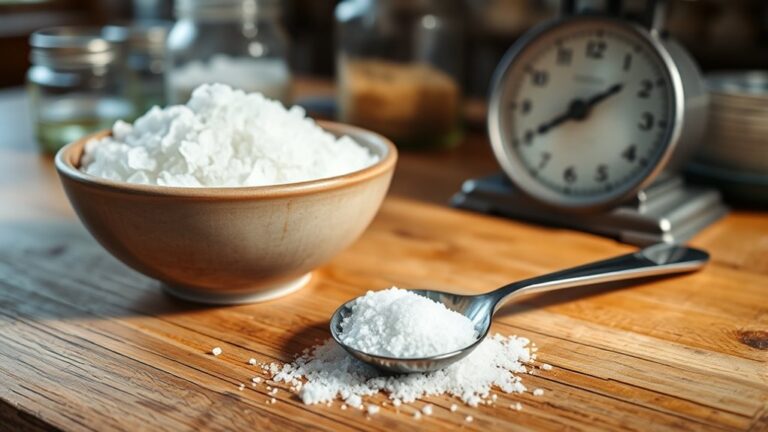
Look for salts labeled as natural, unscented, or specifically designed for spa use. Magnesium sulfate, also known as Epsom salts, is a safe choice because it dissolves well and doesn’t stain.
Avoid salts with added dyes, glitter, or fragrances, as these can stain your hot tub’s surface or clog filters over time. Always read labels carefully and choose products formulated for spa or hot tub use.
Using non-staining salts helps keep your hot tub looking great while providing a relaxing experience.
Gentle for Hot Tub Materials
Since your hot tub’s materials can be sensitive to certain chemicals, choosing gentle bath salts is really important to prevent damage. Look for salts labeled as hypoallergenic or made for sensitive skin, as they usually have fewer additives and harsh ingredients.
Avoid salts with artificial fragrances, dyes, or high mineral content because these can stain or corrode your hot tub surfaces over time. Instead, pick natural or mineral-based salts that are made specifically for spa use.
These types of salts are less likely to cause discoloration, buildup, or damage to your hot tub’s acrylic, vinyl, or other surfaces. Always check the product label and follow the manufacturer’s recommendations to ensure compatibility.
Using spa-approved, gentle salts helps keep your hot tub in great shape and extends its lifespan.
Avoiding Harsh Chemicals
Not all bath salts are created equal when it comes to protecting your hot tub. Some contain harsh chemicals that can cause damage over time.
Many commercial bath salts include additives like synthetic fragrances, dyes, or preservatives that can corrode metal parts and clog filters.
These chemicals can also throw off the pH balance, making your water cloudy or causing mineral buildup.
To avoid these problems, choose salts made from natural ingredients, without artificial scents or dyes.
Look for products labeled as safe for hot tubs or specifically designed for spa use.
Using gentle, chemical-free salts helps protect your hot tub’s equipment and keeps the water quality high, so your relaxing soak doesn’t turn into costly repairs later.
What Are the Risks of Using Bath Salts in Your Hot Tub?
Using bath salts in your hot tub can pose serious health risks, especially because these substances aren’t made for aquatic environments. They can clog filters and pumps, which can lead to costly repairs and maintenance problems.
Bath salts might also contain ingredients that react badly with your hot tub chemicals. This can create dangerous fumes or leave residues that are hard to clean up. Skin irritation is another concern; prolonged exposure to certain salts can cause dryness, rashes, or allergic reactions.
Inhaling or ingesting particles from bath salts could cause respiratory issues or nausea. Some bath salts include fragrances or dyes that can stain your hot tub surfaces or change the water chemistry, which can be tricky to fix.
How Can You Use Bath Salts in Your Hot Tub Safely?
Is it possible to enjoy the relaxing benefits of bath salts in your hot tub without risking damage or health issues? Yes, but you need to use them carefully.
First, choose salts labeled as safe for tub use. Second, add a small amount—about one or two tablespoons—to prevent clogging filters.
Third, rinse your tub thoroughly after use to remove residue. Fourth, avoid using salts with added fragrances or oils that could harm your equipment or cause skin irritation.
Always check your hot tub’s manufacturer guidelines to verify salt compatibility. Remember, moderation is key.
Using bath salts responsibly can help you relax without risking damage or health problems. Stay informed, and enjoy your soak safely.
What Are Better Alternatives to Bath Salts for Relaxation?
While bath salts can create a relaxing soak, many people look for alternatives that are gentler on hot tubs and skin. Aromatherapy oils, like lavender or eucalyptus, are great options because they offer calming scents without risking damage or residue.
Epsom salts, used sparingly, can also help promote relaxation and soothe muscles without harsh chemicals. Herbal infusions, such as chamomile or mint, can be added to water in tea bags or strainers for a natural, calming effect.
Using natural, skin-friendly products like oatmeal or honey blends can soothe your skin without clogging filters or damaging the hot tub. These alternatives provide relaxation benefits while keeping your hot tub clean and safe for future use.
Final Tips for a Safe and Enjoyable Hot Tub Experience
To enjoy your hot tub safely, make sure the chemical levels are balanced before you get in.
Follow safe usage practices, like limiting your time and staying hydrated.
These simple steps help keep your experience relaxing and worry-free.
Proper Chemical Balance
Maintaining proper chemical balance is essential for a safe and enjoyable hot tub experience. When your water’s chemistry is off, it can cause skin irritation, equipment damage, or bacterial growth.
Regularly test your water using a reliable kit and adjust chemicals as needed. Keep pH levels between 7.2 and 7.8 to prevent corrosion or scaling.
Chlorine or bromine should be maintained at proper levels to disinfect effectively. Always follow manufacturer instructions for adding chemicals to avoid over- or under-treatment.
Proper chemical balance also helps keep water clear and inviting. Test water weekly for pH, alkalinity, and sanitizer levels.
Adjust chemicals gradually to avoid sudden shifts. Use appropriate chemicals for balancing and sanitation.
Rinse your test kit regularly for accurate readings.
Safe Usage Practices
Ensuring a safe and enjoyable hot tub experience means following some key practices. First, always check the water’s chemical levels before use to prevent skin irritation or equipment damage.
Limit your soak time to 15-20 minutes to avoid overheating or dehydration. Stay hydrated by drinking plenty of water, especially if you’re using additives like bath salts.
Avoid using any substances not recommended by the manufacturer, as they might cause clogs or damage. Keep children and pregnant women away from hot tubs or talk to a doctor beforehand.
Regularly clean and maintain your hot tub to keep the water safe and clear. By following these tips, you’ll enjoy your hot tub safely and get the most relaxation without risking health or equipment issues.
Frequently Asked Questions
Can Bath Salts Clog My Hot Tub Filters?
Yes, bath salts can clog your hot tub filters. When you add bath salts, they dissolve into the water, but some particles may settle or stick to surfaces.
These particles can get trapped in your filters, causing blockages or reducing filtration efficiency. To prevent this, avoid using bath salts in your hot tub, or make sure to clean and replace your filters regularly if you do.
Do Bath Salts Affect Hot Tub Water Chemistry?
Yes, bath salts can affect your hot tub water chemistry. They can change pH levels and lead to mineral buildup, which might cause cloudy water or scaling on your equipment.
Plus, bath salts can create foaming and mess with how well sanitizers work. To keep your hot tub clean and balanced, it’s best not to add bath salts directly.
Instead, stick with chemicals made specifically for hot tubs to maintain good water quality.
Are There Specific Bath Salts Designed for Hot Tubs?
Yes, there are specific bath salts designed for hot tubs. These salts are made to be safer for your hot tub’s water and equipment. They often contain ingredients that won’t clog filters or cause corrosion.
When choosing salts, look for those labeled as hot tub or spa salts. Always follow the manufacturer’s instructions to get the best results. Avoid regular bath salts, as they can damage your hot tub or throw off the water balance.
How Long Should I Soak With Bath Salts?
You should soak with bath salts for about 20 to 30 minutes, giving yourself enough time to unwind without overdoing it. Like a gentle tide washing over you, this duration relaxes your muscles and calms your mind.
Keep the water warm but not hot, and stay hydrated. Avoid soaking too long to prevent skin dryness or irritation, and listen to your body’s signals for a truly soothing experience.
Can Bath Salts Cause Skin Irritation in Hot Tubs?
Yes, bath salts can cause skin irritation in hot tubs, especially if you’re sensitive or allergic. The chemicals and fragrances in some salts might lead to redness, itching, or a rash.
To avoid this, check the ingredients and dilute the salts properly. Rinse off after soaking to help prevent any irritation.
If you notice any skin discomfort, stop using the salts and consult a dermatologist. Always choose safe, skin-friendly products for your hot tub relaxation.
Conclusion
While it might seem tempting to add bath salts to your hot tub for that perfect relaxing soak, the risks could surprise you. Are you prepared to compromise your hot tub’s condition or your own safety?
The secret to truly unwinding might be closer than you think—something safer, more effective, and just as soothing.
Don’t let this opportunity slip away; the choice is yours. Will you take the risk or uncover the safer way to relax?
Remember, putting bath salts in your hot tub can cause damage and safety issues. It’s better to find a safer way to enjoy your relaxation time.