8 Factors That Affect How Much It Costs to Paint Kitchen Cabinets
Thinking about painting your kitchen cabinets but feeling overwhelmed by the potential costs? You’re not alone. Many people struggle with figuring out what influences the overall price and how to stay within budget.
Your cabinet painting costs depend on several factors. Larger cabinets or complex layouts mean more paint, time, and labor.
The material quality and surface condition, like peeling or damage, can boost expenses. Choosing high-end paints, custom finishes, or intricate designs also increases costs.
Deciding between a DIY project or hiring pros affects your budget, and extra services like hardware updates add up.
To understand how each element influences your total, keep exploring these important factors.
Key Takeaways
- The size, layout, and complexity of your cabinets really matter. They influence how much paint, labor, and time are needed. All of these factors can end up affecting the overall cost.
- The quality of the materials and the surface condition also play a big role. Better materials and smoother surfaces might mean more prep work or durable finishes, which can add to your expenses.
- Your choice of paint, finish, and any custom features can significantly boost the cost. These options often require special materials or extra labor, making the project pricier.
- Deciding whether to do it yourself or hire a professional makes a difference too. DIY might save money upfront, but mistakes could end up costing more in the long run.
- Don’t forget about additional services like changing hardware or adding special finishes. These extras can increase both the complexity of the project and the total price.
How Do Cabinet Size and Layout Affect Painting Costs?
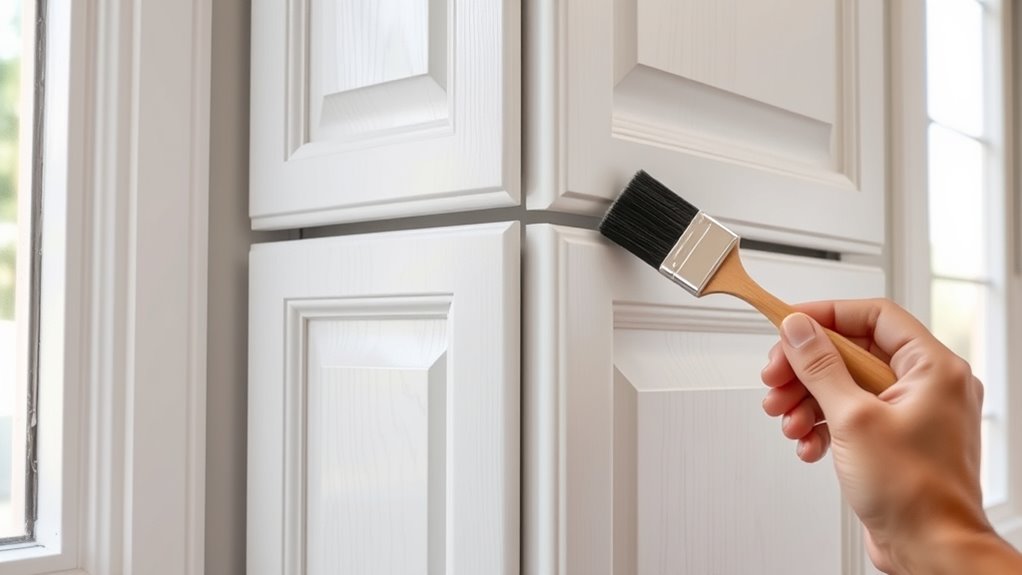
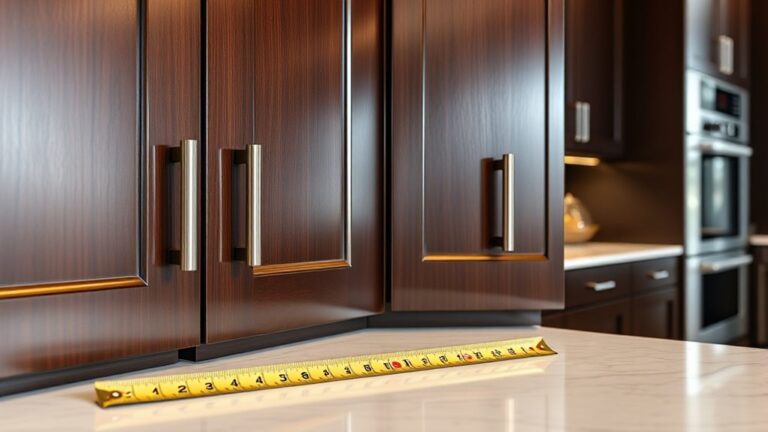
As far as painting your kitchen cabinets is concerned, the size and layout play a big role in the overall cost. Larger cabinets need more paint, time, and effort, which naturally raises labor and material expenses.
If your cabinets are extensive or have many doors and drawers, expect to pay more compared to smaller setups. The layout also impacts how complex the project will be.
Cabinets with intricate designs, multiple corners, or tight spaces require more precision and time, increasing labor costs. If your kitchen has a weird or challenging shape, it can also prolong the process.
What Role Does Cabinet Material Play in Pricing?
Your cabinet material affects both the cost and the work needed to get a smooth, durable finish. Some materials are more expensive and require more surface prep, which can increase your painting expenses.
Understanding these factors helps you budget accurately and choose the right options for your kitchen.
Material Durability and Cost
The material you choose for your kitchen cabinets really impacts both their durability and the overall cost. Hardwoods like oak or maple tend to last longer and resist wear, but they also cost more upfront.
Softwoods such as pine are more affordable but may dent or scratch more easily. That could mean higher maintenance costs over time. Particleboard and MDF are budget-friendly, but they’re less durable and might not handle repeated painting or heavy use well.
Choosing a durable material might cost more at first, but it can save you money later by reducing repairs or replacements. Your choice affects not just the initial painting costs but also how well your cabinets hold up over the years.
Surface Preparation Requirements
Different cabinet materials require different levels of surface prep, which directly affects painting costs. For example, smooth surfaces like laminate or MDF need less prep work but might need special primers to ensure paint sticks well.
Solid wood cabinets, especially those with existing finishes, often need sanding to remove gloss or old paint, which takes more time and labor. Bare or damaged wood may also need filling holes or smoothing rough spots, adding to the overall expense.
Laminates or plastics usually require thorough cleaning and specific adhesion primers to get the best results. The more prep work needed, the higher your overall painting costs will be.
Proper surface prep is key to a durable, professional finish. It also impacts labor hours and the materials used, making it an important part of your total project budget.
How Does Surface Condition Impact Your Painting Budget?
Surface condition plays a big role in your painting budget because it directly impacts how much prep work you’ll need. Damaged or uneven surfaces take more effort, tools, and time, which can drive up costs. If your cabinets have peeling paint, deep scratches, or grime, you’ll need to do extensive cleaning, sanding, or repairs. On the other hand, smooth, well-maintained surfaces can help cut down on prep work and save money.
Think about these factors:
- Peeling or chipping paint means more scraping and sanding
- Deep scratches need filler and sanding
- Grease or grime buildup calls for thorough cleaning
- Warped or swollen wood may need replacing
- Stains or water damage might need special treatment
Fixing surface issues early on helps control costs and ensures a professional-looking finish.
How Do Different Paint Types and Finishes Influence Cost and Durability?
Choosing the right paint type can really impact your project’s overall cost and how long your cabinets last.
Some finishes like high-gloss or semi-gloss tend to be more durable. But they also usually come with a higher price tag.
Knowing the pros and cons helps you pick the best option for your budget and what you’ll need in the long run.
Paint Types and Costs
The type of paint and finish you choose can really affect both your budget and how long your cabinets look good. Different paints come with varying prices, application methods, and durability.
For example, latex paints are usually budget-friendly and easy to clean, making them a popular choice for DIY projects. Oil-based paints are more durable but tend to cost more and take longer to dry.
Acrylic paints strike a good balance between cost and durability, offering versatility and decent longevity. Specialty paints like epoxy or enamel provide extra protection but can increase your costs.
Here’s a quick rundown:
- Latex paint: affordable, easy to clean, quick drying
- Oil-based paint: durable, higher cost, longer drying time
- Acrylic paint: versatile, cost-effective, decent durability
- Enamel paint: high-gloss finish, durable, more expensive
- Epoxy paint: industrial-grade, long-lasting, costly
Your choice will impact not just your initial expenses but also how long your cabinets stay looking fresh.
Finishes and Durability
Different paint types and finishes directly impact both the cost and how long your cabinets will stay looking their best. For example, high-gloss finishes give a sleek, modern look and are easy to clean, but they tend to be more expensive and show imperfections more easily.
Matte or eggshell finishes offer a softer appearance and hide flaws better, usually at a lower cost. Durability varies by finish; semi-gloss and satin paints resist moisture and scratches, making them great for kitchens.
Investing in higher-quality finishes might cost more upfront, but they last longer and need less maintenance. Your choice of finish should balance your aesthetic preferences, durability needs, and your budget for the best long-term value.
What Are the Costs of Custom Finishes and Color Choices?
Have you thought about how custom finishes and color choices can affect your kitchen cabinet painting costs? Choosing unique finishes or bold colors usually means higher expenses.
Custom options often need specialized paints or techniques, which can add to both labor and material costs. For example, premium paints or specialty finishes can be more expensive.
Custom finishes require specialized paints and techniques, increasing both labor and material costs.
You might also need custom color matching or multiple coats to get vibrant, consistent colors. Textured or decorative finishes and unique staining or glazing techniques can also increase the price.
These choices can extend your project timeline, which might mean higher labor fees. While standard colors and finishes are usually included in basic packages, custom selections typically come with extra charges.
If you want a specific look that makes your kitchen stand out, be prepared to pay a premium. It’s a good idea to weigh your design goals against your budget to avoid surprises down the line.
How Do Preparation and Repair Work Affect Overall Expenses?
Preparation and repair work can have a big impact on your overall painting costs, especially if your cabinets have existing damage or wear. If you need to sand rough surfaces, remove old paint, or fix chipped areas, those tasks will add to your expenses.
Repairing damaged cabinet frames or replacing broken hardware also increases costs. Skipping proper prep can lead to poor paint adhesion, which might mean you have to redo the job later. Professionals often charge extra for these services, raising your total bill.
On the flip side, thorough prep work ensures a smooth finish and longer-lasting results. This can save you money over time by avoiding costly touch-ups or repainting down the line. Investing in prep and repairs upfront helps prevent bigger expenses down the road.
DIY vs. Professional Painting: Which Costs More?
Is choosing to DIY or hire a professional ultimately more expensive? It depends on your skills, tools, and time.
DIY can save money upfront, but costs add up with supplies, brushes, and potential mistakes.
Hiring a professional usually costs more initially, but includes labor, expertise, and quality finishes.
Consider these factors: DIY might save on labor but risk costly errors. Professionals bring experience, reducing rework.
DIY supplies can be cheaper but may need replacements. Professionals often use higher-quality materials.
Time investment is higher for DIY projects. Ultimately, if you have experience and time, DIY could be cheaper.
But if you value quality and efficiency, hiring a pro might be more cost-effective in the long run.
Weigh these factors based on your skills and project scope.
What Additional Services and Features Can Increase Your Cabinet Painting Price?
While deciding between DIY and hiring a professional can influence your overall costs, adding extra services or features to your cabinet painting project can significantly increase the final price. These enhancements might include premium finishes, hardware updates, or detailed prep work.
For example, choosing a high-gloss or specialty paint can raise costs because of the specialized materials involved. Replacing or refinishing knobs and handles can also add to the overall expense. Additional services like sanding, priming, or applying multiple coats will also increase the total cost.
Here’s a quick overview:
| Service or Feature | Impact on Cost |
|---|---|
| Premium Finish | Higher due to specialty materials |
| Hardware Replacement | Increases material and labor costs |
| Extra Prep Work | Adds more labor hours |
| Multiple Coats | Raises material and time expenses |
Keep in mind, these features can really bump up your project budget.
Frequently Asked Questions
How Does the Geographic Location Impact Cabinet Painting Costs?
Your geographic location affects cabinet painting costs because prices vary based on local labor rates and material expenses. In urban or high-cost areas, you’ll usually pay more for skilled labor and quality paints.
On the other hand, rural or lower-cost regions tend to have more affordable rates. Accessibility and local demand can also influence prices.
Are There Seasonal Factors That Influence Painting Prices?
Seasonal shifts greatly influence your cabinet painting costs. During busy spring and summer, painters struggle to keep up, which can drive prices higher as demand increases.
On the flip side, in slower winter months, painters are often more available and might offer discounts to fill their schedules.
You might save money during the off-season, but keep in mind that weather delays and shorter daylight hours can cause project pauses.
Planning your painting project around seasonal trends can help you get better prices and quality work.
What Is the Typical Timeline for Cabinet Painting Projects?
A typical cabinet painting project takes about 3 to 7 days. You’ll start with cleaning and prep, which usually takes a day.
Then, sanding and priming can take another 1 to 2 days. Finally, applying the paint and letting it dry can take 1 to 3 days.
Things like the size of your cabinets, the type of paint you choose, and how long it takes to dry can affect the schedule. So, it’s good to plan ahead for a smooth process.
How Do Warranty and Insurance Affect Overall Costs?
Think of warranty and insurance as your safety net. They might seem like extra costs, but they actually protect your investment.
When you choose a painter with good warranty coverage, you avoid unexpected expenses if issues come up later. Insurance adds to the upfront cost but shields you from liability if accidents happen during the job.
Ultimately, these protections can save you money and stress in the long run. They make your investment much more secure.
What Are the Financing Options Available for Cabinet Remodeling?
You can explore different financing options for cabinet remodeling, like home equity loans, personal loans, credit cards, or special home improvement programs.
Many contractors or lenders also offer installment plans or zero-interest financing for qualified applicants.
It’s a good idea to compare interest rates, repayment terms, and eligibility requirements to find what works best for you.
Securing financing upfront makes it easier to plan your budget and start your project without delays.
Conclusion
Understanding these eight factors helps you budget wisely for your kitchen cabinet project. Did you know that professional painters can charge anywhere from $1,200 to $4,000 depending on your cabinets’ size and finish choices?
By considering material, surface condition, and additional services, you can make informed decisions that balance cost and quality. Planning ahead ensures your investment results in beautiful, durable cabinets that boost your kitchen’s look and value.
Knowing what affects the cost helps you get the best results without surprises. When you understand these factors, you can choose options that fit your budget and style.