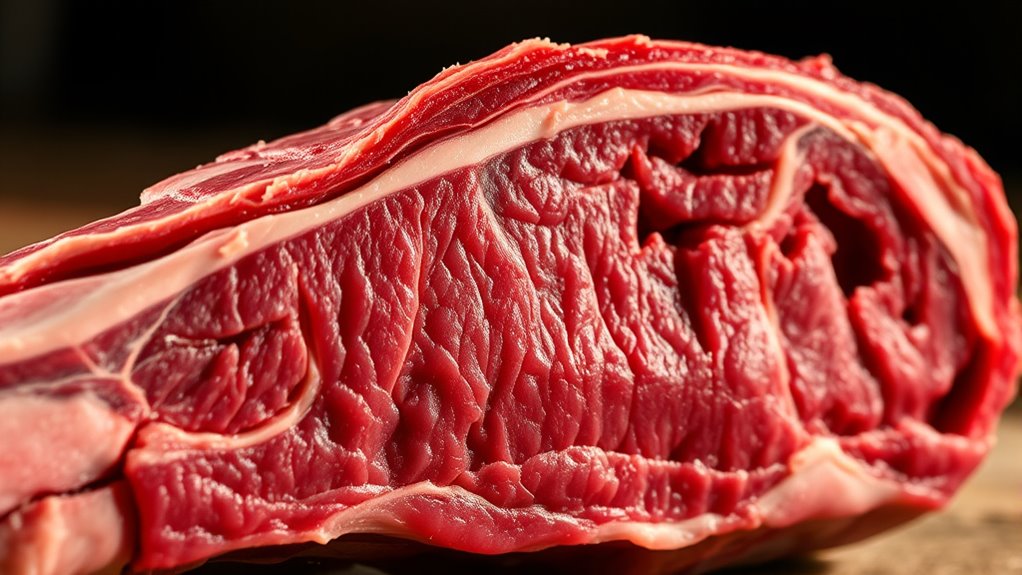
What Part of the Cow Is the Beef Shank?
Are you tired of buying cuts of beef that turn out tough and flavorless? You’re not alone—many home cooks struggle to make the most of less tender cuts.
But with the right approach, even tougher beef can become mouthwatering and tender.
Beef shank comes from the lower leg of the cow, just below the knee joint. It’s found on both the front and rear legs, where it’s a heavily exercised muscle with lots of connective tissue and collagen.
This makes the cut tough but full of flavor when cooked slowly. If you want to explore how to turn this tough cut into a tender, flavorful dish, there’s plenty more to learn ahead.
Key Takeaways
- Beef shank is located on the lower leg of the cow, just below the knee joint.
- It can come from either the front (fore shank) or the rear (hind shank) of the cow.
The shank contains a lot of connective tissue and collagen, which makes it a tougher cut.
It’s a heavily exercised muscle, contributing to its dense texture.
When cooked slowly and properly, beef shank offers a rich, beefy flavor.
What Part of the Cow Is the Beef Shank?
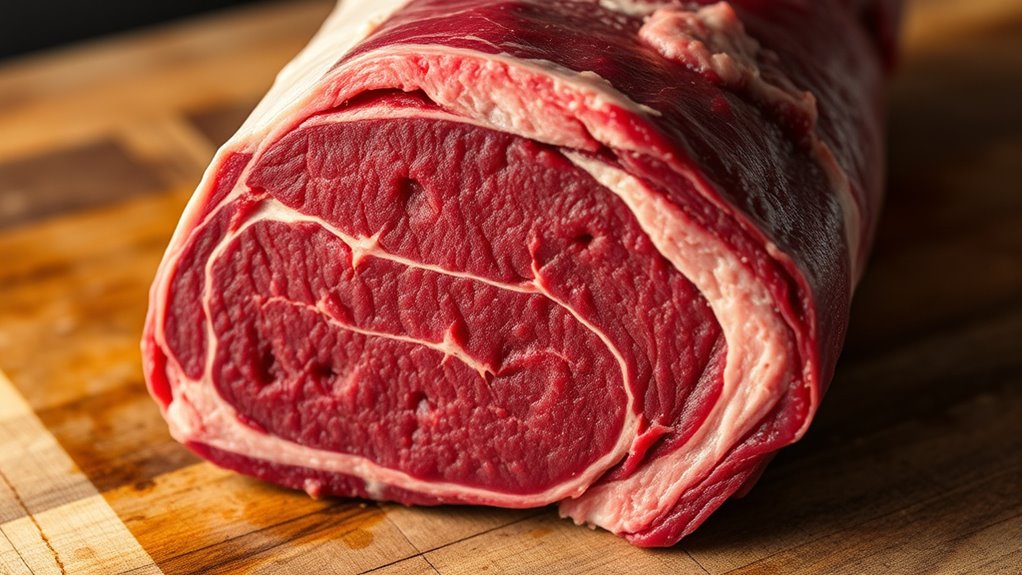
Ever wonder which part of the cow provides the beef shank? You’ll find it on the lower leg, just below the knee. This cut comes from either the front or rear shank, depending on the animal.
The beef shank is a heavily exercised muscle, which makes it quite tough. Its location means it has a lot of connective tissue and collagen, giving it a fibrous texture.
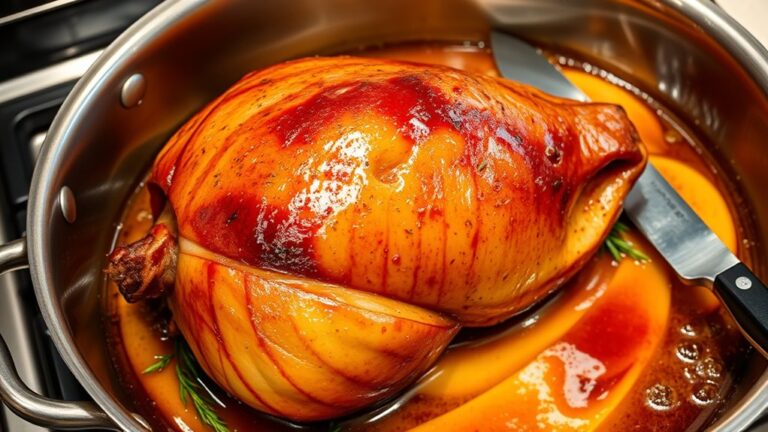
Despite being tough, this cut is prized for its rich, beefy flavor. When cooked slowly, the collagen melts, turning the meat into tender, flavorful goodness.
You’ll often see beef shank used in stews, soups, and braised dishes. Slow cooking helps break down the fibers and brings out its full, savory potential.
Where Does Beef Shank Come From on the Cow?
The beef shank comes from the lower leg of the cow, just below the knee joint in both the front and rear legs. This part has a lot of connective tissue, making it tough but flavorful when cooked properly.
Beef shank comes from the cow’s lower legs, rich in connective tissue and flavor when slow-cooked.
Here are three key points to know:
- Location: It’s found on the lower part of the cow’s legs, above the hooves.
- Muscle Type: It’s made up of muscles that do a lot of work, which is why it’s dense and marrow-rich.
- Cooking Tips: Slow cooking methods like braising break down the tough fibers, resulting in tender, savory meat.
Knowing where it comes from helps you appreciate its rich flavor and the best ways to cook it.
What Are the Differences Between Front and Hind Shank?
While both front and hind shanks come from the lower legs of the cow, they have distinct differences in structure and flavor. The front shank, from the cow’s front leg, tends to be slightly larger and contains more connective tissue, making it tougher but flavorful. It often has more marbling and a richer beefy taste.
The hind shank, from the back leg, is leaner and has denser muscle fibers, resulting in a firmer texture. It’s also slightly smaller but still packed with flavor. Because of these differences, you’ll find the front shank better suited for slow, moist cooking methods like braising.
The hind shank, with its denser meat, works well in stews and slow-cooked dishes. Both cuts benefit from long, gentle cooking to break down connective tissues.
How Cow Anatomy Affects the Flavor and Texture of Beef Shank
Your beef shank’s flavor and texture are shaped by the cow’s anatomy, especially its muscle composition and marbling. The amount of connective tissue and collagen influences how tender the meat becomes during cooking.
Moreover, the presence of bones adds richness and affects the overall mouthfeel of the dish. These anatomical factors really play a big role in the final taste and texture of your beef.
Muscle Composition and Marbling
Muscle composition and marbling play an essential role in shaping the flavor and texture of beef shank. The muscle fibers in this cut are dense and tough, so slow cooking is necessary to break down fibers and tenderize the meat.
Marbling, or the intramuscular fat, improves flavor and juiciness, making the beef richer and more succulent. Here’s what impacts the beef shank’s qualities:
- Muscle Type: The shank contains mainly slow-twitch muscle fibers, which are perfect for braising or stewing.
- Fat Distribution: Marbling varies, affecting how moist and flavorful your cooked meat will be.
- Connective Tissue: While not the focus now, it works with muscle composition to influence tenderness after cooking.
Understanding these factors helps you pick the best preparation method for tender, flavorful beef shank.
Connective Tissue Content
Connective tissue is a key factor that influences the texture and flavor of beef shank. This tissue, mainly composed of collagen, surrounds muscles and joints, giving the meat its toughness.
Because the shank is a heavily used muscle, it contains a high amount of connective tissue. When cooked slowly, collagen breaks down into gelatin, making the meat tender and adding richness to the flavor.
If you cook it too quickly, however, the connective tissue remains intact, resulting in a chewy texture. The amount and type of connective tissue in beef shank contribute considerably to its distinctive taste and mouthfeel.
Proper preparation, like braising or slow roasting, is essential to transform this tough tissue into a flavorful, tender dish.
Bone and Collagen Presence
The presence of bones and collagen in beef shank really affects its flavor and texture. The bone adds richness and depth, releasing marrow and minerals as it cooks.
Collagen breaks down into gelatin, which makes the meat tender and melts in your mouth. Here are three main effects:
- Enhanced Flavor: Bones add minerals and marrow, giving the beef a more intense taste.
- Tender Texture: Collagen turns into gelatin, making the meat juicy and soft when slow-cooked.
- Richness and Juiciness: The marrow and gelatin combine to create a hearty, succulent dish.
Knowing how these parts work together helps you understand why beef shank benefits from slow, moist cooking to unlock its full flavor and tender texture.
Why Is Beef Shank Tough, and How Can You Cook It Tender?
Although beef shank is flavorful and inexpensive, it often comes out tough if not cooked properly. Its toughness mainly comes from dense connective tissue and collagen, which need time to break down.
If you cook it quickly or at too high a temperature, the muscle fibers stay firm and chewy. To get tender beef shank, you’ll need to cook it slowly over low heat, giving the collagen time to melt into rich, gelatinous goodness.
Moist heat methods like braising or slow cooking work best to break down those tough fibers effectively. Resting the meat after cooking also helps it retain moisture and stay tender.
With enough time and gentle heat, you’ll turn this tough cut into melt-in-your-mouth goodness.
Top Cooking Methods for Beef Shank: Braising, Stewing, and More
To get tender beef shank, moist heat methods like braising or stewing are key because they break down tough connective tissues. These techniques make the meat melt-in-your-mouth tender and flavorful.
You can also try slow cooking or using a pressure cooker for quicker results. These methods are great for achieving that perfect tenderness with less fuss.
Here are the top methods to consider:
Braising: Brown the meat first, then cook it slowly in liquid at low temperatures for several hours.
Stewing: Cut the beef shank into chunks and simmer in flavorful broth until tender.
Slow Cooking: Use a slow cooker for a hands-off approach, letting the meat cook gently over hours.
These techniques maximize tenderness and flavor, making your beef shank dishes truly delicious.
How to Identify Fresh and High-Quality Beef Shank at the Market
When choosing beef shank, look for a bright red color with good marbling for better flavor and tenderness.
Feel the meat— it should be firm but not hard, which indicates it’s fresh.
Also, check the smell; it should be clean and meaty, not sour or off-putting.
Color and Marbling
A fresh, high-quality beef shank should have a bright, cherry-red color with a slight sheen. This shows the meat is fresh and has been handled properly.
Look for marbling—thin streaks of fat within the muscle—because it adds flavor and keeps the meat moist. Good marbling is a sign of tenderness and quality.
To identify top-quality beef shank, check a few key things: the color, the marbling, and the surface. The meat should be bright red with no brown or gray patches, which indicates freshness.
Fine, evenly distributed streaks of fat suggest good flavor and tenderness. The surface should be moist but not slimy or sticky, as that can mean spoilage.
Texture and Firmness
The texture and firmness of beef shank are key indicators of its freshness and quality. When you pick up the meat, it should feel firm but not hard, with a slight bounce when pressed.
Fresh beef shank has a smooth surface with some natural grain, not overly sticky or slimy. To visualize, consider this table:
| Texture | Firmness |
|---|---|
| Slightly moist, smooth surface | Resilient, springs back when pressed |
| Not sticky or slimy | Not overly soft or mushy |
| Fine grain visible | Consistent, even pressure response |
| No excessive liquid or slime | Firm but yielding under pressure |
Use these cues to guarantee you select high-quality, fresh beef shank at the market.
Odor and Freshness
To spot fresh and high-quality beef shank at the market, pay close attention to its odor. Fresh beef should smell clean and slightly metallic, with no sour or off-putting scents. If it has a strong, unpleasant smell, it’s probably past its prime.
Here are three quick tips to check for freshness:
- Smell Test: It should smell neutral or mildly beefy. Avoid any sour or rancid odors.
- Color Check: Look for a bright, deep red color. Dull or brownish hues mean it’s aging.
- Surface Moisture: The meat should be moist but not slimy or sticky, which indicates spoilage.
Popular Dishes Made With Beef Shank and Why They Work
Beef shank shines in hearty, slow-cooked dishes where its rich, gelatinous texture creates deep, satisfying flavors. You’ll often find it in stews, braises, and ossobuco, where long cooking times break down connective tissues, turning tough cuts tender and flavorful.
In beef stew, the shank’s marrow and collagen melt into the broth, enriching the dish with a velvety mouthfeel. Osso buco uses cross-cut shanks, allowing the marrow to be scooped out as a delicacy.
These dishes work because slow cooking transforms tough, sinewy meat into tender bites packed with savory goodness. The resulting flavors are robust, and the meat stays moist and juicy.
That’s what makes beef shank a favorite for comforting, soul-warming meals.
Nutritional Benefits of Beef Shank
Beef shank packs a significant amount of protein, helping you build and repair muscles effectively. Its high collagen levels support healthy skin and strengthen connective tissues.
Plus, eating it can promote better joint health, making it a nutritious choice for overall well-being.
Rich Protein Content
Rich in high-quality protein, beef shank is a great choice for supporting muscle growth and repair. Protein is essential for keeping your body strong and healthy, making beef shank a nutritious option.
Its dense protein content helps keep you full longer, which can aid in weight management. Plus, the amino acids in beef shank are crucial for tissue repair and immune function.
Here’s what makes it stand out:
- High Protein Density: One serving provides a significant part of your daily protein needs.
- Complete Amino Acid Profile: It contains all the essential amino acids your body can’t produce on its own.
- Supports Recovery: Perfect for post-workout meals, helping with muscle recovery and growth.
Incorporating beef shank into your diet boosts your protein intake naturally and deliciously.
High Collagen Levels
Ever wonder why beef shank is prized for more than just its flavor? It’s because of its high collagen content. Collagen is a protein that provides structure to connective tissues, and beef shank is packed with it.
When you cook it slowly, the collagen breaks down into gelatin, giving your dishes a rich, silky texture. This gelatin not only improves the mouthfeel but also boosts the nutritional value.
Eating foods rich in collagen can support your skin’s elasticity, hair health, and gut lining. So, when you enjoy beef shank, you’re also nourishing your body with this essential protein.
Its high collagen levels make it a standout choice for hearty, flavorful, and healthful meals.
Supports Joint Health
The abundant collagen in beef shank plays a key role in supporting joint health. Collagen helps maintain the integrity of cartilage, which cushions your joints and reduces pain during movement. Eating beef shank regularly can help make your joints stronger and more flexible over time.
Here are three ways it benefits you:
- Reduces joint pain – Collagen intake may decrease discomfort caused by worn cartilage.
- Supports cartilage repair – The nutrients in beef shank help regenerate damaged tissues.
- Enhances mobility – Stronger joints lead to improved range of motion and less stiffness.
Tips for Preparing and Cooking Beef Shank for Maximum Flavor
To reveal the full flavor potential of beef shank, start by selecting a well-marbled piece. This helps keep the meat tender and juicy during cooking. Slow braising is your best option because it breaks down connective tissues for rich flavor.
Before cooking, season the meat generously with salt and pepper. You can also marinate it with herbs or wine for added depth. Use a heavy pot or Dutch oven, and cook on low heat for 2-3 hours.
Keep an eye on the moisture level, adding broth or water if needed. This prevents dryness and boosts flavor. Incorporate aromatics like garlic and herbs to add depth and complexity to the dish.
Alternatives to Beef Shank for Similar Flavors and Uses
If you’re looking for alternatives to beef shank that deliver similar rich flavors and are great for slow cooking, several cuts can stand in effectively. These options mimic the tenderness and depth of flavor you get from beef shank.
- Oxtail. Known for its gelatinous texture, oxtail becomes melt-in-your-mouth tender with slow cooking. It’s perfect for stews and braises.
- Chuck Roast. This versatile cut has connective tissue that breaks down during slow cooking, giving you rich flavor and moisture.
- Beef Short Ribs. Their marbling and bone-in structure make them ideal for long, gentle cooking. The result is flavorful, tender meat.
These cuts offer similar robustness and work well in hearty dishes that require slow, low heat.
FAQs About Beef Shank: Everything You Need to Know
Beef shank is a popular cut known for its rich flavor and tenderness when cooked properly, but many people have questions about how to best prepare and use it. You might wonder whether it’s best for stews, braises, or roasting. The answer is, it’s incredibly versatile for slow-cooking methods that break down connective tissue, making it tender and flavorful.
You’ll want to cook it low and slow to maximize tenderness. Some common questions include how to select quality shank, how long to cook it, and what flavors pair well. Yes, it contains marrow, which adds richness.
You can use it in soups, braises, or even grind it for flavorful ground beef. Properly cooked, beef shank delivers a hearty, savory experience that’s worth the effort.
Frequently Asked Questions
Can Beef Shank Be Substituted With Other Cuts in Recipes?
Yes, you can substitute beef shank with cuts like beef chuck, brisket, or round. These cuts are also tough and benefit from slow cooking methods, which break down connective tissues and tenderize the meat.
Keep in mind, the flavor and texture might differ slightly, but they can work well in stews, soups, and braised dishes. Adjust cooking times accordingly to get the best results.
How Long Does It Take to Cook Beef Shank Properly?
Cooking beef shank properly takes about 2.5 to 3 hours for braising or slow-cooking. This ensures it becomes tender enough to melt in your mouth, like a well-worn novel revealing its secrets.
You should simmer it gently until the meat falls off the bone, absorbing flavors over time. Patience is key—rushing will leave you with tough, chewy results.
Trust the process, and you’ll enjoy rich, succulent meat.
Is Beef Shank Suitable for Making Jerky?
Yes, beef shank is suitable for making jerky because it has a good amount of connective tissue and lean meat. When sliced thin and dried properly, it creates flavorful, tender jerky.
You’ll want to remove excess fat and marinate it to boost the flavor. Since shank is tougher, slicing it thin helps ensure even drying.
Just be patient with the drying process to get the best texture.
What Are Common Seasoning Options for Beef Shank Dishes?
You can season beef shank with a variety of flavors to enhance its rich, meaty taste. Popular options include salt, black pepper, garlic, and onion powder for a simple, savory profile.
For a smoky touch, add paprika or smoked paprika. You might also experiment with herbs like thyme or rosemary, and consider marinades with soy sauce, Worcestershire, or red wine for extra depth.
These seasonings help tenderize and flavor the meat beautifully.
How Does Aging Affect the Flavor of Beef Shank?
Like a trusty knight in shining armor, aging beef shank improves its flavor and tenderness. When you let it age, either dry or wet, the meat’s enzymes break down connective tissues and intensify rich, beefy flavors.
This process also tenderizes the meat, making it more enjoyable. So if you want a more flavorful and tender dish, give your beef shank some time to age. It’s definitely worth the wait.
Conclusion
Knowing where beef shank comes from helps you appreciate its rich flavor and hearty texture. It actually comes from the lower leg of the cow, just above the knee.
Despite being tough, it benefits from slow cooking, making it a favorite for stews and braises. Did you know that beef shank is packed with about 22 grams of protein per serving?
With proper preparation, you’ll enjoy tender, flavorful dishes that are both nutritious and satisfying. So next time, give this cut the time it deserves. You’ll taste the difference with beef shank!