Top 7 Best Water Softener Salts for 2026
Are you tired of dealing with hard water stains, soap scum, and mineral buildup that make your home chores a hassle? You’re not alone—many people struggle with choosing the right water softener salts to keep their systems running smoothly.
If you’re searching for the top water softener salts for 2026, you’ll find options like evaporated, solar, rock, and potassium chloride, each with pros and cons.
You should consider your water hardness, system compatibility, eco-friendliness, and budget. High-purity salts tend to perform better and require less maintenance.
Stay tuned—there’s more to uncover about selecting, storing, and maintaining the best salt for your system to keep your water soft and your system running smoothly.
Key Takeaways
- Consider the type of salt you’re using, whether it’s solar, evaporated, rock, or potassium chloride. Think about their efficiency, cost, and how eco-friendly they are.
- Check your water hardness levels to pick the most effective salt for your softening system. This way, you can avoid using more than you need.
- Go for high-purity salts to help prevent clogging and reduce maintenance. It makes your system run smoother and last longer.
- When choosing the best water softener salt, try to balance cost, performance, and environmental impact. Finding the right mix is key.
- Make sure to store, use, and maintain your salt properly. Doing so will keep your system working well and extend its lifespan.
Key Factors to Consider When Choosing Water Softener Salt
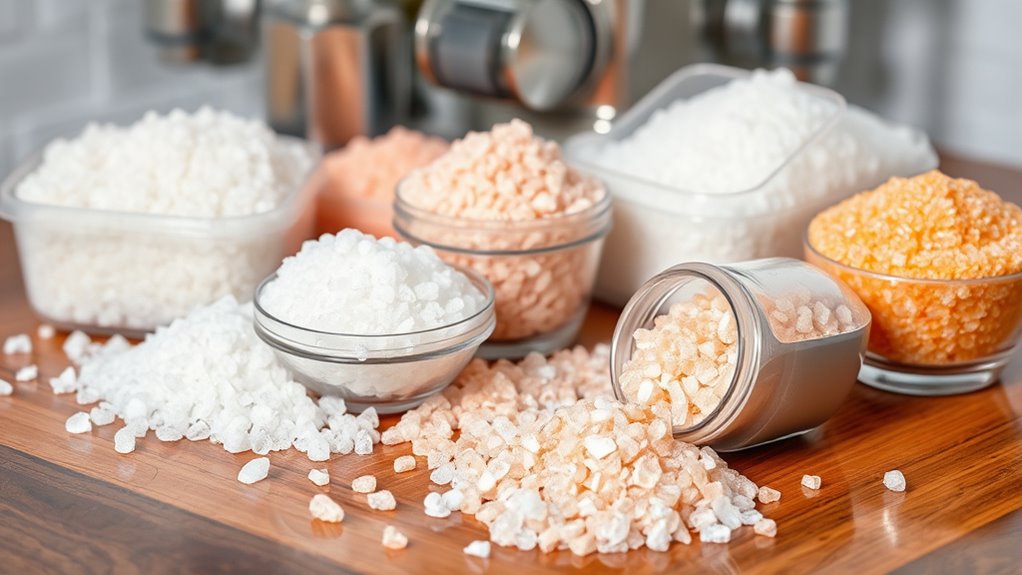
Wondering what factors should influence your choice of water softener salt? First, consider the type of salt—solar, rock, or evaporated—as each affects efficiency and cost.
Solar salt is more affordable but dissolves slowly, while evaporated salt offers higher purity for better performance. Next, think about your water hardness level; harder water needs more effective salt options.
Compatibility with your softening system is important, so check what the manufacturer recommends. Also, evaluate the purity of the salt; higher purity reduces the risk of clogging and buildup.
Finally, consider the environmental impact and safety. Whenever possible, choose eco-friendly options. By weighing these factors, you’ll find a salt that maximizes efficiency, protects your system, and fits your budget.
Top Water Softener Salt Types for 2026: Pros and Cons
Choosing the right water softener salt can greatly impact your system’s performance and maintenance needs. Salt types vary, each with advantages and drawbacks.
Solar salt, made from evaporated seawater, is inexpensive and eco-friendly. But it can leave behind more residue and may require more frequent cleaning.
Evaporated salt, which is highly purified, dissolves easily and minimizes buildup. It’s ideal for maintaining your system, though it’s often more expensive.
Rock salt is budget-friendly but contains impurities that could clog your system more often. That might mean more cleaning and upkeep.
Finally, potassium chloride offers a chemical alternative to sodium. It’s good for those on a low-sodium diet but is generally costlier and less effective at removing calcium and magnesium.
Your choice depends on your system’s needs and your priorities.
How to Pick the Right Water Softener Salt for Your Home
Determining the right water softener salt for your home depends on understanding your system’s specific needs and your priorities.
Think about factors like salt type, water hardness, and environmental impact. For example, if you want minimal maintenance, high-purity salts are a good choice.
If eco-friendliness matters to you, go for less processed options. Here’s a quick guide to help you decide:
| Salt Type | Best For | Environmental Impact |
|---|---|---|
| Solar Salt | Cost-effective, regular use | Moderate |
| Evaporated Salt | High efficiency, less residue | Slightly higher processing |
| Rock Salt | Budget-friendly, coarse | Less eco-friendly |
| Potassium Salt | Low sodium, health concerns | Eco-friendly |
| Crystal Salt | Easy to handle, uniform size | Moderate |
Choose the salt based on your system’s needs and what matters most—health, cost, or eco-friendliness.
Comparing Costs, Effectiveness, and Eco-Friendliness of Water Softener Salts
When comparing water softener salts, it’s important to evaluate their cost, how well they soften water, and their environmental impact. These factors directly affect your ongoing expenses and ecological footprint.
Cost varies widely. Some salts are affordable but may sacrifice effectiveness or eco-friendliness. High-efficiency salts tend to soften water better and last longer, which can reduce your overall costs.
Eco-friendly options, like solar or biodegradable salts, help minimize environmental harm but can sometimes be more expensive. You should consider balancing upfront costs with long-term performance and sustainability.
Cheaper salts might save you money initially but can lead to more frequent replacements or maintenance. Choosing a salt that offers good value, strong performance, and eco-conscious features ensures you get the best results without harming the environment.
Storing and Using Water Softener Salt Properly
To get the most out of your water softener salt, store it properly in a dry, covered area. This helps prevent clumping and contamination.
Make sure you’re using the right amount of salt and fill your tank regularly. This keeps your softening system working smoothly.
Following these simple practices helps ensure your system runs efficiently and lasts longer.
Proper Storage Techniques
Proper storage of water softener salt is essential to guarantee its effectiveness and longevity. When stored correctly, the salt stays dry, prevents clumping, and works efficiently when needed. Keep your salt in a cool, dry place away from moisture and humidity, which can cause it to dissolve or turn into a hard block.
Use a sealed container or cover the bag tightly to avoid exposure to moisture. Avoid storing salt directly on the ground—use a shelf or pallet to prevent exposure to water or dirt. Regularly check your storage area for any signs of dampness or leaks.
Proper storage assures you always have clean, effective salt ready for your water softener, extending its lifespan and maintaining peak performance. Use airtight containers or sealed bags, store in a cool, dry, and well-ventilated area, and keep off the ground on shelves or pallets.
Check regularly for moisture or leaks to keep your salt in the best condition.
Effective Usage Practices
Storing your water softener salt correctly sets the stage for its effective use and long-term performance. Keep the salt in a dry, well-ventilated area to prevent clumping and problems with dissolution.
Avoid exposing the salt to moisture, which can turn it into a hard block that’s tough to use. When refilling, use a scoop or container to prevent spills and contamination.
Don’t overfill the hopper—leave some space for expansion as the salt dissolves. Regularly check your salt levels and clean the brine tank to prevent buildup and keep your system working well.
Using the right amount of salt is crucial; too little can lead to hard water, while too much wastes resources. Proper storage and measured use help your system run smoothly and last longer.
Troubleshooting Common Water Softener Salt Issues
One common issue with water softeners is salt bridging, where a hard crust forms inside the tank, preventing salt from dissolving properly. This can cause regeneration problems and reduce softening efficiency. To fix it, carefully break up the crust with a broom handle or similar tool.
Make sure you’re using the right type of salt, as some can be more prone to bridging. Keep the salt level consistent—don’t let it get too low or too high. Avoid overfilling the tank, which can contribute to bridging.
Regular cleaning of the tank helps prevent buildup. Use high-quality salts to minimize bridging risks. Check for salt buildup often and break it up when needed. Maintaining proper salt levels is key to keeping your water softener working at its best.
FAQs About Water Softener Salt in 2026
You probably have questions about choosing the right salt type, how to use it properly, and keeping your softener in good shape. Understanding these points can help you get the best results and extend your system’s lifespan.
Let’s explore the most common FAQs to make water softening easier for you.
Best Salt Types
Choosing the right type of salt for your water softener can make a big difference in how well it works and how long it lasts. Not all salts are the same, so picking the best one depends on your needs and your softener model.
Solar salt is budget-friendly and eco-friendly, making it a popular choice for many systems.
Evaporated salt pellets are very pure, which helps reduce mineral buildup.
Rock salt is inexpensive but contains impurities that might cause clogging.
Block salt is easy to handle but dissolves slowly, so it’s best for specific softeners.
Knowing these options can help you choose a salt that improves efficiency, reduces maintenance, and extends your system’s life. Always check your softener’s manufacturer recommendations before making a decision.
Usage and Maintenance
Selecting the right type of salt is just the first step; proper usage and maintenance guarantee your water softener runs efficiently and lasts longer. Regularly check the salt level and refill it before it runs out to prevent salt bridges or mushing, which can hinder performance.
Always use the recommended salt type for your unit because incompatible salts may cause clogs or damage. Clean the brine tank periodically, at least once a year, to remove any buildup or debris.
Run a regeneration cycle as needed, based on your water hardness level and usage. Keep an eye on the salt’s quality since low-quality salt can cause clogs and reduce efficiency.
Proper maintenance extends your softener’s lifespan and ensures you always have soft, clean water.
Frequently Asked Questions
How Often Should I Replace My Water Softener Salt?
You should replace your water softener salt when the salt level drops below the brine well or the level indicator shows it’s low.
Usually, you’ll need to refill every 4 to 6 weeks, but it really depends on how much water you use and how hard your water is.
Make sure to check the salt level regularly to prevent salt bridges or clogs.
Doing this helps your softener work efficiently and can also help it last longer.
Is There a Difference Between Solar and Rock Salt?
Think of solar and rock salt like different types of stones in a jewelry box. They serve the same purpose but look and behave differently.
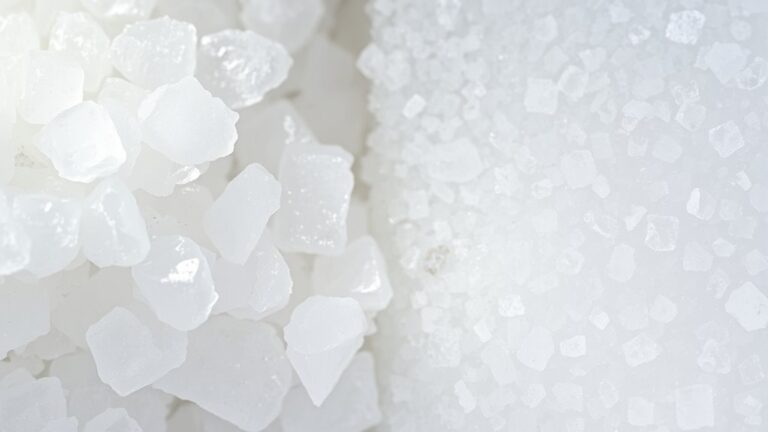
Solar salt is processed with sunlight, which makes it pure, crystalline grains that dissolve quickly and are less likely to clog your system.
Rock salt is mined naturally and often contains impurities and larger chunks. It may need more frequent refilling and cleaning.
Can Water Softener Salt Cause Skin or Allergy Issues?
Yes, water softener salt can cause skin or allergy issues if you’re sensitive to its ingredients. Some people might experience skin irritation or dryness after contact, especially with prolonged exposure.
If you notice itching, redness, or allergy symptoms, consider switching to a different type of salt or reducing handling. Always rinse your skin thoroughly if it comes into contact with softened water.
And if symptoms persist, it’s a good idea to consult a healthcare professional.
What Are Signs My Water Softener Needs Maintenance?
When your water softener acts up, it’s a sign you need to give it a health check.
If you notice reduced water flow, increased soap scum, or your dishes aren’t as sparkling, it’s time for maintenance.
You might also smell a foul odor or see salt bridging inside the tank.
Don’t let small problems snowball. Regular upkeep keeps your system running smoothly and your water soft.
How Does Water Hardness Affect Salt Consumption?
Water hardness directly impacts your salt consumption because harder water requires more salt to effectively regenerate the softener. When your water has high mineral levels, your system needs extra salt to remove calcium and magnesium ions.
Conversely, softer water uses less salt, making your system more efficient. By monitoring your water’s hardness, you can adjust your salt usage, saving money and ensuring your softener works well.
Conclusion
Choosing the right water softener salt is like planting seeds in fertile soil—you’ll nurture a home free of mineral buildup and hard water troubles.
By understanding your options and keeping your system well-maintained, you’ll enjoy water that flows as smoothly as a gentle stream.
With the right salt, you’re watering your home’s foundation, ensuring it remains strong, resilient, and sparkling clean for years to come.