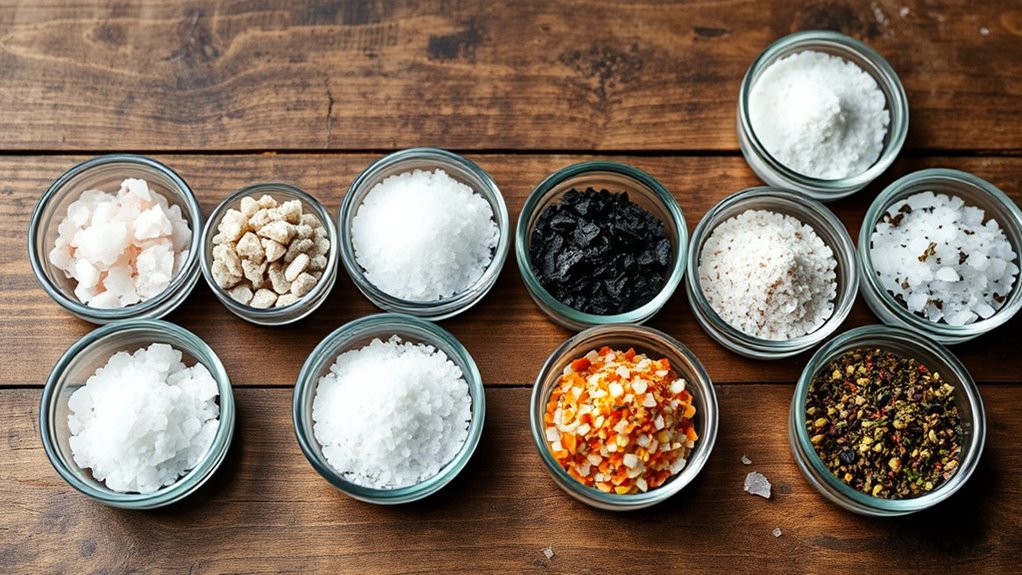
Best 8 Salts for Baking You Should Use
Are you tired of your baked goods falling flat or lacking that perfect flavor? You’re not alone—many baking enthusiasts struggle with choosing the right salt to elevate their creations.
The good news is, using the right types of salts can make a huge difference. For the best baking results, you should use a mix of salts like fine table salt for consistency, sea salt to improve natural flavors, and flaky finishing salts for texture.
Himalayan pink salt and Fleur de Sel add visual appeal and subtle complexity, while smoked salts bring a unique smoky aroma.
Proper storage and precise measurement are key. Keep exploring to find out how each type can raise your baked creations even further.
Key Takeaways
- Use refined, food-grade salts with high purity for consistent flavor and chemical reactions in baking. This helps ensure your baked goods turn out just right every time.
- Incorporate sea salts or specialty salts like Himalayan pink salt for extra flavor and visual appeal. They add a touch of elegance and a subtle complexity to your baked treats.
- Choose fine salts for baking and coarser salts for finishing toppings. This adds texture and a burst of flavor that makes your baked goods stand out.
- Store salts in airtight, moisture-free containers to keep them fresh and prevent clumping. Proper storage makes a big difference in maintaining quality.
- Add salt early in the mixing process to enhance flavor development and improve the overall quality of your baked goods. It really makes a difference in the final taste.
What Makes a Salt Ideal for Baking? Key Qualities to Know
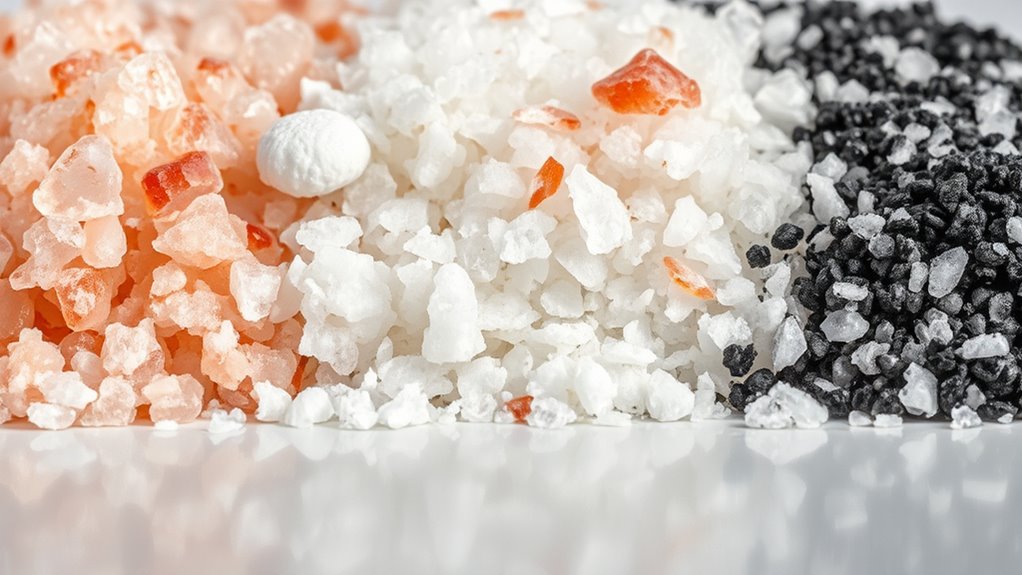
When choosing salt for baking, focus on its purity and texture. Pure salt has minimal impurities, so it won’t affect the flavor or the chemical reactions in your baked goods.
Fine-textured salts dissolve quickly and evenly, which is key for consistent results. Coarser salts add a crunch or burst of flavor when sprinkled on top but may not incorporate well into dough.
Look for salts labeled as food-grade and free from additives, anti-caking agents, or chemicals. These can alter the taste or texture of your baked goods.
The quality of salt directly impacts the flavor, texture, and appearance of your final product. Prioritizing purity and the right texture helps you achieve the best, most reliable results.
How Does Table Salt Compare to Other Types of Salt?
Table salt is highly refined, so it has fewer minerals and a purer taste compared to less processed salts.
You’ll notice flavor and texture differences when you use sea salt or Himalayan salt, which contain more minerals and have a coarser feel.
These variations can influence both the taste and appearance of your baked goods.
Purity and Mineral Content
While table salt is highly refined for purity, other types of salt often contain a variety of trace minerals that can influence flavor and nutritional value. These minerals, such as magnesium, calcium, and potassium, are naturally present in unrefined or minimally processed salts like sea salt and Himalayan pink salt.
These minerals can add subtle complexity to your baked goods, enhancing their depth of flavor. However, these trace elements also mean that non-table salts may vary slightly in mineral content from batch to batch.
If you prefer consistency and purity for precise baking, refined table salt is your best choice. Conversely, if you value mineral diversity and natural origins, exploring less processed salts can bring unique qualities to your recipes.
Flavor and Texture Differences
Different types of salt bring unique flavor profiles and textures to your baked goods, affecting both taste and mouthfeel.
Table salt has a clean, straightforward flavor and provides consistent seasoning without changing the recipe’s taste.
Kosher salt has a milder flavor and a coarser texture, making it great for seasoning doughs and toppings.
Sea salt adds subtle mineral notes and crunchy crystals, which bring a layer of complexity.
Himalayan pink salt offers a mild mineral taste with a slightly crunchier texture.
Fine salts dissolve quickly, blending seamlessly into batters, while coarser salts add texture and bursts of flavor when sprinkled on baked goods.
Choosing the right salt depends on whether you want subtlety, crunch, or mineral nuances, all of which influence your baked product’s flavor and mouthfeel.
When and Why to Use Sea Salt in Baking
Using sea salt in baking can really boost the flavor and make your baked goods more interesting. It’s a simple way to add depth and complexity to your recipes.
It also helps balance out the sweetness, so your desserts don’t end up tasting too sugary. Knowing exactly when to add sea salt can make a big difference in your baking results.
Enhances Flavor Depth
Adding sea salt to your baked goods can really boost their flavor depth by highlighting the natural tastes of the ingredients. It makes everything from chocolate to bread taste more vibrant.
When used in small amounts, sea salt acts as a flavor booster, revealing subtle notes that might otherwise go unnoticed. Its mineral content and coarser texture add a more complex taste.
Sea salt works especially well in recipes where you want the ingredients’ true flavors to shine through. Just be sure to use it thoughtfully to create a richer, more layered flavor experience.
Controls Sweetness Balance
When balancing sweetness in baked goods, a pinch of sea salt can be your secret weapon. It helps tame overly sweet recipes and enhances flavor complexity. Use salt strategically to prevent desserts from tasting cloying.
Here’s how to do it:
- Add a small pinch (about 1/8 teaspoon) to sweet batters or doughs to subtly counteract excessive sweetness.
- Use sea salt in frosting or glaze to sharpen flavors and create contrast.
- Sprinkle a tiny amount on baked fruit or sweet toppings to highlight natural sugars without overpowering them.
What Are Flaky Finishing Salts, and How Do They Enhance Your Baked Goods?
Flaky finishing salts are a popular choice for adding a final touch of texture and flavor to baked goods. These salts have large, irregular crystals that create a satisfying crunch and a burst of saltiness when you bite into them.
Flaky finishing salts add crunch, sparkle, and a touch of elegance to baked goods.
They’re typically sprinkled on top of cookies, bread, or pastries just before serving, providing a contrasting texture and enhancing the overall flavor. Flaky finishing salts also help balance sweetness by adding a subtle saltiness that heightens other flavors.
Their delicate, crisp texture doesn’t dissolve quickly, making them perfect for a refined, sophisticated finish. Using these salts enhances your baked goods by providing a visually appealing sparkle and a satisfying crunch that leaves a memorable impression.
They’re an easy way to add elegance and flavor complexity to your creations.
Is Kosher Salt the Best Choice for Baking?
Is kosher salt the best choice for baking? Not necessarily. While it’s popular among chefs, there are a few factors to consider.
First, its coarse texture means it may take longer to dissolve evenly in recipes. Second, its mild flavor might not stand out as much in baked goods that need a stronger salt presence.
Third, because it’s less processed, it can vary in crystal size and saltiness, making precise measurement trickier. If you prefer quick dissolving and consistent results, fine table salt or specialty salts might be better options.
However, if you like a subtle saltiness and easier handling, kosher salt can work well. Ultimately, the best choice depends on your baking needs and flavor preferences.
What Are Some Unique Specialty Salts Like Himalayan Pink Salt?
Have you ever wondered what makes certain specialty salts stand out in baking? Unique salts like Himalayan Pink Salt are prized for their mineral content and striking color, which can add both flavor and visual appeal to your baked goods.
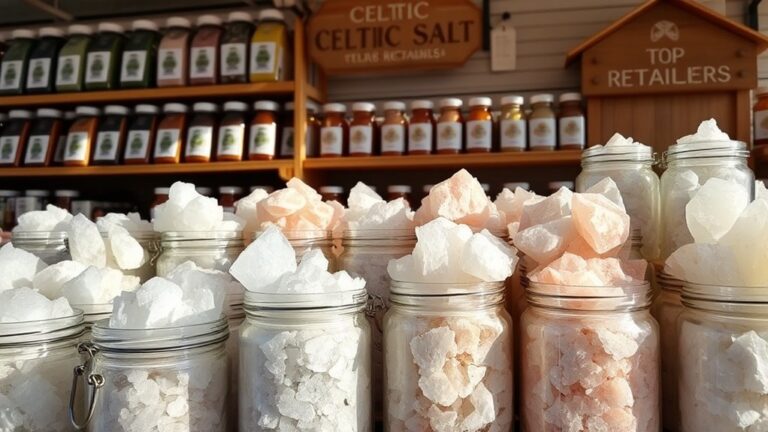
Himalayan Pink Salt is mined from ancient sea beds, giving it a pure, mineral-rich profile that boosts sweetness and balances flavors. Its coarse texture makes it perfect for finishing touches on breads, cookies, or pastries.
Other specialty salts include fleur de sel, known for its delicate crunch and subtle flavor, and smoked salts that introduce a smoky aroma. These salts not only enhance the taste but also add a touch of sophistication to your baked creations, making them more memorable and appealing.
How to Pick the Right Salt for Different Baking Recipes
Choosing the right salt for baking depends on what role it plays in your recipe. To pick the best one, think about these factors:
- Flavor intensity: Fine table salt is great for subtle seasoning, while flaky sea salts give a finishing touch with a burst of flavor.
- Texture: Coarse salts like kosher salt are perfect for doughs and crusts, adding a nice crunch or seasoning layer.
- Purity and mineral content: Specialty salts like Himalayan pink salt bring unique mineral flavors, making them good for finishing or adding a subtle taste.
Match the salt’s characteristics with your recipe’s needs. Balance flavor, texture, and appearance to make your baked goods even better.
How Should You Store and Use Salt in Your Baking Pantry?
Storing salt properly in your baking pantry guarantees it stays fresh, free of moisture, and maintains its quality over time. Keep salt in an airtight container away from humidity, heat, and direct sunlight. A glass jar with a tight-fitting lid works well.
Avoid storing salt near strong-smelling spices or cleaning products, as it can absorb odors. Use a clean, dry scoop to measure salt, preventing contamination and clumping.
When using salt in baking, add it at the right stage, usually early in mixing. This helps elevate flavor and improve texture. Keep your salt container sealed after each use to prevent moisture absorption.
Proper storage guarantees your salt stays effective, preserves its flavor, and helps your baked goods turn out perfectly every time.
Frequently Asked Questions
Can You Substitute Different Salts in Baking Recipes Without Affecting the Outcome?
Yes, you can substitute different salts in baking, but it might change the taste and texture a bit. Regular table salt is more concentrated than sea salt or Himalayan salt, so you’ll need to adjust the amount.
Keep in mind that different salts have different mineral contents and textures, which can affect how your baked goods turn out.
It’s a good idea to experiment carefully to find the right balance for your recipes.
How Does the Mineral Content in Various Salts Influence Flavor in Baked Goods?
The mineral content in different salts really influences the flavor of baked goods. For example, sea salt contains trace minerals that add subtle complexity, making your baked treats more interesting.
Himalayan pink salt offers a mild, earthy flavor that can enhance your baked goods in a unique way. These minerals can either improve or slightly change the taste profile.
Are There Health Benefits to Choosing Certain Salts Over Others for Baking?
Yes, choosing certain salts can offer health benefits. For example, Himalayan pink salt contains trace minerals like potassium and magnesium that may support electrolyte balance and overall health.
Sea salts often have fewer additives compared to table salt, which means less exposure to anti-caking agents. But remember, moderation is key because too much salt can cause health issues like high blood pressure.
Opting for mineral-rich, less processed salts can be a healthier choice for baking.
What Role Does Salt Play in Yeast Fermentation During Bread Making?
Salt acts like a traffic cop during yeast fermentation, controlling the pace of dough rising. It slows down yeast activity, preventing over-fermentation and ensuring even gluten development.
Without salt, yeast would run wild, producing a dense or uneven loaf. Properly balanced salt levels help you achieve that perfect rise and texture in your bread.
Making sure you add the right amount of salt is key for a well-crafted loaf. It’s not just about flavor — salt plays a crucial role in the fermentation process.
How Does Salt Crystal Size Impact the Texture of Baked Items?
Salt crystal size directly influences the texture of baked goods. Finer crystals dissolve quickly, giving you a more even spread of salt and a smoother crumb.
Larger crystals dissolve more slowly, creating little pockets of salt that add bursts of flavor and a slight crunch. You’ll notice a difference in mouthfeel and appearance depending on the crystal size you choose.
Conclusion
Choosing the right salt is like finding the perfect seasoning for your baking symphony. With so many options, each adds its own magic—whether it’s the subtle crunch of flaky sea salt or the vibrant hue of Himalayan pink.
Don’t let your baked goods fall flat; instead, enhance them with the ideal salt. Remember, in baking, as in life, it’s the little things that make all the difference.
When it comes to baking, using the best 8 salts can really elevate your recipes. These salts bring flavor, texture, and a touch of elegance to every bake.