7 Pros and Cons of a Microwave Oven Installed Over a Gas Stove
Are you tired of cluttered countertops and struggling to find enough space in your kitchen? Many people face this challenge, especially when trying to balance functionality and safety.
Installing a microwave over your gas stove can be a game-changer, but it’s not without its concerns.
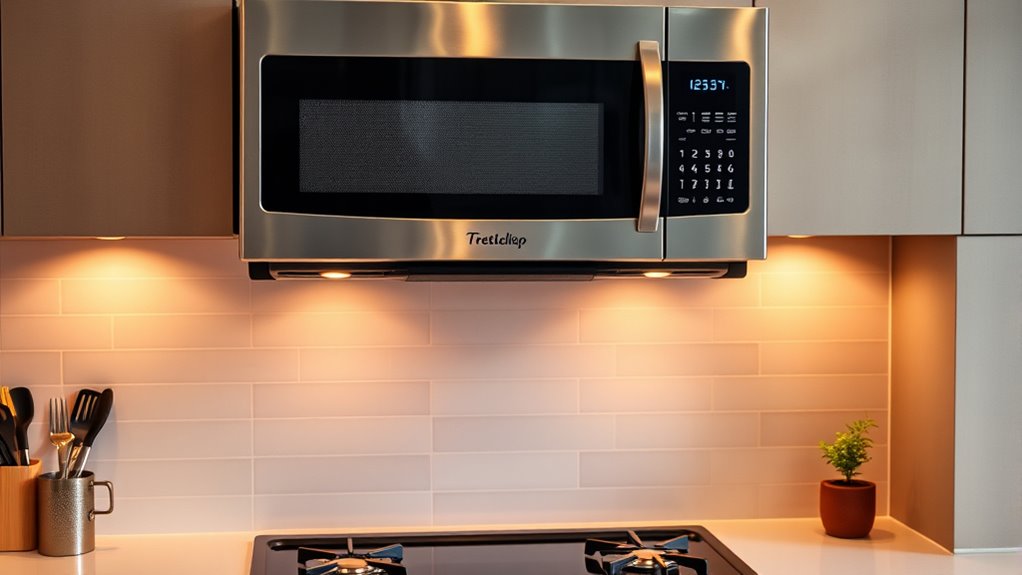
Installing a microwave over your gas stove saves space and makes cooking more convenient, but it also poses safety risks like heat damage, fire hazards, and ventilation issues.
It can be tricky for kids’ safety and cleaning, and installation costs vary.
Properly managing heat and ensuring good airflow are essential for safety and appliance longevity.
Want to understand how to optimize safety and efficiency? Exploring further can help you make the best decision.
Key Takeaways
– Pros: Saves counter space and makes it easy to access the microwave for quick heating tasks.
It’s really convenient to have the microwave right above the stove. You don’t have to move around the kitchen much to use it.
– Cons: The heat from the stove can damage the microwave and shorten its lifespan.
When you’re cooking, the heat rises and can cause problems for the microwave over time.
– Pros: Installing the microwave over the stove can give your kitchen a sleek, integrated look.
It can make your kitchen look more modern and tidy, since everything is built-in.
– Cons: Overhead installation might be a safety concern, especially if you have little kids around.
Kids might try to reach up and get hurt or accidentally turn on the microwave.
– Cons: Proper ventilation is really important to avoid heat buildup, grease, and fire risks.
If the area isn’t ventilated well, it can lead to dangerous situations down the line.
Should You Install a Microwave Over Your Gas Stove?
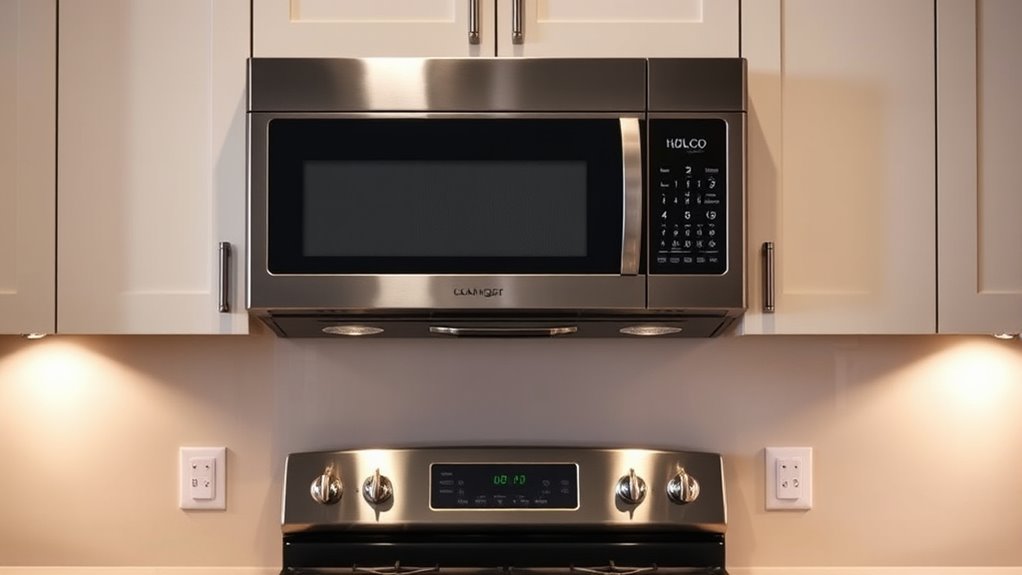
Is installing a microwave over your gas stove a practical choice? It can save counter space, but you should also think about safety and convenience.
Placing a microwave above your stove might make it easier to multitask while cooking. But heat from the stove can impact how well the microwave works and how long it lasts.
Ventilation is another concern, especially if the microwave blocks your stove’s exhaust or makes cleaning more difficult. Reaching over a hot stove to use the microwave can also be risky.
If you have children, installing the microwave high up might not be the safest or easiest option for them. Before going ahead, carefully consider these practical factors to see if this setup fits your cooking habits and safety needs.
What Are the Benefits of Mounting a Microwave Above Your Stove?
Mounting a microwave above your stove helps save valuable counter space, making your kitchen look less cluttered. It’s a simple way to keep your countertops clear and organized.
It also provides easy access for quick cooking tasks, so you can grab your microwave quickly when you need it. This can really improve your workflow in the kitchen.
Plus, a microwave installed in this spot can elevate your kitchen’s overall look with a sleek, integrated design. It gives your space a modern, streamlined appearance.
Space Saving Design
A key advantage of mounting a microwave above your stove is the space-saving benefit it offers. By installing it overhead, you free up valuable counter space, making your kitchen look larger and more organized.
This setup is especially helpful in smaller kitchens where every inch counts. It keeps your countertops clear for food prep or other appliances, boosting functionality.
Plus, this design combines two appliances into one area, reducing clutter and creating a sleek, streamlined look. You’ll find it easier to access your microwave without crowding other kitchen tools.
Convenient Cooking Access
Positioning your microwave above the stove allows for quick and effortless access while you cook, saving you time during meal prep. You can easily warm ingredients or reheat leftovers without having to move across the kitchen.
This setup really streamlines your cooking process, especially when you’re multitasking. With the microwave within arm’s reach, you won’t need to stop what you’re doing just to grab snacks or heat liquids.
It also makes cleaning and maintenance easier, since you can quickly wipe down surfaces without reaching into tight spots. Overall, having the microwave overhead makes cooking more efficient and less stressful.
This setup encourages smoother meal prep, helping you stay organized and focused. It’s a practical choice that makes your kitchen experience more convenient and enjoyable.
Enhanced Kitchen Aesthetics
Having your microwave mounted above the stove not only boosts functionality but also enhances your kitchen’s visual appeal. It creates a sleek, streamlined look and gets rid of clutter on your countertops, making your space feel more open.
With the microwave built into the cabinetry or mounted on the wall, your kitchen looks more modern and organized. This setup also allows for a cohesive design, especially if your appliances match or complement each other.
By reducing bulky appliances on your counters, you gain a cleaner, more minimalist aesthetic. Mounting the microwave higher can also highlight your backsplash or cabinetry, adding to the overall style.
It’s a simple change that can improve your kitchen’s decor while keeping it tidy and contemporary.
What Are the Safety Risks and How Can You Minimize Them?
To stay safe, you need to prevent fire hazards by keeping the microwave clean and avoiding metal inside. Make sure your electrical setup is secure and grounded to prevent shocks or malfunctions.
Proper ventilation is also essential to avoid overheating and ensure fumes don’t build up.
Fire Hazard Prevention Tips
Fire hazards are a serious concern when using a microwave oven, but many accidents can be prevented by following simple safety practices. Always keep the microwave clean, removing grease and food splatters that can ignite.
Avoid heating flammable materials like paper towels or plastic containers not labeled microwave-safe. Never leave the microwave unattended while in use, especially when cooking fatty or sugary foods that can spark or overheat.
Make sure the microwave’s interior and vents are clear of debris to prevent overheating. Regularly inspect the appliance for damaged parts or frayed cords, and replace or repair them immediately.
Use a microwave-safe cover to prevent splatters, and never operate an empty microwave. These precautions help minimize fire risks and keep your kitchen safe.
Electrical Safety Measures
Electrical safety is essential when using a microwave oven, as electrical faults can lead to shocks or fires. To minimize risks, make sure the microwave is plugged into a grounded outlet with a proper circuit breaker.
Avoid overloading the outlet or using extension cords, which can cause overheating. Regularly check the power cord for damage or fraying and replace it immediately if needed.
Keep the microwave dry and don’t touch electrical components with wet hands. Follow the manufacturer’s instructions for installation and maintenance.
Use a qualified electrician for any electrical work or upgrades. Never bypass safety features or tamper with wiring.
Proper Ventilation Practices
Proper ventilation during microwave use helps prevent the buildup of smoke, steam, and potentially harmful fumes. Without proper airflow, these can accumulate, increasing fire risk and indoor air pollution. To stay safe, follow these simple practices:
Always turn on the range hood or exhaust fan when cooking or microwaving, especially over a gas stove. Keeping vents clear of dust and grease helps maintain good airflow.
If your kitchen doesn’t have enough ventilation, think about installing an extra vent or air purifier. Neglecting proper ventilation can lead to dangerous fumes, lingering odors, and even carbon monoxide buildup.
Regularly check and maintain your vent system to minimize these risks. Good ventilation keeps your kitchen safe and improves air quality. It’s an essential part of a healthy, safe cooking environment.
How Does Installing Over the Stove Affect Your Kitchen Space and Workflow?
Installing an over-the-stove microwave can really change how your kitchen looks and works. It helps save counter space, which is a big plus in smaller kitchens, giving you more room for prep and cooking.
But putting it above the stove means you’ll need to reach up when cooking, which can be a bit awkward or uncomfortable if you use it often. It might also make the kitchen feel cluttered if there’s limited vertical space, making the area seem cramped.
If your stove is in the middle of the kitchen, the microwave could block your movement or make it harder to access other appliances. Overall, while it frees up counter space, it’s important to think about how easy it is to reach during daily tasks and how it fits with your kitchen’s flow.
What Are the Ventilation and Heat Management Challenges?
When you place a microwave above the stove, managing heat and ventilation becomes a key concern. Heat from the stove can build up quickly, risking damage to the microwave or affecting its performance. Proper ventilation is essential to remove smoke, steam, and cooking odors effectively.
Without adequate airflow, grease and moisture can accumulate, leading to mold or unpleasant smells. Heat can also cause the microwave’s electronics to overheat, shortening its lifespan. You might face challenges like insufficient venting that traps heat and fumes.
It can also be difficult to install or maintain effective range hoods. Poor airflow can cause microwave components to overheat, which can damage the appliance over time. Addressing these issues requires careful planning to guarantee proper ventilation and heat management.
This helps protect both your appliances and your kitchen environment. Good ventilation ensures your microwave works efficiently and lasts longer, keeping your space safe and comfortable.
How Much Does It Cost and What’s Involved in Installation?
Curious about the costs and steps involved in installing a microwave above your stove? The total price varies depending on whether you’re replacing an existing unit or starting from scratch. Typically, it ranges from $200 to $600.
If you hire a professional, installation costs can add another $100 to $300. The process involves checking your cabinet space, ensuring proper ventilation, and possibly upgrading electrical wiring to support the microwave’s power needs.
You’ll need to mount a sturdy bracket or cabinet, connect the electrical outlet, and make sure the unit is level and secure. If your kitchen isn’t prepped, you might also need to modify cabinetry or wiring, which could increase costs.
Planning ahead helps you avoid surprises and makes for a smooth, safe installation.
How Can You Make Your Microwave Over Gas Stove Setup Safer and More Effective?
To guarantee your microwave over the gas stove operates safely and effectively, start by addressing proper clearance and ventilation. Ensuring enough space around the microwave prevents overheating and allows heat to escape. Use a sturdy, level support to keep the microwave stable and secure.
Ensure proper clearance and ventilation for safe, efficient microwave operation over your gas stove.
Furthermore, regularly clean the microwave and stove area to prevent grease buildup, which can be a fire hazard. To improve safety and efficiency, consider these tips:
- Install a ventilation fan or range hood to reduce moisture and fumes.
- Use microwave-safe containers to avoid accidents or damage.
- Keep a fire extinguisher nearby, and verify your smoke detectors are working.
Following these steps helps maintain safety, prolongs appliance life, and boosts overall kitchen functionality.
Frequently Asked Questions
How Does Installing a Microwave Over a Gas Stove Impact Kitchen Aesthetics?
Installing a microwave over your gas stove can give your kitchen a sleeker, more modern look. It helps save space and keeps your countertops clear, making cooking feel more efficient.
But, if the microwave is too big or doesn’t match your cabinets, it might make the kitchen feel crowded or cluttered. Choosing a slim, stylish microwave that matches your overall decor can really boost the aesthetic.
Are There Specific Microwave Models Best Suited for Over-Stove Installation?
Yes, some microwave models are better suited for over-stove installation. Look for units specifically designed as over-the-range models, which usually have built-in exhaust fans and larger capacities.
Brands like Whirlpool, GE, and Samsung offer reliable options with sleek designs and easy installation. Make sure the microwave fits your space, has enough ventilation, and matches your kitchen style.
Checking the dimensions and reading reviews can help you find the perfect fit for your over-stove setup.
What Are the Long-Term Maintenance Considerations for This Setup?
Think of your microwave setup like a well-tended garden. You’ll need to regularly clean the vents and surfaces to prevent grease build-up, much like pruning back overgrown branches.
Check the electrical connections periodically to ensure safety and efficiency. Keep an eye on the seal around the microwave door for wear, and replace it if needed.
With consistent care, your over-stove microwave will keep working smoothly, just like a thriving garden.
Can This Installation Accommodate Different Stove and Cabinet Sizes?
Yes, this installation can accommodate different stove and cabinet sizes, but you need to measure carefully before installation.
Make sure the microwave fits securely within the available space and lines up with your stove’s dimensions. Adjustable brackets or custom cabinetry can help with this.
Always check the manufacturer’s guidelines for size limits. Proper measurements and some flexibility in your design will ensure a safe, functional fit, even with variations in stove and cabinet sizes.
How Does This Setup Influence Energy Efficiency in the Kitchen?
Imagine a gentle breeze guiding your kitchen’s energy flow. Installing a microwave over your gas stove can boost efficiency by bringing cooking tasks together.
This setup reduces movement, saves time, and cuts down on electricity used by separate appliances. But if it’s not properly vented, it might cause some warm air to build up.
With good ventilation, it supports a streamlined, energy-conscious kitchen that feels both practical and inviting.
Conclusion
Installing a microwave over your gas stove is like adding a multitasking maestro to your kitchen symphony. It saves space and makes everyday tasks more convenient.
But keep in mind, it also requires careful safety measures and good ventilation. Weigh the pros and cons to see if this setup fits your rhythm.
With thoughtful planning, your kitchen can become a well-choreographed dance of efficiency. Each appliance plays its part seamlessly, turning daily cooking into a smooth, harmonious performance.
When considering a microwave over a gas stove, safety and ventilation are key. Done right, it’s a smart move that can make your cooking space more functional and efficient.