How to Use an Electric Stove for Beginners
Cooking on an electric stove might seem straightforward, but many beginners find themselves overwhelmed or unsure where to start. You’re not alone—getting comfortable with the controls and safety features can take a little time.
But don’t worry, with some simple tips, you’ll be cooking like a pro in no time.
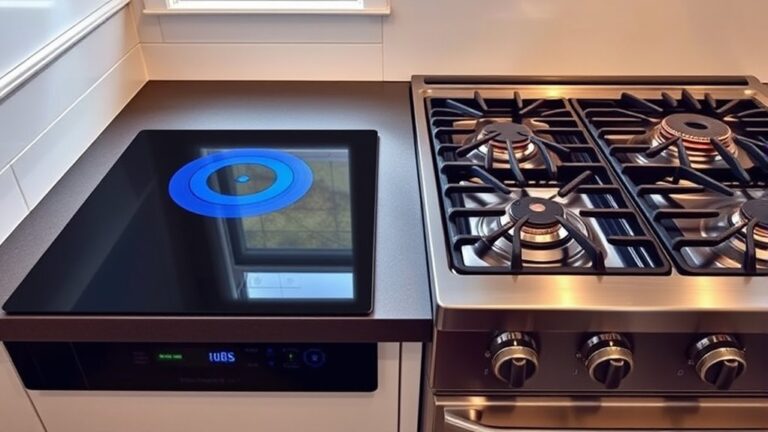
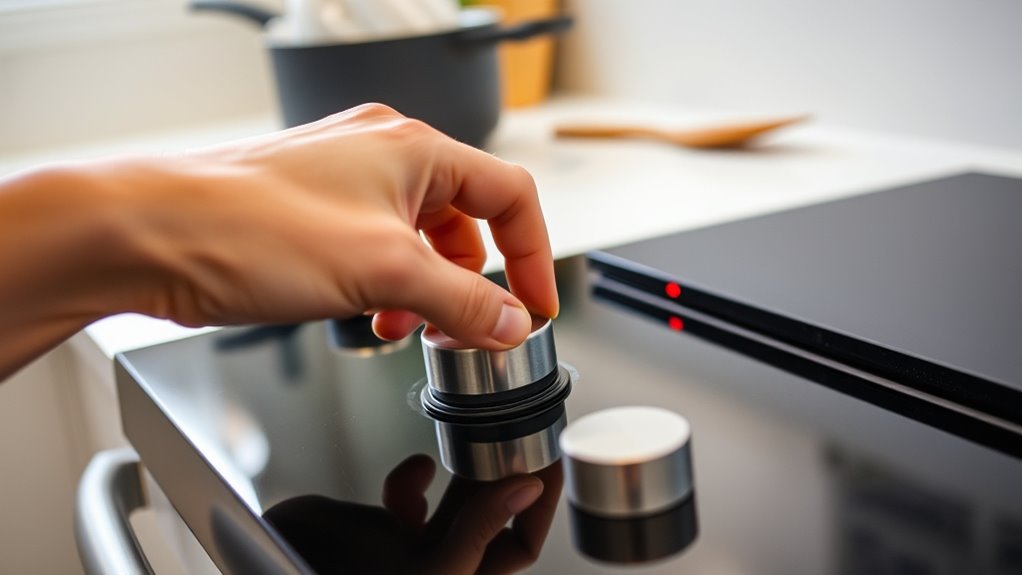
To use an electric stove, start by familiarizing yourself with the controls and safety features. Make sure it’s plugged in, then turn the knobs clockwise until they click to set the heat.
Use low, medium, or high settings based on your dish, and always monitor your cooking closely. Keep the surface clean and dry for safety and efficiency.
With practice, you’ll get more comfortable managing heat. Keep exploring further to master all the tips and tricks.
Key Takeaways
- Familiarize yourself with the control knobs, safety features, and the stove surface before you start cooking. It’s a good idea to get comfortable with how everything works.
- Make sure the stove is plugged in. Then, turn the control knob clockwise to start heating.
- Use the right kind of cookware for your stove. Adjust the heat gradually so you can control the temperature better.
- Keep the stove and the area around it clean and free of clutter or anything flammable. Keeping things tidy helps prevent accidents.
- Never leave the stove unattended while it’s on. Keep a close eye on your cooking to stay safe.
Getting Started: How to Use Your Electric Stove

To start using your electric stove, get familiar with its controls and safety features. Take a moment to identify the knobs or touch controls and see which burner they operate.
Check if your stove has safety features like child locks or automatic shut-offs, and learn how to activate them. Reading the user manual can help, especially for specific details about your model.
Before cooking, make sure the stove surface is clean and dry. This helps prevent accidents and ensures proper functioning. Also, inspect the burners for any damage or debris that could cause issues.
Practice turning knobs or pressing buttons gently so you can get comfortable with how they work. Knowing your controls and safety features will help you cook confidently and stay safe.
How to Turn Your Electric Stove On and Off Safely
Before you start cooking, it’s important to turn your electric stove on and off safely. To turn it on, make sure the stove is plugged in properly and the power switch is in the off position.
Push the control knob for the burner you want to use, turning it clockwise until it clicks into the desired heat setting. Always double-check that the burner is heating before placing your cookware on it.
Push the control knob clockwise until it clicks, then verify the burner is hot before adding cookware.
When you’re done cooking, turn the control knob counterclockwise to the off position. If your stove has an on/off switch, make sure to turn it off too.
Make sure the burner is cool before touching or cleaning it to avoid burns. Properly turning your stove on and off helps prevent accidents and keeps your cooking safe.
How to Adjust Temperature Settings for Different Dishes
Adjusting the temperature settings on your electric stove is key to cooking a variety of dishes perfectly. Different foods need different heat levels to cook just right and avoid burning or undercooking.
To make adjustments effectively, follow these tips. Use low heat for simmering sauces or gentle warming. Turn to medium for sautéing vegetables or frying eggs.
Set high for boiling water, searing meats, or stir-frying. Always keep an eye on how your dish responds to the heat. If it’s cooking too fast or too slow, make adjustments.
What Are the Best Cooking Techniques on an Electric Stove?
To get the best results on an electric stove, focus on precise temperature control to avoid burning or undercooking your food.
Choosing the right pan, like a flat-bottomed skillet, guarantees even heat distribution.
Mastering these techniques helps you cook efficiently and perfectly every time.
Precise Temperature Control
Mastering precise temperature control on an electric stove is key to getting great results in your cooking. These stoves respond quickly to adjustments, so knowing how to fine-tune the heat is really important.
To do this well, use the control knobs carefully, turning them slowly to find the right setting without going too far. Keep an eye on your cookware; if you see boiling too hard or simmering too low, adjust the heat right away.
It’s also a good idea to get a quality thermometer to keep track of your food’s temperature, especially for delicate dishes like sauces or melting chocolate. These tips help you keep the heat steady, avoid burning, and cook more precisely.
With a little practice, you’ll master controlling your stove’s temperature for perfectly cooked meals every time.
Proper Pan Selection
Choosing the right pan is essential for getting the best results on an electric stove, as the cookware directly influences heat distribution and cooking efficiency. Flat-bottomed pans work best because they make full contact with the heating element, ensuring even heat transfer.
Use pots and pans made of materials like cast iron, stainless steel, or heavy aluminum, which conduct heat well and retain it evenly. Avoid warped or thin pans, as they can cause hot spots and uneven cooking.
When selecting cookware, consider size; match it to the burner to prevent heat loss. Also, choose pans with sturdy, flat bases for stability and efficient energy transfer. Proper pan selection helps you cook more precisely and prevents uneven results or accidents.
Tips for Cleaning and Maintaining Your Electric Stove
Keeping your electric stove clean and well-maintained is key to its performance and longevity.
You should use proper cleaning techniques to remove spills and grease without damaging the surface.
Follow regular maintenance tips to keep everything working smoothly.
Staying on top of these tasks will make your stove safer and more efficient to use.
Proper Cleaning Techniques
Regularly cleaning your electric stove is key to keeping it working well and looking good. Proper cleaning techniques help prevent buildup and keep everything safe while you’re cooking.
To do this effectively, start by wiping down the surface after each use with a soft cloth or sponge dipped in warm, soapy water. Avoid abrasive materials that could scratch the surface.
For stubborn stains or burnt-on spots, use a stove cleaner or make a paste with baking soda and water. Let it sit for a few minutes, then gently scrub away the residue.
Don’t forget to clean the drip pans and burners regularly. Remove them, soak in hot, soapy water, then scrub off any residue. Be sure everything is dry before putting it back.
Following these simple steps will keep your stove spotless and in great shape.
Regular Maintenance Tips
To keep your electric stove in top shape, regular maintenance is key. Check and clean the burners and drip pans often to prevent buildup. Wipe up spills right after cooking to avoid stains and residue. Use a soft cloth and gentle cleaner to prevent scratching surfaces.
Periodically inspect the power cords and connections for any signs of wear or damage. Keeping the control knobs clean and grease-free helps them operate smoothly. Staying on top of these simple steps will keep your stove working well and looking great.
Troubleshooting Common Electric Stove Problems
When your electric stove isn’t working properly, diagnosing the problem quickly can save you time and frustration. First, check if the burner isn’t heating by making sure it’s plugged in properly and the control knob is turned on. If it still doesn’t heat, inspect the burner for damage or buildup.
Ensure your electric stove is properly plugged in and the control knob is on before troubleshooting heating issues.
If the stove’s surface is hot but the oven isn’t working, verify that the circuit breaker hasn’t tripped. Reset it if needed. Finally, if the stove makes strange noises or sparks, turn it off immediately and call a professional.
Here are some quick troubleshooting steps:
- Confirm all connections are secure and control knobs are set correctly.
- Reset the circuit breaker if the stove isn’t getting power.
- Check burners for damage or debris that could cause issues.
Regular checks can help keep your stove running smoothly.
Must-Have Accessories for Electric Stove Cooking
Having the right accessories can make your electric stove cooking more efficient and enjoyable. A good set of flat-bottomed, stainless steel or cast iron cookware guarantees even heat distribution and prevents hotspots.
Silicone or heat-resistant spatulas are essential for stirring and flipping without damaging your pots or pans. A burner cover or protectors can help keep your stove clean and prevent spills from spreading.
An accurate kitchen thermometer lets you monitor food temperature precisely, avoiding undercooking or overcooking. A sturdy trivet or hot pad keeps hot cookware safe to handle and protects your countertop surfaces.
Moreover, having a quality pot holder or oven mitts improves safety when moving hot items. These accessories streamline your cooking process and help you achieve better results with your electric stove.
Safety Tips to Prevent Accidents in the Kitchen
Accidents in the kitchen can happen in an instant, but you can greatly reduce the risk by following some key safety tips.
First, always stay attentive when the stove is on. Never leave it unattended, especially when boiling or frying.
Second, keep flammable items like dish towels or paper towels away from the burners to prevent fires.
Third, use pot handles properly; turn them inward to avoid knocking them over or grabbing hot surfaces accidentally.
Furthermore, make sure your stove is clean, removing grease buildup that could ignite.
Finally, keep a fire extinguisher nearby and know how to use it in case of emergencies.
Following these simple steps helps keep your cooking safe and enjoyable.
Frequently Asked Questions
Can I Use Metal Cookware on an Electric Stove?
Yes, you can definitely use metal cookware on an electric stove. Most metal pots and pans, like stainless steel and cast iron, work well because they conduct heat efficiently.
Just make sure the bottom of your cookware is flat for good contact, which helps with even heating. Avoid warped or thin-bottomed cookware, as it can cause uneven cooking or damage the stove.
Regularly clean your cookware for the best performance.
How Do I Know Which Burner Size to Use?
You can figure out the right burner size by matching your cookware to the burner. Pick a burner that’s a little larger than your pot or pan’s bottom to ensure even heating without wasting energy.
Small cookware works best on smaller burners, while larger pots need bigger burners. Always avoid using a burner that’s too big or too small, as it can affect how well your food cooks and your safety.
Is It Safe to Leave Food Unattended on the Stove?
Leaving food unattended on the stove can lead to disaster—you definitely don’t want your kitchen turning into a fireworks show. It’s best to stay nearby whenever you’re cooking, especially with high heat or boiling liquids.
If you need to step away, make sure to turn off the burner first. Always keep an eye on your food to avoid overflows, burning, or even fires.
Your safety and your home are worth paying attention to. Stay alert and cook carefully!
How Long Does an Electric Stove Typically Last?
An electric stove usually lasts around 13 to 15 years, but this can vary based on how often you use it and how well you take care of it.
You can help extend its life by cleaning the burners and coils regularly, avoiding metal utensils that might scratch or damage the surfaces, and fixing electrical issues as soon as they pop up.
If you notice uneven heating or it keeps breaking down, it might be a sign it’s time to think about replacing it. Proper maintenance ensures your stove stays efficient and safe for many years.
Are Electric Stoves Energy-Efficient Compared to Gas Stoves?
Electric stoves are generally more energy-efficient than gas stoves because they convert more energy directly into heat, reducing wasted energy. You’ll notice they heat up quickly and maintain consistent temperatures, which helps save electricity.
However, your actual energy savings depend on how often and how efficiently you use the stove. To get the most out of it, avoid leaving burners on when not in use and use cookware that fits the element size.
Conclusion
Cooking on an electric stove is straightforward once you get the hang of it. With over 80% of households using electric stoves, mastering their use can make your culinary experience safer and more enjoyable.
Remember to always follow safety tips and keep your stove clean. Whether you’re simmering or searing, these tips will help you cook confidently and efficiently.
Happy cooking with your electric stove!