7 Simple Steps to Unclog Your Kitchen Sink With Disposal
Dealing with a clogged kitchen sink can be really frustrating, especially when you’re trying to get dinner ready or clean up quickly.
Many people struggle with stubborn blockages that slow down or stop the drain altogether. But don’t worry—you’re not alone, and there are simple steps you can take to fix it.
Start by checking for visible debris around the drain and pour hot water to see how it drains. If clogged, turn off the disposal, then use a plunger or manual tools to dislodge the blockage.
For natural cleaning, pour baking soda and vinegar, letting it fizz before flushing with hot water.
Remove and clean the disposal’s splash guard and interior parts. To keep it clear, avoid fats down the drain and use strainers.
If problems persist, learn more about effective solutions below.
Key Takeaways
- Turn off the disposal and unplug it for safety before starting any cleaning or unclogging process.
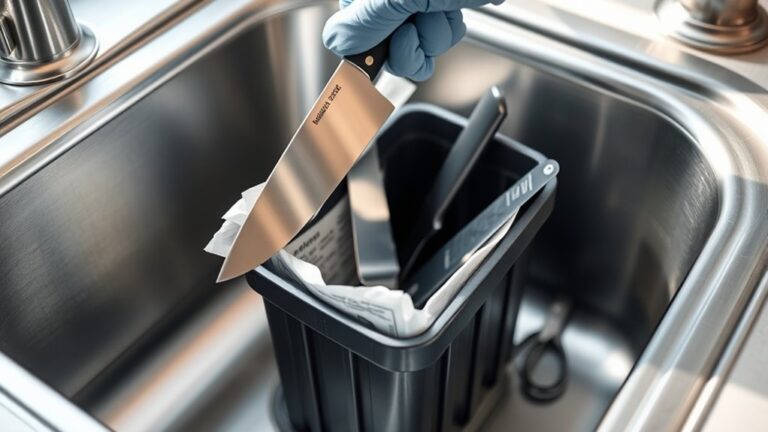
- Remove visible debris or blockages with tongs or pliers from inside the disposal.
- Use a plunger to create a seal and push to dislodge the clog, or reset the disposal if jammed.
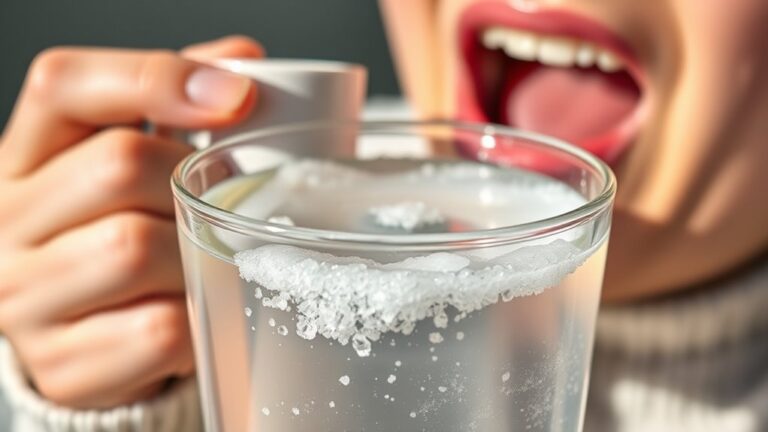
- Pour baking soda followed by vinegar into the drain. Let it fizz for about 15 minutes.
- Then, flush the drain with hot water. This helps clear out any leftover gunk and keeps things flowing smoothly.
- Regularly rinse with hot water and maintain with baking soda and vinegar to prevent future clogs.
How to Identify What’s Causing Your Kitchen Sink Clog
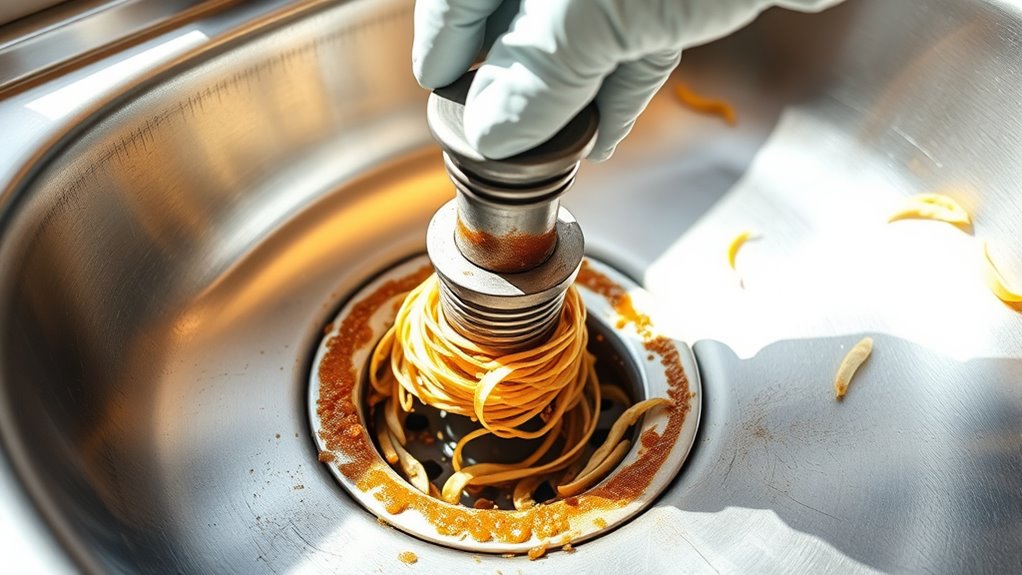
When your kitchen sink starts to drain slowly or backs up, it’s important to figure out what’s causing the clog before trying to fix it.
First, check for visible blockages around the drain opening. Look for food scraps, grease, or soap scum that might be stuck. If you see debris, wear gloves and remove it carefully.
Check for visible debris like food, grease, or soap scum around the drain opening and remove carefully.
Next, think about whether the clog is deeper in the pipes. Pour a small amount of hot water down the drain. If it drains slowly, the clog could be partial. If the water doesn’t drain at all, the blockage might be further down or caused by grease or soap buildup.
Knowing whether the clog is near the surface or deeper helps you decide what to do next.
How to Clear a Clogged Disposal With a Plunger or Manual Methods
To clear a clogged disposal using a plunger or manual methods, start by turning off the power to the disposal to prevent accidents. Next, put on gloves and remove any visible debris from the drain. Then, follow these steps:
- Place a plunger over the drain, making sure it forms a tight seal, and give firm, steady pushes to dislodge the blockage.
- If the plunger doesn’t work, locate the manual reset button on the disposal and press it to reset the unit.
- Use tongs or pliers to carefully remove any jammed objects or debris inside the disposal if you can reach them.
Always be cautious and avoid sticking your hand directly into the unit. If these steps don’t clear the clog, it’s best to call a professional for help.
Using Baking Soda and Vinegar to Unclog Your Disposal
Baking soda helps break down grease and grime, making it a natural cleanser for your disposal.
When combined with vinegar, it creates a fizzy reaction that can loosen clogs. This simple mix can often clear minor blockages without harsh chemicals.
Baking Soda’s Role
Mixing baking soda and vinegar creates a powerful, natural reaction that can help break down clogs in your disposal. Baking soda acts as a gentle abrasive, loosening debris and grime lodged in your pipes, while the vinegar’s acidity helps dissolve grease and buildup. When combined, they produce fizzy carbon dioxide bubbles that vigorously work to dislodge blockages.
Here are three ways baking soda plays a key role:
- Scrubbing action: It gently scours the sides of your pipes, removing stuck-on residue.
- Deodorizing: Baking soda neutralizes unpleasant odors from trapped food particles.
- Enhancing reaction: It boosts the foaming action when paired with vinegar, increasing the clog-breaking power.
Using baking soda strategically helps keep your disposal clear and odor-free.
Vinegar’s Effectiveness
Vinegar’s acidity makes it a powerful natural cleaner that can effectively break down grease and grime in your drain. When combined with baking soda, it creates a fizzy reaction that helps loosen debris clogging your disposal.
The acidity helps dissolve fatty deposits and soap scum that often cause blockages. To use this method, pour baking soda into your drain, then add vinegar.
Let the mixture fizz and sit for about 15 minutes, so it can work on loosening the clog. Follow up by flushing with hot water to rinse away loosened debris.
This natural approach is safe, eco-friendly, and inexpensive. It’s a great first step before calling in professional help.
With consistent use, vinegar can keep your disposal cleaner and reduce future clogs.
How to Remove and Clean Your Garbage Disposal
To effectively remove and clean your garbage disposal, start by turning off the power to guarantee safety. Unplug the unit or switch off the circuit breaker. Then, follow these steps:
- Remove debris: Use tongs or pliers to extract any visible debris or objects lodged inside.
- Clean the splash guard: Unscrew and detach the rubber splash guard, then scrub it with dish soap and a brush to remove grime.
- Clean the interior: Pour baking soda into the disposal, then add vinegar. Let it fizz for a few minutes before rinsing with hot water. Use a brush or sponge to scrub the inner walls if needed.
This process keeps your disposal fresh, odor-free, and functioning efficiently.
Flushing the Drain With Hot Water for Long-Lasting Results
After cleaning your garbage disposal, flushing the drain with hot water helps clear away any remaining debris and buildup. Turn on your hot water tap to a steady flow and let it run for about 30 seconds to a minute.
The high temperature helps melt away grease and loosen stubborn particles stuck in the pipes. This process also flushes out residual food scraps, preventing future clogs.
Be sure to use enough hot water to carry debris down the drain effectively. If you notice any resistance or slow draining, repeat the process.
Regularly flushing with hot water keeps your drain clean and reduces the chances of clogs forming. This simple step helps your kitchen sink flow smoothly and extends the life of your disposal.
Using a Plumbing Snake or Auger for Tough Clogs
When a clog is stubborn and won’t clear with hot water alone, using a plumbing snake or auger can be really effective. It helps dislodge debris stuck deep in the pipes that traditional methods can’t reach.
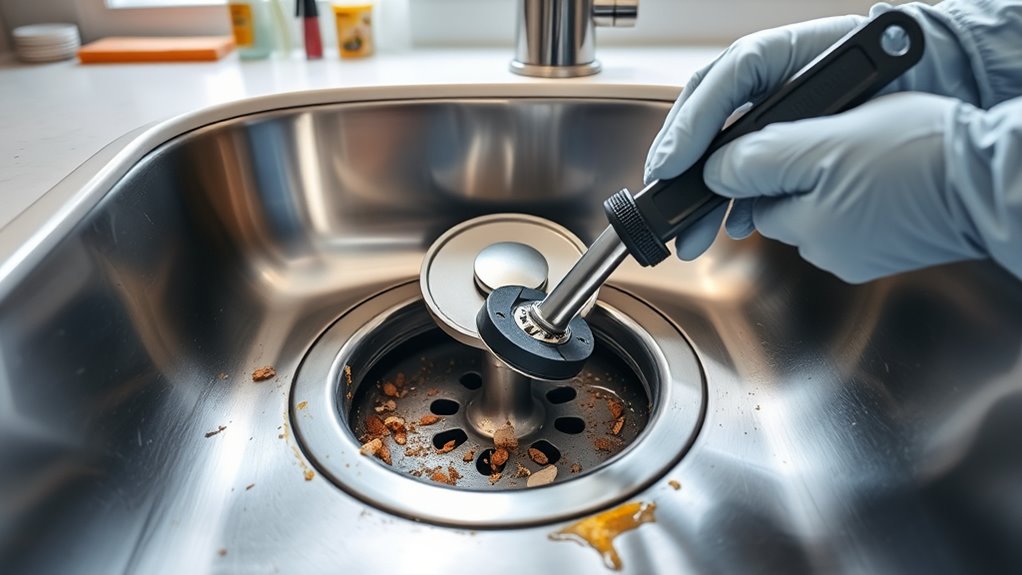
To use one properly, insert the auger into the drain and turn the handle clockwise to break up or hook onto the blockage. Push and rotate until you feel resistance, then twist to loosen or pull out the clog.
Slowly pull the auger out, bringing debris with it as the pipe clears. Afterward, run hot water to flush out any remaining residue.
This method is powerful for tough blockages and can save you from costly professional repairs. Just be gentle so you don’t damage your pipes.
Tips to Prevent Future Kitchen Sink Clogs
Using a plumbing snake or auger can clear stubborn clogs, but preventing those blockages from forming in the first place saves you time and hassle. To do this, avoid putting grease, oil, or fat down the drain, as they solidify and cause buildup.
Always use a drain strainer to catch food scraps, preventing large particles from slipping in. Run hot water for a few seconds after washing dishes to help break down residue.
Use a drain strainer and rinse with hot water after dishes to prevent clogs and keep pipes clear.
Regularly flush your drain with a mixture of baking soda and vinegar to keep it clean. Be mindful of what you dispose of in your sink—avoid dumping coffee grounds or fibrous foods.
These simple habits can greatly reduce the risk of future clogs, keeping your sink flowing smoothly.
Frequently Asked Questions
Can Foreign Objects Cause Disposal Clogs?
Yes, foreign objects can cause disposal clogs. When you accidentally put non-food items like utensils, plastic, or large food scraps into your disposal, they can get stuck, block the blades, or jam the motor.
This prevents proper drainage and creates a clog. To avoid this, only put biodegradable food waste into your disposal and keep foreign objects out.
Regularly check for and remove any items that might cause blockages.
How Often Should I Clean My Garbage Disposal?
You should clean your garbage disposal at least once a week to stop buildup and odors. Regular cleaning helps break down food particles and keeps it running smoothly.
Run cold water while using the disposal, and grind ice or citrus peels to keep it fresh. If you notice strange smells or it’s not working well, clean it more often.
Staying consistent with maintenance keeps your disposal odor-free and working efficiently.
Are There Eco-Friendly Methods to Prevent Clogs?
Yes, there are eco-friendly ways to prevent clogs. Regularly rinsing your drain with hot water helps wash away debris before it causes problems.
You can also use natural cleaning methods like baking soda and vinegar to keep your disposal fresh and clear. Just pour some baking soda down the drain, followed by vinegar, and let it fizz to break down buildup.
Avoid pouring grease or coffee grounds down the drain. Instead, compost these items to keep your pipes free and protect the environment.
These simple, sustainable practices help maintain your sink’s flow, prevent pesky blockages, and do your part for the planet all at once.
What Are Signs My Disposal Needs Professional Repair?
You’ll know your disposal needs professional repair if it’s making strange noises, doesn’t turn on, or keeps jamming despite your efforts.
If water drains slowly or there’s a foul odor lingering, those are also signs of underlying issues.
Avoid ignoring these signs, as they can lead to bigger problems or damage your plumbing.
Contact a professional promptly to diagnose and fix the problem safely and effectively.
Is It Safe to Use Chemical Drain Cleaners?
Using chemical drain cleaners can be risky. They might seem like a quick fix, but they often contain harsh chemicals that can damage your pipes or disposal unit over time.
Plus, they can be dangerous to handle and harmful to your skin or eyes. Instead, try natural methods like baking soda and vinegar, or call a professional if the clog persists.
Always prioritize safety when dealing with plumbing issues.
Conclusion
By following these simple steps, you can effectively unclog your kitchen sink and keep your disposal running smoothly. Don’t worry if it seems challenging at first—many clogs are easy to fix with basic tools and a little patience.
Remember, regular maintenance and mindful waste disposal can prevent future issues. Even if a clog reappears, you now have the knowledge to tackle it head-on without calling a plumber every time.
With these easy tips, unclogging your kitchen sink with disposal becomes manageable and straightforward. Keep these steps in mind to maintain a smoothly functioning sink and avoid unnecessary hassles.