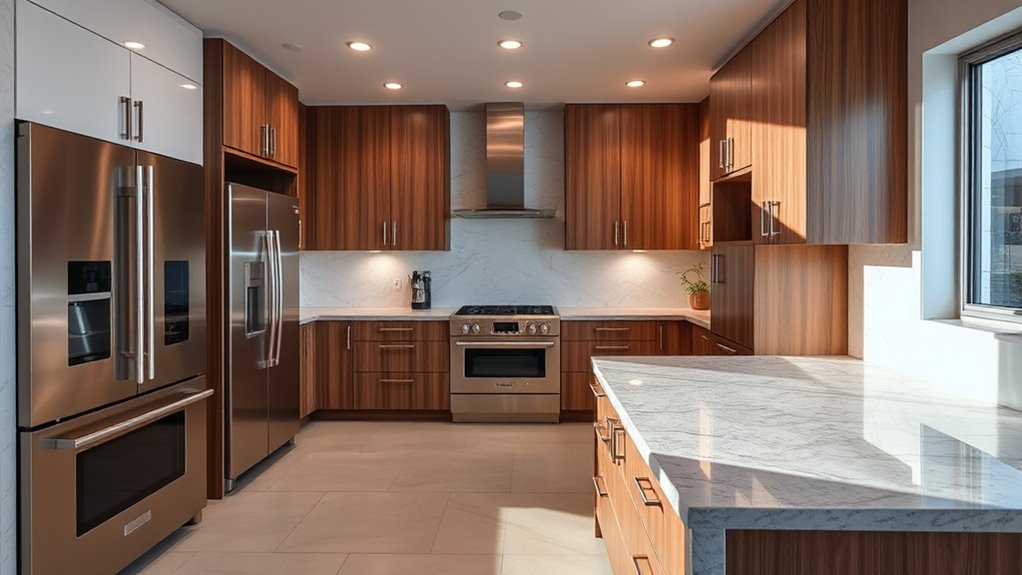
7 Key Factors That Determine New Kitchen Costs
Many homeowners feel overwhelmed when planning a kitchen renovation, especially when it comes to budgeting. You’re not alone—understanding what influences new kitchen costs can make the process a lot less stressful.
Your kitchen renovation costs are mainly influenced by its size, as larger spaces require more materials and labor.
Material choices, especially for cabinets and appliances, also impact expenses depending on quality and style.
Labor and installation fees vary with complexity and workforce rates, while custom features or upgrades can quickly add to your budget.
Don’t forget permit fees and unexpected repairs, which can surprise you but are manageable if you plan carefully—more details are waiting to help you keep costs in check.
Key Takeaways
– Kitchen size directly impacts material, labor, and appliance costs.
A larger kitchen means more materials and longer installation times, which can increase expenses.
Material quality and cabinet style also influence overall costs.
Choosing higher-end materials or custom cabinets will raise your budget compared to standard options.
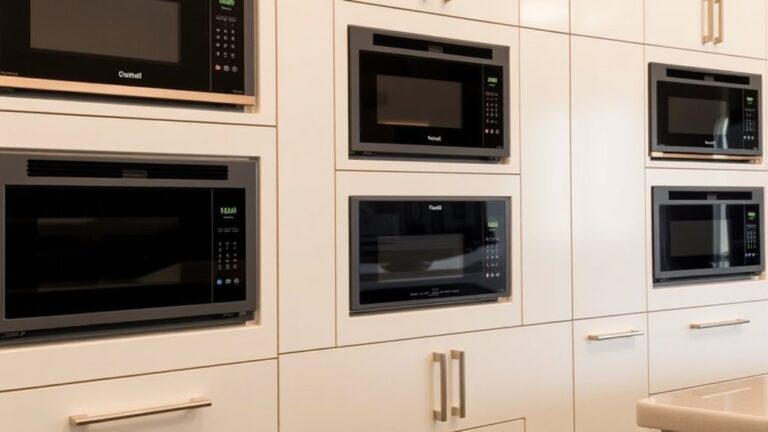
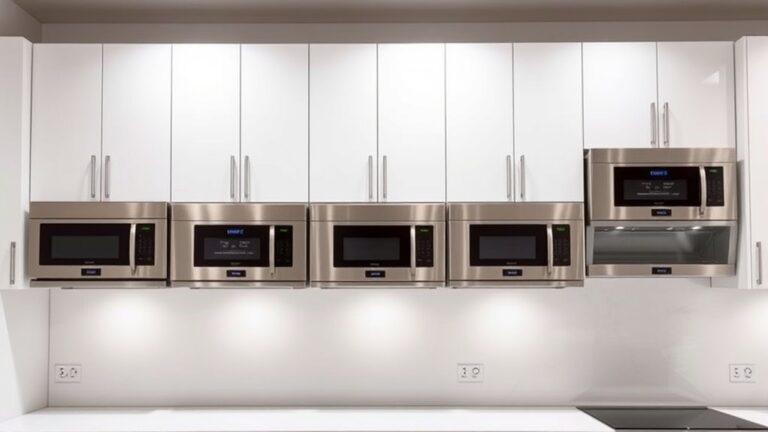
Appliance selections vary from basic to high-end, affecting the total price.
Think about what features you really need versus what’s just nice to have.
Labor, installation, and cleanup fees can add up quickly.
It’s important to factor in these costs when planning your renovation budget.
Permits, inspections, and unforeseen repairs all require financial planning.
Unexpected issues can arise, so having a contingency fund is always a good idea.
How Does Kitchen Size Impact Your Budget?
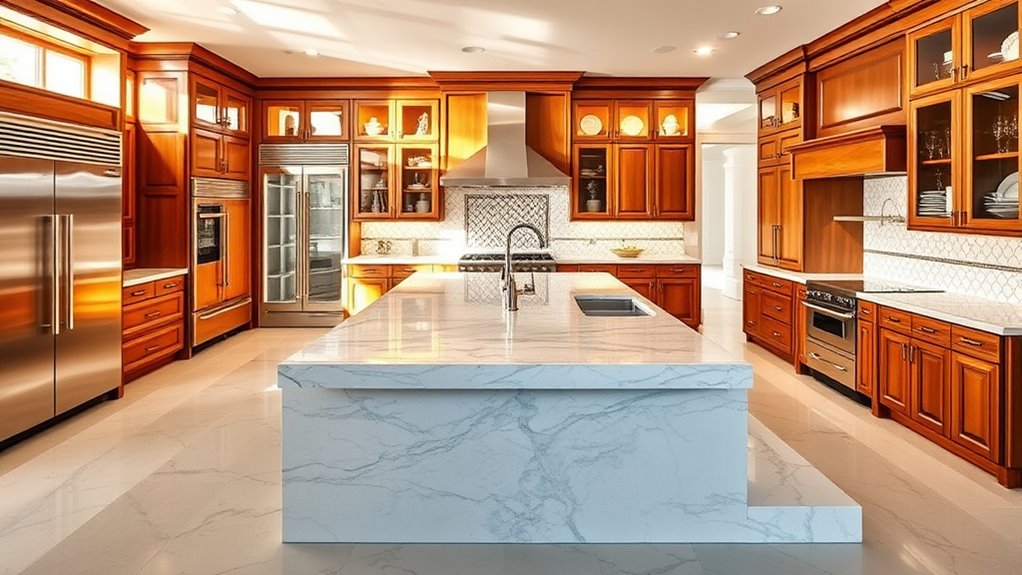
The size of your kitchen directly influences your overall renovation budget. Larger kitchens require more materials, like cabinets, countertops, and flooring, which naturally raises costs.
You’ll also spend more on labor since bigger spaces take longer to install and finish. Plus, bigger kitchens often mean more complex plumbing and electrical work, adding to the expenses.
If you’re planning to include high-end appliances or custom features, their costs will increase with the size of your space.
Smaller kitchens tend to be more budget-friendly because they use fewer materials and take less time to renovate.
Keep in mind that your kitchen’s size can greatly impact the scope and cost of your project, so plan accordingly.
How to Choose Materials That Fit Your Budget
Selecting the right materials is key to keeping your kitchen renovation on budget, especially with so many options out there. Focus on choosing cost-effective materials that fit your needs.
Here are three tips to help you make smart choices:
- Prioritize durability over luxury. Pick materials that last longer to cut down on replacement costs.
- Consider alternatives. Use laminate instead of granite or tile instead of hardwood to save money.
- Balance style and functionality. Choose finishes that match your look but don’t go over your budget.
What Cabinet Styles and Quality Levels Will Affect Your Costs?
Your choice of cabinet style and quality level directly impacts your overall costs. Higher-quality materials and more intricate designs tend to be more expensive.
On the other hand, simpler styles can help keep costs down. Understanding these options helps you balance your style preferences with your budget effectively.
Material Quality Variations
Choosing cabinet styles and quality levels directly impacts your overall kitchen costs, as each option varies considerably in price. Material quality is a key factor in this variation. Higher-quality materials often cost more but last longer and look better. For example:
- Solid hardwood cabinets are durable but come with a higher price tag.
- Medium-density fiberboard (MDF) offers a budget-friendly alternative with decent durability.
- Plywood provides a balance between cost and strength, often used in mid-range cabinets.
Your choice depends on your budget and desired longevity. Cheaper materials may save money upfront but could require replacement sooner. Conversely, investing in high-quality materials can boost your kitchen’s value and lifespan.
Style and Design Options
The style and design of your cabinets can really influence your overall kitchen costs, since different styles come with different price points and complexity levels. Popular options like shaker cabinets tend to be more affordable and easier to install.
On the other hand, custom or intricate designs, such as ornate or glass-front cabinets, can significantly increase your expenses. The choice of finish also affects the cost; painted or lacquered surfaces usually cost more than natural wood finishes.
Details like decorative molding or hardware can add to the price too. Keep in mind that more elaborate styles require extra labor and materials, which can drive up your budget.
Choosing a style that balances aesthetic appeal with your financial plan will help you create your dream kitchen without overspending.
How Much Do Appliances and Fixtures Typically Cost?
Appliance prices can range from affordable to high-end, depending on the brand and features you choose. Fixture costs vary widely based on style and material, influencing your overall budget.
Whether you’re going for budget-friendly options or premium fixtures, understanding these costs helps you plan effectively. Knowing what to expect can make your shopping process smoother and less stressful.
Appliance Price Ranges
When budgeting for your kitchen renovation, understanding appliance price ranges is key. Appliances can vary a lot in cost, depending on features and brands.
For example, basic models usually cost between $300 and $1,000 each. This includes simple refrigerators, stoves, and dishwashers.
Mid-range options are typically $1,000 to $2,500. They offer more features and better energy efficiency.
High-end appliances start at around $2,500 and go up. They often include smart technology, premium finishes, and advanced features.
Keep in mind that these ranges are estimates. Prices can change based on brand, size, and functionality.
Knowing these ranges helps you set realistic expectations and plan your budget. It ensures you pick appliances that meet your needs without overspending.
Fixture Cost Variations
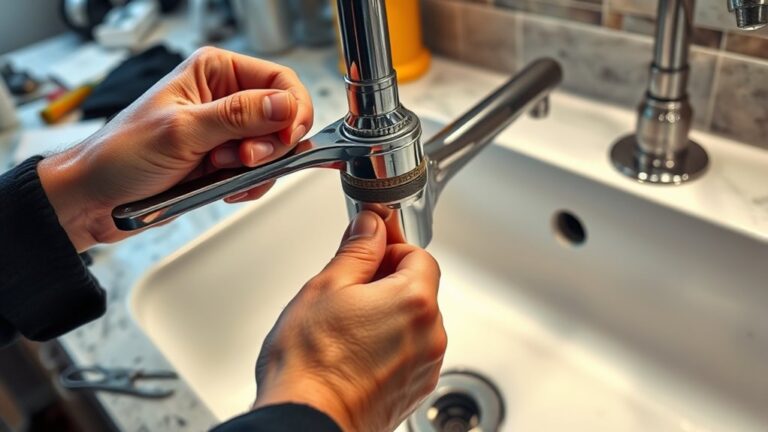
Fixtures and appliances can vary a lot in cost, depending on their type, quality, and features. Basic fixtures like faucets and sinks can start around $100 to $300 each, but high-end models may reach $1,000 or more.
Appliances such as dishwashers, ovens, and refrigerators have a wide price range. Entry-level options might cost $300-$700, while premium models can go over $2,000. Upgrading to specialized or smart appliances can add to the cost.
Material choices also matter; stainless steel fixtures tend to be more expensive than chrome or plastic. Features like water-saving technology or energy efficiency can also increase the price.
Budget vs Premium Options
Choosing between budget and premium options can greatly impact your overall kitchen costs. Generally, the price difference is significant. For example:
- Basic appliances may cost around $2,000 to $3,000.
- Mid-range options typically run $4,000 to $8,000.
- Premium appliances can easily exceed $10,000.
Fixtures follow a similar pattern: budget fixtures might be $50 to $150, while high-end models can reach $600 or more. When selecting appliances and fixtures, think about your needs and style preferences. Budget options save money upfront but may lack longevity or features. Premium choices offer durability, advanced features, and a luxurious look but increase costs.
Balancing quality and budget helps you create a kitchen that fits both your style and financial plan.
What Are the Labor and Installation Fees You Should Expect?
Labor and installation fees can significantly impact your overall kitchen remodeling budget, often making up a large part of the total cost. Expect to spend between 20% and 35% of your project’s total on labor, depending on how complex the work is and your location.
Skilled tradespeople like carpenters, electricians, and plumbers usually charge hourly rates that range from $50 to over $100 per hour. Custom cabinetry, detailed tile work, or moving plumbing lines will bump up those costs.
If you hire a general contractor, their fee usually covers project management and coordination, adding an extra 10-20%. Keep in mind that delays or hidden issues like wiring or structural problems can also drive up labor costs.
Planning for these expenses helps ensure you’re prepared for the full scope of installation fees.
Which Design Features and Customizations Can Increase Your Expenses?
Customizations and design features can significantly increase your kitchen renovation costs, especially when using high-end materials or intricate details. Upgrades like custom cabinetry or decorative moldings can quickly add to your expenses.
Consider these features:
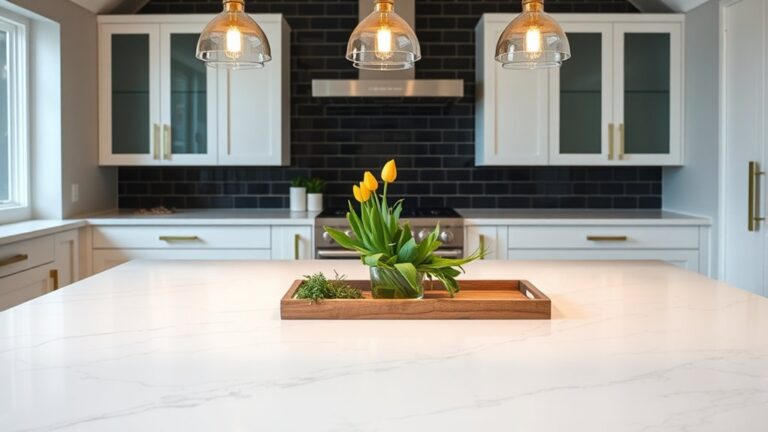
- Luxury countertops, such as quartz or granite, tend to be more expensive because of the materials used.
- Specialized lighting fixtures, like pendant lamps or under-cabinet lighting, add both style and cost.
- Unique backsplash designs, such as mosaic tiles or custom murals, require extra labor and premium materials.
These choices can really elevate your kitchen’s look but may also blow up your budget. When planning, weigh the visual appeal against the added costs to make sure your design stays within your financial limits.
What Extra Costs Should You Budget for in Your Kitchen Renovation?
Beyond the initial design and material costs, there are several extra expenses you need to plan for to keep your kitchen renovation on budget. These costs can add up quickly, so it’s important to think about them early.
Common extras include permits, which ensure your project follows local rules, and unexpected issues like hidden plumbing or electrical problems. It’s smart to be prepared for surprises.
In addition, consider costs for labor overruns, cleanup, and disposing of old materials. These expenses often catch people off guard but are essential parts of the process.
To help you visualize, here’s a quick overview:
| Extra Cost | Description |
|---|---|
| Permits and inspections | Fees for legal approval and inspections |
| Unexpected repairs | Hidden issues found during renovation |
| Disposal and cleanup | Removing debris and old fixtures |
Planning for these expenses now can prevent surprises later and keep your project running smoothly.
Frequently Asked Questions
How Long Does a Typical Kitchen Renovation Process Take?
A typical kitchen renovation takes about 6 to 12 weeks. The first few weeks are usually spent planning, choosing materials, and getting permits.
Demolition generally lasts a few days, followed by several weeks of installing cabinets, countertops, and appliances.
Final touches like painting and cleaning up often take another week.
Your timeline can vary depending on how complex the project is, the contractor’s schedule, and whether any unexpected issues pop up.
Most projects usually fall within this range, but it can change based on these factors.
Are There Financing Options Available for Kitchen Remodeling?
Yes, you can find financing options for your kitchen remodel, making it easier to manage costs without draining your savings. Many lenders offer home improvement loans or credit lines specifically for renovations.
You might also check with your bank or look into special financing deals from contractors. This way, you can start your project sooner, enjoy your upgraded kitchen faster, and spread payments over time instead of paying everything upfront.
How Can I Reduce Unexpected Costs During Renovation?
To reduce unexpected costs during your renovation, plan a detailed budget and stick to it. Get multiple quotes from contractors and suppliers to ensure you’re getting competitive prices.
Prioritize essential updates and consider postponing luxury features to save money. Always set aside a contingency fund of 10-15% for surprises that might come up.
Regularly monitor progress and communicate clearly with your team. Taking these steps helps you stay on track financially and reduces surprises along the way.
What Permits or Approvals Are Required for a Kitchen Remodel?
You’ll need to check with your local building department to see which permits or approvals are necessary for your kitchen remodel.
Usually, a building permit is required for big structural changes, electrical work, plumbing, or ventilation updates.
Some small updates might not need permits, but it’s best to double-check.
Getting permits before you start helps ensure your project meets local codes, avoids fines, and makes inspections easier.
This way, your renovation will go more smoothly and without unexpected issues.
How Does Choosing Eco-Friendly Materials Affect Overall Costs?
Choosing eco-friendly materials can initially increase your kitchen costs, but isn’t it worth investing in sustainability? These materials often cost more upfront because of their quality and eco-friendly manufacturing processes.
However, they can save you money in the long run through durability and energy efficiency. By choosing sustainable options, you not only reduce your carbon footprint but also lower future maintenance and utility expenses.
This makes your remodel both greener and more economical.
Conclusion
Understanding these key factors helps you plan a realistic budget for your kitchen renovation. Did you know that labor costs can make up to 40% of your total expenses?
Knowing what influences costs—from size and materials to custom features—allows you to make smarter choices that fit your budget. Staying flexible and prioritizing your must-haves can really help keep costs down.
With the right planning, you can create a beautiful kitchen without breaking the bank. Keep the key factors in mind, and you’ll be on your way to a successful kitchen makeover. Happy renovating!