10 Ways to Use Celery Seed Instead of Celery Salt
Many home cooks struggle with finding versatile ingredients that can replace salt without sacrificing flavor. If you’re looking for a way to add depth to your dishes without relying on traditional salt, you’re not alone.
Celery seed is a fantastic alternative that can boost flavor in countless recipes. You can use celery seed instead of celery salt in many ways: add it to soups, stews, and marinades for a bold flavor boost.
Sprinkle it over salads or mix into dressings as a salt-free option. Use it in pickling recipes for extra flavor. Incorporate it into spice blends or rubs for grilled meats.
Toast the seeds first for a richer aroma. Keep in mind to adjust quantities and taste as you go—if you continue, you’ll uncover even more creative uses.
Key Takeaways
- Use celery seed in spice blends and marinades to add earthy flavor without extra salt. It’s a great way to boost your dishes’ taste without increasing sodium.
- Incorporate ground celery seed into soups and stews for concentrated flavor enhancement. It gives a subtle, savory kick that makes your dishes more flavorful.
- Sprinkle toasted celery seeds on salads or roasted vegetables for added aroma and texture. It adds a nice crunch and a fresh, herbal note.
- Mix celery seed into homemade pickles and preserves for unique, bitter, and peppery notes. It’s a fun way to add depth and complexity to your preserves.
- Add celery seed to dressings and sauces to deepen flavor without increasing sodium content. Your recipes will have more dimension and a richer taste.
What Is Celery Seed, and How Does It Compare to Celery Salt?
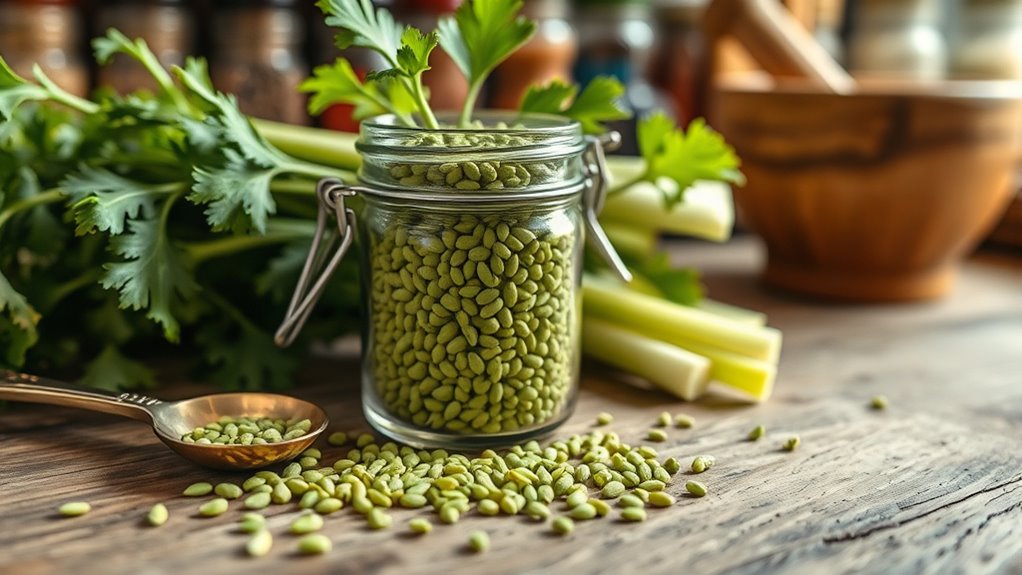
Celery seed is the small, dried fruit of the celery plant, known for its concentrated flavor and strong aroma. When you use it, you get a bold, earthy, and slightly bitter taste that’s much more intense than fresh celery.
It’s often used in pickling, spice blends, and seasoning mixes. Celery seed is different from celery salt because it’s just the seed without any added salt.
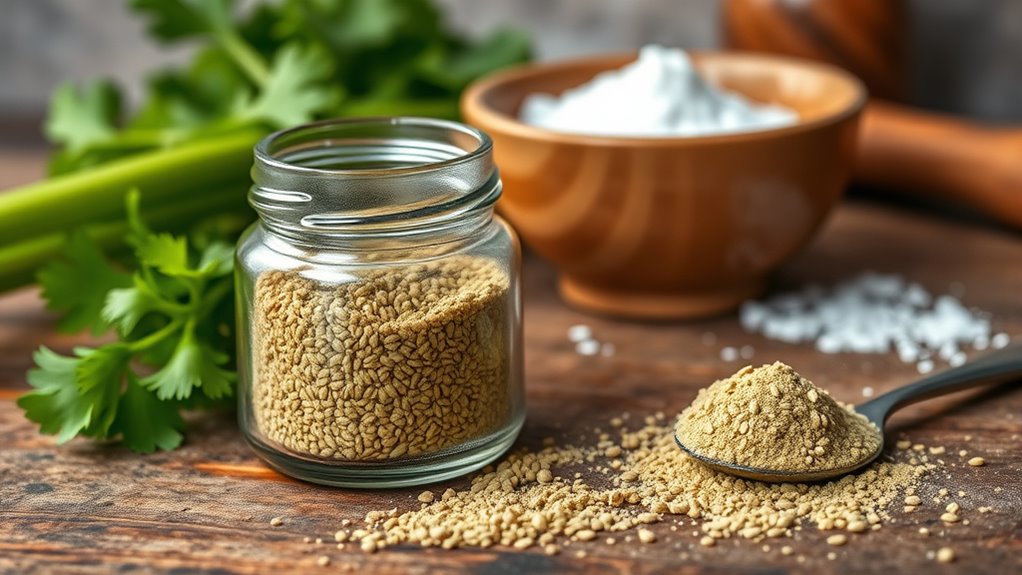
Celery salt combines ground celery seed with salt, making it a salty seasoning that boosts flavor and adds a bit of crunch. If you prefer a more subtle, salt-free option or want to control the salt content, celery seed is a great choice.
Both bring unique flavors, but celery seed offers a more concentrated and earthy profile for your dishes.
When Should You Use Celery Seed Instead of Celery Salt in Recipes?
You should opt for celery seed instead of celery salt when you want to add a more intense, earthy flavor to your dishes without extra salt. Use it in recipes like stews, soups, or roasted vegetables where a deeper, more robust celery note improves the overall flavor.
Celery seed is perfect when you’re aiming for a concentrated celery taste without increasing sodium content, especially if you’re watching your salt intake. It also works well in spice blends, marinades, and barbecue rubs, adding complexity without overpowering other ingredients.
If you prefer a subtle celery aroma with minimal saltiness, celery seed is your best choice. Remember, it’s more potent than celery salt, so use it sparingly to get the flavor just right.
How to Adjust Seasoning When Substituting Celery Seed for Celery Salt
Since celery seed is more concentrated and less salty than celery salt, adjusting your seasoning is really important to get the flavor just right without going overboard.
Start by using about half or two-thirds of the amount of celery seed compared to what the recipe calls for in celery salt. Then, taste and adjust as needed.
Because celery seed isn’t salty, you might want to add a pinch of salt separately to balance everything out.
Keep in mind that celery seed has a stronger, more pungent flavor, so add it gradually.
Tasting as you go will help ensure you don’t overpower your dish and achieve the perfect flavor profile.
Best Ways to Incorporate Celery Seed Into Soups and Stews
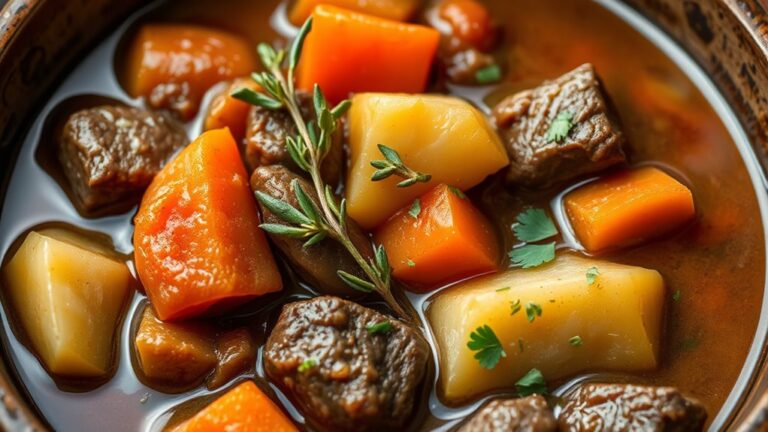
Adding celery seed to soups and stews is a great way to deepen their flavor and add a subtle, earthy note. You can sprinkle it during cooking to infuse the dish with its aroma or add it early so the flavors meld together.
Ground celery seed works well in thick stews, while whole seeds add texture and visual interest. Toast the seeds briefly before adding them to maximize their aroma and flavor.
Use celery seed sparingly—about ½ teaspoon per serving—because its flavor is quite potent. Here’s a quick guide:
| Method | Tip |
|---|---|
| Ground celery seed | Mix into broth or seasonings for even distribution |
| Whole seeds | Add early in cooking for a subtle infusion |
| Toasted seeds | Toast briefly to enhance aroma before adding |
| Near the end | Use for a more pronounced, fresh flavor |
Using Celery Seed in Salads and Dressings as a Salt Alternative
You can boost salad flavors and add depth by sprinkling celery seed instead of salt. It’s a simple way to enhance taste without overdoing it.
It also helps balance the acidity in dressings, making them more harmonious. Plus, using celery seed reduces your sodium intake without sacrificing flavor.
Enhancing Salad Flavors
Celery seed can be a powerful flavor booster for salads and dressings, offering a savory, slightly peppery taste that improves freshness. By adding it strategically, you can enrich the salad’s depth without relying on salt.
Sprinkle it over greens or mix it into vinaigrettes to raise the overall flavor profile. Its aromatic qualities complement ingredients like cucumbers, tomatoes, and herbs, making every bite more vibrant.
You can also blend it into creamy dressings for a subtle, savory kick that ties all the flavors together. Using celery seed this way helps you create more complex salads without extra salt.
It’s a simple, natural way to boost flavor while maintaining a healthy, low-sodium diet.
- Enhances freshness and aroma
- Complements a variety of vegetables and herbs
- Adds depth to homemade dressings
Balancing Dressing Acidity
Balancing the acidity of dressings is key for creating a harmonious flavor, especially if you’re aiming for a salt-free option. Celery seed adds a subtle earthiness that can help mellow out bright or tangy ingredients like vinegar or citrus.
When making your dressing, start by adding a small amount of celery seed and taste as you go. It helps to round out sharp flavors without overpowering the dish. If your dressing feels too acidic, a pinch of celery seed can add depth and balance.
You can also combine it with a touch of sweetness or creamy ingredients to soften acidity even more. Using celery seed thoughtfully ensures your salad dressing stays flavorful, well-rounded, and satisfying—even without salt.
Reducing Sodium Content
Incorporating celery seed into salads and dressings offers a flavorful way to cut down on salt without sacrificing taste. Celery seed provides a savory, slightly spicy flavor that enhances your dishes while reducing sodium intake.
Instead of reaching for salt or processed seasoning mixes, sprinkle celery seed directly onto greens or mix it into your dressings for added depth. Its natural flavor lets you enjoy the same satisfying taste with less sodium, which is good for your health.
You can also combine celery seed with herbs like dill or parsley for a fresh, low-salt boost. This simple swap helps you keep flavor while managing blood pressure and reducing health risks related to excess salt.
- Adds depth without extra salt
- Boosts flavor naturally
- Supports healthier eating habits
How to Use Celery Seed in Marinades and Meat Dishes for a Peppery Kick
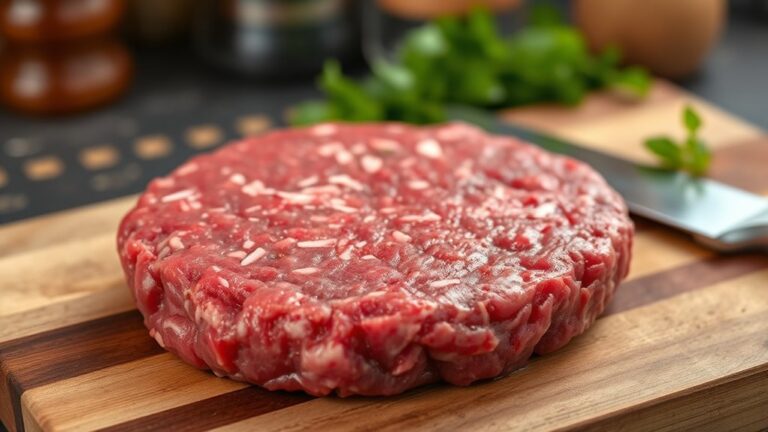
Adding celery seed to your marinades instantly elevates flavor with a sharp, peppery note that complements meat perfectly. It also helps tenderize tougher cuts, making your dishes more succulent.
Next, let’s look at how to balance these improvements for the best results. A little goes a long way, so start with a small amount and adjust to taste.
Mix it into your marinade with other herbs and spices for a well-rounded flavor. It’s especially great in beef, chicken, and pork dishes for that extra kick.
Enhancing Flavor Profiles
To give your marinades and meat dishes a bold, peppery kick, sprinkle celery seed directly into the mix. Its distinct flavor improves the overall profile, adding depth and complexity. Use it to complement smoky, savory, or spicy ingredients for a well-rounded taste.
Celery seed’s earthy, slightly bitter notes elevate the natural flavors of meats and marinades. You can mix it into steak marinades for a subtle, peppery undertone or combine it with garlic and herbs for chicken or pork rubs.
Add it to barbecue sauces to deepen flavor and add a hint of bitterness. These small adjustments make a big difference, enriching your dishes with a balanced, aromatic zest that keeps everyone coming back for more.
Boosting Meat Tenderness
Sprinkling celery seed into your marinades not only boosts flavor but also helps break down muscle fibers, making meats more tender. The natural enzymes and compounds in celery seed penetrate the meat, softening tougher cuts over time.
To get the best results, combine celery seed with acidic ingredients like vinegar or lemon juice, which further tenderize the meat. Marinate your meat for at least a couple of hours or overnight for maximum tenderness.
When you cook it, the tenderized meat will be more succulent and easier to chew. Celery seed adds a subtle peppery bite that enhances the overall flavor without overpowering it.
Use it generously in marinades or rubs for steaks, roasts, or even poultry. The result is meat that’s not only flavorful but also tender and juicy.
Incorporating Celery Seed Into Pickling and Preserving
Incorporating celery seed into pickling and preserving recipes adds a unique flavor with its slightly bitter and peppery notes. It brings depth to your preserved foods without overwhelming other ingredients.
Celery seed adds depth and a peppery, slightly bitter note to your pickles and preserves without overpowering flavors.
When you include celery seed, you boost the aroma and complexity of pickled vegetables, relishes, or chutneys. Its bold flavor pairs nicely with garlic, dill, and vinegar for a balanced taste.
You can add celery seed directly to your brine or spice mixes for a more intense flavor. It also helps extend the shelf life of your preserved goods thanks to its natural antioxidant properties.
Try mixing celery seed into your pickle brine for a subtle, flavorful kick. Combine it with spices like mustard seeds and peppercorns for a well-rounded blend.
Using celery seed in chutneys and relishes can really amplify richness and complexity, making your preserves even more delicious.
How to Grind and Distribute Celery Seed Evenly in Your Cooking
Grinding celery seed evenly ensures its flavor spreads throughout your dish, avoiding spots that are too strong or too weak. Use a spice grinder or mortar and pestle to turn the seeds into a fine powder.
Pulsing the grinder in short bursts helps prevent over-processing. Once ground, transfer the celery seed to a small bowl and stir with a spoon to break up any clumps.
To distribute the flavor during cooking, sprinkle the ground seed slowly and steadily over your ingredients, stirring as you go. For more evenness, try pre-mixing the ground celery seed with other dry spices or herbs before adding them to your dish.
This way, you’ll get consistent flavor in every bite.
Common Mistakes When Replacing Celery Salt With Celery Seed
When replacing celery salt with celery seed, you might accidentally use the wrong measurement ratios, which can throw off your dish’s flavor balance. Keep in mind that celery seed is more potent, so using too much can overpower your recipe.
Being precise with quantities helps avoid an overly strong taste and guarantees your dish turns out just right.
Incorrect Measurement Ratios
One common mistake when substituting celery seed for celery salt is using the same measurement ratio without adjustments. Celery seed is more concentrated than celery salt, so using equal amounts can overpower your dish. To avoid this, start with a smaller quantity and taste as you go.
Keep in mind that using too much celery seed can make your dish bitter or overly intense. Relying on the same measurements ignores the potency difference. Not adjusting could change the flavor balance significantly.
Overly Potent Flavor
Using too much celery seed as a substitute can easily lead to an overpowering and bitter flavor in your dish. Since celery seed has a concentrated taste, adding too much can overpower other ingredients and throw off your balance.
To avoid this, start with a small amount—about half the amount of celery salt called for—and taste as you go. Remember, the flavor of celery seed is more intense, so a little goes a long way.
If you find the taste too strong, dilute it with additional ingredients or reduce the amount in future recipes. Overly potent celery seed can mask other flavors and make your dish less enjoyable.
Adjust gradually, and always taste before serving to prevent an overpowering, bitter result.
Creative Ideas for Using Celery Seed in Your Favorite Recipes
Incorporating celery seed into your recipes can add a subtle, earthy flavor that enhances a variety of dishes. You can sprinkle it onto salads for a little extra depth or mix it into dressings to boost flavor.
It also works great in soups and stews, giving them a savory kick without overpowering other ingredients.
Here are some creative ideas:
- Use celery seed in homemade pickles for a unique twist.
- Add it to spice blends or rubs for grilled meats.
- Incorporate it into bread or crackers for a tasty, savory snack.
Experimenting with celery seed is an easy way to elevate your cooking, making simple dishes more flavorful and interesting.
Frequently Asked Questions
Can Celery Seed Completely Replace Celery Salt in All Recipes?
Celery seed can’t completely replace celery salt in all recipes because it doesn’t contain the salt, which impacts flavor and seasoning balance.
You can use celery seed as a substitute by adding salt separately, but it won’t have the salty taste of celery salt on its own.
For recipes that need both flavor and saltiness, mix celery seed with salt or adjust your seasonings to get the taste just right.
Are There Health Benefits to Using Celery Seed Over Celery Salt?
Yes, celery seed offers health benefits over celery salt. Think of it as a tiny powerhouse packed with antioxidants, anti-inflammatory compounds, and essential nutrients like magnesium and potassium.
When you choose celery seed, you’re giving your body a boost without the added sodium that comes with salt. This makes it a smart choice for heart health and blood pressure management, helping you stay balanced and vibrant.
How Long Does Celery Seed Last Before It Loses Potency?
Celery seed usually stays good for about 2 to 3 years before it starts losing its strength if you store it properly in a cool, dark, airtight container.
Over time, you’ll notice its flavor weakens, so the aroma and taste may become less vibrant.
To keep it fresh longer, check the expiration date on the package and keep it away from heat and moisture.
You can also smell or taste the seed occasionally to see if it still has that strong flavor you need for your recipes.
What Are the Best Substitutes if I Don’t Have Celery Seed?
Think of your spice rack as a treasure chest. If you’re out of celery seed, try using caraway seeds or fennel seeds, which bring a similar earthy, slightly bitter note.
Ground dill or parsley can also work, adding freshness. Crush the seeds slightly to release more flavor before adding.
These substitutes can fill in seamlessly, ensuring your dish keeps its signature flavor without missing a beat.
Is Celery Seed Suitable for People on Low-Sodium Diets?
Yes, celery seed is suitable for people on low-sodium diets because it contains minimal sodium compared to celery salt, which is usually heavily salted. You can use celery seed to add flavor without increasing your sodium intake.
Just keep in mind that while it’s lower in sodium, it still has a concentrated flavor, so use it sparingly to avoid overpowering your dishes.
Conclusion
Next time you run out of celery salt, keep in mind that celery seed can be a versatile substitute. Did you know that celery seed has been used for centuries not just for flavor but also for its health benefits?
With about 15% of the world’s population relying on herbs like celery seed for their culinary and medicinal needs, you’re joining a long tradition. So, experiment confidently—your dishes and your palate will thank you! Using celery seed instead of celery salt is a great way to add flavor and health benefits to your cooking.