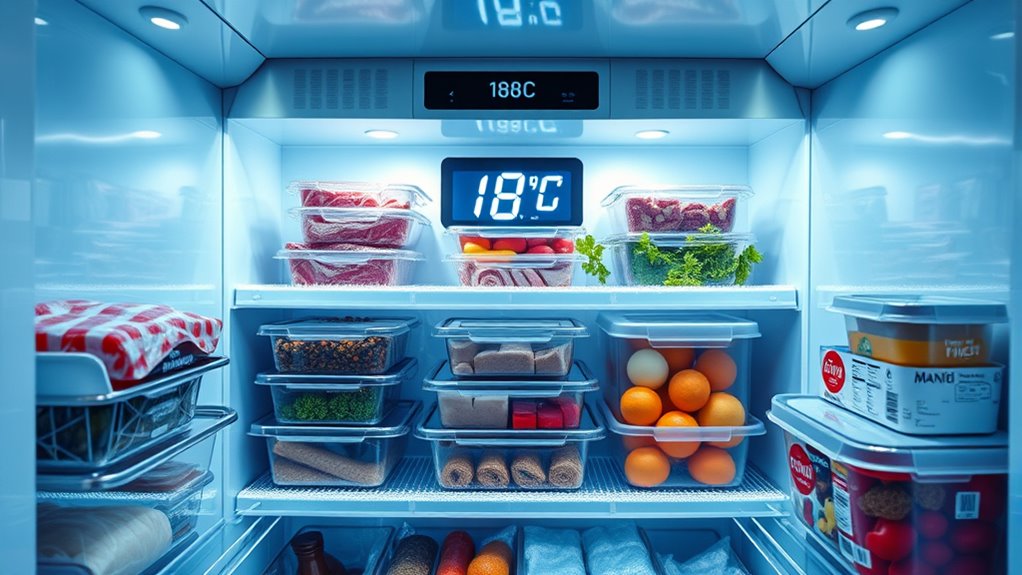
Ideal Freezer Temp for Food Safety?
Many people struggle with keeping their food safe and fresh in the freezer. It’s frustrating to find spoiled leftovers or freezer burn because the temperature wasn’t just right. You’re not alone—proper freezer temperature is key to preserving your food’s quality.
For safe food storage, keep your freezer at 0°F (-18°C). This temperature stops bacterial growth and prevents spoilage, helping your food stay fresh and safe to eat.
Regularly check your freezer’s temperature using a reliable thermometer and adjust the thermostat as needed. Avoid common mistakes like overloading or leaving the door open.
Maintaining a consistent, correct temperature is essential. Staying vigilant will help you preserve food quality—there’s more to learn about keeping your freezer efficient.
Key Takeaways
- The ideal freezer temperature for food safety is 0°F (-18°C).
- Keeping your freezer at this temperature helps stop bacteria from growing and keeps your food from spoiling.
- The recommended range is between 0°F and 5°F.
- It’s a good idea to check with a thermometer regularly to make sure your freezer stays at the right temperature.
- When your freezer is at the proper temperature, it not only keeps your food safe but also helps maintain its quality and reduces health risks.
What Is the Ideal Freezer Temperature for Food Safety?
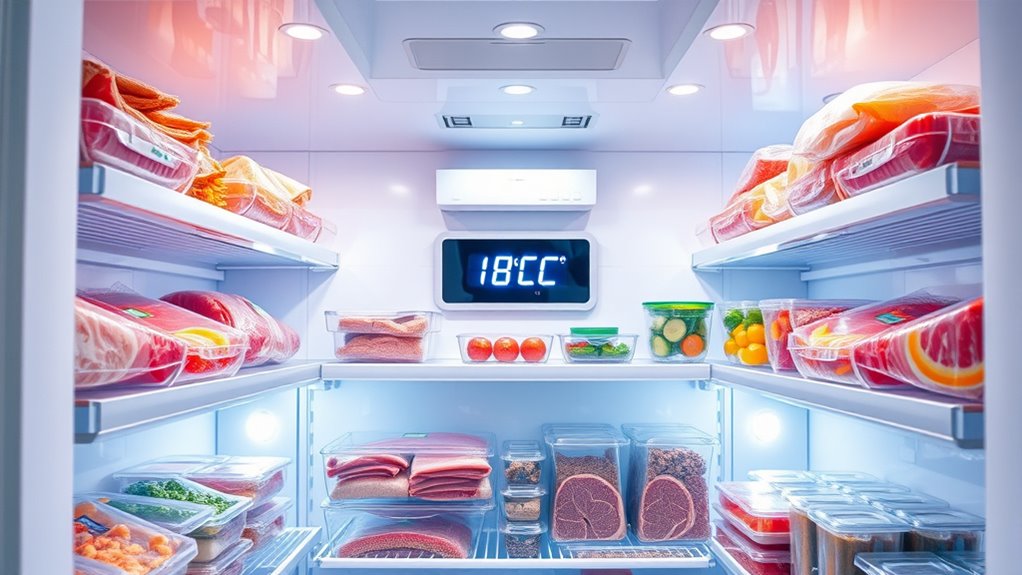
Have you ever wondered what the best freezer temperature is to keep your food safe? The ideal temperature for your freezer is 0°F (-18°C). This temperature stops bacterial growth and prevents spoilage, helping your food stay fresh longer.
When your freezer hits 0°F, it effectively slows down enzyme activity, which helps maintain the quality of meats, vegetables, and leftovers. Anything warmer can allow bacteria to multiply, increasing the risk of foodborne illnesses.
Keep in mind, a thermometer inside your freezer can help you monitor the temperature accurately. Don’t rely on the freezer’s display alone, as it might not reflect the true temperature.
Consistently maintaining this temperature guarantees your food stays safe, nutritious, and ready to enjoy whenever you need it.
Why Maintaining the Correct Freezer Temperature Is Important
Keeping your freezer at the right temperature stops bacteria from growing and keeps your food safe. It also helps maintain the quality and flavor of your stored items.
When your freezer is too warm, both safety and freshness are at risk. That’s why it’s important to check and set the correct temperature regularly.
Prevents Bacterial Growth
Maintaining the correct freezer temperature is essential because it slows down bacterial growth, preventing harmful microorganisms from reproducing rapidly. When your freezer stays at 0°F (-18°C), it halts most bacterial activity, keeping food safer for longer periods.
Bacteria thrive in warmer temperatures, so even slight increases can lead to faster growth. Cold temperatures don’t kill bacteria outright but put them into a dormant state, stopping their reproduction.
If your freezer is too warm, bacteria can still grow, increasing the risk of foodborne illness once the food is thawed. Consistently maintaining the proper temperature guarantees bacteria remain inactive, giving you peace of mind that your stored food stays safe and free from dangerous microorganisms.
Preserves Food Quality
Proper freezer temperature is key to keeping your food’s texture, flavor, and overall quality intact. When your freezer stays at the right temperature, your meals stay fresh longer, tastes stay true, and textures remain firm.
If it’s too warm, ice crystals form, leading to freezer burn and ruining your favorite foods. Keeping the correct temperature protects your investment and ensures every bite is as delicious as the day you bought it.
Here’s what you might lose or gain:
| Loss Without Proper Temp | Benefit of Correct Temp |
|---|---|
| Freezer burn | Fresh, flavorful foods |
| Texture deterioration | Perfectly preserved textures |
| Flavor loss | Vibrant, intact flavors |
| Shorter storage time | Longer-lasting freshness |
| Food waste | Cost-effective, reliable preservation |
How to Check Your Freezer Temperature Accurately
Wondering how to guarantee your freezer stays at the right temperature? The key is to check it regularly with a reliable thermometer.
Use a digital or dial thermometer designed for freezers, and place it in the center of the freezer, away from walls or door openings. Wait at least 24 hours for an accurate reading before recording the temperature.
If your freezer has a built-in thermometer, confirm it matches the external one. Avoid opening the door frequently while checking, as this can cause temperature fluctuations.
Record the reading and compare it to the recommended 0°F (-18°C). Regular checks help ensure your freezer maintains a safe environment for food storage and prevent spoilage or foodborne illnesses.
How to Adjust Your Freezer Temperature Properly
To keep your freezer at the right temperature, check it regularly and use a reliable thermometer.
Make sure you’re reading the thermometer correctly to get an accurate measurement.
When adjusting the settings, do it gradually and double-check the temperature to ensure it stays within the safe range.
Checking Temperature Regularly
Regularly checking your freezer’s temperature guarantees it stays at the ideal level for food safety. Use a reliable thermometer to monitor the temperature at least once a month.
Place the thermometer in the center of the freezer, away from the door or walls, for an accurate reading. If the temperature rises above 0°F (-18°C), adjust the thermostat immediately to prevent spoilage and bacteria growth.
Keep a record of your temperature readings to track consistency over time. Regular checks help you catch issues early, like a malfunctioning door seal or defrost cycle problems.
Making these checks regularly ensures your freezer operates efficiently, keeps food safe, and extends its lifespan. Remember, proactive monitoring is key to maintaining proper food storage conditions.
Using a Thermometer Correctly
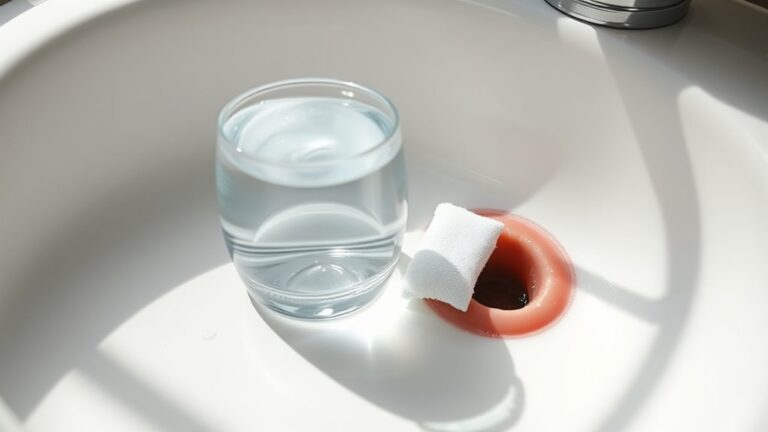
Once you’ve checked your freezer’s temperature and confirmed it’s above 0°F (−18°C), it’s time to adjust the thermostat to bring it back into the safe range. To do this accurately, place a reliable thermometer in a glass of water inside the freezer. Close the door and wait about 8-12 hours for an accurate reading.
Avoid guessing or relying only on the built-in dial, as they can be inaccurate. If your thermometer shows a temperature above 0°F, turn the thermostat dial to a colder setting, usually marked with a higher number. Make small adjustments and wait again before rechecking.
Proper use of a thermometer guarantees you set your freezer to the right temperature for safe food storage.
Adjusting Settings Properly
When adjusting your freezer’s temperature, start by turning the thermostat dial to a colder setting, usually marked with a higher number. Then, wait at least 8 to 12 hours before rechecking the temperature.
To get it right, follow these steps:
- Use a thermometer placed inside the freezer to monitor the temperature accurately.
- Adjust gradually—make small changes and wait to see their effect.
- Check regularly for consistency, especially after making adjustments or if the freezer runs constantly.
This method helps prevent overshooting the ideal temperature. Proper adjustments keep your food safe and maintain its quality. Remember, patience is key—small tweaks lead to great results.
Common Freezer Temperature Mistakes That Lead to Food Spoilage
Many people set their freezer temperature too high, which can cause food to spoil faster. When it isn’t cold enough, bacteria and mold can grow on frozen foods, leading to quicker spoilage.
This mistake often happens when you forget to check the temperature regularly or just rely on the freezer’s default setting. Another common error is changing the temperature often, which disrupts the freezing process and can cause freezer burn or thawing and refreezing of food.
Overloading your freezer can block airflow, making it hard to keep a consistent temperature. Also, leaving the door open for too long lets warm air in, raising the temperature inside.
These mistakes can compromise food safety and quality, leading to more waste and potential health risks.
How Freezer Temperature Affects Food Quality and Shelf Life
The temperature inside your freezer directly impacts the quality and longevity of your stored foods. If it’s too warm, foods can develop freezer burn, lose flavor, and degrade in texture. Conversely, a properly set freezer preserves food’s freshness and extends shelf life. Here’s how temperature plays a role:
- Maintains Texture: A consistent cold prevents ice crystals from forming inside cell walls, keeping foods tender.
- Prevents Spoilage: Lower temperatures inhibit bacteria and mold growth, reducing spoilage risks.
- Extends Shelf Life: Proper freezing slows enzyme activity, allowing foods to stay safe and good for longer periods.
Keeping your freezer at the right temperature helps you enjoy quality foods longer and minimizes waste.
Tips for Keeping Your Freezer Temperature Consistent
Keeping your freezer temperature consistent is key to keeping your food fresh and safe. Try not to overload your freezer, as this can block airflow and lead to uneven temperatures.
Make sure to check the door seal regularly to ensure it’s airtight. This helps keep warm air out and maintains a steady temperature inside. Keep the door closed as much as possible and only open it briefly when needed.
If you notice the door isn’t sealing properly or the freezer isn’t cooling well, take care of those issues quickly. Also, avoid putting hot or warm food directly into the freezer because it can raise the overall temperature.
Finally, keep your freezer in a cool, stable spot away from heat sources like sunlight or ovens. This helps maintain a consistent temperature and keeps everything running smoothly.
Using a Freezer Thermometer Effectively
To guarantee your freezer stays at the ideal temperature, using a freezer thermometer correctly is essential. First, place the thermometer in the center of the freezer, away from walls or door openings, to get an accurate reading.
Second, check the temperature at least once a month to verify it stays between 0°F and 5°F. Third, adjust your freezer’s thermostat if the thermometer indicates a higher or lower temperature than recommended.
Always keep the thermometer clean and free of frost buildup for clear readings. Regularly monitoring your freezer with a reliable thermometer helps prevent food spoilage and maintains safety.
Frequently Asked Questions
How Often Should I Check My Freezer Temperature?
You should check your freezer temperature at least once a month to ensure your food stays safe. Regular checks help catch any temperature changes early, preventing spoilage and bacteria growth.
Use a reliable thermometer placed inside the freezer, preferably near the door. If you notice the temperature rises above 0°F (-18°C), adjust the thermostat right away.
Consistent monitoring keeps your frozen foods safe and helps your appliance run efficiently.
What Signs Indicate My Freezer Temperature Is Too High?
You might notice your freezer temperature is too high if food starts thawing or develops ice crystals.
Other signs include frost buildup, unusual odors, or ice cream that’s softer than usual.
These clues suggest your freezer isn’t keeping things cold enough.
Regularly checking and adjusting the temperature helps keep your food safe and fresh.
If you see these signs, it’s a good idea to troubleshoot and fix the issue quickly.
Can a Power Outage Affect Freezer Temperature Safety?
Yes, a power outage can affect your freezer’s temperature safety. When the power goes out, the freezer stops cooling, allowing the temperature to rise.
If the outage lasts too long, frozen items may start to thaw, risking bacteria growth.
Once power is restored, check the freezer’s temperature. If it’s above 40°F for over two hours, you should discard perishable food to prevent foodborne illnesses.
Is There a Difference Between Freezer and Refrigerator Temperature Settings?
Yes, there’s a difference between freezer and refrigerator temperature settings. You should set your freezer to 0°F (-18°C) to keep food safe and preserve quality.
Your refrigerator should stay around 37°F (3°C) to slow bacterial growth. Adjusting these temperatures helps ensure your food stays fresh longer and reduces spoilage.
Always check and adjust the settings regularly to maintain proper food safety standards.
How Do External Factors Influence Freezer Temperature Stability?
Think of your freezer like a trusty steed that needs steady discipline. External factors such as frequent door openings, room temperature, and power fluctuations can cause temperature swings.
If you keep opening the door often or place the freezer in a hot environment, it struggles to stay at a consistent 0°F. To keep things stable, try to minimize door openings and ensure proper insulation.
Also, avoid placing your freezer near heat sources or direct sunlight. These external factors can make it harder for your freezer to maintain the right temperature.
Conclusion
Keeping your freezer at the right temperature is like tuning a fine instrument. It guarantees everything plays in harmony. Regularly checking and adjusting your freezer helps prevent food spoilage and keeps quality high.
Think of your freezer as a guardian of freshness, standing watch to keep bacteria at bay. Staying vigilant, using a thermometer, and maintaining the ideal temperature will ensure your food stays safe and delicious longer.
Remember, the ideal freezer temperature for food safety is 0°F (-18°C). Keeping it at this level turns your freezer into a fortress of freshness rather than a trap for spoilage.