7 Classic Old Whirlpool Washer Models You Should Know
Many people struggle with finding reliable, durable washers that stand the test of time. If you’re nostalgic for vintage appliances or want to understand the history behind Whirlpool washers, you’re not alone.
Uncover seven classic Whirlpool washer models that highlight the brand’s evolution and craftsmanship. These include vintage favorites like the Whirlpool Westinghouse Automatic Washer and iconic 1970s models with bold colors and simple controls.
Each model showcases innovations, durability, and nostalgic design elements still appreciated today.
If you want to investigate the stories behind these timeless machines and learn how to recognize or restore them, there’s plenty more to reveal below.
Key Takeaways
- Notable models include the Whirlpool Westinghouse Automatic Washer, Super 12, and Super 15. These are known for their durability and large capacity.
- Vintage Whirlpool washers often feature simple, manual controls. They focus on core functionality and are built to last.
- The models from the 1970s stood out with bold colors and minimalist controls. They combined style with easy-to-use operation.
- Collectors really value models that have authentic parts and detailed repair records. This helps preserve their originality and historical importance.
- These classic washers are celebrated for being reliable and cost-effective. They also have a nostalgic charm that many people love.
The Evolution of Whirlpool Washers: From Vintage to Modern
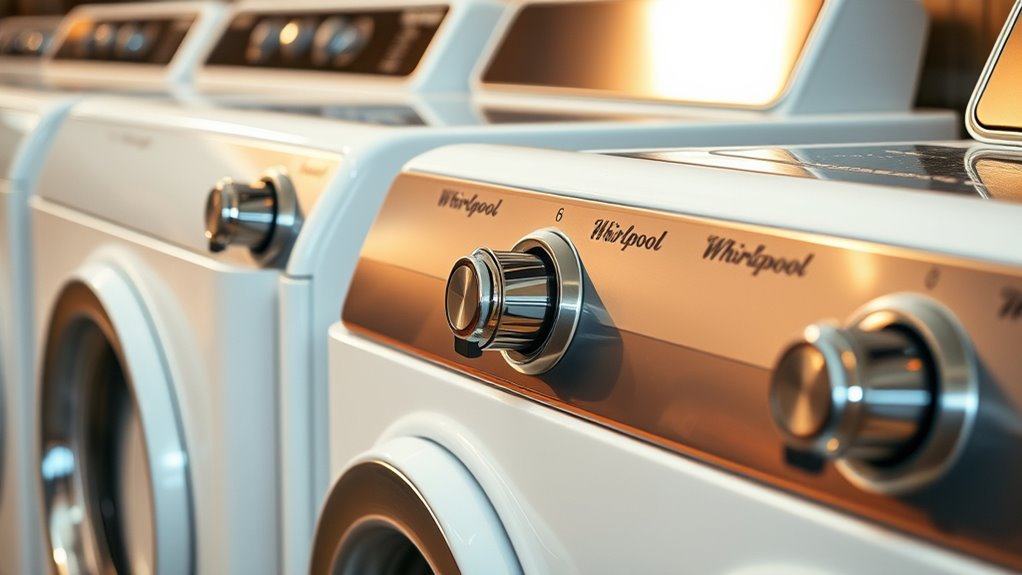
Though early Whirlpool washers were simple and manual, they laid the foundation for the advanced appliances we rely on today. These vintage models introduced basic washing functions with manual controls, offering a straightforward approach to laundry.
As technology progressed, Whirlpool innovated with automatic cycles, faster spin speeds, and improved water efficiency. The 1950s and 1960s saw the rise of more reliable, user-friendly machines that reduced manual effort and boosted convenience.
Over time, features like agitators, multiple wash settings, and durability enhancements became standard. Today’s Whirlpool washers are high-tech marvels, integrating smart technology, energy efficiency, and customizable cycles.
Modern Whirlpool washers combine advanced smart tech, customizable cycles, and durability for effortless, efficient laundry.
This evolution reflects a commitment to advancing performance, convenience, and sustainability. It’s transformed laundry from a chore into an efficient, seamless process.
Top Whirlpool Washer Models From the 1950S and 1960S
During the 1950s and 1960s, Whirlpool introduced a series of washer models that laid the groundwork for modern laundry appliances. The Whirlpool Westinghouse Automatic Washer, introduced in the late 1950s, was a real game-changer with its automatic cycle and electric controls, making laundry much easier.
In the early 1960s, models like the Whirlpool Super 12 and Super 15 became popular because of their durability and efficient performance. They had large capacities, simple controls, and were known for reliable operation, which appealed to busy households.
Whirlpool’s focus on innovation and user-friendly designs helped build its reputation during this era. If you’re into vintage appliances, these models show how Whirlpool started transforming household chores with better laundry technology.
Iconic 1970s Whirlpool Washer Designs That Changed Everything
In the 1970s, Whirlpool washers combined retro style with innovative features that set new standards. Their bold designs and technological advancements made laundry appliances more efficient and visually appealing.
These models truly transformed what consumers expected from washing machines during that era.
Retro Aesthetic Appeal
The 1970s brought a bold and vibrant shift in appliance design, and Whirlpool’s washers of that era exemplified this retro aesthetic perfectly. Bright colors, sleek lines, and distinctive shapes made these models stand out.
Their bold hues—orange, avocado green, and mustard yellow—added a pop of personality to any laundry room. The smooth, rounded edges and minimalist controls created a playful yet functional look.
These designs weren’t just about style; they made laundry feel more fun.
| Color Options | Shape Features | Iconic Models |
|---|---|---|
| Vibrant Orange | Rounded Edges | Kenmore 70 Series |
| Avocado Green | Sleek, Compact | Whirlpool Super Capacity |
| Mustard Yellow | Minimal Controls | Whirlpool Classic 1972 |
Technological Innovations
In the 1970s, Whirlpool transformed laundry appliances with technological innovations that set new standards in efficiency and convenience. They introduced automatic cycles, so you no longer had to manually control water levels or cycle times.
The development of timed wash cycles allowed you to customize cleaning, saving time and water. Innovations like agitation systems improved cleaning power while reducing fabric wear.
Whirlpool also integrated thermostats for precise temperature control, helping you better care for different fabrics. The introduction of spin speeds shortened drying times and minimized wrinkles.
These advancements made laundry easier, faster, and more effective, changing how you approached washing clothes. Whirlpool’s technological breakthroughs in the 1970s laid the foundation for the smart, efficient washers we use today.
Key Features of Whirlpool Washers in the 1980s and 1990s
During the 1980s and 1990s, Whirlpool washers introduced innovative features that set them apart from competitors and made laundry chores more efficient. You’ll notice their use of automatic cycle selection, which allowed you to choose the load type and let the machine do the rest.
Many models included water level controls, helping you conserve water based on load size. They also featured agitation systems designed for gentle yet thorough cleaning, reducing fabric wear. Spin speeds increased, cutting down drying time and saving energy.
Some models incorporated timers and delay start options, giving you more flexibility in scheduling laundry. Overall, these features made Whirlpool washers more user-friendly, reliable, and capable of handling diverse laundry needs with less effort.
How to Identify and Restore Vintage Whirlpool Washers
Identifying vintage Whirlpool washers requires a keen eye for specific model features and markings. Look for model numbers on the control panel, door frame, or behind the lid. These often include codes that indicate the year or series.
Examine the cabinet style, control knobs, and logo design, which can help date the model. Restoring a vintage washer involves cleaning components thoroughly, replacing worn belts, hoses, or seals, and checking the motor and wiring for damage.
Use authentic or compatible replacement parts to maintain originality. Be cautious with electrical repairs—it’s best to consult a professional if needed. Keep original features intact whenever possible, and document your restoration process.
With patience and attention to detail, you can bring a vintage Whirlpool washer back to life. This helps preserve both its functionality and nostalgic charm.
Must-Know Tips for Collecting and Restoring Old Whirlpool Models
Once you’ve learned how to identify and restore vintage Whirlpool washers, the next step is mastering the art of collecting and maintaining these prized machines. Start by researching models to understand their rarity and historical value.
Focus on acquiring units with original parts and minimal rust or damage. When restoring, prioritize cleaning and replacing worn components without over-modifying.
Aim to acquire units with original parts and minimal damage, restoring gently without over-modifying for authenticity.
Keep detailed records of repairs and parts used to maintain authenticity. Store your washers in a dry, climate-controlled environment to prevent deterioration.
Networking with other collectors can provide valuable insights and access to rare models. Regular maintenance, like lubricating moving parts and checking hoses, keeps your washers in top condition.
Patience and attention to detail will ensure your collection remains a lasting tribute to Whirlpool’s legacy.
Why Vintage Whirlpool Washers Still Matter Today
Vintage Whirlpool washers still matter today because they offer unmatched durability and long-lasting performance you can rely on. They’re built to last and keep working well for years.
They also carry a nostalgic charm that reminds you of simpler times while adding character to your home. It’s like having a little piece of history right in your laundry room.
Plus, their dependable function proves that good design and quality still stand the test of time. That’s what makes them worth appreciating even today.
Durability and Longevity
Despite advances in modern appliance technology, many vintage Whirlpool washers continue to impress with their durability and long-lasting performance. These models were built to withstand frequent use and tough conditions, often outlasting newer options.
Their sturdy construction, quality materials, and simple mechanical parts reduce the risk of breakdowns, making them reliable over decades. You’ll find that vintage Whirlpool washers often need fewer repairs and less maintenance, saving you money and hassle.
Their robust design means they handle heavy loads and tough stains without faltering. If you value appliances that stand the test of time, these old Whirlpool models are a testament to quality craftsmanship, showing that well-made appliances can serve you reliably for many years.
Nostalgic Appeal
Even as modern appliances offer advanced features, vintage Whirlpool washers have a special nostalgic charm that many still cherish today. They remind you of simpler times when doing laundry was straightforward, not high-tech.
These machines bring back memories of family, home, and tradition. They’re more than just appliances—they’re sentimental treasures. Their classic design and simple operation give you a sense of familiarity and comfort.
For many, vintage Whirlpool washers stand for durability and reliability from an era when quality mattered most. Plus, owning or restoring one connects you to the past and preserves a piece of laundry history.
Their timeless appeal still resonates with those who appreciate craftsmanship and the nostalgic beauty of vintage appliances.
Reliable Performance
Many people keep trusting vintage Whirlpool washers because they’re known for consistent, dependable performance. These models are built with sturdy parts that last for years, making them reliable over time.
Their simple design reduces the chances of breakdowns, and their effective washing cycles ensure your clothes come out clean every time. Unlike some modern machines that focus on extra features, vintage Whirlpool washers prioritize core functionality.
If you value reliability and long-term performance, these washers are a smart choice. Their proven track record means you can trust them to handle your laundry needs without frequent repairs, saving you time and money in the long run.
Frequently Asked Questions
Are Vintage Whirlpool Washers Compatible With Modern Plumbing?
Vintage Whirlpool washers can often work with modern plumbing, but it really depends on their specific connections and age.
You might need adapters or fittings to match current hose sizes or inlet types. It’s important to check the washer’s inlet and outlet connections and compare them to your current plumbing setup.
If you’re unsure, it’s a good idea to consult a plumber. They can ensure everything connects properly and help prevent potential damage or leaks.
What Are the Common Issues With Old Whirlpool Washer Models?
Old Whirlpool washer models often have issues like leaking water because of worn-out seals. The drum might not spin, or it may not drain properly, causing frustration.
You might also run into problems with the timer or motor, which can make the cycle stop unexpectedly. Over time, parts like belts or hoses can wear out, leading to leaks or strange noises.
Regular maintenance and replacing parts on time can help keep your vintage washer running smoothly.
How Much Do Vintage Whirlpool Washers Typically Cost Today?
Vintage Whirlpool washers typically cost between $100 and $300 today, depending on their age, condition, and rarity. Think of these machines as nostalgic treasures that remind us of simpler times when laundry was a ritual of care.
As you seek one, you’ll feel a connection to the past and appreciate its sturdy build and timeless design. Investing in a vintage washer means embracing history, durability, and a piece of home’s heart.
Can Old Whirlpool Washers Be Safely Used for Laundry Now?
Old Whirlpool washers can be used for laundry, but you should exercise caution. Many vintage models lack modern safety features and may not meet current electrical standards.
Before using one, have a professional inspect the machine for wear, wiring issues, or leaks. It’s also a good idea to replace old hoses and check that all parts are in good condition.
Using an outdated washer could pose safety risks or damage your clothes, so proceed carefully.
Where Can I Find Authentic Replacement Parts for Vintage Whirlpool Washers?
Finding authentic replacement parts for vintage Whirlpool washers can feel like searching for a needle in a haystack, but it’s definitely doable.
Start with reputable online marketplaces like eBay or Etsy, where collectors and sellers often list original parts.
You can also check with specialized appliance repair shops or Whirlpool’s official parts distributor.
Joining vintage appliance forums is another great idea. You might connect with enthusiasts who have spare parts or helpful advice.
Conclusion
Now that you’ve checked out these classic Whirlpool washers, you’re better at appreciating their timeless design and innovation.
Whether you’re restoring a vintage model or just impressed by how laundry tech has evolved, remember these machines are like fine wine—only getting better with age.
So, keep your eyes open for these historic gems. Don’t be afraid to channel your inner Indiana Jones as you hunt down and preserve these iconic pieces of home appliance history.