
8 Key Facts About How Much You Can Get From Donating Eggs
Many people considering egg donation wonder about the financial side and what they can expect to earn. You’re not alone—navigating the compensation details can feel confusing and overwhelming.
It’s important to understand the realities so you can make informed decisions. You can typically earn between $5,000 and $10,000 per egg donation, depending on factors like age, health, ethnicity, and location.
Younger, healthy, and diverse donors tend to earn more, especially if you donate multiple times. Some clinics offer extra incentives or bonuses, but compensation varies widely.
It’s crucial to evaluate potential risks and find reputable programs that offer fair pay.
Want to uncover more details? Keep exploring for all the key facts.
Key Takeaways
- Typical egg donation compensation ranges from $5,000 to $10,000 per cycle.
- How much you can get really depends on a few factors like your age, health, ethnicity, and where the clinic is located.
- If you’re a first-time donor, you might earn a bit less compared to someone who has donated before because of experience differences.
- The payout can also vary depending on the region, with some areas offering higher rates than others.
- Having a fair and transparent payment structure is super important for keeping donors satisfied and motivated.
What Is Egg Donation and How Does It Work?
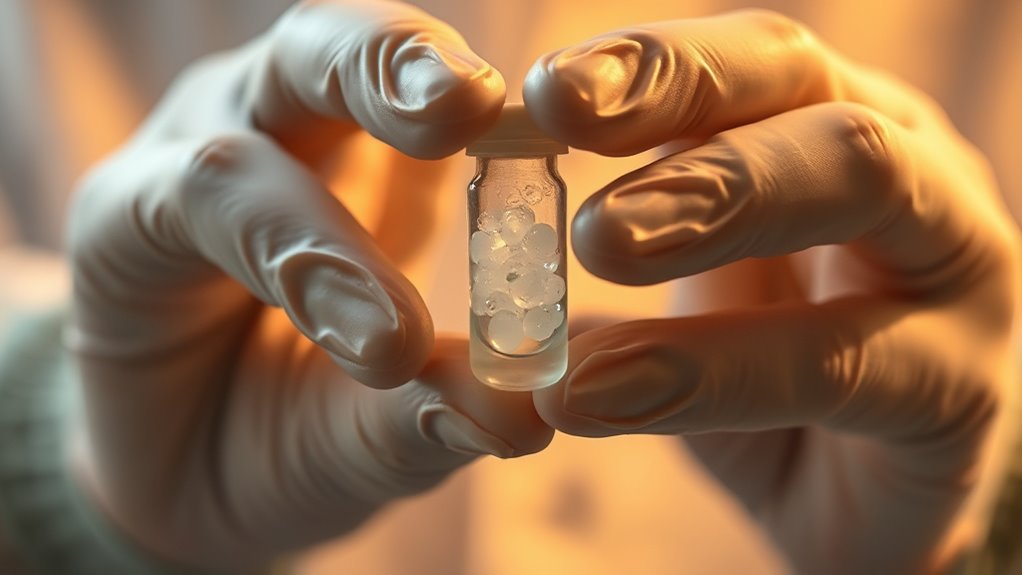
Egg donation is a process where a woman provides her eggs to help someone else conceive. You go through a series of medical tests to make sure you’re a good candidate, like blood tests and health screenings.
Once you’re approved, you’ll take hormone medications to stimulate your ovaries and encourage the development of multiple eggs. During this time, regular ultrasounds will track your progress.
When your eggs are mature, you’ll have a minor procedure called egg retrieval, usually done under anesthesia. During this, a thin needle is inserted through your vaginal wall to collect the eggs from your ovaries.
The eggs are then fertilized with sperm in a lab, and the resulting embryos are transferred to the recipient’s uterus. Your donation can help someone build their family, offering hope and new possibilities for those struggling with infertility.
How Much Can You Expect to Earn From Egg Donation?
You can typically earn between $5,000 and $10,000 per donation, but this varies based on several factors. Your compensation depends on the clinic’s policies, your health profile, and the location.
The payment process usually involves upfront compensation, with additional bonuses possible depending on specific circumstances.
Average Compensation Rates
Most women who donate eggs can expect to earn between $5,000 and $10,000 per cycle, though the exact amount varies based on factors like location, clinic policies, and donor experience.
Typically, compensation falls within this range, but some clinics offer more for donors with specific qualities or higher demand.
Your payout may also increase if you’re a repeat donor or have unique attributes, such as certain ethnic backgrounds or professional qualifications.
Remember, compensation isn’t the only thing to consider—you’ll also undergo medical procedures and screenings.
While the average payout provides a helpful estimate, it’s important to check with individual clinics for their specific rates and protocols.
This will give you a clearer picture of what to expect financially from your donation.
Factors Influencing Pay
Several key factors can influence how much you might earn from egg donation, including your age, health, and ethnic background. Your age is really important—young donors usually earn more because they’re considered better candidates.
Good health, with no genetic issues or lifestyle risks, also boosts your pay. Ethnic background can impact compensation because some agencies look for diverse donors, which might increase your chances of higher pay.
| Factor | How It Affects Pay | Additional Notes |
|---|---|---|
| Age | Younger donors earn more | Ideal age: 20-30 |
| Health Status | Good health increases value | No medical issues |
| Ethnicity | Certain backgrounds may pay more | Diversity options matter |
| Donation Frequency | Fewer donations may mean higher pay | Some clinics prefer limited cycles |
| Location | Some regions offer higher rates | Cost of living influences pay |
Payment Process Overview
Understanding how much you can expect to earn from egg donation involves looking at the typical payment structure and factors that influence compensation. Usually, you’ll receive a lump sum payment after completing the donation process, which includes screening, medication, and retrieval.
The process begins with initial screening, where you’ll provide medical history and undergo testing. Once approved, you’ll receive medications to stimulate your ovaries, followed by the egg retrieval procedure.
Compensation varies based on your location, agency policies, and whether you’re a first-time or repeat donor. Typically, payments range from $5,000 to $10,000 or more.
Some programs offer additional bonuses for multiple donations or specific medical qualifications. Overall, understanding this process helps you anticipate your earnings and plan accordingly.
What Factors Influence Your Egg Donation Compensation?
Your egg donation compensation depends on several key factors, including your eligibility requirements set by clinics.
Different clinics and regions may offer varying pay rates based on demand and other considerations.
Understanding these factors helps you better anticipate your potential earnings.
Donor Eligibility Requirements
Factors that influence your egg donation compensation include a mix of biological, educational, and lifestyle factors.
Biologically, agencies prefer healthy women aged 21-30 with good ovarian reserve and no genetic issues. Your medical history and fertility status are also important.
Educational background can make a difference, as donors with higher education levels are often more sought after. Lifestyle factors like being a non-smoker, maintaining a healthy weight, and avoiding risky behaviors improve your eligibility.
It’s essential to meet the strict health and lifestyle criteria set by clinics to qualify for compensation. These requirements help ensure the safety of both you and the recipient.
Meeting all these eligibility factors increases your chances of being selected and can lead to higher compensation.
Compensation Variability Factors
Several key elements can influence how much you’re compensated for egg donation. Your location, experience, and the clinic’s policies all play a role.
For example, some regions offer higher pay because of demand or living costs. Clinics with more experience or competitive programs may also pay more.
Additionally, your availability and the number of previous donations can affect your compensation. Your donor profile, including age, health, and genetics, also influences pay.
Are There Extra Incentives for Egg Donors?
Are there extra incentives for egg donors? Yes, some clinics and programs offer additional rewards beyond standard compensation. Here are a few common incentives:
- Additional Compensation for Repeated Donations: If you donate multiple times, you might get bonus payments to encourage continued participation.
- Travel Reimbursements: Covering travel costs, including transportation and accommodation, can be part of your incentive.
- Health and Wellness Benefits: Some programs provide free health screenings or medical tests as a thank you for your time.
- Recognition or Gifts: While less common, certain clinics offer small gifts or tokens of appreciation for your effort.
These incentives can vary depending on the program and location, so it’s important to ask about them upfront.
How Does the Donation Process Affect Your Payment?
Have you ever wondered how the donation process influences your payment? Your compensation depends on several factors during the process.
For example, the stage at which you donate can impact your pay, with later-stage donations often earning more. The complexity of medication protocols and the number of appointments you attend can also affect your total compensation.
| Factor | Impact on Payment | Explanation |
|---|---|---|
| Stage of donation | Higher or lower pay | Mature egg retrieval versus earlier stages |
| Medication protocol | Increased compensation | Longer or more intensive hormone treatments |
| Appointment frequency | More visits, higher pay | Regular monitoring increases overall earnings |
| Donor screening process | May reduce or increase pay | Extensive testing can influence compensation |
| Complication risks | Potential for additional pay | Managing adverse effects might lead to extra incentives |
How to Find Reputable Egg Donation Programs Offering Fair Pay
Finding reputable egg donation programs that offer fair pay starts with doing your homework. Begin by checking online directories and reviews to find established clinics with good reputations.
Next, make sure the program is licensed and accredited by relevant medical boards. This helps guarantee safety and professionalism.
Ask about the compensation structure upfront to ensure it matches industry standards and isn’t below average.
Finally, talk to past donors or support groups to hear about their experiences firsthand.
What Are the Risks and Things to Consider Before Donating Eggs?
Before deciding to donate eggs, it’s important to understand the potential risks involved. The process involves hormone injections to stimulate your ovaries, which can cause side effects like mood swings, bloating, or abdominal discomfort.
Understanding hormone injections is key, as they may cause mood swings, bloating, and abdominal discomfort.
In rare cases, ovarian hyperstimulation syndrome (OHSS) may occur, leading to swelling and pain. The egg retrieval procedure itself carries risks such as infection, bleeding, or injury to nearby organs.
There’s also a small chance of long-term effects, though research is inconclusive. You should consider the emotional and psychological impact, especially if you’re uncomfortable with your eggs being used in future pregnancies.
Be sure to discuss these risks thoroughly with your healthcare provider before proceeding.
Tips for Preparing Yourself Before Egg Donation
Preparing yourself for egg donation involves more than just understanding the medical process; it requires mental and physical readiness. To prepare effectively, consider these steps:
- Follow your doctor’s instructions closely, including medication schedules and lifestyle changes.
- Maintain a healthy diet rich in nutrients to support your body’s needs.
- Stay well-hydrated to help your body recover and respond to treatment.
- Manage stress through relaxation techniques or support systems, as emotional well-being is essential.
Being prepared helps ensure the process goes smoothly and reduces potential complications. Remember, your health and mindset play a key role in your donation experience.
Frequently Asked Questions
How Long Does the Entire Egg Donation Process Take?
The entire egg donation process takes about four to six weeks. You start with screening, which includes tests and consultations, taking around one to two weeks.
Next, you’ll undergo ovarian stimulation injections for about 10 to 12 days. The egg retrieval itself is quick, usually lasting about 30 minutes, with recovery time varying.
Are There Age Restrictions for Egg Donors?
Did you know that most clinics set age limits between 21 and 30 for egg donors? Yes, there are age restrictions mainly to make sure donor eggs are healthy and viable.
You’re usually required to be within this range, though some clinics may accept donors up to age 35. These restrictions help maintain the quality of eggs and increase success rates for recipients.
They also ensure that donors are in good health, which is important for a successful donation process.
Can I Donate Eggs More Than Once?
Yes, you can donate eggs more than once, but it depends on your health and the clinic’s guidelines. Most programs allow up to six donations a year, with some limiting total lifetime donations.
You’ll go through medical evaluations before each donation to make sure you’re safe. Keep in mind, repeated donations might have some physical and emotional effects.
It’s important to talk this over with the clinic and your healthcare provider to make sure you’re comfortable and well-informed.
What Health Screenings Are Required Before Donating Eggs?
Did you know that nearly 99% of egg donors pass all health screenings?
Before donating, you’ll go through a thorough set of tests, including blood work, infectious disease screening, and genetic testing.
You’ll also have an ultrasound to check your ovaries.
These tests are important for your safety and the success of the procedure.
While they may seem extensive, they’re essential for peace of mind and helping potential recipients.
Is Egg Donation Covered by Insurance?
Insurance usually doesn’t cover egg donation costs because it’s considered an elective procedure.
Some clinics offer financial assistance or payment plans to help with expenses.
You might also get coverage if the procedure is part of fertility treatments for yourself.
It’s a good idea to check with your insurance provider and the clinic to see what costs are covered and what you’ll need to pay out of pocket.
Conclusion
While egg donation can offer financial rewards, it’s essential to consider the physical and emotional demands involved. Some people worry about the risks, but reputable programs minimize those risks through thorough screening and medical care.
If you’re comfortable with the commitment and understand the potential effects, donating eggs can be a rewarding way to help others and earn extra income. Just make sure to do your research and prioritize your well-being throughout the process.