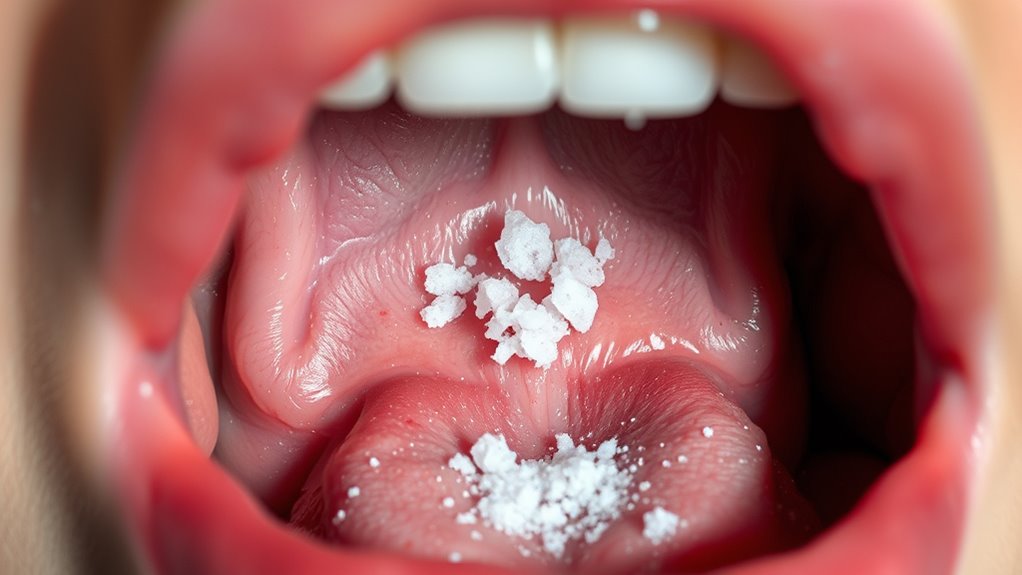
Putting Salt on a Canker Sore: Is It Good?
Dealing with a canker sore can be really frustrating—painful, annoying, and sometimes hard to find quick relief. Many people struggle with figuring out what remedies actually work and what might make things worse.
If you’re considering putting salt on a canker sore, you’re not alone—there’s a lot of confusion about what’s safe and effective.
Putting salt directly on a canker sore is not recommended because it can cause irritation, pain, and potentially delay healing. While salt has antibacterial properties and might temporarily help reduce inflammation, there’s limited scientific evidence to support its use.
Instead, the risk of burning sensitive tissue outweighs any benefits. Safer options, like salt-free mouthwashes or over-the-counter gels, can soothe your sore more effectively.
If you want to find out more, keep exploring safer remedies.
Key Takeaways
- Applying salt directly to a canker sore can cause irritation and increase pain. It might feel like a burning sensation that’s quite uncomfortable.
- While some people believe salt has antibacterial properties, there isn’t strong scientific evidence showing it helps heal sores faster.
- Rinsing your mouth with salt water could help reduce bacteria and inflammation. But keep in mind, it won’t necessarily speed up the healing process.
- Salt can create a burning sensation and may even damage the delicate tissues inside your mouth. That’s why it’s not always the best idea to put salt directly on the sore.
- Safer options include gentle rinses with a saltwater solution or using over-the-counter treatments designed for mouth sores. These can provide relief without risking irritation.
Does Applying Salt Help Heal Canker Sores?
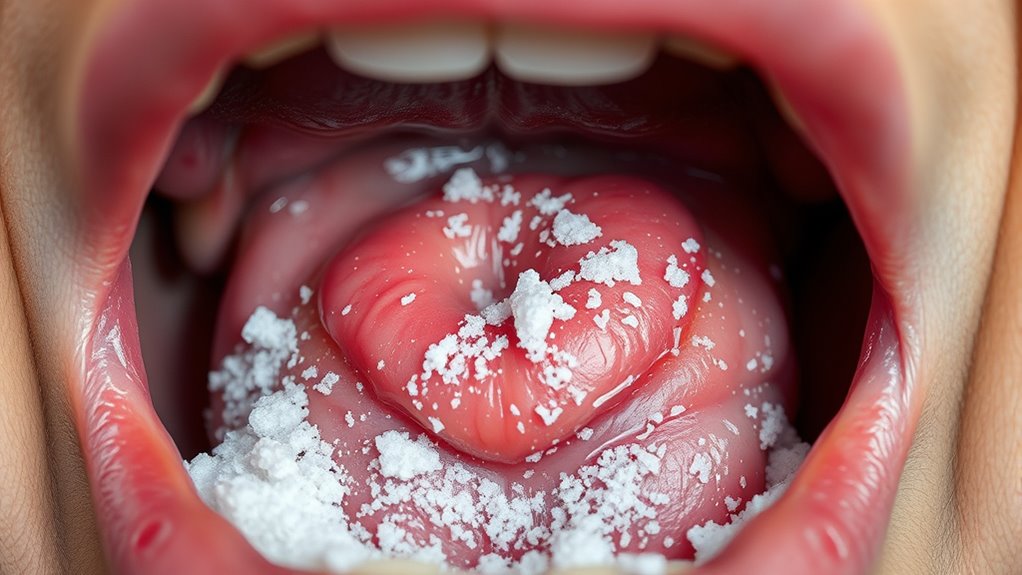
Many people wonder if applying salt to a canker sore can speed up healing. While salt has antibacterial properties, putting it directly on a sore might not help it heal faster. Some believe salt draws out fluid, reducing inflammation, but it can also cause irritation and make the pain worse.
When you put salt on a canker sore, it might dry out the sore temporarily. But it can also damage the delicate tissue, which can make healing more uncomfortable. There’s no solid scientific proof that salt speeds up healing or stops infection.
In fact, salt might make your discomfort worse or delay recovery. If you decide to try salt, be careful and don’t apply it too aggressively. For faster healing, sticking to proven treatments is usually safer and more effective.
What Science Says About Salt for Canker Sore Relief
Scientific studies have not found strong evidence that applying salt to a canker sore provides significant relief or speeds up healing. Research on this method is limited and inconclusive. Some small studies suggest that salt might slightly reduce bacteria or dry out the sore, but these effects aren’t proven to help much.
It’s important to keep in mind that salt can cause irritation or discomfort if applied improperly. Salt’s antimicrobial effects are not well-established for oral sores. It may cause burning or pain in sensitive tissues.
There’s no solid evidence showing faster healing or symptom relief. While some believe in salt’s benefits, current science doesn’t support it as an effective treatment for canker sores.
How Salt Might Reduce Pain and Inflammation in Canker Sores
Salt’s antiseptic properties can help clean the sore and prevent infection, which may ease discomfort. It also helps reduce inflammation by drawing out excess fluids and calming irritated tissues.
As a result, salt might provide pain relief by soothing inflamed areas and promoting faster healing.
Salt’s Antiseptic Properties
Salt acts as a natural antiseptic, helping to cleanse and disinfect the area of a canker sore. When you rinse with salt water, it can reduce bacteria and prevent infection, promoting faster healing.
Salt’s antimicrobial properties work by drawing out moisture from bacteria and cells, creating an environment less welcoming for harmful microbes. This can help minimize the risk of secondary infection and keep the sore cleaner.
- Kills bacteria on contact
- Reduces risk of infection
- Promotes a cleaner healing environment
Using salt as a rinse or soak can help keep the sore area more sterile, possibly speeding up recovery and easing discomfort. Just be careful not to overdo it, as too much salt can irritate sensitive tissue.
Reducing Inflammation Effectively
While rinsing with salt water keeps a canker sore clean, it can also help ease the pain and swelling that come with inflammation. Salt’s natural properties may help reduce inflammation by drawing out extra fluid and decreasing swelling. This can make the sore less tender and more comfortable.
To understand how salt works, check out this table:
| Benefit | How Salt Helps | Result |
|---|---|---|
| Reduces swelling | Osmosis pulls out excess fluid | Less puffiness and pain |
| Eases discomfort | Soothes irritated tissue | More comfort during healing |
| Limits bacterial growth | Creates an unfavorable environment | Faster recovery |
| Promotes healing | Keeps the sore clean | Faster tissue repair |
Using salt water regularly may help reduce inflammation and help you feel better faster.
Pain Relief Mechanisms
Because it has natural anti-inflammatory properties, salt can help reduce pain in canker sores by calming irritated tissue. When you apply salt, it creates a hypertonic environment that draws out excess fluid, which can decrease swelling and nerve sensitivity. This reduction in swelling may lead to less pain and discomfort.
Moreover, salt’s antimicrobial effects can prevent secondary infections that might worsen pain. To get the most relief, keep in mind that salt may temporarily numb nerve endings, reducing pain sensation. Its osmotic effect helps lessen inflammation and swelling.
Salt’s antimicrobial properties can also prevent infections that could make the pain worse. While salt isn’t a cure, it can provide quick, temporary relief by calming irritated tissue and reducing inflammation.
Risks and Potential Harm of Putting Salt on Canker Sores
Applying salt directly to a canker sore can cause a lot of discomfort and might make the pain worse instead of helping. Salt’s abrasive nature can irritate the sensitive tissue, leading to more inflammation and longer healing time.
You might also feel a burning sensation that makes the soreness feel even more intense. Sometimes, salt can damage the delicate lining inside your mouth, increasing the risk of infection or bleeding.
If you apply salt too aggressively, it could cause small ulcers or make existing ones worse. For people with a weakened immune system or other oral health issues, salt’s harshness could do more harm than good.
Safe and Effective Alternatives to Salt for Canker Sore Treatment
Instead of salt, there are gentle and effective options to soothe a canker sore and help it heal. These alternatives are less irritating and safer to use regularly.
For example, rinsing your mouth with a salt-free antimicrobial mouthwash can reduce bacteria and ease discomfort. Applying over-the-counter gels or ointments with benzocaine or hydrogen peroxide can numb pain and speed up healing.
You might also try a soothing rinse like a baking soda solution or chamomile tea. These options calm soreness without causing irritation.
Remember to avoid harsh ingredients that could worsen irritation. Choose products made specifically for oral sores, and keep good oral hygiene to prevent infection.
These simple alternatives provide relief and support healing without the risks that come with using salt.
Is Putting Salt on a Canker Sore a Good Idea? Key Takeaways
Is putting salt on a canker sore a good idea? Generally, it’s not recommended. While some people think salt can help dry out the sore and promote healing, it often causes a lot of pain and irritation.
Salt can damage the delicate tissue inside your mouth, which might make your discomfort worse and slow down healing. It can also cause a burning sensation that makes your soreness feel worse.
If you want relief, safer options like saltwater rinses or over-the-counter treatments are better choices. Overall, the risks of applying salt outweigh any possible benefits.
If you do decide to try it, do so carefully and be aware it could increase your discomfort. It’s always best to talk to a healthcare professional for proper advice.
Frequently Asked Questions
Can Salt Cause Additional Irritation or Damage to the Mouth?
Yes, salt can cause additional irritation or damage to your mouth if applied directly to a canker sore. The salt’s abrasive nature may sting and worsen the pain, especially if the sore is already inflamed.
If you choose to use salt, do so cautiously and dilute it with water. Consider alternative remedies that are gentler on your mouth to promote healing without causing further discomfort.
How Long Should I Leave Salt on a Canker Sore?
You should leave salt on a canker sore for about 15 to 30 seconds, then rinse your mouth thoroughly with water.
This short time helps reduce pain and may promote healing without causing too much irritation.
Applying salt longer can make the discomfort worse or even damage the delicate tissue.
If you keep experiencing pain or irritation, it’s best to talk to a healthcare professional for other treatment options.
Are There Specific Types of Salt That Are More Effective or Safer?
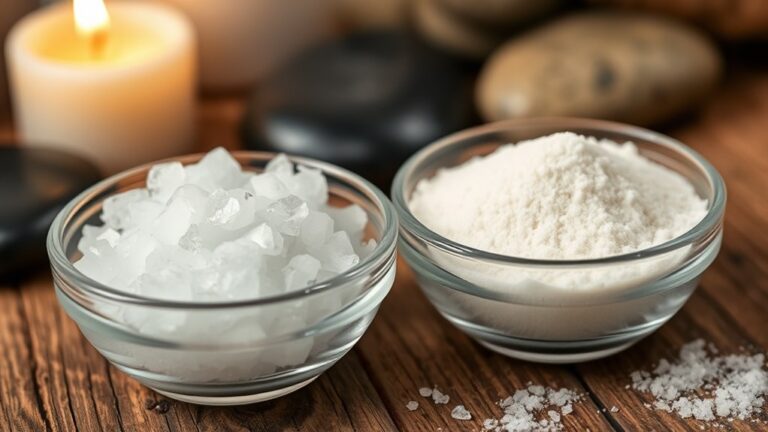
Sea salt and table salt are both effective for rinsing canker sores, but many people prefer sea salt because it contains additional minerals that might help soothe irritation.
Just make sure to avoid coarse or highly processed salts, as they can cause discomfort or even damage. Always dilute the salt in water before applying, and don’t leave it on for too long.
If you notice increased pain, stop using salt and talk to a healthcare professional.
Does Salt Therapy Work Better Than Other Home Remedies?
Salt therapy can be effective for soothing certain respiratory issues, but it’s not necessarily better than other home remedies.
You might find relief with saline rinses or humidifiers, which help clear mucus and reduce irritation.
While salt therapy can provide some benefits, it’s not a cure-all.
Consider trying different remedies and see what works best for you, but it’s a good idea to consult a healthcare professional if your symptoms persist or are severe.
What Signs Indicate That Salt Treatment Is Worsening My Sore?
If your sore becomes more painful, causes increased swelling, or develops a pus-like appearance, these are signs salt treatment might be making it worse.
You might also notice an unusual foul smell or that your sore is spreading or bleeding more than before.
If you see any of these signs, stop using salt and talk to a healthcare professional right away to avoid further irritation or infection.
Conclusion
So, next time you reach for the salt shaker, remember—what seems like a quick fix might just turn your canker sore into an even bigger ordeal. Ironically, what’s meant to soothe could actually worsen the pain or delay healing.
Sometimes, the best remedy isn’t in your kitchen but in proven, gentle treatments. So, resist that salty temptation—you might save yourself a salty, painful mistake in the long run.