How Many Gallons Should Your Kitchen Trash Can Be?
Are you tired of constantly overflowing trash cans or struggling to find enough space in your kitchen? You’re not alone—many people find choosing the right size trash can a challenge.
It’s a small detail, but it can make a big difference in keeping your kitchen tidy and odor-free.
The ideal size for your kitchen trash can depends on your household size and waste habits. For small households, 8-10 gallons usually suffice, while larger families of four or more might need 13-20 gallons to avoid overflowing.
Consider your available space and how often you prefer to empty it. Choosing the right size helps keep your kitchen tidy and odor-free.
Keep going to uncover more tips on selecting the perfect trash can for your needs.
Key Takeaways
- Match the trash can size to your household’s weekly waste output. For 1-2 people, about 8-10 gallons usually works well. Larger families might need 13-20 gallons to handle more waste.
- Think about the space in your kitchen. Make sure the trash can fits comfortably without cluttering your area.
- If you only do small disposals often, go for a smaller can, like 1.5-3 gallons. But if you cook daily and generate more waste, a bigger capacity is better.
- Larger families or households with high waste should choose a 15-20 gallon trash can. This helps prevent overflow and means less frequent emptying.
- When picking a size, also consider your budget and cleaning routine. A good fit keeps your kitchen hygienic and convenient to use.
How to Choose the Perfect Kitchen Trash Can Size
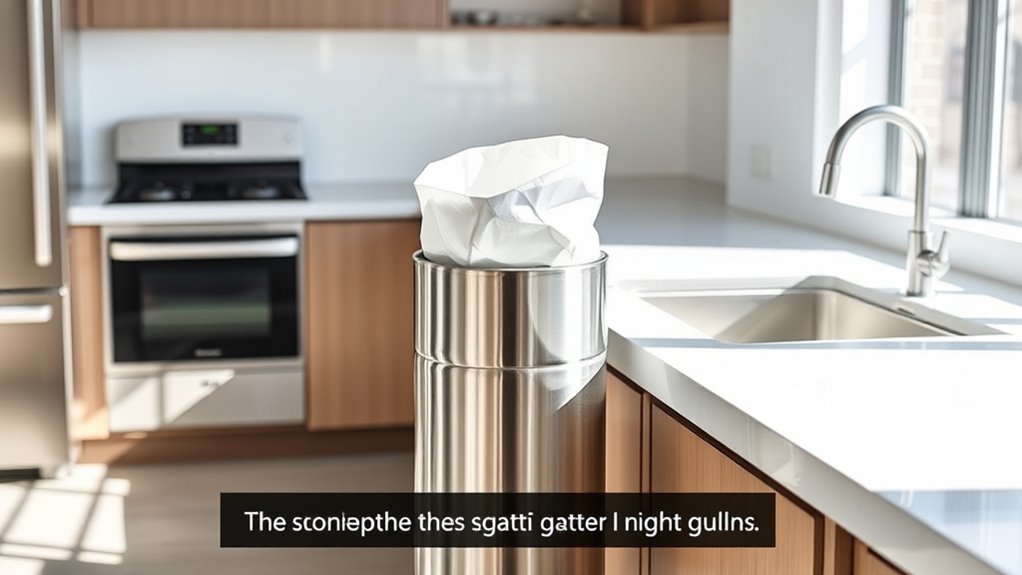
How do you determine the right size for your kitchen trash can? First, think about your household’s daily waste. If you cook often or have a big family, a larger can—around 13 to 20 gallons—will cut down on how often you need to empty it.
For smaller households or if you don’t generate much waste, an 8 to 10-gallon can might be enough. Consider your space too; a bulky can won’t fit everywhere. Measure under your sink or in the spot you want to place it to make sure it fits well.
Also, think about your waste habits. Do you produce lots of food scraps or prefer to take out small amounts frequently? Balancing capacity with space and how you dispose of waste helps you pick the perfect size, making your kitchen more efficient and tidy.
Why Trash Can Size Matters in Your Kitchen
Choosing the right trash can size helps prevent overflow and keeps your kitchen tidy. It also makes cleaning easier by reducing how often you need to empty it.
Plus, picking a size that matches your kitchen’s capacity ensures you have enough space without creating clutter.
Prevents Overflow Risks
A trash can that’s too small can quickly lead to overflowing messes, especially during busy kitchen times or large meal preparations. When your trash can isn’t big enough, you might find yourself constantly emptying it, which disrupts your workflow and creates messes on the floor.
Overflowing trash can also attract pests and cause odors, making your kitchen less hygienic. Choosing a size that matches your household’s waste output helps prevent these issues.
Larger cans give you more capacity, reducing how often you need to change the bags and lowering the risk of spills. It’s a simple way to keep your kitchen cleaner, safer, and more efficient by avoiding the mess and hassle caused by overflowing trash.
Enhances Cleaning Efficiency
When your trash can is the right size, cleaning becomes a much smoother process. A properly sized bin means you spend less time emptying or scraping out stubborn messes.
Smaller cans need to be emptied more often, which can lead to spills and messes during disposal. Larger cans reduce the number of trips to the trash, making cleanup quicker and less stressful.
With the right size, you can contain waste more efficiently, preventing odors and leaks that make cleaning harder. Plus, a well-chosen trash can minimizes spills and debris around its base, keeping your kitchen tidier.
Matches Kitchen Capacity
Matching your trash can size to your kitchen’s capacity guarantees it fits seamlessly into your space and workflow. If your kitchen is small, a compact can around 1.5 to 3 gallons keeps it unobtrusive and easy to access without cluttering countertops or floors.
For larger kitchens with more cooking and cleaning, a 10 to 13-gallon can provides enough capacity to handle daily waste without frequent emptying. Oversized cans in small spaces can become cumbersome and hinder movement.
Tiny cans in large kitchens require constant emptying, which can disrupt your routine. Choosing the right size ensures convenience and efficiency, helping you keep your space tidy without sacrificing functionality.
Tailoring your trash can to your kitchen’s capacity keeps everything streamlined and practical.
How Much Waste Does Your Household Generate?
Have you ever wondered how much waste your household actually produces each week? The amount can depend on your habits, family size, and lifestyle.
On average, a family produces about 1.5 to 2 pounds of waste daily, which adds up to roughly 10 to 14 pounds a week.
Here’s a quick breakdown:
| Household Size | Daily Waste (lbs) | Weekly Waste (lbs) |
|---|---|---|
| 1 Person | 1.5 | 10.5 |
| 2 People | 3.0 | 21.0 |
| 4 People | 6.0 | 42.0 |
Knowing your waste output helps you pick a trash can size that fits your needs, so you avoid overflows or having to empty it too often.
What Size Trash Can Do You Need? Standard Gallon Options
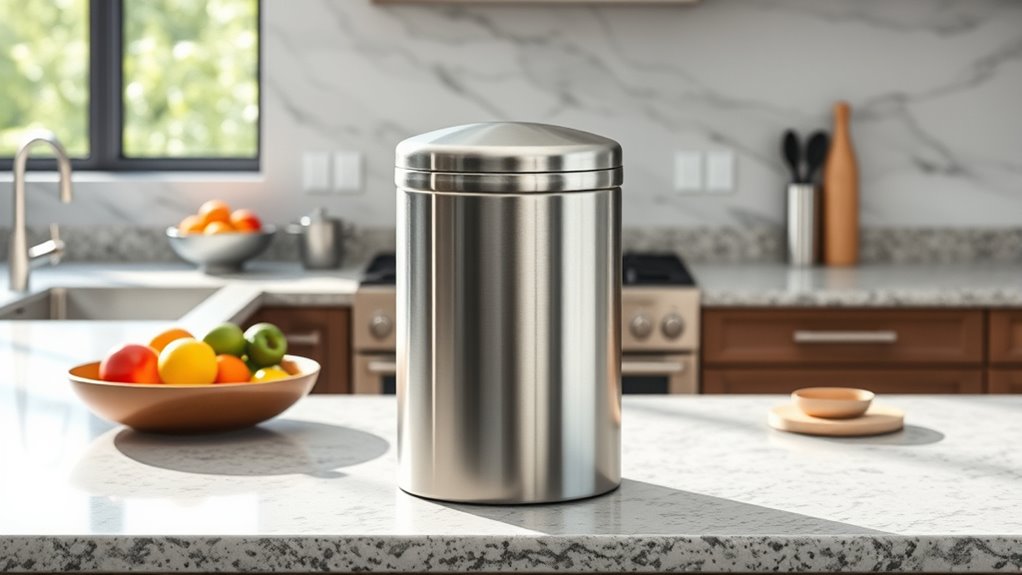
Wondering which trash can size is right for your kitchen? Standard gallon options usually range from 1.5 gallons to 20 gallons.
If you have a small household or generate minimal waste, a 1.5 to 3-gallon can might work well.
For those who cook daily or produce more waste, a 10- to 15-gallon bin offers a good balance of capacity and space.
Larger families or those with high waste volume might need a 20-gallon or bigger can to avoid frequent emptying.
Keep in mind your available space and daily waste when choosing.
Standard sizes are designed to fit common kitchen layouts and waste needs, helping you find a practical solution without over- or under-sizing.
What Factors Affect Your Trash Can Size Choice?
Choosing the right trash can size depends on several key factors related to your household’s habits and space. First, think about how much waste your household generates daily. If you cook often or have a big family, you’ll probably need a larger can so you don’t have to empty it too often.
Space constraints also matter. Measure your available area to make sure the trash can fits comfortably without cluttering your kitchen. It’s important that it works well in your space.
Your waste management preferences are another factor. Decide if you want to separate recyclables or toss everything together. This can influence the size and type of trash can you choose.
Your cleaning routines and how often you’re willing to take out the trash also play a role. If you prefer to do it less frequently, a bigger can might be better.
Finally, consider your budget. Larger trash cans usually cost more, so find a balance between size and price. Weighing these factors helps you pick a trash can that’s practical, efficient, and fits nicely into your kitchen.
How to Match Trash Can Size With Your Kitchen and Waste Habits
Matching the size of your trash can to your kitchen and waste habits requires a clear understanding of your daily routines. Think about how often you cook, clean, and generate waste.
Choosing the right trash can size depends on your cooking frequency, waste type, and space availability.
If you’re cooking multiple times a day or have a busy household, a larger can, around 13-16 gallons, can reduce the need for frequent emptying. On the other hand, if your waste is mostly packaging or occasional, a smaller can of about 8-10 gallons might be enough.
Pay attention to the types of waste you produce most often. Also, consider your space constraints—if your kitchen is small, a compact can might be more practical.
Matching the can size to your habits guarantees convenience without clutter or unnecessary emptying.
Pros and Cons of Small, Medium, and Large Trash Cans
Selecting the right trash can size means weighing the pros and cons of small, medium, and large options.
Small cans are compact and fit well in tight spaces, making them easy to hide and clean. However, they fill up quickly and need to be emptied often, which can be a hassle.
Medium cans offer a good balance, providing enough capacity without taking up too much space. They’re perfect for moderate waste, but might not be enough for busy kitchens, leading to overflow.
Large cans hold the most waste, so you don’t have to empty them as often. But they can be bulky, heavy, and harder to fit into smaller kitchens. They also tend to emit stronger odors if not emptied regularly.
Your choice depends on your kitchen size, how much waste you generate, and how often you want to empty your trash.
Tips for Maintaining Your Trash Can and Controlling Odors
To keep your trash can fresh and odor-free, clean it regularly with soap and water.
Using baking soda or charcoal inside the can can help absorb unpleasant smells.
Check that the lid and seal stay tight to prevent leaks and odors from escaping.
Maintaining these simple practices will make your trash management more effective and less unpleasant.
Regular Cleaning Practices
Regular cleaning is essential to keep your trash can hygienic and odor-free. Start by emptying it regularly to prevent buildup. Rinse the interior with hot water and a mild soap or disinfectant to remove residue and bacteria. Use a scrub brush or sponge to reach all corners, especially at the bottom.
After cleaning, wipe the exterior with a damp cloth. Consider lining your can with a fresh trash bag each time to minimize messes. For deeper sanitation, occasionally sprinkle baking soda inside to absorb odors and neutralize bacteria.
Allow the can to dry completely before replacing the liner. Regular maintenance keeps your trash can smelling fresh, prevents pests, and extends its lifespan. Consistent cleaning is the best way to stay on top of hygiene and odor control.
Proper Odor Absorption
Since odors can quickly become overwhelming, implementing effective absorption methods is key to keeping your trash can smelling fresh. One simple trick is to sprinkle a layer of baking soda at the bottom before adding trash. It neutralizes unpleasant smells and absorbs moisture, so odors don’t seep out.
You can also place odor-absorbing sachets or bowls of activated charcoal inside the can, especially if you notice persistent smells. Regularly rinsing the trash can with soap and water helps eliminate lingering odors and bacteria that cause bad smells.
Using compostable or scented bags to line your trash can creates a barrier that traps odors. Consistent maintenance and using odor-absorbing products keep your trash can smelling clean, even when dealing with smelly waste.
Lid and Seal Maintenance
Your trash can’s lid and seal are key to controlling odors and keeping your space smelling fresh. Regularly inspecting and cleaning these parts helps them work properly.
If the seal becomes cracked or warped, it won’t contain odors effectively. To keep everything in top shape:
- Wipe down with a damp cloth weekly to remove grime
- Use mild soap or vinegar for a deeper clean
- Check for tears or warping and replace if needed
- Make sure the lid fits snugly without gaps
- Lubricate hinges with a bit of silicone spray if they get stiff
Keeping the lid and seal in good condition prevents leaks and odors from escaping. Proper maintenance makes your trash can more effective and your kitchen more pleasant.
Common Mistakes When Choosing a Trash Can Size
One common mistake when choosing a trash can size is underestimating how much waste your household generates. You might pick a smaller can to save space, only to find yourself constantly emptying it. This leads to messes and extra trips to the trash.
To avoid this, consider your daily waste volume carefully.
| Waste Type | Typical Size Needed |
|---|---|
| Weekly kitchen scraps | 10-20 gallons |
| Occasional large trash | 20-30 gallons, for bigger families |
Think about your habits—do you generate a lot of packaging or food waste? Choosing a can that’s too small means frequent emptying, while a large one takes up unnecessary space. Be realistic about your needs to make a smarter choice.
Final Tips for Picking the Right Gallon Size for Your Kitchen
To pick the right gallon size, think about your kitchen’s space and how much waste you usually produce each day. If you cook a lot or have a busy household, a bigger can can reduce the number of trips to the trash.
On the flip side, smaller kitchens might do better with a compact trash can that still gets the job done without taking up too much room.
Kitchen Size and Usage
Choosing the right trash can size really depends on your kitchen’s size and how much waste your household makes. If your kitchen is small with limited space, a compact 10-13 gallon bin might be enough, especially if you don’t generate much trash.
Larger kitchens or households that cook often will benefit from a bigger can, around 20-30 gallons, so you’re not constantly emptying it. Think about your daily habits and the types of waste you produce like paper, food scraps, packaging, and recyclables.
Visualize your kitchen’s flow: a small countertop bin for quick tosses, a larger, sleek can tucked under the sink. You might also want a recycling station nearby for plastics and paper.
If space is limited, you may need to make frequent trips to the trash. Make sure the trash can is easy for everyone in the household to access and use comfortably.
Waste Generation Frequency
How often you need to empty your trash can directly influences the best size for your kitchen. If you generate waste daily or multiple times a day, a smaller can around 8-13 gallons may be enough to prevent overflow and odors.
Conversely, if you produce waste less frequently, choosing a larger can—around 15-20 gallons—can cut down on how often you need to empty it. Think about your household habits: do family members generate waste quickly? Do you cook often or throw away large packaging?
Monitoring your trash disposal pattern over a week can help you figure out the right size. Remember, a trash can that’s too small can mean frequent, inconvenient emptying, while one that’s too large might take up unnecessary space.
Choose a size based on how much waste you generate for the most convenience.
Frequently Asked Questions
How Often Should I Empty My Kitchen Trash Can?
You should empty your kitchen trash can at least once a day, especially if it’s used often or has food scraps.
If your trash isn’t very busy, every two to three days might be enough. But don’t wait too long, to avoid odors and pests.
Pay attention to the smell and how full it is, and make sure to empty it promptly.
This helps keep your kitchen clean and smelling fresh.
Are There Eco-Friendly Trash Can Options Available?
Like the myth of Pandora’s box, eco-friendly trash cans open a world of sustainable choices. Yes, plenty of options exist, from cans made of recycled materials to those with composting compartments.
You can choose biodegradable liners or even dual-compartment cans to separate recyclables from waste. These eco-conscious choices reduce landfill impact and help you live greener.
Adopt these sustainable options to make your kitchen not just functional but environmentally responsible.
Can a Larger Trash Can Help Reduce Odor Issues?
Yes, a larger trash can can help reduce odor issues. When you have more space, you can wait longer before emptying it, which means less opening and closing of the lid. This limits how much smell escapes.
Plus, a bigger container gives you room to add more trash bags or odor-absorbing materials. That helps keep smells contained better.
Just remember to clean it regularly to keep odors at bay and maintain a fresh kitchen environment.
What Materials Are Best for Durable Trash Cans?
You should choose trash cans made from durable materials like stainless steel, heavy-duty plastic, or reinforced polypropylene. These materials resist dents, cracks, and corrosion, so your trash can lasts longer.
Stainless steel offers a sleek look and is easy to clean. High-quality plastic is lightweight and affordable. Avoid flimsy materials, as they break down quickly, leading to frequent replacements and potential messes.
How Do I Dispose of Oversized or Bulky Waste?
You tackle oversized or bulky waste like a pro! First, check with your local waste management for specific guidelines—many cities have special pickups or drop-off sites for huge items.
Break down large items if possible, and consider renting a dumpster for major cleanup projects. Never toss bulky waste into regular trash cans; it’ll overflow faster than you can say “cleanup time.”
Stay organized, and your waste disposal will be smooth sailing!
Conclusion
Choosing the right trash can size keeps your kitchen tidy and odors in check. Did you know that the average household produces about 4.5 pounds of trash daily? Picking the right gallon size can make managing waste much easier.
Think about your household size, waste habits, and available space. A larger can means less frequent emptying, but it also takes up more room. A smaller one might be perfect for a small household or limited space.
With the right fit, you’ll reduce the hassle of frequent emptying and keep your kitchen cleaner and more organized. For a more convenient, odor-free kitchen experience, make your choice wisely and consider the ideal gallon size for your needs.