10 Factors That Determine How Much to Replace Kitchen Cabinets
Are you feeling overwhelmed trying to figure out how much to replace your kitchen cabinets? You’re not alone—many homeowners struggle with deciding whether to repair, refinish, or fully replace their cabinets.
It’s a big decision that impacts both your home’s look and your budget.
You should consider your cabinets’ condition, focusing on damage, warping, or water stains, and whether repairs are needed.
Your budget plays a key role—full replacement costs more than refacing or updating.
Think about your long-term goals, like increasing storage or boosting home value.
The time and effort you’re willing to invest also matter, alongside choosing materials that match your style.
Keep exploring these factors to make a confident decision that fits your needs.
Key Takeaways
- The overall condition and structural integrity of your cabinets are key factors in deciding if you need to replace them. If they’re sturdy and in good shape, you might not need a full replacement.
- Your budget also plays a big role. It helps determine whether you go for a total replacement, just refacing, or some simple updates.
- The age and style of your existing cabinets matter too. If they’re outdated or don’t match your new look, a full replacement might be the way to go.
- Think about how complex the installation will be and your own DIY skills. This can influence what’s realistic within your timeframe.
- Finally, consider your long-term goals. Whether it’s more storage, better functionality, or a fresh aesthetic, these will guide how much of your cabinetry needs to be replaced.
Assess Your Kitchen Cabinets’ Condition and Wear
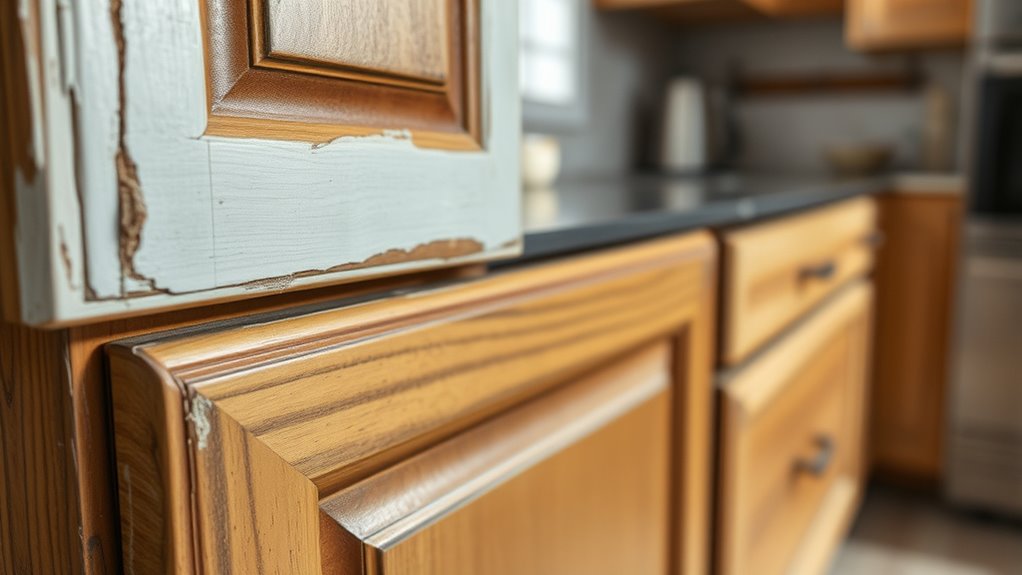
Before replacing your kitchen cabinets, it’s important to assess their condition and wear. Take a close look for damage like warping, cracking, or water stains. Check hinges, handles, and drawer slides—if they’re loose or broken, repairs might be enough instead of replacing everything.
Open and close the doors and drawers to see if they move smoothly or stick. Look for peeling paint or veneer, which can show age or water damage. Think about how they look overall—if they’re outdated or heavily stained, replacing them could be the best choice.
If the cabinets are structurally sound but just look worn out, repairs or refinishing might save you some money. Knowing their condition helps you figure out whether to repair, refinish, or replace.
Determine Your Budget for Cabinet Updates
Once you’ve checked your cabinets and decided whether they need repairs or replacements, the next step is to set a realistic budget. Think about how much you can comfortably spend without putting a strain on your finances.
Do some research on the costs of different cabinet options, including materials, labor, and installation fees. Decide if you want to go for high-end custom cabinets or choose more affordable stock or semi-custom designs.
Keep in mind that unexpected expenses can come up, so it’s smart to set aside a contingency fund—about 10-15% of your total budget. Having a clear budget helps you narrow down your choices and avoid overspending.
Being realistic about what you can afford ensures you make informed decisions that match your financial situation and your project goals.
Decide Whether to Replace, Reface, or Just Update
Deciding whether to replace, reface, or just update your kitchen cabinets depends on their condition, your budget, and your aesthetic goals. If your cabinets are structurally sound but look outdated or worn, refacing or updating might be enough to give your kitchen a fresh look without the cost of a full replacement.
Replacing is a good choice if the cabinets are damaged, warped, or have outdated layouts that no longer fit your needs. Updating, like changing hardware or repainting, can also refresh the look at a lower cost.
Think about how much disruption you’re willing to handle and your long-term plans for the space. Your decision should balance the condition of your cabinets with your budget and style preferences, making sure the result matches your vision for the kitchen.
Are There Structural Repairs Needed for Your Cabinets?
Check your cabinets for any signs of structural damage, like sagging shelves or loose frames. If you notice issues, think about whether repairs will be affordable or if replacing them might be a better choice.
Knowing the repair costs upfront can help you decide if fixing is worth it or if replacing makes more sense in the long run.
Identifying Structural Damage
Structural damage can really affect how stable and safe your kitchen cabinets are. To spot this damage, start by looking for sagging or misaligned doors and drawers, which might point to bigger issues.
Next, check the cabinet frames for cracks, warping, or any signs of rot, especially around joints and corners. Also, look at the mounting hardware and hinges for looseness or rust, since these can weaken the whole structure.
Be on the lookout for soft spots or sponginess when pressing on the surfaces. This can be a sign that the material is compromised. If you notice any of these signs, it’s probably time for repairs to keep your cabinets safe and working well.
Catching damage early can help prevent more serious problems and expensive replacements later on.
Assessing Repair Costs
When you see signs of structural damage in your cabinets, it’s important to figure out if repairs are possible or if replacing them makes more sense. Repair costs depend on how bad the damage is and what parts need fixing.
Minor problems like loose hinges or broken shelves tend to be inexpensive and easy to fix. But bigger issues like warped frames or weak support structures can get costly.
To help you estimate costs, here’s a quick table:
| Damage Type | Estimated Repair Cost | Repair Feasibility |
|---|---|---|
| Loose hinges | $50 – $150 | Easy and inexpensive |
| Warped cabinet frames | $200 – $600 | Might need replacement |
| Damaged shelves | $100 – $300 | Usually repairable |
| Structural support failure | $300 – $1,000 | Often better to replace |
Use these factors to decide if fixing your cabinets makes sense financially.
Choose Materials and Finishes That Match Your Style
How you choose your kitchen cabinet materials and finishes plays a crucial role in defining your overall style. The right choices can make your kitchen feel cohesive, warm, modern, or rustic.
To match your style effectively, consider these steps:
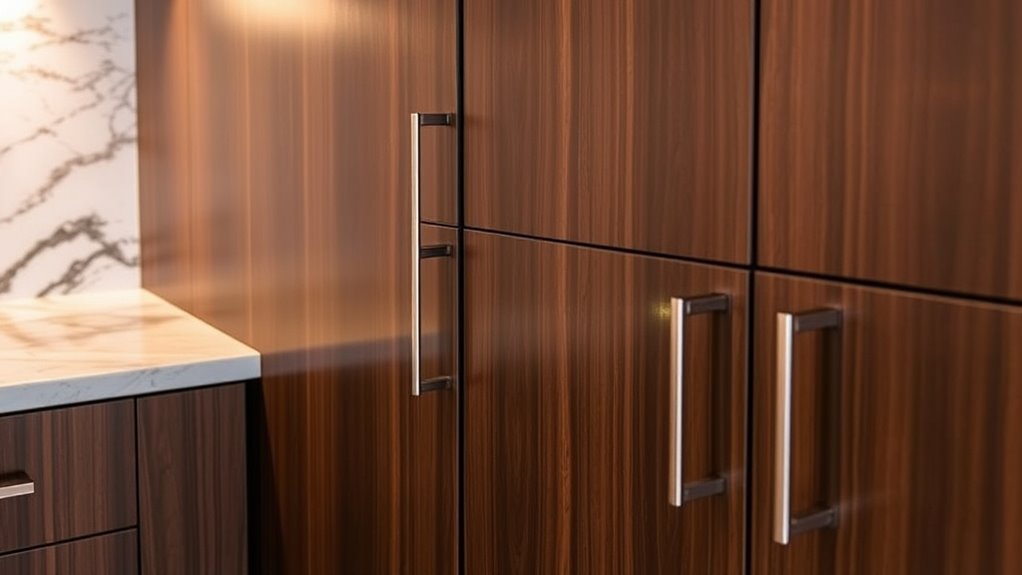
- Pick materials like wood for a classic look, laminate for affordability, or metal for a sleek, modern vibe.
- Decide on finishes such as stained, painted, or distressed to add character and depth.
- Choose hardware and surface textures that complement your overall design, whether matte, gloss, or antique.
Your choices should reflect your personality and the atmosphere you want to create. This helps ensure your kitchen feels inviting and uniquely yours.
Want to Improve Storage and Organization?
If you want to improve storage and organization, upgrading your cabinets is a smart move. You can make the most of your space with smart shelving and drawers, so everything’s easier to find.
Plus, choosing accessible cabinet designs helps you reach what you need quickly, saving you time in your daily routine.
Maximize Storage Space
Maximizing your kitchen’s storage space is key to creating a more organized and functional environment. To do this effectively, consider these strategies:
- Use vertical space by installing tall cabinets or open shelves to store items you don’t use often.
- Add pull-out shelves or drawers inside your cabinets to make it easier to access items without clutter.
- Incorporate specialized storage solutions like spice racks, lazy Susans, or under-sink organizers to make the most of every inch.
Enhance Kitchen Organization
Building on your efforts to boost storage, enhancing organization takes your kitchen’s functionality to the next level. You can start by adding clear, labeled containers for pantry items, making it easier to find what you need quickly.
Installing adjustable shelves inside cabinets creates flexible space for different-sized items. Consider adding drawer dividers to keep utensils and gadgets tidy and accessible.
Use pull-out shelves or baskets to maximize lower cabinet space and prevent clutter from piling up. Incorporate hanging racks or hooks for pots, pans, and utensils, freeing up drawer and cabinet space.
Regularly declutter and reassess your storage solutions to keep everything streamlined. These small adjustments make your kitchen more organized, saving you time and reducing frustration during meal prep.
Optimize Cabinet Accessibility
Improving cabinet accessibility ensures everything you need is within easy reach, making your kitchen more functional and efficient. To do this, consider these tips:
- Adjust shelf heights to fit your most-used items, so you spend less time bending or searching.
- Install pull-out drawers and shelves to make accessing deep cabinets easier and to maximize space.
- Use cabinet organizers like dividers, lazy Susans, or pull-out trays to keep everything neat and accessible.
How Will Your Renovation Affect Your Home’s Resale Value?
When you consider replacing your kitchen cabinets, it’s important to think about how the update will impact your home’s resale value. Well-chosen cabinets can boost your kitchen’s appeal and attract potential buyers, especially if they’re modern and in good shape.
On the other hand, overly custom or trendy designs might not appeal to everyone and could limit your market. High-quality materials and timeless styles tend to give better returns.
Keep in mind that a cohesive look with the rest of your home’s design can boost value. If your cabinets are outdated or damaged, replacing them can greatly improve your home’s overall impression.
Ultimately, thoughtful upgrades can make your house more attractive and potentially increase its resale price.
Planning Your Long-Term Kitchen Renovation Goals
Thinking about your kitchen renovation’s long-term goals helps make sure your updates match your lifestyle and future plans. Start by asking yourself what you want your kitchen to accomplish over time. Do you care most about functionality, looks, or saving energy?
Next, think about key milestones, like increasing storage for a growing family, upgrading appliances to boost efficiency, or creating a more open space for entertaining. These goals will guide your planning and ensure your kitchen evolves with your needs.
How Much Time and Effort Are You Ready to Invest?
Consider how complex the installation process is and whether you’ll handle it yourself or hire professionals. Think about how much time you’re willing to dedicate, since some projects can take days or even weeks. Your choices depend on your skill level, available help, and how much effort you’re prepared to invest.
Installation Complexity Level
Installing new kitchen cabinets can vary quite a bit in how difficult it is, depending on the style and your experience. If you’re good with DIY projects, you might find some installs pretty straightforward.
But if you’re dealing with more complex designs or existing structural issues, it can get trickier. To get a sense of the effort needed, think about these factors:
- Cabinet Type – Frameless or face-frame styles need different installation methods.
- Room Layout – Complex layouts with corners or uneven walls require more planning.
- Tools and Skills – Having the right tools and basic carpentry know-how can really cut down on time.
Be honest about your confidence and resources. If it feels overwhelming, hiring a professional might be the best way to ensure a smooth, secure install.
DIY vs. Professional Help
Deciding whether to tackle kitchen cabinet replacement yourself or hire professionals depends largely on how much time and effort you’re willing to commit. If you’re ready for a hands-on approach, expect to spend days measuring, removing, and installing cabinets carefully.
On the other hand, hiring experts can save you time but costs more upfront. Consider this table to evaluate your commitment:
| DIY Approach | Professional Help |
|---|---|
| Requires time for learning and execution | Less time spent on installation |
| Physical effort involved | Skilled labor guarantees efficiency |
| Risk of mistakes | Reduced error risk |
| Budget-friendly | More costly but reliable |
| Satisfaction of DIY accomplishment | Convenience and peace of mind |
Choose based on your skill level, available time, and willingness to put in effort.
Time Commitment Required
Evaluating how much time and effort you’re willing to dedicate is essential before starting your kitchen cabinet replacement. Replacing cabinets can range from a quick weekend project to a more extensive overhaul.
Consider these factors:
- Scope of the project: Are you just swapping out doors or replacing all cabinets and hardware?
- Skill level: Do you have experience with carpentry or need to learn as you go?
- Available time: How many hours per day or weekend can you realistically commit?
If you’re comfortable with tools and have plenty of free time, you might finish the project faster. But if you’re new to DIY or juggling other responsibilities, expect it to take longer.
Assess your readiness to invest time accordingly.
Making the Final Decision: What’s Right for Your Kitchen?
Choosing the right kitchen cabinets depends on balancing your style preferences, budget, and practical needs. To make the best decision, think about how much you cook and entertain, along with your storage needs.
Consider your overall kitchen design—do you want a modern, rustic, or traditional look? Set a realistic budget, but also keep in mind durability and maintenance over time.
Visit showrooms or browse online to see different options in person. Don’t hesitate to ask for expert advice to help guide your choice.
Reflect on your timeline—are you ready for a quick upgrade or a full renovation? Ultimately, choose what fits your lifestyle and aesthetic best.
Make sure you’re comfortable with your decision and that it improves your kitchen’s functionality.
Frequently Asked Questions
How Do I Estimate the Total Cost of Replacing My Kitchen Cabinets?
To estimate your kitchen cabinet replacement cost, start by measuring your cabinets’ dimensions and deciding on your desired material and style.
Next, research prices for different cabinets and hardware. Don’t forget to include installation fees if you’re hiring a professional.
Also, account for any extra work like painting or repairs that might be needed. Creating a detailed list and comparing quotes will help you get an accurate estimate.
This way, you’ll be able to budget properly for your project and avoid surprises along the way.
What Are the Latest Trends in Kitchen Cabinet Styles and Finishes?
You’ll find that modern kitchen cabinets feature sleek, minimalist designs with flat-panel doors and handleless finishes for a clean look. Popular finishes include matte or high-gloss paints, natural wood tones, and two-tone combinations.
Trends also favor textured surfaces like wood grains or painted patterns. You might consider mixing materials, such as wood with metal accents, to add visual interest.
These styles help create a contemporary, stylish kitchen environment.
How Long Does a Typical Kitchen Cabinet Replacement Project Take?
A typical kitchen cabinet replacement project takes about 2 to 3 weeks. The timeline really depends on how complex the project is, whether you’re just swapping out doors or doing a full overhaul.
You’ll want to include time for planning, removal, installation, and finishing touches. Keep in mind that delays can happen if custom cabinets are ordered or if unexpected issues come up.
Planning ahead and working with experienced professionals can help keep your project on schedule.
Can I Customize Cabinets to Fit Unusual Kitchen Layouts?
Think of customizing cabinets like tailoring a suit—precision matters. Yes, you can customize cabinets to fit unusual kitchen layouts.
You’ll work with a carpenter or cabinet maker to design pieces that maximize space and match your style. Expect some extra costs and longer timelines, but the result will be a seamless fit that feels like it was made just for your space.
Custom options really turn a kitchen into a personal masterpiece.
What Financing Options Are Available for Major Kitchen Renovations?
You have several financing options for major kitchen renovations. Personal loans provide quick funding with fixed interest rates.
Home equity loans or lines of credit use your home’s value as collateral and often offer lower rates.
Some contractors or retailers also offer financing plans or payment installments.
Additionally, there may be government programs or grants available, especially if your project includes energy-efficient upgrades or accessibility improvements.
Always compare the terms to find the option that fits best for your needs.
Conclusion
By considering these ten factors, you’ll steer your kitchen upgrade with confidence, like a seasoned traveler navigating new terrain.
Trust your instincts, think about your budget, and focus on what truly matters to you. These choices shape your space into something unique and functional.
Remember, choosing to replace your cabinets isn’t just a renovation—it’s about creating a kitchen that reflects your style and meets your needs.
With thoughtful planning, your kitchen will shine brighter than a lighthouse guiding you home. A well-made decision on your cabinets makes all the difference.