8 Reasons Salt Water Pools Are Better Than Chlorine
Are you tired of dealing with itchy eyes, dry skin, or the strong chemical smell after swimming? You’re not alone—many people struggle with the harsh effects of traditional chlorine pools.
Luckily, salt water pools offer a gentler, more comfortable experience.
Salt water pools are gentler on your skin and eyes, reducing irritation and dryness, making your swim more comfortable. They generate chlorine naturally through electrolysis, which maintains cleaner water with less harsh chemicals and lower maintenance costs.
Plus, they’re eco-friendly since they rely on natural salt and produce fewer chemical runoffs. They’re often more affordable long-term and safer for sensitive skin or allergies.
Curious to uncover even more benefits and how they compare? Keep exploring to find out!
Key Takeaways
- Salt water pools produce chlorine naturally, which means you don’t have to add chemicals manually or test the water all the time.
- The water feels softer and less harsh, making your swim more comfortable, especially if you have sensitive skin or eyes.
- Over time, you’ll save money since you spend less on chemicals and maintenance becomes easier.
- Plus, the process is eco-friendly. It reduces chemical runoff and is better for the environment.
- This natural way of sanitizing makes for a cleaner, gentler swimming experience with fewer irritations.
What Is a Salt Water Pool and How Does It Work?
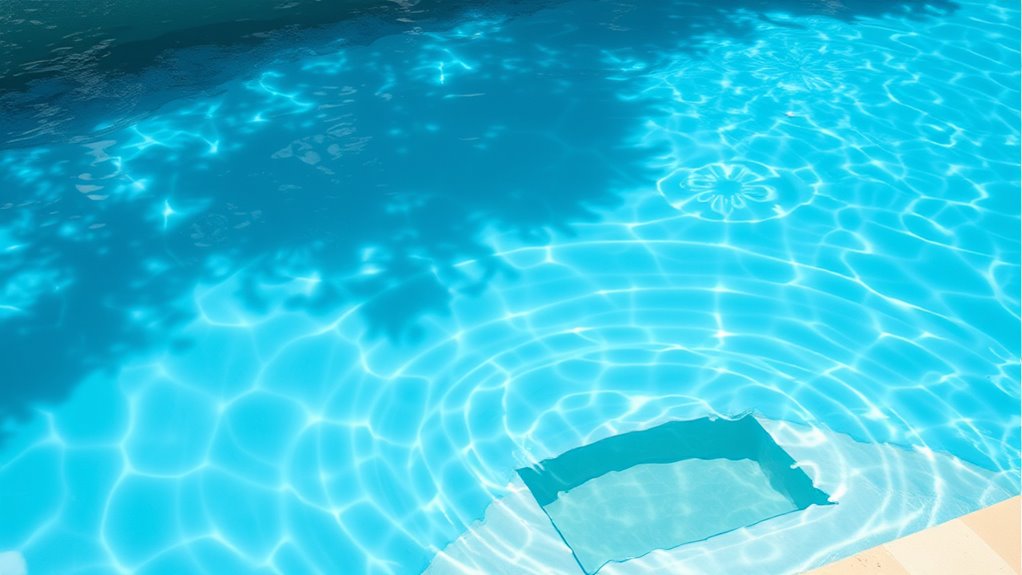
A salt water pool is a type of swimming pool that uses salt to generate its own chlorine, making the water feel softer and less harsh on your skin. Inside the pool, a salt chlorinator converts salt into chlorine through a process called electrolysis.
You add salt to the water, typically around 2,000 to 3,000 parts per million, similar to seawater. As the pool runs, the chlorinator continuously produces chlorine, which sanitizes the water and keeps it clean.
Unlike traditional chlorine pools, you don’t need to manually add chlorine regularly. This system maintains a steady level of disinfectant, reducing the need for chemical adjustments.
The result is a more natural, smooth-feeling water that’s easier to maintain and less irritating.
Are Salt Water Pools Gentler on Your Skin and Eyes?
Salt water pools often feel gentler on your skin because of their softer water feel. This can help reduce skin irritations and dryness after you swim.
Many people also find their eyes feel less irritated compared to traditional chlorinated pools. Overall, salt water pools can be a more comfortable option for your skin and eyes.
Softer Water Feel
The water in salt water pools often feels softer and more soothing on your skin and eyes compared to traditional chlorinated pools. This is because salt water contains fewer harsh chemicals, which helps reduce dryness and irritation.
Salt naturally creates a gentle, silky sensation that makes swimming more comfortable, especially for sensitive skin. You might notice your skin feels less tight and your eyes are less red after swimming.
The smoother water also helps prevent the drying, cracking feeling often linked to chlorinated pools. Overall, the softer water feel makes your swimming experience more relaxing and pleasant.
If you want a gentle, less abrasive water sensation, salt water pools offer a noticeable upgrade.
Reduced Irritation Risks
Because salt water pools contain fewer harsh chemicals like chlorine, they tend to cause less irritation to your skin and eyes. The lower chemical levels mean you’re less likely to experience redness, itching, or stinging after swimming.
Salt water naturally produces a gentle, continuous sanitizing effect, which reduces the need for strong chemicals that can cause discomfort. This makes salt water pools especially appealing if you have sensitive skin or allergies.
You’ll notice fewer issues with dry, flaky skin or irritated eyes compared to traditional chlorinated pools. Plus, the smoother water feel can make swimming more comfortable.
How Do Salt Water Pools Make Swimming More Comfortable?
Many swimmers find that salt water pools feel gentler on their skin and eyes, making the overall experience more comfortable. Unlike traditional chlorine pools, salt water pools produce fewer harsh chemicals, reducing irritation and dryness.
The salt content creates a softer, more natural feel in the water, often described as silky or more soothing. You’ll notice fewer stinging sensations in your eyes and less skin dryness after swimming.
This gentler environment can make swimming more enjoyable, especially for those with sensitive skin or allergies. Plus, the natural balance of salt helps keep the water feeling consistent and comfortable.
It also avoids the harshness that sometimes comes with chemical adjustments, providing a more pleasant, relaxing swimming experience.
How Salt Naturally Sanitizes Your Pool
Salt naturally sanitizes your pool through a process called electrolysis, which happens when salt passes through a special generator called a salt cell. Inside the cell, an electric current splits the salt (sodium chloride) into chlorine and sodium.
That chlorine then actively kills bacteria, algae, and other contaminants in your pool water. Unlike adding chlorine manually, this process creates a steady, low level of sanitizer, so you don’t need to make frequent chemical adjustments.
Because the chlorine is generated on-site, it stays more stable and consistent, helping keep your pool cleaner and safer. Plus, the ongoing production of chlorine from salt means you’re less likely to deal with harsh chemical smells and irritation common with traditional chlorination.
Are Salt Water Pools Safer for Sensitive Skin and Allergies?
If you have sensitive skin or allergies, salt water pools might be gentler than traditional chlorinated pools. The lower chlorine levels can help reduce irritation, making swimming more comfortable.
Salt water is softer on your skin and eyes, which can decrease redness and dryness. But keep in mind, some people with allergies might still react to salt or other pool elements.
To get a clearer picture, consider this:
| Benefit of Salt Water Pools | Potential Concerns |
|---|---|
| Less harsh on skin | Salt can cause irritation for some |
| Reduced eye irritation | Allergic reactions possible |
| Fewer chemical smells | Sensitivity varies |
| Gentle on hair | Not completely chemical-free |
| Easier on skin and eyes | May need monitoring for reactions |
Are Salt Water Pools Cheaper and Easier to Maintain Than Chlorine Pools?
Salt water pools generally cost less in chemicals over time since they rely on salt and a generator instead of regular chlorine purchases.
They also have a simpler maintenance process, with fewer steps to keep the water balanced.
Plus, they tend to require fewer repairs, saving you money and hassle in the long run.
Lower Chemical Costs
While salt water pools might seem more affordable at first, they can actually be cheaper and easier to maintain than traditional chlorine pools. They generate chlorine naturally, so you don’t have to buy as many chemicals.
Over time, you’ll save on buying chlorine, stabilizers, and shock treatments. This can significantly lower your ongoing chemical costs.
| Cost Factor | Salt Water Pool | Chlorine Pool |
|---|---|---|
| Chemical purchases | Fewer, mainly salt | Regular chlorine and stabilizers |
| Maintenance frequency | Less frequent chemical adjustments | More frequent chemical balancing |
| Equipment costs | Salt chlorinator needed | Chlorine feeders and shock kits |
| Chemical storage | Minimal | Larger storage for chemicals |
| Long-term expenses | Generally lower | Can be higher due to chemical use |
Switching to a salt water system can lead to noticeable savings over time.
Simplified Maintenance Process
Maintaining a salt water pool is generally simpler and less time-consuming than managing a traditional chlorine pool. With salt water systems, you don’t need to manually add chlorine regularly; instead, the salt generator produces it automatically, maintaining consistent levels.
This reduces the need for frequent testing and chemical adjustments. The automatic chlorine production minimizes the risk of over- or under-chlorinating, which can cause skin and eye irritation or algae growth.
Furthermore, salt water pools typically require fewer chemical shocks and balancing steps. The system’s self-regulating nature makes upkeep straightforward, saving you time and effort.
Reduced System Repairs
Choosing a salt water pool can lead to fewer costly repairs over time. Unlike traditional chlorine systems, salt water pools use a salt chlorinator, which produces chlorine naturally. This reduces the wear and tear on components like pumps and filters, which often suffer damage from harsh chemical reactions.
Since salt water is gentler on pool equipment, you’ll likely experience fewer breakdowns and less frequent repairs. Moreover, salt systems tend to have less corrosion, extending the lifespan of your pool’s hardware.
Maintenance is simpler too; you won’t need to replace chlorine tablets or handle chemical balancing as often. Overall, investing in a salt water system means fewer surprises and lower repair costs, making your pool easier and cheaper to keep in top shape over time.
Why Salt Water Pools Are a More Eco-Friendly Choice
Salt water pools are considered a more eco-friendly option because they rely on natural salt and electrolysis to produce chlorine, reducing the need for chemical additives. This process minimizes the use of harsh chemicals that can harm the environment, wildlife, and your local water sources.
Unlike traditional chlorine pools, salt water systems generate chlorine on-site, lowering chemical transportation and storage impacts. Fewer chemicals also mean less chemical runoff into surrounding ecosystems.
The reduced chemical use decreases the likelihood of spills or leaks that could contaminate soil and water. Overall, salt water pools promote a cleaner, greener environment by using natural processes instead of heavily manufactured chemicals.
They’re a smarter choice for eco-conscious pool owners who want to enjoy their pool while helping protect the planet.
Thinking of Going Salt Water? What You Need to Know Before Converting
Switching to a salt water system can be a smart move for eco-conscious pool owners, but it’s important to understand what the conversion involves before making the leap.
First, you’ll need to install a salt chlorinator, which transforms salt into chlorine to keep your water sanitized. Expect an initial investment for equipment and installation, but it often pays off over time.
Installing a salt chlorinator converts salt into chlorine, offering long-term savings and easier pool maintenance.
Keep in mind, salt can be corrosive, so your pool’s metal fixtures and surrounding surfaces may need upgrading or regular maintenance. You’ll also need to monitor salt levels regularly to make sure they stay within the ideal range.
While salt water pools typically require less chemical handling, they still need routine care. Overall, switching can improve your swimming experience, but proper planning is key to avoiding unexpected costs or damage.
Frequently Asked Questions
Can Salt Water Pools Cause Corrosion to Pool Equipment?
Yes, salt water pools can cause corrosion to pool equipment. When the salt in the water interacts with metal parts like ladders, pumps, or filters, it can create a mild corrosive effect over time.
You can prevent damage by using corrosion-resistant equipment, applying protective coatings, and maintaining proper chemical levels. Regular inspections and maintenance are also key to keeping your pool components in good shape and avoiding costly repairs.
How Long Does It Take to Convert a Traditional Pool to Salt Water?
It usually takes about 24 to 48 hours to convert a traditional pool to salt water, depending on your pool size and the salt generator’s capacity.
First, you’ll need to drain or partially drain the pool, then add the right amount of salt.
Once the salt is added and the salt generator is installed and turned on, run the pump continuously to help dissolve the salt.
It typically takes a day or two for the salt to reach the desired salinity level.
Are There Any Health Risks Associated With Salt Water Pools?
You might worry about health risks with salt water pools, but they’re generally safe. The salt concentration is much lower than seawater, so it’s unlikely to cause skin or eye irritation for most people.
However, if you have sensitive skin or allergies, you should test the water. Some people with skin conditions may feel discomfort, so it’s best to check with your doctor before swimming regularly.
Do Salt Water Pools Require Special Maintenance Supplies?
Yes, salt water pools do require some special maintenance supplies. You’ll need a salt chlorine generator, which converts salt into chlorine, and regular testing kits to monitor salt and pH levels.
You might also need specific pool salts and occasional replacement parts for the generator. Overall, maintenance is straightforward, but staying on top of these supplies helps keep your pool clean, balanced, and working efficiently.
Can Salt Water Pools Be Used With All Types of Pool Liners?
Yes, salt water pools can be used with most pool liners, but it’s a good idea to check your liner’s material first. Some liners, especially older or more delicate ones, might not handle the slightly corrosive nature of saltwater very well.
You might feel more comfortable by consulting your liner manufacturer or a pool professional to be sure. Proper maintenance and regular testing will help keep your liner in great shape while enjoying the benefits of saltwater.
Conclusion
Switching to a salt water pool offers many benefits, from gentler skin and eyes to easier maintenance. Many people find the experience more comfortable and less harsh than traditional chlorine pools.
Plus, with over 80% of pool owners reporting increased satisfaction after converting, it’s clear that many find it worth the investment. Salt water pools create a more enjoyable swimming environment overall.
Salt water pools also promote eco-friendly practices and reduce chemical use. If you’re thinking about making the switch, the long-term savings and health benefits make it a smart, sustainable choice for your backyard oasis.