7 Key Factors That Influence How Much Kitchen Cabinet Refacing Costs
Are you thinking about updating your kitchen but feeling overwhelmed by the potential costs? You’re not alone—many homeowners struggle with understanding what influences kitchen cabinet refacing costs and how to get the best bang for their buck.
Your kitchen cabinet refacing costs are mainly influenced by material choices, with high-end options like solid wood costing more than laminate.
Design complexity, such as ornate details versus simple doors, also impacts expenses. Finish and hardware selections further shape your budget, while labor costs vary based on location and project difficulty.
Cabinet size and the expertise of your service provider play roles too.
If you want to understand how to balance these factors for your project, keep exploring for more insights.
Key Takeaways
- Material choices, like high-end versus budget-friendly options, really affect the overall costs. They also impact how durable the cabinets will be over time.
- Design complexity plays a role too. Fancy details or custom shapes tend to increase both labor and material expenses.
- Finish and hardware selections, such as premium paints or designer hardware, can also raise the project price.
- Labor costs vary depending on where you live, how complicated the project is, and the experience of the contractor.
- Regional pricing differences matter as well. Local labor rates and material costs can influence your overall expenses.
How Do Material Choices Affect Your Cabinet Refacing Budget?
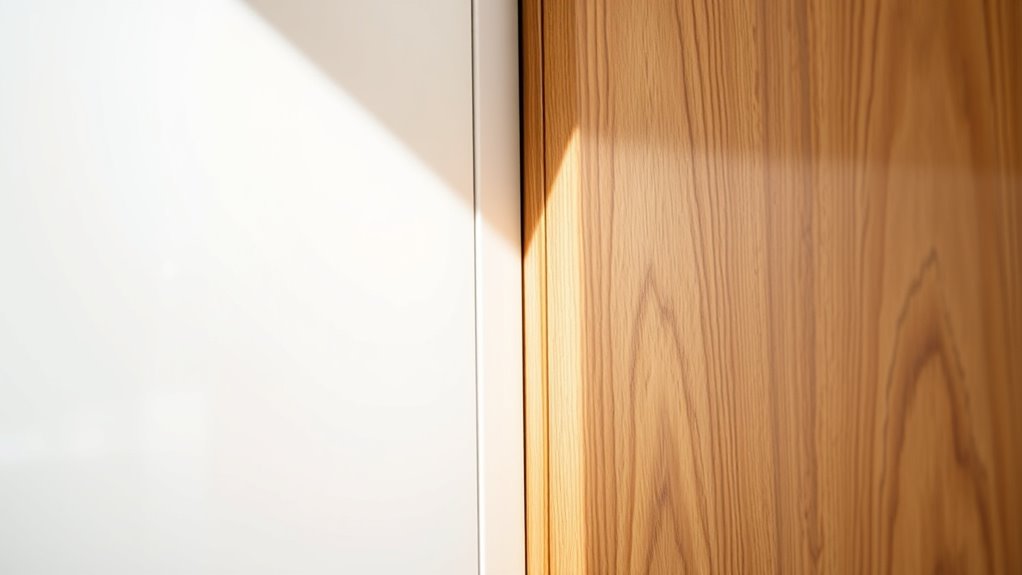
Your choice of materials can really impact the overall cost of cabinet refacing. High-end options like solid wood or exotic veneers usually come with a higher price because they’re durable and give a premium look.
On the flip side, more affordable materials like laminate or thermofoil can save you money while still giving your cabinets a fresh update. If you choose painted finishes, you’ll pay based on the quality of the paint and how it’s applied.
Don’t forget to consider durability. Cheaper options might wear out faster, which could cost you more in the long run. Your material choices affect not just the initial price but also the maintenance and lifespan of your cabinets.
Weigh the upfront costs against long-term benefits to make the best decision for your budget.
What Design Features and Complexity Levels Impact Costs?
The complexity of your cabinet design has a big impact on the overall refacing costs. Intricate details and custom features take more time and skill to complete.
Complex cabinet designs increase refacing costs due to added time, skill, and materials needed.
Simple, flat-panel doors with minimal embellishments are usually cheaper. On the other hand, ornate moldings, carvings, or glass inserts can increase both labor and material expenses.
If you go for custom shapes or unique layouts, expect higher costs because of specialized fabrication and installation. Features like decorative trims, layered finishes, or intricate edging can also significantly raise the price.
Raised panels or detailed carvings that need precise craftsmanship will add to your costs as well. Overall, the more detailed and complex your design, the more you’ll need to invest to get the look you want.
How Do Finish Options and Hardware Choices Change Pricing?
Finish options and hardware choices can really change the overall cost of cabinet refacing. Premium finishes like high-gloss paints or specialty veneers tend to be more expensive than standard ones, which can raise your project’s price.
Choosing custom colors or textured finishes also adds to the cost. When it comes to hardware, basic knobs and pulls are budget-friendly, but designer hardware or materials like glass or metal can significantly increase expenses.
If you go for high-end finishes or intricate hardware, you’ll pay more upfront. On the other hand, simpler, standard options help keep costs down. Your choices directly impact the final price, so balancing your style with your budget is key to keeping your kitchen facelift affordable.
How Much Do Labor Costs Add to Your Refacing Expenses?
Labor costs can vary a lot depending on where you are and the contractor you pick.
The complexity of your project, like custom features or existing cabinet conditions, also impacts how much you’ll pay.
Knowing these factors can help you get a better idea of the total refacing expenses.
Labor Rate Variations
Labor costs are a key factor that can greatly influence your overall refacing expenses. These rates vary widely depending on where you live, the experience of the contractor, and the local market demand.
In some regions, skilled labor may charge higher hourly rates, which can increase your total costs. Conversely, areas with more competition might offer lower rates.
Keep in mind that highly experienced or specialized contractors tend to charge more, but they often work faster and with better quality.
It’s crucial to get multiple quotes and understand what’s included in each.
While lower rates might save you money initially, they could also affect the quality of work.
Balancing cost and quality helps guarantee your refacing project stays within budget without sacrificing results.
Project Complexity Impact
The complexity of your cabinet refacing project directly impacts how much you’ll spend on labor. If your cabinets have intricate designs, uneven surfaces, or custom features, expect higher labor costs because it takes more time and skill to complete.
Simple, standard cabinets with flat surfaces and minimal details are quicker and easier to refinish, which helps reduce labor expenses.
The number of cabinets and how accessible they are also affect labor costs. More cabinets or tight spaces require more effort and time.
If your project involves removal, repairs, or modifications, those tasks add to the overall labor cost.
Ultimately, the more complicated the project, the more skilled labor it demands, increasing your total expenses.
Planning for complexity helps you budget realistically for labor and avoid surprises.
How Does Cabinet Size Influence Overall Refacing Costs?
Cabinet size has a big impact on the total cost of refacing your kitchen. Larger cabinets need more materials like veneer, paint, or laminate, which raises the price.
They also take more time to prepare, sand, and paint, which adds to labor costs. The number of doors and drawers matters too; more parts mean more work and materials.
On the other hand, smaller cabinets are cheaper because they require fewer materials and less time to finish. If your cabinets are large or have complex designs, expect higher costs due to more labor and materials.
To get an accurate estimate, think about both the total square footage and how detailed the design is. Overall, bigger cabinets will always increase your refacing expenses.
What Factors in Your Location or Service Provider Rates Affect Pricing?
Where you live and what your service provider charges can really impact the overall cost of cabinet refacing. In pricier cities, labor and materials tend to cost more, which drives up your expenses.
On the other hand, in more affordable regions, you might find lower rates and save money. Service providers also base their prices on local demand, competition, and regional economic factors.
In affordable areas, lower rates and regional factors can help you save on cabinet refacing costs.
If there aren’t many specialists in your area, they might charge more because of higher demand or travel costs. Plus, some providers include regional taxes, permits, or fees that can add to your total cost.
Knowing these local factors can help you better estimate your budget and make smarter choices for your kitchen renovation.
How Can You Balance Cost and Customization for Your Kitchen Makeover?
Wondering how to get the most value out of your kitchen makeover without sacrificing your personal style? The key is balancing cost and customization. Start by setting a clear budget and prioritizing features that matter most to you.
Consider semi-custom options, which offer a good mix of affordability and personalized design. You can also choose neutral finishes that fit many styles but are less expensive.
Opt for simple hardware and details to save costs. Focus on high-impact upgrades like cabinet doors or a fresh coat of paint to make a big difference.
Frequently Asked Questions
How Long Does the Cabinet Refacing Process Typically Take?
The cabinet refacing process usually takes between 2 to 5 days, depending on the project’s size and complexity.
You might find that small kitchens with simple designs can be finished in just a couple of days, while bigger, more detailed jobs could take longer.
Things like surface prep, material choices, and the number of cabinets all affect the timeline.
It’s best to talk with your contractor about your specific project for a more accurate estimate.
Are There Eco-Friendly Options Available for Cabinet Refacing?
Yes, eco-friendly options are available for cabinet refacing. You can choose sustainably sourced or recycled materials like bamboo or reclaimed wood, which are just as durable and stylish.
While some worry about cost, these options often save money in the long run through energy efficiency and durability. Opting for eco-friendly finishes and paints also helps reduce your home’s environmental footprint.
Embracing green choices allows you to create a beautiful, sustainable kitchen without sacrificing quality or style.
Can You Combine Refacing With Other Kitchen Upgrades?
Yes, you can combine cabinet refacing with other kitchen upgrades to save time and money. For example, you might update your countertops, install new appliances, or upgrade lighting while your cabinets are being refaced.
This approach creates a cohesive look and boosts your kitchen’s functionality. Just plan ahead and coordinate with your contractor to make sure all upgrades align seamlessly.
That way, you’ll maximize your renovation’s overall impact and enjoy a refreshed, more functional kitchen.
What Warranties or Guarantees Come With Refacing Services?
About 80% of cabinet refacing services come with warranties, so you can have peace of mind. These guarantees usually cover issues like peeling, warping, or problems with the finish for one to five years.
It’s important to read the fine print because coverage can vary depending on the provider. You’ll often find limited warranties on materials and workmanship.
Always ask your contractor for specific details. That way, you can be sure your investment is protected for the long run.
How Does the Age of Existing Cabinets Impact Refacing Costs?
The age of your existing cabinets can greatly impact refacing costs. Older cabinets may have structural issues or damage, which can require extra repairs or reinforcement. This extra work tends to increase expenses.
If your cabinets are outdated or worn, you might also need more extensive updates, like replacing hardware or adding new features. All of this can add to the overall cost.
But, keep in mind, addressing these issues can also improve the longevity and appearance of your kitchen. So, sometimes spending a bit more upfront can be worth it in the long run.
Conclusion
By understanding these key factors—materials, design complexity, finishes, labor, size, and location—you hold the brush to paint your perfect kitchen makeover within your budget.
Think of your renovation as a canvas; each choice adds color and detail, shaping the masterpiece you’ll enjoy daily. With careful planning, you can find a balance between cost and style.
This way, you’ll transform your space into a beautiful, functional retreat that truly reflects your vision. When you consider kitchen cabinet refacing costs, these factors help you create a stunning kitchen without breaking the bank.