Can I Put Salt on My Canker Sore?
Dealing with a canker sore can be really frustrating—those painful spots in your mouth can make eating, talking, and even smiling uncomfortable.
If you’re like many people, you’ve probably wondered about quick fixes to ease the pain and speed up healing.
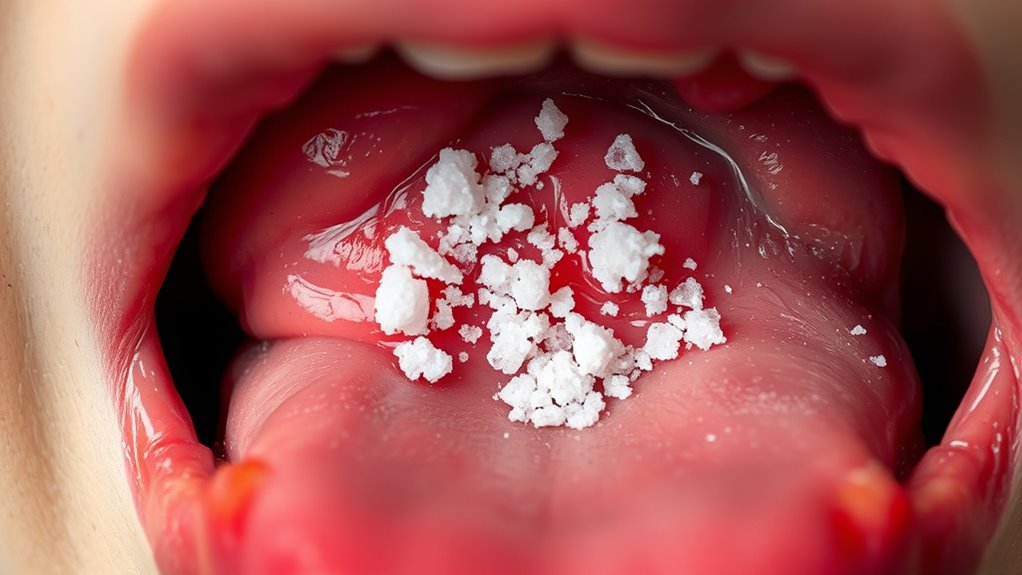
Putting salt directly on your canker sore can cause irritation, burning, and worsen your discomfort. While salt has some antimicrobial properties that may promote healing, it can also damage delicate tissues if used improperly.
To protect yourself, avoid applying salt straight to the sore and consider safer options like rinsing with a saline solution or using soothing gels.
You’ll uncover more tips on managing your canker sore and when to see a professional as you continue.
Key Takeaways
- Salt can dry out canker sores and help them heal faster, but it might cause irritation or discomfort if you apply it directly to the sore.
- It’s safer to mix salt with warm water and use it as a rinse rather than applying it straight on the sore. This way, you reduce the risk of damaging your tissues.
- Using too much salt or applying it directly can actually make the pain worse, slow down healing, and harm the delicate tissues in your mouth.
- If you’re looking for gentler options, try saline rinses or over-the-counter gels designed for mouth sores. These can provide relief without causing additional irritation.
- If your sore lasts longer than two weeks or causes a lot of pain or swelling, it’s a good idea to see a dentist for advice.
Is It Safe to Put Salt on a Canker Sore?
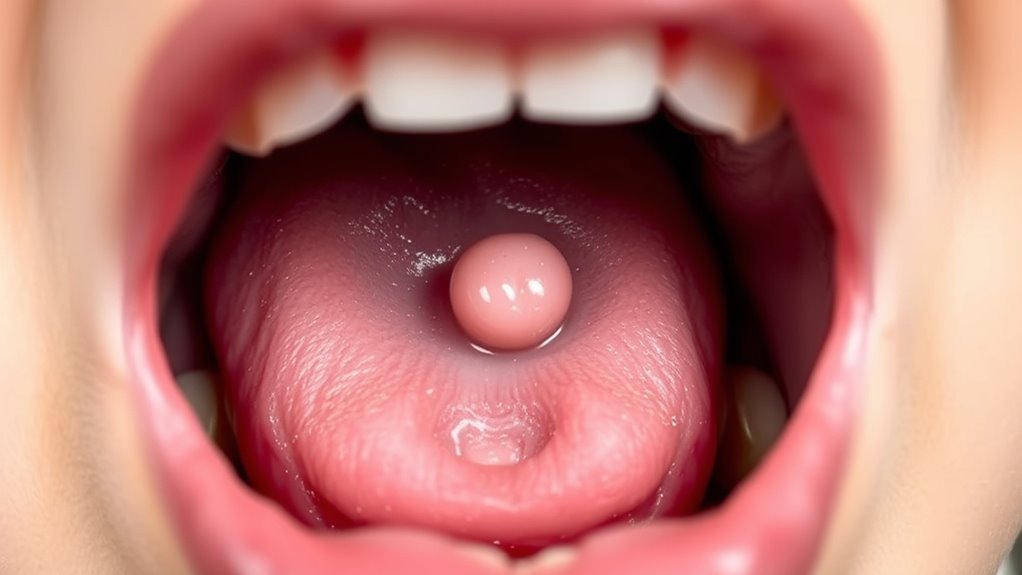
Many people wonder if applying salt to a canker sore is safe. The truth is, using salt can be risky, especially if you have sensitive tissue. Salt is a natural antiseptic, but it’s also an irritant.
Applying salt to a canker sore can be risky and may cause irritation or delay healing. Use cautiously.
When you put salt directly on a sore, it can cause a burning sensation and may worsen the discomfort. In some cases, it might even delay healing or cause additional damage.
If you decide to try salt, it’s best to use it cautiously—diluted or in small amounts—and avoid applying it too forcefully. Keep in mind that your oral tissues are delicate, and overdoing it could lead to more pain or prolong the healing process.
Always consult with a healthcare professional if you’re unsure.
How Does Salt Affect Canker Sores?
Salt has natural healing properties that can help dry out a canker sore and potentially speed up healing.
It may also reduce pain temporarily by numbing the area. However, applying salt directly can irritate the sore, causing more discomfort or delaying recovery.
Salt’s Healing Properties
Because salt has natural antiseptic properties, it can help reduce bacteria and prevent infection in canker sores. When you rinse with a saltwater solution, it creates a hostile environment for bacteria, lowering the chances of further irritation or infection.
Salt also promotes healing by drawing out excess fluids from the sore. This can help reduce swelling and inflammation. The dehydration effect helps clear away dead tissue, making space for new, healthy tissue to grow.
Furthermore, salt’s antimicrobial properties can inhibit the growth of bacteria that might worsen the sore. While it doesn’t directly heal the sore, salt’s ability to keep the area cleaner supports faster recovery.
Using salt in your oral care routine can help you manage and heal canker sores more effectively.
Effects on Sore Pain
While salt can help clean the sore and prevent infection, it may also cause some initial discomfort when applied. When you put salt on a canker sore, the salt’s abrasive nature can irritate the tender tissue, leading to a stinging sensation.
This pain is usually temporary but can be intense, especially if the sore is deep or very inflamed. The salt’s dehydration effect may also increase sensitivity, making eating or drinking uncomfortable for a short period.
However, some people find that this discomfort is worth it because salt can help dry out the sore and speed healing. If you’re sensitive to pain, you might want to dilute the salt solution or try alternative remedies instead.
Potential Irritation Risks
Applying salt directly to a canker sore can sometimes cause irritation or make the discomfort worse. Salt’s abrasive nature can hurt the delicate tissue, leading to more inflammation and pain.
You might feel a burning sensation that lasts longer or feels more intense than before. Sometimes, salt can slow down healing by irritating the sore’s surface.
If you have a sensitive mouth or an open wound, salt might make the soreness worse instead of helping. It’s important to weigh the potential benefits against these risks.
To avoid unnecessary pain or delays in healing, consider talking to a healthcare professional before trying salt as a treatment. Using gentler remedies or medicated options may be safer and more effective for managing your canker sore.
How to Use Salt Safely for Canker Sore Relief
Using salt to soothe a canker sore can be effective if done correctly. To do this safely, mix about half a teaspoon of salt into a cup of warm water.
Swish the solution gently around your mouth, focusing on the sore area, for about 15-30 seconds. Avoid swishing too vigorously, as that can cause irritation.
Do this two to three times daily, especially after meals, to help reduce inflammation and bacteria. Be sure not to swallow the saltwater—spit it out after each rinse.
If you feel a burning sensation, rinse your mouth with plain water. Be gentle and don’t overdo it—using salt too often or too strongly can make things worse.
Always follow your healthcare provider’s advice if you’re unsure about the best approach.
What Are the Risks of Putting Salt on Mouth Sores?
Putting salt on mouth sores can damage the tissue, which might slow healing or cause additional irritation. You could also experience more pain or a burning feeling, making the sore even more uncomfortable.
It’s important to know these risks before deciding if salt is the right remedy for you. Always consider talking to a healthcare professional for safer treatment options.
Potential Tissue Damage
Although salt might seem like a simple fix, it can cause serious tissue damage if used incorrectly on mouth sores. When you put salt directly on a sore, the high salt levels can irritate and break down the delicate tissues inside your mouth.
This damage can lead to more inflammation, making healing take longer and causing more discomfort. The abrasive salt crystals can also physically harm the lining of your mouth, creating tiny tears or making existing sores worse.
If you use salt too much or too aggressively, it can strip away protective mucus layers. This leaves the underlying tissues more vulnerable to infection or other injuries.
Be careful with salt treatments, because what seems helpful might actually make your sore worse and delay healing.
Increased Pain Sensation
Applying salt directly to a mouth sore can cause a lot of pain because the high salt concentration irritates the sensitive nerve endings in the tissue. This irritation leads to a sharp, burning feeling that can make the discomfort worse.
You might also experience a longer period of soreness or even more inflammation. Plus, salt’s dehydrating effect can make the sore feel even more tender and painful.
Be careful because the pain can become so intense it’s hard to eat or drink. Increased inflammation might slow down the healing process, and the tissue could get more irritated.
It can also make you more sensitive to other foods or drinks, causing additional discomfort. Being aware of these risks can help you avoid unnecessary suffering and choose safer, more effective ways to treat your sore.
Does Scientific Research Support Using Salt for Canker Sores?
Scientific studies on using salt to treat canker sores have shown mixed results, so it’s hard to say for sure if it works. Some research suggests that salt rinses might help reduce bacteria and speed up healing by creating a hypertonic environment that pulls moisture out of tissues.
Research on salt for canker sores shows mixed results, with potential benefits and risks depending on individual sensitivity.
This could decrease inflammation and prevent infection. But other studies find little to no benefit, pointing out that salt might irritate sensitive tissues and make discomfort worse in some cases.
Overall, while salt has natural antibacterial properties, the scientific evidence isn’t conclusive. You might find relief or experience more pain depending on how severe your sore is and your personal sensitivity.
It’s best to weigh the possible benefits against the risk of irritation and check with a healthcare professional for personalized advice.
When Should You Avoid Using Salt on Mouth Ulcers?
You should avoid using salt on mouth ulcers if the sore is very painful, inflamed, or if your tissues are already irritated. Salt can cause a burning sensation and make discomfort worse in sensitive areas.
If your ulcer is large, deep, or bleeding, applying salt might increase pain and slow down healing. Also, if you notice more redness or swelling, it’s best to hold off on salt until the area calms down.
Avoid using salt if the sore is very painful or raw, there’s active bleeding or open tissue, or your mouth feels swollen or inflamed. If you find that salt worsens your discomfort, it’s better to try gentler remedies or see a healthcare professional.
What Are Better Alternatives to Salt for Mouth Ulcer Pain?
When dealing with mouth ulcer pain, gentle, soothing alternatives can offer relief without irritating sensitive tissue. Rinsing your mouth with a saline solution made with warm water and a teaspoon of salt can help clean the sore and reduce discomfort.
Over-the-counter gels or ointments containing benzocaine or other numbing agents can provide targeted relief. Applying a baking soda paste—mixing baking soda with a small amount of water—can neutralize acids and soothe the area.
Over-the-counter numbing gels and baking soda paste can quickly soothe mouth ulcers.
Drinking cool, non-acidic beverages or sucking on ice chips can numb the pain temporarily. Using a mouthwash formulated for sensitive mouths, especially those with aloe or chamomile, can also promote healing and reduce inflammation.
These alternatives are less harsh and often more comfortable than salt, helping you manage pain effectively.
When Should You See a Dentist About Canker Sores?
While home remedies like salt rinses and soothing gels can help manage minor canker sores, some situations call for professional advice. You should see a dentist if your sore:
- Lasts longer than two weeks or keeps recurring often
- Becomes more painful or swollen
- Is accompanied by fever or unexplained weight loss
- Shows signs of infection, like pus or spreading redness
A dentist can find out if an underlying condition is causing your sores or if you need more intensive treatment. Ignoring persistent or worsening symptoms might lead to complications or misdiagnosis. Don’t hesitate to seek professional help if your canker sore doesn’t improve with home care or if you notice unusual signs. Getting prompt dental advice ensures proper diagnosis and relief.
Frequently Asked Questions
Can Salt Worsen the Pain of a Canker Sore?
Yes, salt can worsen the pain of a canker sore. When you put salt on the sore, it causes a burning sensation because salt draws out moisture and irritates the tissue.
This may make the discomfort feel worse and slow down healing. If you’re looking for relief, try rinsing with a gentle saltwater solution or using soothing remedies instead.
Avoid applying salt directly to the sore to minimize unnecessary pain and irritation.
How Long Does Salt Take to Heal a Canker Sore?
Salt doesn’t speed up healing; instead, it’s like throwing sand in your wound. Usually, a canker sore takes about 1 to 2 weeks to heal on its own.
Using salt may cause irritation or discomfort, which could delay recovery. To soothe your sore, stick to gentle oral rinses and avoid irritating foods.
Patience and proper care are your best tools for a quicker, less painful healing process.
Are There Specific Types of Salt Better for Use?
No, not all salts are suitable for treating canker sores. You should use plain, uniodized salt like regular table salt or sea salt.
Avoid specialty salts with added minerals or flavorings, as they might irritate your sore further. Dissolve the salt in warm water to make a rinse, which helps reduce pain and inflammation.
Always be gentle and don’t overuse it to prevent worsening the sore.
Can Salt Cause Infections in Mouth Ulcers?
Research shows that salt has antimicrobial properties, but it can cause irritation if used improperly. When you apply salt to mouth ulcers, it might temporarily sting or worsen discomfort, but it doesn’t usually cause infections.
However, overuse or using too much salt can damage tissue and increase the risk of infection. So, if you notice more pain or signs of infection, it’s best to see a healthcare professional and try gentler treatments.
Is Salt Effective for Recurrent or Severe Canker Sores?
Salt can help reduce pain and promote healing for recurrent or severe canker sores, but it might not be enough on its own. You can try rinsing your mouth with a saltwater solution several times a day to find some relief.
If your sores stick around or get worse, it’s a good idea to see a healthcare professional. They can suggest other treatments like medicated mouthwashes or topical medications for better relief.
Conclusion
Just like trying to fix a leaky faucet with a hammer, using salt on your canker sore can sometimes do more harm than good. While it might seem like a quick fix, research shows it can irritate your mouth further.
Instead, think of gentle remedies as your trusted tools—like rinses or topical treatments—that help soothe your pain safely.
Trust your health and see a dentist if the sore persists. Your comfort is worth it, so putting salt on your canker sore isn’t the best idea.