How to Use Epsom Salt to Help Poison Ivy
Dealing with poison ivy can be incredibly frustrating—itchy, blistering rashes are no fun and can disrupt your daily routine. You’re not alone; many people struggle with finding quick, effective relief.
Luckily, simple remedies like Epsom salt can help soothe that irritating rash and bring some relief.
To help soothe poison ivy, soak in a warm Epsom salt bath for 15-20 minutes, dissolving about two cups of salt in the water. You can also make a topical solution by dissolving 1-2 cups in warm water and applying it with a cloth or cotton ball for 10-15 minutes.
Use these treatments once or twice daily, but avoid broken skin and monitor your skin’s response for best results.
Keep going to uncover more tips and precautions.
Key Takeaways
- Dissolve two cups of Epsom salt in warm bathwater and soak for 15-20 minutes to help soothe your skin.
- You can also dip a cloth or cotton ball into a Epsom salt solution and gently apply it directly to the affected area.
- Make sure to limit these topical treatments to about 10-15 minutes. Avoid applying on open wounds or broken skin to prevent irritation.
- You can repeat the soaks or compresses once or twice a day. Adjust the frequency based on how your skin responds.
- After treatment, follow up with a moisturizer to keep your skin hydrated and avoid further irritation to support healing.
How Epsom Salt Can Help Relieve Poison Ivy Symptoms
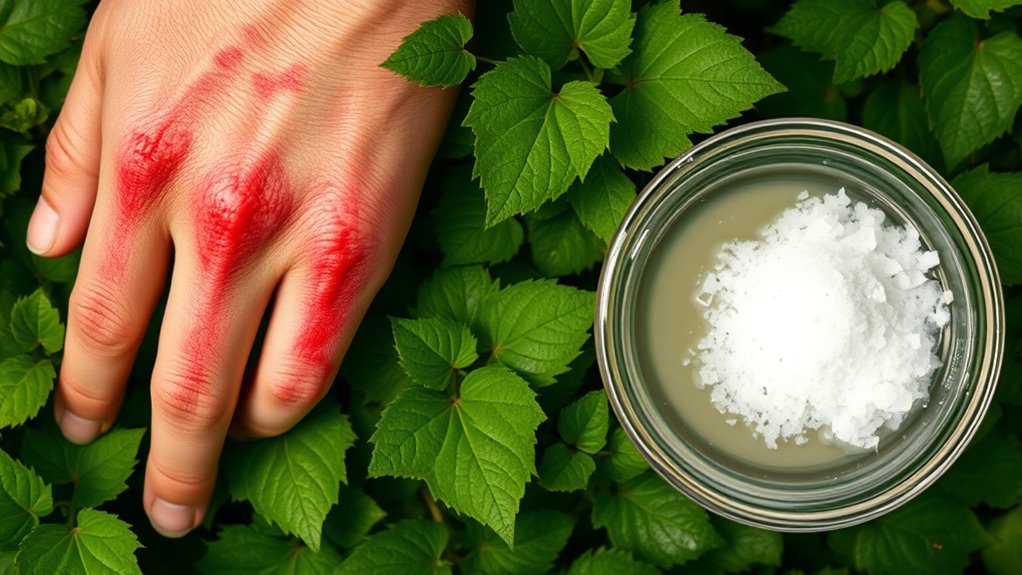
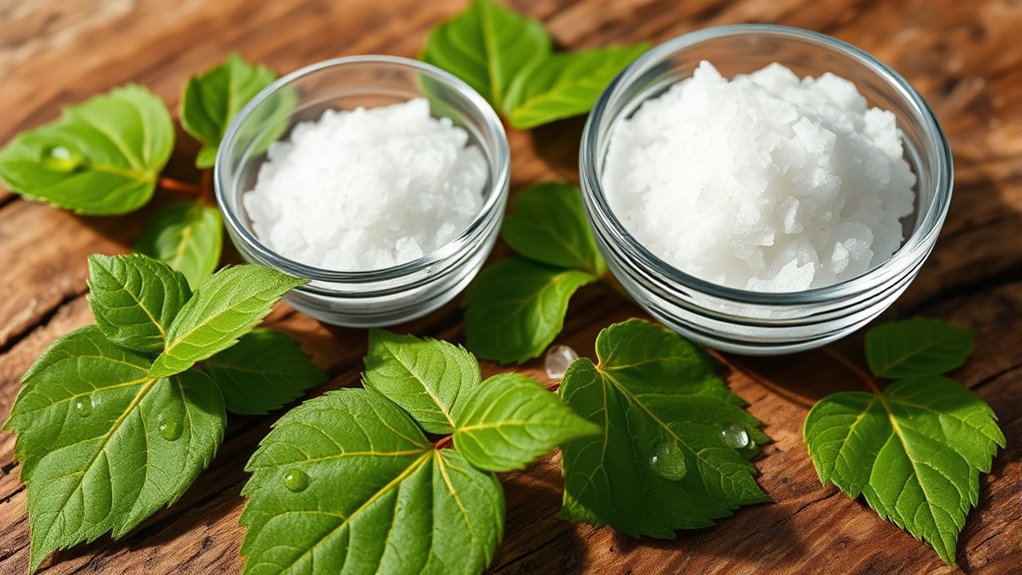
Epsom salt can be an effective remedy for soothing the itching and inflammation caused by poison ivy. When you apply it, the magnesium sulfate in Epsom salt helps reduce swelling and calm irritated skin.
It can also draw out toxins, easing the discomfort from the rash. The salt’s anti-inflammatory properties help diminish redness and soothe the burning sensation.
Many people find that soaking in an Epsom salt bath provides quick relief, especially when the rash is widespread. It’s a natural, gentle option that can help you feel more comfortable as your skin heals.
How to Prepare an Epsom Salt Bath for Poison Ivy Relief
To experience the soothing effects of an Epsom salt bath, you’ll want to prepare it correctly to maximize relief from poison ivy symptoms. Fill your bathtub with warm water—just not hot, as hot water can make irritation worse.
Dissolve about two cups of Epsom salt into the water, stirring gently until it’s fully dissolved. Soak for 15 to 20 minutes to let the magnesium sulfate penetrate your skin and help reduce itching and inflammation.
Make sure to wear comfortable clothing or keep your skin submerged, covering the affected areas. After soaking, rinse your skin with cool water to close your pores.
Pat dry gently with a soft towel and avoid scrubbing. You can repeat this bath once or twice daily for ongoing relief.
Making an Epsom Salt Solution for Topical Use
To make an effective Epsom salt solution for topical use, you need to prepare it correctly to avoid skin irritation. Once it’s ready, applying it safely and effectively is key to soothing your poison ivy symptoms.
Follow these steps to guarantee the best results and minimize any risks.
Preparing the Solution Properly
Start by measuring out 1 to 2 cups of Epsom salt and add it to a clean basin or bucket filled with about 2 gallons of warm water. Stir until the salt dissolves completely. Proper mixing ensures the solution is evenly distributed and effective.
Keep in mind that the concentration can affect how gentle or strong the soak feels. Using too much salt might cause irritation, while too little may lessen its benefits. To help you gauge the right strength, consider this:
| Salt Amount | Effect |
|---|---|
| 1 cup | Mild, gentle soak |
| 1–2 cups | Moderate, balanced relief |
| 2 cups | Strong, more concentrated |
Adjust based on your skin sensitivity and comfort. Proper preparation maximizes the soothing effects.
Applying Safely and Effectively
Once you’ve prepared your Epsom salt solution, it’s important to apply it carefully to get the best relief without irritating your skin. Start by soaking a clean cloth or cotton ball in the solution, then gently dab it onto the affected areas.
Avoid rubbing vigorously, as this can make irritation worse. Keep the application brief—about 10 to 15 minutes—to prevent dryness or skin sensitivity. If you notice excessive redness, burning, or discomfort, remove the solution right away.
Afterward, pat your skin dry with a soft towel and apply a gentle, fragrance-free moisturizer if needed. Repeat this process 2-3 times daily, or as advised by your healthcare provider, to soothe the rash and reduce inflammation effectively.
How Often Should You Use Epsom Salt Treatments?
Wondering how often you should apply Epsom salt treatments for poison ivy? Usually, you can do Epsom salt soaks 1 to 2 times a day until your symptoms get better. Staying consistent helps with itching and swelling, but don’t overdo it, or your skin might get too dry.
Pay attention to how your skin reacts and adjust your routine if needed. Here’s a quick guide:
| Frequency | Notes |
|---|---|
| Once a day | Good for mild irritation, keep up daily use |
| Twice a day | Better for severe itching, morning and night |
| As needed | Use when symptoms flare or get worse |
Stick with this schedule, and you should see relief without irritating your skin more.
Additional Natural Remedies for Poison Ivy Relief
In addition to Epsom salt treatments, there are several natural remedies that can help soothe poison ivy symptoms. Baking soda paste, made by mixing baking soda with water, can reduce itching and inflammation when applied directly to the skin.
Oatmeal baths are another effective option; they calm irritated skin and provide relief from itching. Aloe vera gel, known for its soothing properties, can also help heal the rash and reduce redness.
You might find relief using witch hazel, which acts as an astringent to reduce swelling and irritation. Furthermore, applying cold compresses can numb the area and lessen discomfort.
These natural remedies, used alongside Epsom salt, can help you manage symptoms more effectively and promote faster healing.
Safety Tips and When to Avoid Epsom Salt Remedies
While Epsom salt can be helpful for soothing poison ivy symptoms, it’s important to use it safely and know when to avoid it.
If you have open wounds, broken skin, or severe skin reactions, steer clear of Epsom salt because it might irritate or worsen your condition.
People with sensitive skin or allergies should test a small patch first to see if they have any adverse reactions.
Make sure to dilute Epsom salt properly and don’t overuse it, as applying too much can cause dryness or skin irritation.
If you notice increased redness, swelling, or pain after using Epsom salt, stop immediately and see a healthcare professional.
It’s always good to know your limits and seek medical advice if your poison ivy symptoms are severe or don’t improve.
Combining Epsom Salt With Other Natural Remedies
You can boost relief from poison ivy by combining Epsom salt with other natural remedies. Using ingredients like oatmeal or witch hazel alongside Epsom salt can help soothe the skin and reduce itching.
Creating cooling compresses with these combined remedies offers quick, targeted relief. It’s a simple way to ease discomfort and calm irritated skin effectively.
Enhancing Skin Soothing Effects
Combining Epsom salt with other natural remedies can really boost its skin-soothing effects. For example, adding colloidal oatmeal to your Epsom salt bath creates a calming, anti-inflammatory soak that relieves itching and irritation.
You can also mix in aloe vera gel into your bath or apply it directly to affected areas. Its cooling properties soothe inflamed skin and help promote healing.
Another good option is adding a few drops of tea tree oil, which has antiseptic qualities that help prevent infection and reduce irritation. These combinations make the soak more calming and can provide faster relief from poison ivy symptoms.
Just make sure to verify that the remedies are safe for your skin and avoid any ingredients you’re allergic to. Using these natural additions can make your Epsom salt soak even more effective and comforting.
Combining Natural Anti-Itch Agents
Building on the soothing effects of adding natural ingredients to your Epsom salt bath, merging it with other anti-itch agents can boost relief from poison ivy symptoms. You might add colloidal oatmeal or baking soda to your bath, both known for calming irritated skin.
Aloe vera gel can also be applied afterward or mixed into your bath for its cooling, anti-inflammatory properties. Tea tree oil, diluted properly, offers antimicrobial benefits and can help reduce itching.
Always dilute essential oils before use and test a small skin patch first. Merging these remedies creates a potent, natural approach to easing discomfort.
Creating Cooling Compresses
Creating cooling compresses can give quick relief from poison ivy itching and inflammation by using the calming power of Epsom salt along with other natural remedies. To make one, dissolve a few tablespoons of Epsom salt in cold water, then add a few drops of witch hazel or aloe vera gel for extra soothing effects.
Dip a clean cloth or compress into the mixture, then squeeze out any excess liquid. Apply the compress directly to the affected area for 15-20 minutes. The cold temperature and the anti-inflammatory properties of Epsom salt and natural ingredients help reduce swelling and calm irritated skin.
You can repeat this process as needed throughout the day to keep discomfort at bay and promote faster healing.
Troubleshooting Common Issues With Epsom Salt Treatments
Despite its many benefits, using Epsom salt for poison ivy treatment can sometimes cause issues like skin irritation or not providing relief. To troubleshoot, start by checking if your skin reacts negatively.
If irritation happens, try reducing the salt concentration or stop using it altogether. Sometimes, the treatment might not work if the rash is severe or recent.
In such cases, you can combine Epsom salt with other remedies or consult a healthcare professional. Here’s a quick guide:
| Issue | Solution |
|---|---|
| Skin irritation | Use less Epsom salt or dilute it more |
| No relief after treatment | Try other remedies or see a doctor |
| Rash worsens | Discontinue use and seek medical advice |
| Excessive dryness | Moisturize your skin after treatment |
Frequently Asked Questions
Can Epsom Salt Prevent Poison Ivy From Spreading?
Epsom salt doesn’t prevent poison ivy from spreading. Instead, it can soothe your skin and reduce itching after exposure.
To use it, dissolve Epsom salt in warm water and soak the affected area for about 15 minutes. While it helps relieve discomfort, you should also wash the area thoroughly and avoid scratching to prevent the rash from spreading further.
For severe reactions, see a healthcare professional promptly.
Are There Any Allergic Reactions to Epsom Salt Treatments?
Yes, you can have allergic reactions to Epsom salt treatments. Some people might experience skin irritation, redness, or itching after applying it, especially if they have sensitive skin or allergies.
To minimize risks, do a patch test first by applying a small amount to a limited skin area. If you notice any adverse reactions, wash the area immediately and stop using it.
If symptoms persist or worsen, it’s best to consult a doctor.
How Long Does It Take for Epsom Salt to Work?
Epsom salt typically starts providing relief within 15 to 30 minutes after a bath or soak. The magnesium sulfate helps reduce inflammation and soothe itching.
It may take a few applications over several days to see full improvement. For best results, soak in warm water with Epsom salt for about 15 minutes.
You can repeat this as needed, usually once or twice daily.
Can Epsom Salt Be Used on Broken Skin?
Epsom salt shouldn’t be used on broken skin. It can cause irritation or a burning sensation, especially if your skin is damaged.
While some people believe it helps soothe skin, applying it on open wounds might make inflammation worse or even introduce infection.
If your skin is broken, it’s safer to avoid Epsom salt and instead see a healthcare professional for proper treatment.
Always choose gentle, wound-appropriate remedies to keep your skin safe.
Is Epsom Salt Effective for Chronic Poison Ivy Cases?
Epsom salt may provide some relief for chronic poison ivy cases, but it’s not a cure. If you use it regularly, it can help reduce itching and inflammation by drawing out toxins and soothing your skin.
However, for persistent or severe cases, you should see a healthcare professional. You might need additional treatments like corticosteroids or antihistamines.
Epsom salt is a helpful supplement, but it’s not a standalone solution.
Conclusion
Using Epsom salt can be a soothing way to ease poison ivy symptoms, with studies showing that Epsom salt baths help reduce skin inflammation and itching. Just remember to follow recommended usage guidelines and combine it with other natural remedies for better relief.
Nearly 70% of people find natural treatments more gentle and effective. So, give Epsom salt a try and enjoy quicker, more comfortable relief from poison ivy irritation.