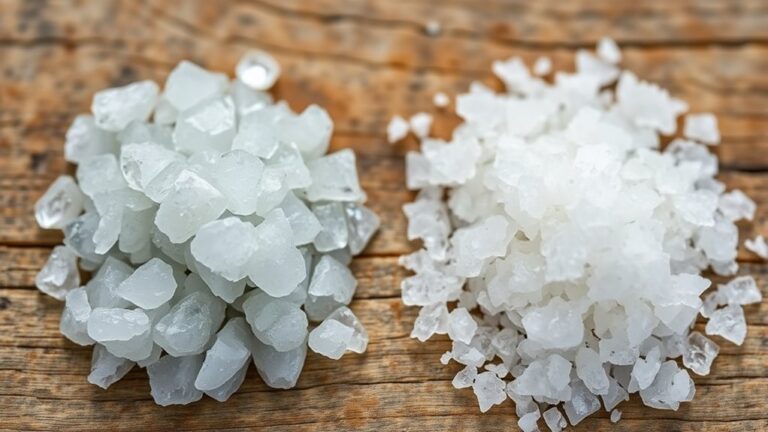

Will Warm Salt Water Help Toothache?
Many people struggle with toothaches, and it can be really uncomfortable and frustrating. You’re not alone in searching for quick relief options to ease that pain.
Will warm salt water help toothache? Yes, it can provide temporary relief. It works by soothing inflamed gums, drawing out irritants, and reducing bacteria in your mouth.
This rinse also helps decrease swelling and pressure, offering short-term comfort.
However, it’s not a cure for underlying problems like cavities or infections. For sustained relief and proper treatment, it’s best to see a dentist.
Keep exploring to learn how to effectively use salt water and when to seek professional care.
Key Takeaways
- Warm salt water can temporarily help ease toothache pain by reducing inflammation and pulling out irritants.
- It also has natural antibacterial properties that can fight the bacteria causing or making the toothache worse.
- Rinsing with salt water helps improve oral hygiene and can soothe sore gums, giving you short-term relief.
- Keep in mind, salt water is just a supportive measure. It’s not a cure for underlying problems like cavities or infections.
- Use salt water rinses for no more than 48 hours. If the pain keeps going, it’s a good idea to see a dentist.
Does Salt Water Help Relieve Toothache Pain?
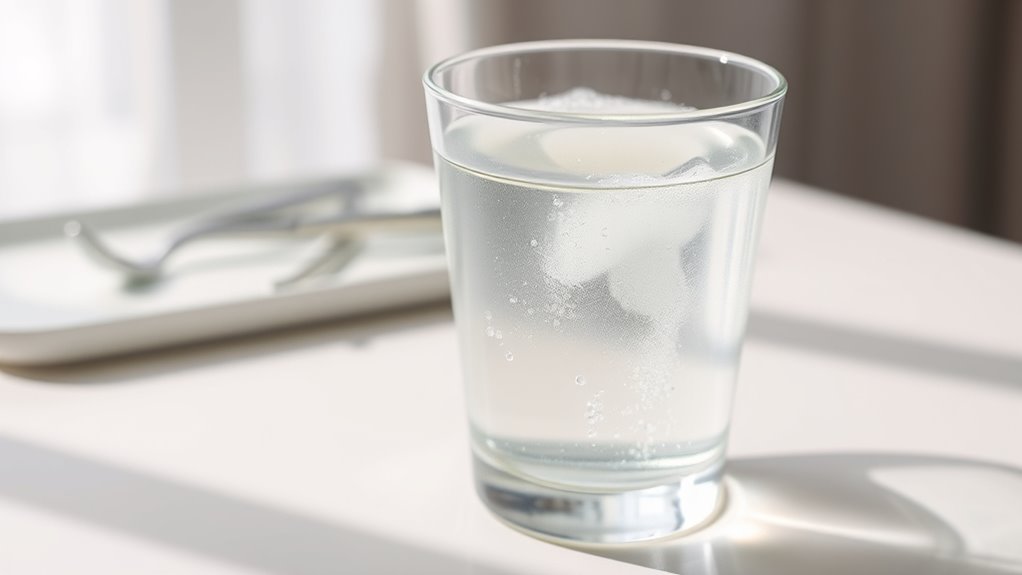
Does rinsing with salt water really ease toothache pain? Many people find that a salt water rinse can temporarily reduce discomfort. When you swish salt water around your mouth, it helps draw out some of the fluids from inflamed tissues, which can lessen swelling and soothe pain.
Salt also has natural antibacterial properties, fighting bacteria that may worsen your toothache. You might notice relief after just a few rinses, especially if the pain is caused by minor irritations or infections.
However, salt water isn’t a cure for underlying issues like cavities or abscesses. It works best as a short-term relief method to keep your mouth clean and reduce inflammation until you can see a dentist.
How Does Warm Salt Water Sooth Gums and Teeth?
Warm salt water helps soothe your gums and teeth by reducing inflammation naturally, easing discomfort quickly. It also promotes healing in your mouth and keeps bacteria at bay, supporting overall oral health.
Using this simple rinse can make a noticeable difference in how your mouth feels and recovers.
Reduces Gum Inflammation Naturally
When you rinse your mouth with warm salt water, it helps reduce gum inflammation naturally by drawing out excess fluid and bacteria from the tissues. The salt creates an osmotic effect, pulling out irritants and reducing swelling.
This process lowers inflammation, easing soreness and preventing further infection. The rinse also helps remove food particles and plaque, which can worsen gum irritation.
Regular use of warm salt water can promote healthier gums by supporting the body’s natural healing processes. You’ll notice less redness and tenderness over time, making it easier to maintain good oral hygiene.
This simple remedy is an effective, natural way to soothe inflamed gums without harsh chemicals. It helps you protect your oral health and reduce discomfort.
Alleviates Tooth Discomfort
Since salt water has natural healing properties, rinsing with it can effectively soothe both gum and tooth discomfort. When you swish warm salt water in your mouth, it helps reduce the pain caused by sensitive areas or minor irritations.
The salt draws out excess fluid from swollen tissues, decreasing pressure and easing discomfort. It also helps clean away food particles and bacteria that may worsen pain or cause infections.
The warm temperature relaxes tense muscles and promotes circulation, providing quick relief. Regular rinsing can prevent minor issues from escalating into more serious problems.
Promotes Oral Healing
Because salt water has natural antimicrobial properties, rinsing with it can speed up healing of gums and teeth. It helps reduce bacteria that cause infections, so tissues can repair faster.
When you rinse, salt draws out excess fluid from inflamed tissues, which decreases swelling and pain. This process promotes tissue regeneration, helping cuts and sores heal more quickly.
To illustrate, consider the following:
| Benefit | How It Works |
|---|---|
| Reduces bacteria | Kills germs that impede healing |
| Decreases inflammation | Lessens swelling and discomfort |
| Promotes tissue repair | Encourages cell growth and regeneration |
Regular rinsing creates a cleaner environment, supporting your body’s natural healing process and restoring oral health efficiently.
How to Make and Use a Salt Water Rinse for Toothache Relief
To make a salt water rinse, mix about half a teaspoon of salt into a glass of warm water until it dissolves completely.
When using it, swish the solution around your mouth for 30 seconds, making sure to reach the affected areas.
Spit out the rinse and repeat as needed to help soothe your toothache.
Preparing the Salt Solution
Creating a salt water rinse is simple and quick. To prepare it, start with about 8 ounces of warm water—enough to cover your affected area comfortably.
Add one teaspoon of salt and stir until it dissolves completely. Using warm water helps the salt dissolve faster and feels soothing on your gums.
Be sure the solution isn’t too hot to avoid burning your mouth. You can prepare this rinse in advance or right before use.
If you need a larger amount, keep the same ratio of salt to water. Always stir well to make sure the salt is fully dissolved, which makes it more effective.
This straightforward solution provides a salt water rinse ready for use in soothing your toothache.
Proper Rinsing Technique
Once you’ve prepared your salt water rinse, it’s important to use the proper technique to get the best results. Take a sip of the warm solution, then swish it around your mouth, focusing on the affected area.
Make sure to gargle gently for about 30 seconds, so the salt water contacts your gums and teeth. Avoid swallowing the rinse, and spit it out afterward.
Repeat this process several times a day as needed for relief. Proper rinsing helps reduce bacteria, soothe inflamed tissue, and promote healing.
What Are the Benefits and Limits of Using Salt Water for Toothaches?
Salt water rinses can offer quick relief for a toothache by reducing bacteria and soothing inflamed tissues. They help loosen debris and bacteria that may be causing pain, providing temporary comfort.
But keep in mind, salt water isn’t a cure-all. It can’t treat underlying issues like cavities or infections. Its main benefit is helping you manage discomfort until you see a dentist.
Limitations include its inability to penetrate deep into tooth or gum tissues, so it won’t resolve severe infections or damage. Overuse can also irritate sensitive tissues or cause dryness.
While salt water rinses are affordable and easy to use, they should complement, not replace, professional dental care. Use them as part of a broader approach to oral health, especially for short-term relief.
When Should You Use Salt Water Alone or Seek Dental Care?
Knowing when to rely on salt water rinses and when to seek professional dental care can make a big difference in managing a toothache.
If your pain is mild and you notice swelling or inflammation, a salt water rinse can provide temporary relief and help reduce bacteria. Use it as a short-term solution while monitoring your symptoms.
However, if your pain worsens, becomes persistent, or is accompanied by severe swelling, fever, or bleeding, you should see a dentist promptly. These signs indicate a potential infection or more serious dental issue that needs professional treatment.
Rinsing with salt water is helpful for minor discomforts, but it’s not a substitute for professional diagnosis and care when symptoms escalate. Always prioritize expert advice for ongoing or severe tooth pain.
Common Mistakes to Avoid When Rinsing With Salt Water
Be careful not to overuse salt water rinses, as rinsing too often can irritate your gums and slow down healing.
Make sure you’re using the right salt concentration—too salty or too weak won’t do much and might make things uncomfortable.
Don’t rush through the rinsing process; rinsing too hard or for too long can cause more harm than good.
Overusing Salt Water Rinse
While rinsing with salt water can help relieve pain, overdoing it can cause more harm than good. Using salt water too often or for too long can irritate your gums and oral tissues, leading to increased sensitivity and discomfort.
Too much rinsing can also wash away the natural mouth bacteria that protect against infection, which might make your toothache worse. Plus, rinsing excessively can dehydrate your oral tissues and slow down healing.
Try to limit your salt water rinses to two or three times a day. Avoid prolonged or aggressive swishing. Instead, focus on gentle rinsing for short periods to get the benefits without risking damage.
Using Incorrect Salt Concentration
Using the wrong salt concentration can make your rinses ineffective or even cause irritation.
If the mixture is too salty, it can burn your gums and mouth, making your discomfort worse. Conversely, if it’s too weak, it won’t do much to reduce bacteria or soothe your toothache.
For the best results, dissolve about half a teaspoon of salt in eight ounces of warm water. Stir until the salt completely dissolves.
Avoid increasing the salt amount, as it won’t improve the rinse’s effectiveness and may irritate sensitive tissues.
Always measure carefully and stick to the recommended concentration. Incorrect salt levels can compromise your comfort and delay healing.
Paying attention to the mixture’s strength is essential for safe and effective relief.
What Scientific Evidence Supports Salt Water for Dental Inflammation?
Research shows that salt water can help reduce dental inflammation. Scientific studies indicate that saline solutions can decrease swelling and soothe irritated tissues by drawing out excess fluid and bacteria.
Salt’s antimicrobial properties can inhibit bacterial growth in the mouth, lowering the risk of infection and easing discomfort. In some clinical trials, people rinsed with salt water experienced faster relief from gum inflammation and soreness compared to those who didn’t use it.
While salt water isn’t a cure-all, evidence suggests it can be a helpful addition for managing mild to moderate dental inflammation. Just keep in mind that consistent use and proper concentration are important to see scientifically supported benefits.
Other Home Remedies for Toothache Relief
Besides salt water, there are other home remedies to help ease a toothache. Clove oil is a popular choice because it contains eugenol, which works as a natural painkiller. Just apply a small amount directly to the affected area with a cotton ball.
Cold compresses also work well; pressing a cold pack against your cheek can reduce swelling and numb the pain. Hydrogen peroxide rinses may help kill bacteria and soothe inflamed gums, but make sure to dilute it properly.
Over-the-counter remedies like topical gels containing benzocaine can provide temporary relief. Keep in mind, these remedies may help with discomfort but won’t fix the underlying problem. If the pain continues, see a dentist promptly to avoid further damage.
How Long Should You Use a Salt Water Rinse Before Seeing a Dentist?
How long should you rely on a salt water rinse before visiting a dentist? Use the rinse as a temporary relief method, no more than 24 to 48 hours. Typically, rinsing with warm salt water two to three times a day can help soothe discomfort and reduce bacteria.
If your toothache persists beyond this period or gets worse, it’s important to see a dentist promptly. Don’t depend only on salt water as a cure; it’s meant to manage symptoms temporarily.
Continuously rinsing without professional evaluation can delay necessary treatment. Pay close attention to how your mouth responds, and seek dental care if pain persists, increases, or if you notice swelling or other concerning symptoms.
Precautions and Risks of Using Salt Water for Tooth Pain
While salt water rinses can give temporary relief for tooth pain, it’s important to know about potential precautions and risks. Using too much salt or rinsing too often can irritate your gums and oral tissues, making the discomfort worse.
If you have open sores, cuts, or infections in your mouth, salt water might cause stinging or irritation, which could slow down healing. Swallowing salt water isn’t safe; ingesting large amounts can lead to dehydration or an electrolyte imbalance.
Relying only on salt water rinses instead of seeing a dentist can make underlying issues worse. Always use the right amount—about half a teaspoon of salt in eight ounces of warm water—and don’t overdo it.
If your pain continues or gets worse, make sure to see a dentist as soon as possible.
Tips to Maintain Oral Health and Prevent Future Toothaches
Maintaining good oral hygiene is key to preventing future toothaches and keeping your mouth healthy. Brush your teeth at least twice a day with fluoride toothpaste, making sure to cover all surfaces.
Don’t forget to floss daily to remove plaque and food particles stuck between your teeth. Regular visits to your dentist for checkups and cleanings help catch problems early.
Try to limit sugary foods and drinks, as they can promote tooth decay. Using mouthwash can help reduce bacteria and keep your breath fresh.
Staying hydrated is important too. It washes away food particles and helps maintain saliva flow, which protects your teeth. Avoid tobacco products since they increase the risk of gum disease and cavities.
Frequently Asked Questions
Can Salt Water Cure a Severe Tooth Infection?
Salt water can’t cure a severe tooth infection, but it can help manage symptoms temporarily. You should rinse your mouth with warm salt water to reduce bacteria and soothe inflammation.
However, a severe infection needs prompt dental treatment, like antibiotics or a root canal. Ignoring it can lead to serious complications.
Keep up with good oral hygiene and see a dentist as soon as possible to address the root cause.
How Often Should I Rinse With Salt Water for Tooth Pain?
You should rinse with salt water about three to four times a day when you’re experiencing tooth pain.
Mix about half a teaspoon of salt in a glass of warm water, then swish it around your mouth for 30 seconds before spitting it out.
This routine helps reduce inflammation, clean the area, and ease discomfort.
Avoid swallowing the salt water, and don’t overdo it to prevent irritation.
Is Warm or Cold Salt Water More Effective for Toothache Relief?
Warm salt water is more effective for toothache relief, much like a gentle hug eases a tense muscle. When you rinse with warm salt water, the warmth soothes inflamed tissues, while the salt acts as a natural antiseptic, fighting bacteria and reducing swelling.
Cold water can numb pain temporarily but doesn’t promote healing as effectively. For the best results, use warm salt water to ease pain and support healing.
Does Salt Water Help With Tooth Sensitivity?
Yes, salt water can help with tooth sensitivity by reducing inflammation and soothing irritated gums.
When you rinse with warm salt water, it helps remove bacteria and debris that may trigger sensitivity.
Mix about half a teaspoon of salt in a glass of warm water, swish it around your mouth for about 30 seconds, then spit it out.
Regular rinses can provide relief and promote healthier gums.
Are There Any Side Effects of Using Salt Water for Dental Issues?
Yes, using salt water can have side effects if not done properly. You might experience mild irritation or a burning sensation in your gums, especially if you use too much salt or rinse excessively.
Overuse can also lead to dehydration of oral tissues, which might make your discomfort worse. To avoid problems, stick to a mild salt solution and don’t rinse too often.
If you notice persistent soreness, it’s a good idea to see your dentist promptly.
Conclusion
While warm salt water can gently ease toothache discomfort, think of it as a caring hug for your gums rather than a cure-all. It’s a soothing step you can take while preparing for a visit to your dentist, who can address the root cause.
Remember, nurturing your oral health today helps keep future pain at bay. Treat yourself kindly—your smile deserves gentle, attentive care every step of the way.
Using warm salt water for toothache relief is helpful, but don’t forget to see your dentist for proper treatment.