8 Facts About How Many Calories Are in a Bowl of Beef Stew
Many people love a warm, hearty bowl of beef stew but worry about the calorie content. If you’re trying to enjoy this comfort food without going overboard, you’re not alone. Managing calories in beef stew can feel tricky, especially with all the rich ingredients and hearty portions.
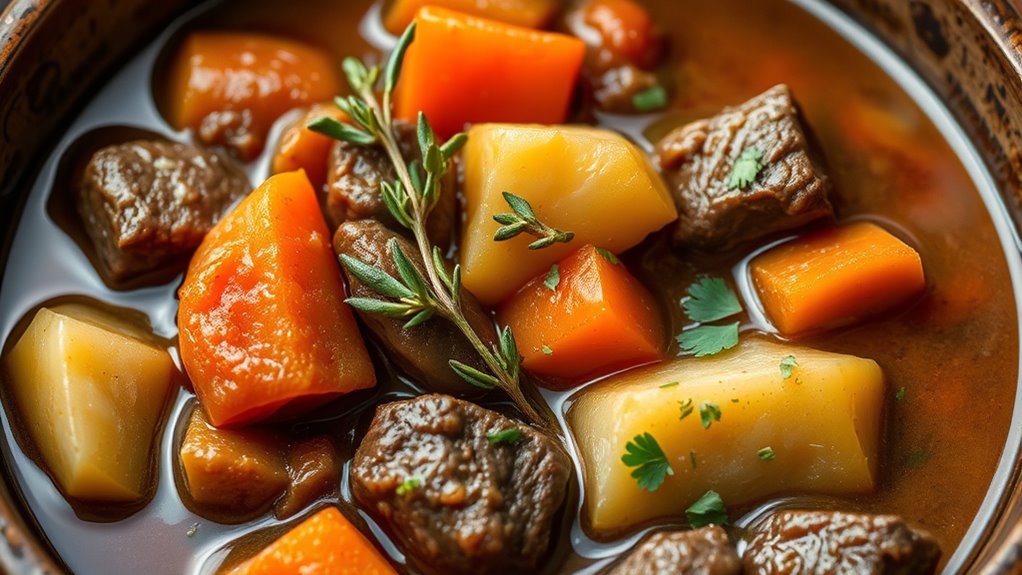
A typical bowl of beef stew contains around 250 to 400 calories, depending on portion size and ingredients. Using lean cuts like sirloin and adding plenty of vegetables can lower the calorie count. Ingredients like potatoes and grains tend to increase it.
How you cook also matters. Baking or simmering is healthier than frying. Monitoring portions and choosing low-calorie substitutes can help you control calories.
Keep going to uncover more tips on enjoying beef stew without overdoing it.
Key Takeaways
- A standard bowl of beef stew usually has around 300 calories, but this can vary based on how much you eat and what ingredients you use.
- Choosing lean cuts like sirloin can help cut down the calorie content compared to fattier beef options.
- Adding more vegetables and cutting back on starchy ingredients like potatoes or peas can also make your stew lower in calories.
- How you cook it matters too. Simmering with broth instead of frying helps keep the calorie count in check.
- Keep an eye on portion sizes. Smaller servings, around 150 to 250 calories, are easier to enjoy without overdoing it.
How Many Calories Are in a Typical Bowl of Beef Stew?
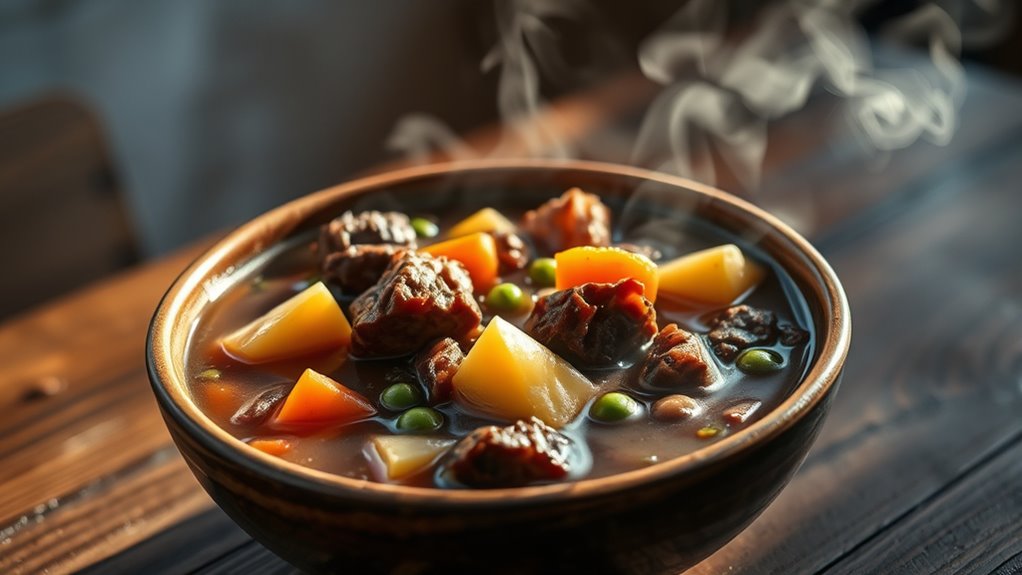
Curious about how many calories are in a typical bowl of beef stew? On average, a standard serving has around 250 to 400 calories. The exact number depends on portion size and ingredients.
If your bowl includes chunks of tender beef, vegetables, and a flavorful broth, it tends to be toward the higher end of that range. Using fattier cuts of beef or adding ingredients like potatoes and bread can also increase calorie content.
If you’re watching your calorie intake, consider reducing fatty meat or limiting high-calorie add-ins. A smaller portion might have about 250 calories, while a hearty, filling bowl could easily reach 400 calories or more.
What Ingredients Have the Biggest Impact on Beef Stew Calories?
The ingredients that most affect beef stew’s calorie count are the fat content in the meat and the starchy vegetables or grains you include. Choosing leaner cuts of meat can really help lower the calories.
Adding more potatoes or grains will bump up the calorie count, so keep an eye on those. Paying attention to these ingredients makes it easier to control the overall calorie content of your stew.
Fat Content in Meat
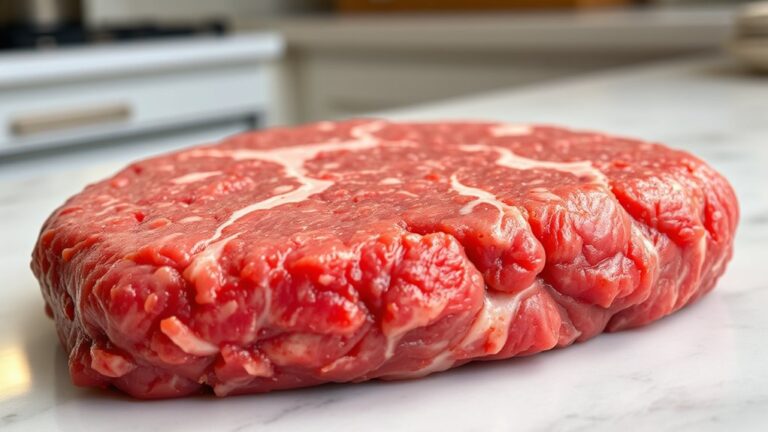
In regards to beef stew, the type and amount of meat you choose really impact the dish’s overall fat content and calories. Fattier cuts like short ribs or chuck roast add more saturated fat compared to leaner options like sirloin or round steak.
The fat content can vary a lot between different cuts, so trimming excess fat before cooking can help cut down on calories. How you prepare the meat also matters—removing visible fat or choosing lean ground beef makes a difference.
Starchy Vegetables and Grains
Starchy vegetables and grains are some of the main ingredients that really impact the calorie content of beef stew. Potatoes, carrots, and peas add calories quickly because they’re high in carbs.
Potatoes, in particular, are dense in calories and can significantly boost the stew’s energy content. Grains like rice or barley also add a good amount of calories, especially if you use larger portions.
The type and amount of these ingredients matter. Using more potatoes or grains increases the overall calories. If you’re watching your calorie intake, try reducing these or choosing lower-calorie options like cauliflower or zucchini.
Keep in mind, these ingredients also provide fiber and nutrients. Balancing portion sizes helps you enjoy the flavors without going overboard on calories.
How Do Portion Sizes Change the Calorie Count?
Portion sizes directly affect the calorie content of beef stew, so even small changes can make a big difference in your overall intake. If you serve a larger bowl, you’ll naturally eat more calories than with a smaller one.
On the flip side, reducing your portion size can help cut calories without sacrificing flavor or satisfaction. For example, a standard cup of beef stew might have about 300 calories, but half a cup is roughly 150 calories.
Paying attention to portion sizes helps you control your calorie intake more accurately. It’s a simple yet effective way to enjoy your favorite dish while managing your overall calorie consumption.
How Do Different Cuts of Beef and Ingredients Affect Calories?
The choice of beef cuts and ingredients can really change how many calories are in your stew.
Lean cuts like sirloin have fewer calories compared to fattier options like chuck.
Added ingredients can either boost or lower the overall calorie count, so what you include matters.
Cooking methods, such as boiling or braising, also influence how many calories end up in your bowl.
Lean vs. Fatty Cuts
Different cuts of beef can really change the calorie content of your stew, depending on whether they’re lean or fatty. Lean cuts like sirloin or tenderloin have less fat and fewer calories per serving, making your stew healthier.
Fatty cuts such as chuck or brisket have more fat and calories, which adds richness but also increases the overall calorie count. Here’s a quick comparison:
| Cut Type | Calories per 3 oz | Fat Content |
|---|---|---|
| Lean (Sirloin) | 150 | 5g |
| Medium (Chuck) | 210 | 15g |
| Fatty (Brisket) | 250 | 20g |
Choosing lean cuts will reduce the calories, while fatty cuts will boost flavor but increase calorie intake. Your choice really impacts your stew’s nutritional profile.
Ingredient Variations Impact
Choosing the right cuts of beef and ingredients can really impact the calorie content of your stew. Using leaner cuts like sirloin or round cuts down on fat and calories compared to fattier options like chuck or brisket.
Ingredient choices like potatoes, carrots, and peas do add calories, but they also bring in nutrients. So, keeping an eye on portion sizes is pretty important.
Using higher-calorie ingredients such as butter or creamy broths will raise the calorie count. Substituting these with broth-based liquids or vegetables can keep it lighter.
Adding beans or starchy vegetables can increase calories, but they also boost fiber and help you feel full. Choosing ingredients carefully lets you tailor your beef stew to meet your calorie goals without sacrificing flavor.
Cooking Methods Influence
Cooking methods really affect the calorie content of your beef stew by changing how much fat and moisture stay in the meat. For instance, braising keeps a lot of fat in, which means more calories.
On the other hand, boiling or skimming removes excess fat, lowering the calorie count. Choosing lean cuts like sirloin or tenderloin also helps cut down calories compared to fattier options like chuck.
The way you cook influences the fat, moisture, and overall calorie density of your ingredients. Different methods, like roasting or grilling, can make a difference in how much fat remains and how many calories are in your stew.
How Can You Make a Lower-Calorie Beef Stew at Home?
Are you looking to enjoy a hearty beef stew without the extra calories? You can make it lighter by choosing lean cuts of beef like sirloin or tenderloin and trimming visible fat. Use plenty of vegetables—carrots, celery, and zucchini—to add bulk and flavor without many calories.
Swap heavy ingredients like butter or cream for healthier options like low-sodium broth or tomato sauce. Reduce oil when browning the meat and avoid adding excess salt or sugar. Incorporate herbs and spices to naturally boost flavor.
Consider cooking your stew in a slow cooker or pressure cooker to keep more nutrients and cut down on oil and fat. These simple swaps help you enjoy a satisfying, lower-calorie beef stew without sacrificing taste.
How Do Store-Bought and Restaurant Beef Stews Compare in Calories?
Have you ever wondered how store-bought and restaurant beef stews compare in calories? Usually, restaurant servings are bigger and richer, with around 250-400 calories per bowl. Store-bought options tend to be a bit lighter, ranging from 150-300 calories per serving.
Factors like added fats, sodium, and portion size play a big role in the calorie difference. Here’s a quick comparison:
| Type | Average Calories | Portion Size | Key Ingredients |
|---|---|---|---|
| Store-bought | 150-300 | 1 cup | Preservatives, added thickeners |
| Restaurant | 250-400 | 1.5-2 cups | Butter, oils, higher meat ratio |
| Homemade (avg) | 200 | 1 cup | Controlled ingredients |
Knowing these differences helps you make smarter choices based on your calorie goals.
What Tips Can Help You Enjoy Beef Stew Without Consuming Too Many Calories?
Want to enjoy hearty beef stew without overloading on calories? Focus on ingredient choices. Use lean cuts of beef like sirloin or tenderloin to cut fat. Load up on vegetables—carrots, celery, and tomatoes add flavor and nutrients without many calories.
Limit added fats by cooking with broth instead of heavy oils or butter. Watch portion sizes; a smaller bowl can satisfy your craving without excess calories. Opt for low-sodium, reduced-fat options when possible.
Skip high-calorie extras like bread or heavy potatoes, or replace them with cauliflower or zucchini for bulk. Slowly savor each bite and avoid mindless eating. These tips help you enjoy the comforting taste of beef stew while keeping calorie intake in check.
How Can You Adjust Your Beef Stew Recipe for Fewer Calories?
Adjusting your beef stew recipe to reduce calories starts with ingredient swaps and cooking techniques. Switch to leaner cuts of beef, like sirloin or tenderloin, to cut down on fat.
Use low-sodium broth instead of oil-heavy bases, and add more vegetables like carrots, celery, and mushrooms to increase fiber and bulk without extra calories. Trim visible fat from meat and remove any skin or excess fat before cooking.
You can also substitute potatoes with cauliflower or turnips. Use herbs and spices for flavor instead of high-calorie sauces. Skim off excess fat that rises during simmering.
Limit added salt and sugar, and opt for cooking methods like boiling or simmering instead of frying. These tweaks help create a lighter, healthier beef stew without sacrificing flavor.
Frequently Asked Questions
Are There Any Low-Calorie Beef Stew Alternatives Available?
Yes, you can find low-calorie beef stew alternatives. Opt for lean cuts like sirloin or tenderloin, which help reduce the fat content.
Use more vegetables and less oil or fat in your recipe to cut calories. You can also choose broth-based soups instead of cream-based ones.
Try plant-based substitutes or vegetable stews with a small amount of lean beef for added flavor without excess calories.
How Does Adding Vegetables Influence the Calorie Content?
Adding vegetables vastly reduces the calorie count in your beef stew, as they bring bulk without boosting calories. Vegetables like carrots, celery, and tomatoes add antioxidants and fiber, making each spoonful more satisfying and savory.
Does the Cooking Method Affect the Calorie Count?
Yes, the cooking method affects the calorie count of beef stew. For example, simmering or slow-cooking with little added fat keeps the calories lower.
On the other hand, frying or browning with oil increases the calorie content. Using leaner cuts of beef and avoiding too much oil or butter helps you control calories.
What Are Common Calorie Misconceptions About Beef Stew?
Think calories are all the same? Think again. Many believe beef stew is high in calories, but it’s often a balanced meal packed with protein, vegetables, and moderate fat.
People underestimate the impact of ingredients like added oils or potatoes. Instead of assumptions, check portion sizes and ingredients.
A hearty bowl can be nourishing without sabotaging your calorie goals, so enjoy it mindfully and savor every bite.
Can Substitutions Reduce Calories Without Sacrificing Flavor?
Yes, substitutions can cut calories without losing flavor. You might swap leaner cuts of beef or use vegetables like cauliflower instead of potatoes to lower calorie content.
Using low-sodium broth and reducing added fats also helps. Spices and herbs add flavor without extra calories, so you can enjoy a hearty, tasty stew that fits your calorie goals.
Experimenting with these swaps keeps your dish satisfying and healthier.
Conclusion
So, now you know the secret to enjoying beef stew without turning into a calorie-counting maniac—just pick smarter ingredients, watch your portions, and maybe skip the extra butter.
After all, who needs a complicated diet plan when you have the power to make delicious and healthier choices? Just remember, a bowl of beef stew is only as bad as your willingness to ignore the facts about calories.
Enjoy your beef stew guilt-free by being mindful of what goes into it. Happy stewing—calorie-conscious and carefree!