Does Epsom Salt Help Gout?
Many people struggle with gout pain, and finding relief can feel like an ongoing challenge. If you’re looking for natural ways to ease inflammation and discomfort, you’re not alone.
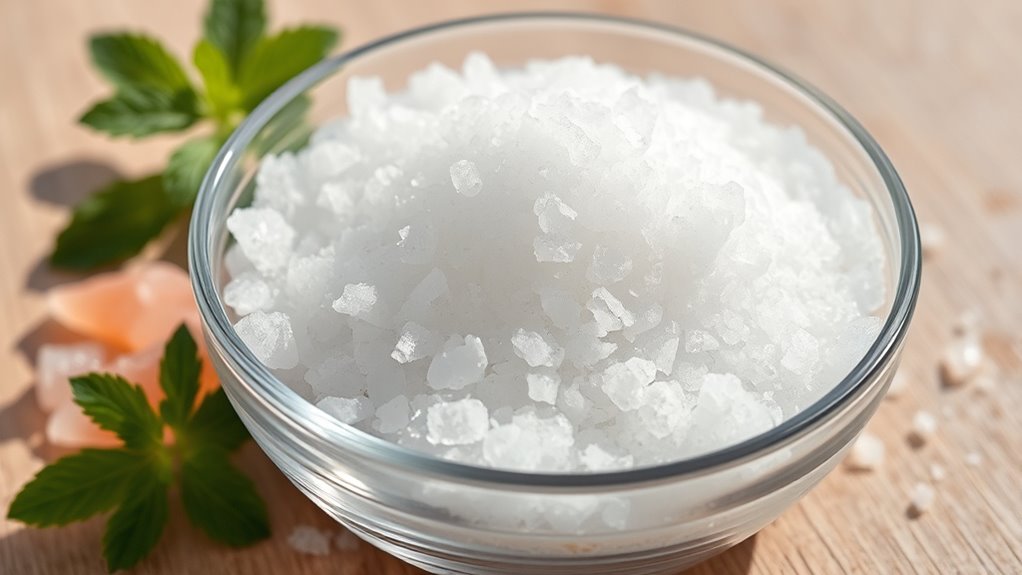
Epsom salt is often considered a soothing remedy for joint pain, including gout. Epsom salt may help ease gout pain by providing magnesium through skin absorption, which can relax muscles and reduce inflammation.
Soaking in warm water with Epsom salt for 15-20 minutes might soothe swollen joints and lessen discomfort.
However, scientific evidence is limited, and it shouldn’t replace traditional treatments. To learn more about how to safely use Epsom salt and other options, investigate the full details ahead.
Key Takeaways
- Epsom salt contains magnesium, which might help relax muscles and reduce inflammation when absorbed through the skin.
- Warm Epsom salt baths can boost blood flow and offer temporary relief from joint soreness and stiffness.
- However, scientific evidence supporting Epsom salt’s effectiveness for gout relief is limited and mostly based on personal stories.
- It’s important to use Epsom salt soaks cautiously to prevent skin irritation. They should not replace medical treatment.
- If you have gout, it’s best to talk to a healthcare professional for proper management beyond just taking Epsom salt baths.
What Is Gout and How Does It Hurt Your Joints?
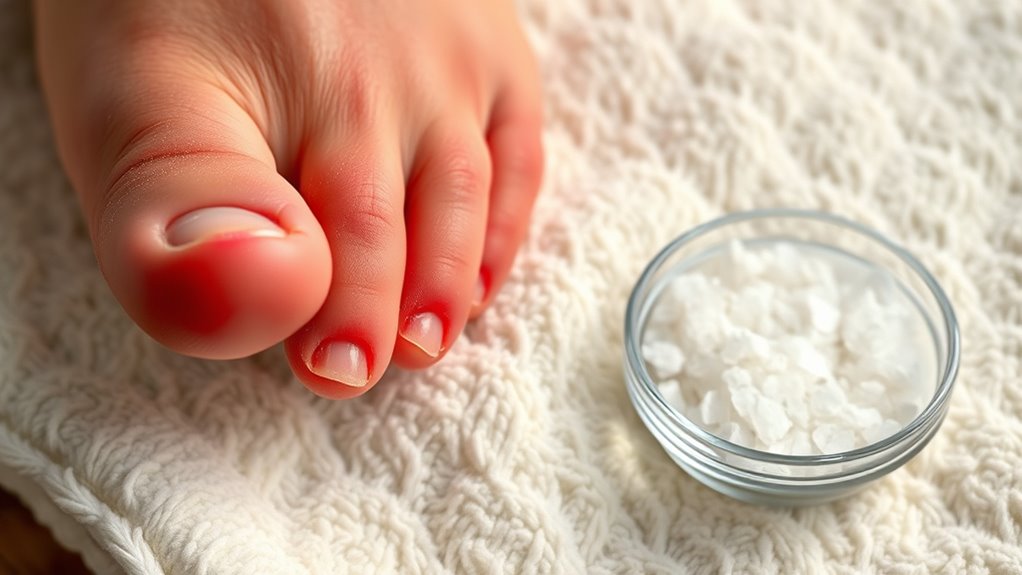
Gout is a type of inflammatory arthritis caused by too much uric acid in your blood. This excess forms sharp crystals in your joints, leading to pain and swelling.
When these crystals settle, your immune system reacts, causing inflammation, swelling, and intense pain. You might notice sudden attacks, often in your big toe, but other joints can be affected too.
Gout usually hits at night, making movement really painful. Things like diet, obesity, dehydration, and certain medicines can raise your uric acid levels.
During a gout attack, your joint becomes red, swollen, and tender. If not managed properly, gout can damage your joints and cause long-term problems.
Catching these symptoms early is important to prevent lasting damage. Listening to your body and seeking treatment can help keep gout under control.
How Does Epsom Salt Work to Relieve Pain?
When you soak in Epsom salt, your skin absorbs magnesium, which can help relax muscles and ease pain.
This process also reduces inflammation around your joints, providing relief from discomfort.
Understanding how these effects work together can help you see why Epsom salt is often used for pain relief.
Magnesium Absorption Benefits
Epsom salt works mainly because of its magnesium content, which can be absorbed directly through your skin during a soak. When you take an Epsom salt bath, magnesium ions pass into your bloodstream through your skin.
Magnesium is important for reducing inflammation, which is often linked to gout flare-ups. By increasing your magnesium levels, you may help regulate uric acid and reduce swelling.
This absorption is pretty efficient because the skin acts as a natural gateway, bypassing the digestive system and delivering magnesium quickly. That way, your body can benefit from magnesium’s anti-inflammatory effects sooner.
Regular soaks might support overall joint health and could help lessen gout symptoms by keeping your magnesium levels up.
Muscle Relaxation Effects
Because magnesium plays a key role in muscle function, soaking in Epsom salt helps relax tense muscles and ease pain. When magnesium is absorbed through your skin, it works to block calcium’s ability to contract muscles, promoting relaxation. This can reduce muscle cramps, stiffness, and soreness, especially after physical activity or injury.
The warm water itself also improves blood flow, helping muscles recover faster. As magnesium penetrates your skin, it signals your muscles to relax, decreasing discomfort and tension. This combined effect makes Epsom salt baths popular for soothing sore muscles and easing muscle-related pain.
Although mainly used for relaxation, this process can indirectly support overall comfort during conditions that cause muscle tension.
Inflammation Reduction Process
The pain relief from Epsom salt baths mainly comes from its ability to reduce inflammation. When you soak in warm water with Epsom salt, magnesium ions are absorbed through your skin, which helps lower the production of inflammatory chemicals.
This process calms swollen tissues around your joints, easing pain and stiffness. Magnesium also helps improve blood flow, carrying away inflammatory substances more efficiently.
As inflammation decreases, swelling goes down and your joint pain lessens. The warm water soothes and relaxes muscles, boosting circulation and enhancing the anti-inflammatory effects.
Does Soaking in Epsom Salt Help Gout Pain?
Soaking in Epsom salt may help reduce gout pain by calming inflammation and easing discomfort.
Proper technique, like using warm water and soaking for about 15-20 minutes, can maximize these benefits.
Let’s look at how effective this approach really is and the best ways to do it.
Epsom Salt’s Anti-Inflammatory Effects
Epsom salt, known for its high magnesium sulfate content, has long been used as a natural remedy to reduce inflammation and soothe aches. When you soak in an Epsom salt bath, magnesium is absorbed through your skin, which can help decrease inflammation at the cellular level.
Magnesium plays a key role in reducing the production of inflammatory chemicals, potentially calming swelling and redness. The sulfate component helps flush toxins and supports tissue repair, further aiding the anti-inflammatory process.
While scientific evidence is limited, many people find that Epsom salt soaks help diminish inflammation and promote relaxation. Keep in mind that results vary, and Epsom salt should complement other treatments rather than replace medical advice.
Effects on Gout Pain Relief
Many people turn to Epsom salt baths to find relief from gout pain, hoping that the magnesium and sulfate can ease discomfort. While scientific evidence is limited, many users say they feel better after soaking.
The warmth of the bath helps increase blood flow, which might help reduce pain. Epsom salt may also help relax muscles around the affected joint, decreasing stiffness.
Here are some potential effects:
- Eases joint soreness and reduces stiffness.
- Promotes relaxation, helping you cope with discomfort.
- May temporarily numb pain through heat and mineral absorption.
- Supports overall relaxation, which could aid recovery.
Proper Soaking Techniques
To maximize the benefits of Epsom salt baths for gout pain, it’s important to use proper soaking techniques. Start by filling a basin or bathtub with warm, comfortable water—around 100-110°F (38-43°C).
Dissolve 1-2 cups of Epsom salt into the water, stirring gently until fully dissolved. Submerge the affected joint completely, making sure it’s fully covered. Soak for about 15-20 minutes.
Avoid overly hot water as it can worsen inflammation. Keep the affected area raised if possible to help reduce swelling. After soaking, gently pat the skin dry and rest so your body can absorb the magnesium.
Repeat this process 1-2 times daily, but always listen to your body. If pain persists, consult your healthcare provider.
What Scientific Studies Say About Epsom Salt and Gout Relief
Scientific research on the effectiveness of Epsom salt for gout relief is limited but offers some insights. Most studies focus on magnesium absorption and anti-inflammatory effects, rather than direct gout treatment. Here’s what current evidence suggests:
Some small studies indicate magnesium may help reduce inflammation, but these aren’t specific to Epsom salt baths.
A few anecdotal reports mention pain relief after Epsom salt soaking, yet scientific validation is lacking.
No large-scale clinical trials confirm Epsom salt’s ability to lower uric acid levels or prevent gout attacks.
Experts generally see Epsom salt as a complementary remedy rather than a primary treatment, emphasizing the need for more rigorous research.
What Are the Risks and Limitations of Using Epsom Salt for Gout?
Using Epsom salt for gout can cause skin irritation if you have sensitive skin or allergies. It’s important to be cautious and test a small area first.
Keep in mind that there’s limited scientific proof it actually helps, and it’s not a proven cure for gout. Relying only on this remedy might delay proper treatment.
Potential Skin Irritation Risks
While Epsom salt baths are generally safe, they can cause skin irritation in some people, especially if used improperly or on sensitive areas. You might notice redness, itching, or a rash after soaking.
To help prevent problems, be careful with a few things. Using too much Epsom salt can increase the chance of irritation, so stick to recommended amounts.
Longer soaks can dry out your skin or even cause damage, so don’t overdo it. If you have sensitive skin or skin conditions, you might react more strongly.
Avoid applying Epsom salt on broken or open skin, as this can cause discomfort or even infections.
If you do notice any irritation, rinse the area well and stop using the bath. It’s a good idea to test a small patch first, especially if you’re sensitive or have allergies.
Limited Scientific Evidence
Although many people turn to Epsom salt as a natural remedy for gout relief, the evidence supporting its effectiveness remains limited. Scientific studies on Epsom salt’s ability to reduce gout symptoms are scarce and often inconclusive.
Most claims are anecdotal or based on traditional use rather than rigorous research. You might find some relief, but there’s no guarantee, and relying solely on Epsom salt could delay more effective treatment options.
Furthermore, without solid scientific backing, it’s hard to determine safe or ideal application methods. You should approach Epsom salt as a complementary measure rather than a primary treatment.
Consulting a healthcare professional can help you make informed decisions and avoid potential risks associated with unproven remedies.
Not a Gout Cure
Even though many people turn to Epsom salt in hopes of easing gout symptoms, it’s important to recognize that it isn’t a cure. Relying solely on Epsom salt can lead to unmet health needs and delayed proper treatment. Keep in mind:
- It offers only temporary relief, not long-term solutions.
- It may mask pain, causing you to ignore underlying issues.
- Excessive use can irritate your skin or cause dehydration.
- It might interfere with prescribed medications or treatments.
While soaking in Epsom salt might help reduce inflammation temporarily, it shouldn’t replace medical advice or medication. Always talk to a healthcare professional before trying alternative remedies, especially for chronic conditions like gout. Relying only on Epsom salt could prevent you from managing your condition effectively.
What Are Better Alternatives to Epsom Salt for Gout?
If you’re looking for better alternatives to Epsom salt for gout relief, there are several options to consider. A healthy diet rich in anti-inflammatory foods like cherries, berries, and leafy greens can help reduce flare-ups.
Staying well-hydrated by drinking plenty of water also helps flush out uric acid and prevent crystals from forming. Over-the-counter medications like NSAIDs are often recommended to ease pain and reduce inflammation.
Managing your weight through exercise and a balanced diet can lessen joint strain and lower uric acid levels. Always check with your healthcare provider for personalized treatments to ensure you choose safe and effective options.
How to Use Epsom Salt Baths Safely for Gout
Using Epsom salt baths can be a soothing way to relieve gout pain, but it’s important to do so safely. To guarantee safe use, follow these steps:
Epsom salt baths may soothe gout pain; always follow safety steps and consult your healthcare provider first.
- Use warm, not hot, water to avoid skin irritation and dizziness.
- Add about 1 to 2 cups of Epsom salt to a standard-sized bath.
- Soak for 15 to 20 minutes, making sure the affected area is submerged.
- After soaking, rinse your skin with clean water and dry thoroughly.
Always check with your healthcare provider before starting Epsom salt baths, especially if you have other health conditions or are on medication. Avoid overusing them and don’t rely solely on baths for gout relief.
Tips for Incorporating Epsom Salt Baths Into Your Gout Treatment Routine
Incorporating Epsom salt baths into your gout treatment routine requires consistency and mindful planning. Schedule baths regularly, ideally a few times a week, to help manage symptoms effectively.
Use warm water, not hot, to maximize relaxation and absorption without risking skin irritation. Measure about 2 cups of Epsom salt per standard-sized bath and stir until dissolved.
Keep the bath session between 15 to 20 minutes to avoid dehydration or dizziness. To improve relief, soak the affected joint fully so the salt solution reaches the painful area.
Stay hydrated before and after each bath to support your body’s natural detox process. Remember, while Epsom salt baths can be helpful, they should complement your overall gout management plan.
Consistency and proper technique can make a meaningful difference.
When Should You See a Doctor About Gout Symptoms?
Wondering when to see a doctor for gout symptoms? It’s important to recognize signs that need professional care.
You should see a doctor if your pain is severe and sudden, especially at night. If the affected joint becomes swollen, red, or hot, it’s also time to get medical help.
Symptoms that last more than a few days or get worse over time should not be ignored. If you experience recurring gout attacks or suspect a flare-up isn’t resolving, see a healthcare professional.
Prompt medical care ensures proper diagnosis and treatment, helping to reduce joint damage. Ignoring symptoms can lead to complications and prolonged discomfort.
If you’re unsure, it’s always better to be cautious and consult a doctor quickly. Early intervention can help manage pain, prevent future attacks, and protect your joints.
Final Thoughts: Is Epsom Salt a Good Option for Gout Relief?
Is Epsom salt a reliable remedy for gout relief? While soaking in Epsom salt may provide temporary comfort and reduce inflammation, it shouldn’t replace medical treatment.
Gout is a complex condition that requires proper diagnosis and management. Epsom salt might help soothe joint pain, but it doesn’t address the underlying cause or lower uric acid levels.
If you’re considering Epsom salt baths, use them as a complementary approach alongside your doctor’s advice. Keep in mind that individual responses vary, and some people may not experience significant relief.
Ultimately, managing gout effectively involves lifestyle changes, medication, and professional guidance. Relying solely on Epsom salt isn’t a sufficient long-term solution, but it could be part of a broader treatment plan.
Frequently Asked Questions
Can Epsom Salt Prevent Future Gout Attacks?
Epsom salt doesn’t prevent future gout attacks directly. While soaking in Epsom salt may help reduce pain and inflammation during an attack, it doesn’t address the root causes of gout.
To prevent future attacks, focus on managing your diet, staying hydrated, and maintaining a healthy weight.
It’s best to consult your healthcare provider for personalized strategies. Don’t rely solely on Epsom salt as a preventive measure.
How Often Should I Soak in Epsom Salt for Gout Relief?
You should soak in Epsom salt 2 to 3 times a week for gout relief. Each soak lasts about 15 to 20 minutes, giving your joints time to relax and reduce inflammation.
You can adjust the frequency based on your pain levels and how comfortable you feel. Always listen to your body, and if you notice increased discomfort, it’s a good idea to cut back.
For personalized advice and to make sure you’re using it safely, talk to your healthcare provider.
Are There Specific Epsom Salt Brands Recommended for Gout?
There aren’t specific Epsom salt brands recommended for gout because most brands contain the same magnesium sulfate.
When choosing one, look for pure, high-quality Epsom salts with minimal additives or fragrances.
Popular brands like Epsoak, Dr. Teal’s, or Pure Enrichment are generally safe options.
Always follow the instructions for soaking and talk to your healthcare provider for personalized advice, especially if you have other health conditions.
Does Epsom Salt Interact With Gout Medications?
Back in the day, I’d say Epsom salt won’t interfere with your gout meds. Today, we understand it’s generally safe to soak in Epsom salt baths without affecting your medications.
Still, since everyone’s different, it’s wise to chat with your doctor first. Epsom salt’s magnesium can help relax muscles, but it’s not a substitute for your prescribed gout treatment.
Always make sure your healthcare provider approves.
Can Epsom Salt Be Used Alongside Other Gout Treatments?
Yes, you can use Epsom salt alongside other gout treatments, but it’s important to do so carefully. Epsom salt baths might help ease pain and swelling temporarily, but they shouldn’t replace your prescribed medications.
Always check with your doctor before combining treatments, especially if you’re on medication. This helps prevent any possible interactions or side effects.
Getting medical guidance ensures your gout management is safe and effective.
Conclusion
While soaking in Epsom salt might seem like a simple way to ease your gout pain, keep in mind that it’s just one piece of the puzzle. Think of it like a gentle rain soothing a parched garden—helpful, but not a cure-all.
Always consult your doctor for proper treatment, and consider Epsom salt as a supportive step rather than the main solution.
With the right care, you’ll find your rhythm again, pain-free, especially when you include Epsom salt in your gout management plan.